
Last updated November 24, 2026
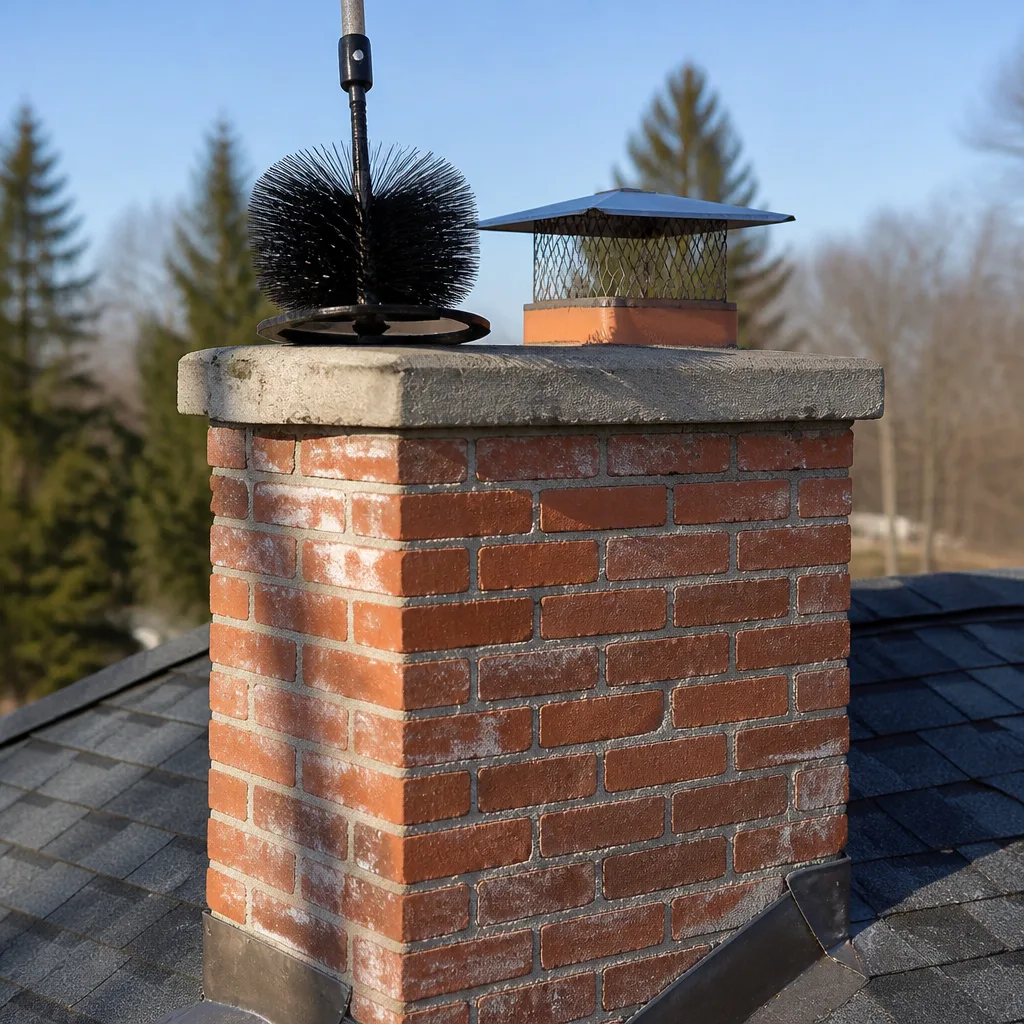 Sweep & inspection
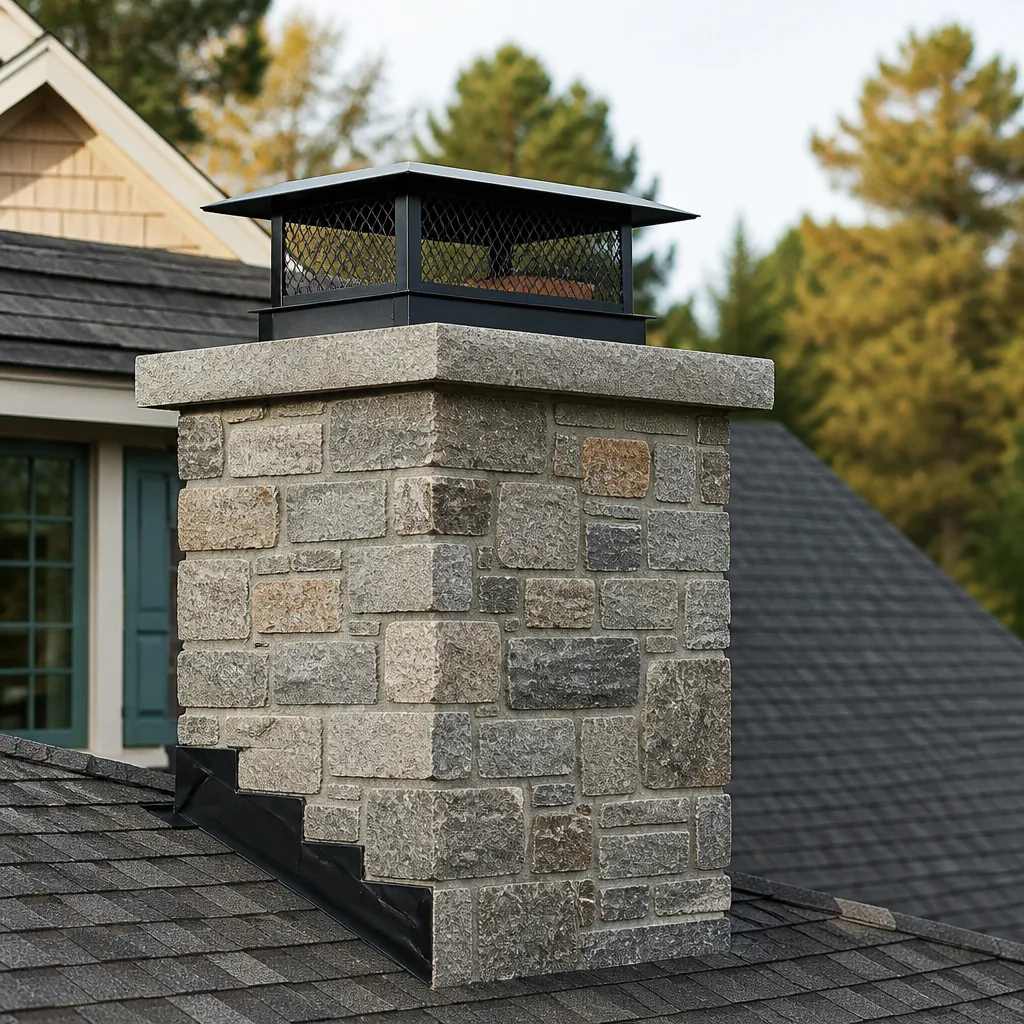 Caps & crowns
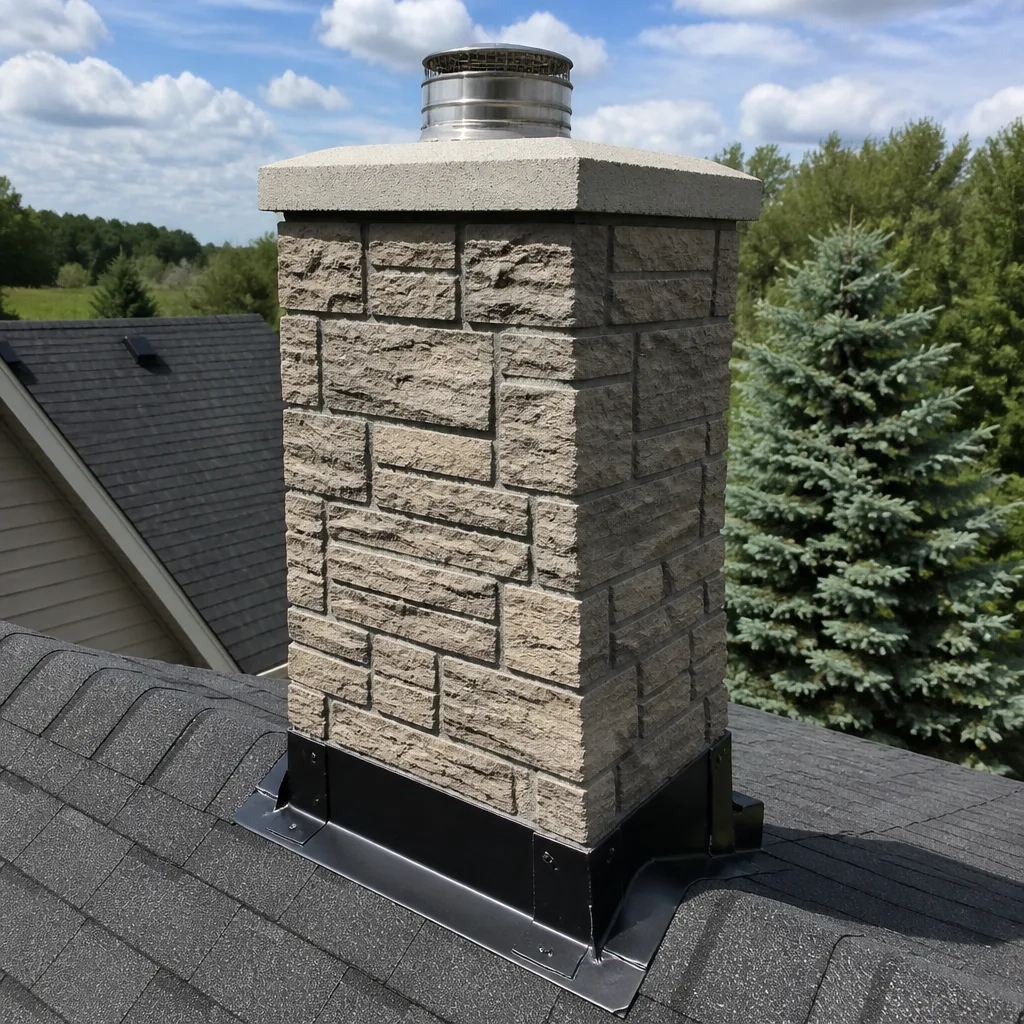 Flue relining
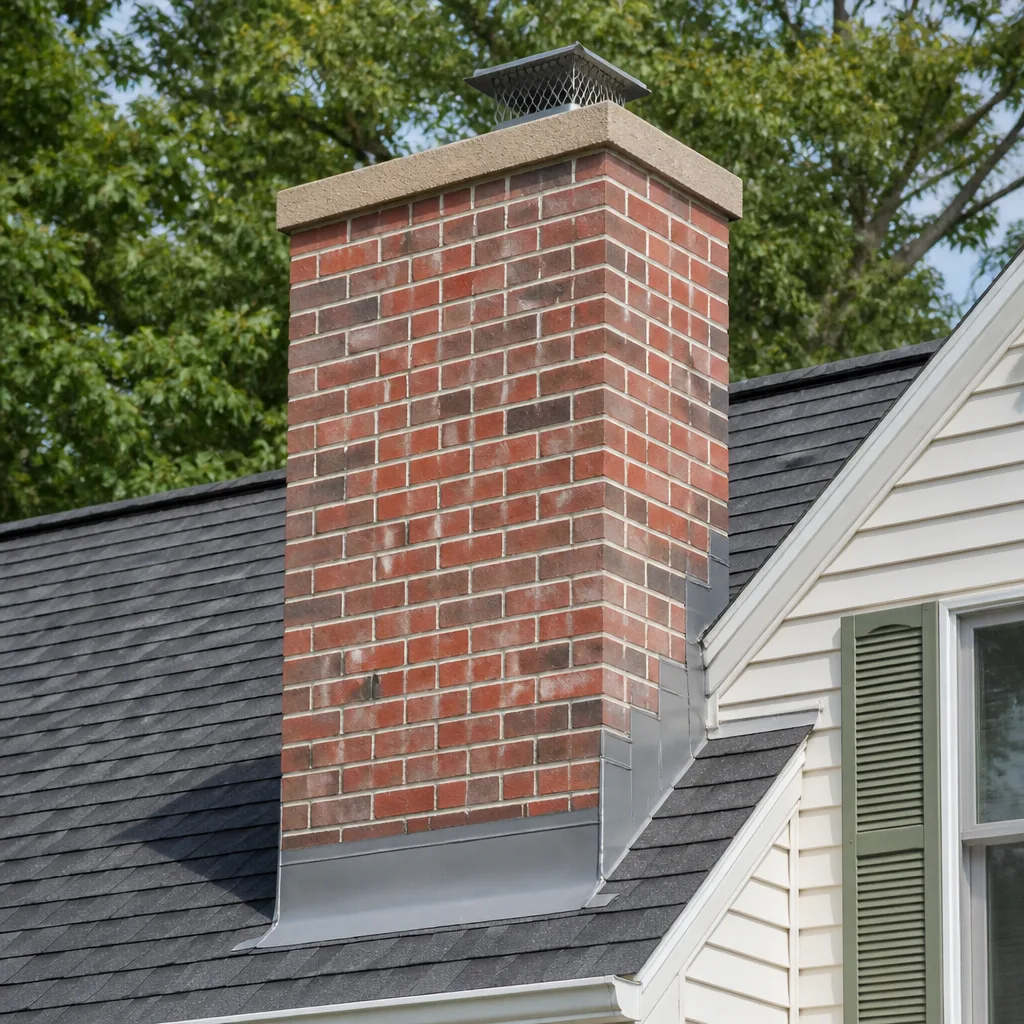 Masonry repair
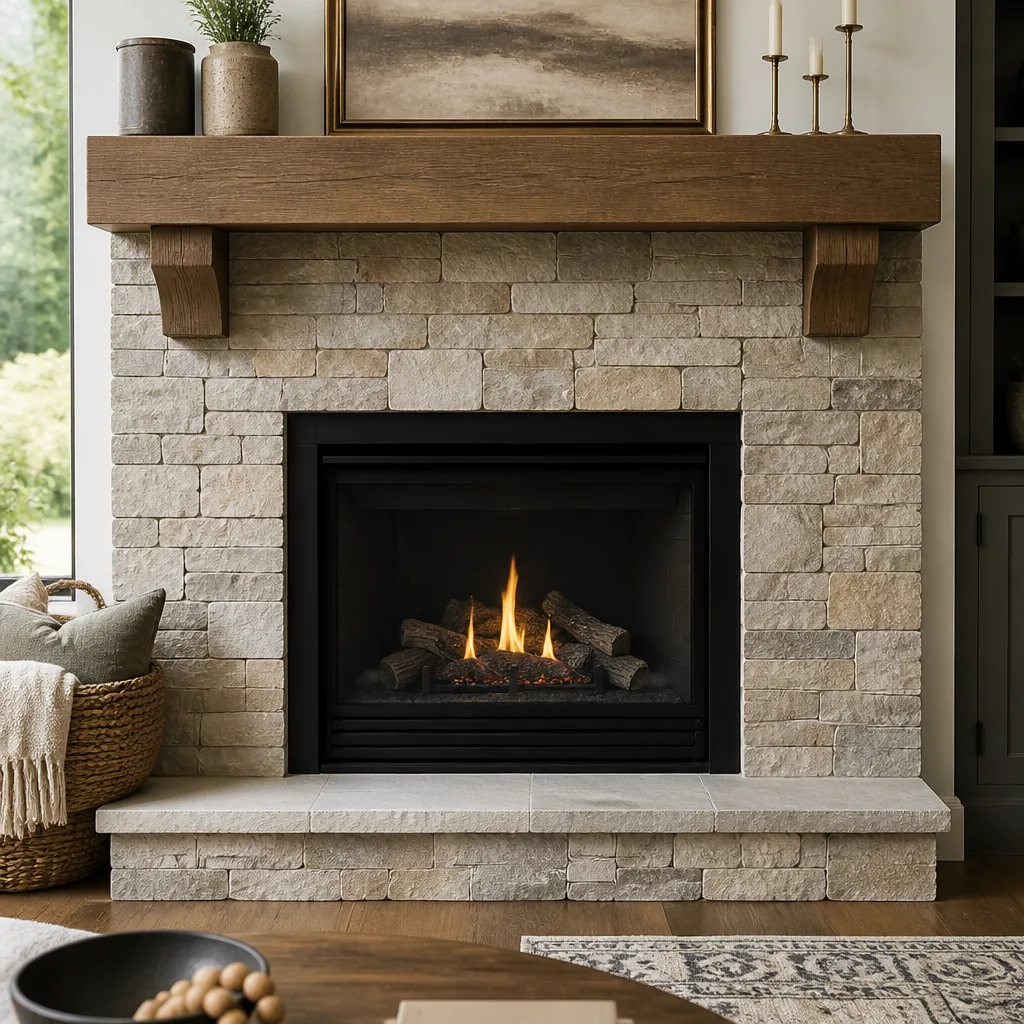 Gas fireplace service
Level 1 sweep and inspection to the NFPA 211 annual standard - flue, crown, cap, and flashing checked and photographed
Chimney sweep logs do not sweep chimneys. They loosen some creosote - which then falls where a brush and vacuum still have to collect it.
The Complete Guide to Chimney Cleaning in Great Kills
Most chimney fires we’re called to assess in Great Kills don’t start because a homeowner skipped cleaning for a decade. They start because the cleaning that did happen stopped at creosote. The flue got brushed, the firebox got vacuumed, and everyone felt good about it. What nobody looked at was the cracked liner tile behind the brush, or the damper that no longer seated, or the crown at the top quietly letting water into the masonry every time it rained. Cleaning a chimney without understanding the system it belongs to is half a job, and half a job is where the danger hides.
This guide maps the full sequence: what “cleaning” actually means for masonry versus prefab, wood versus gas, how a proper inspection fits around the sweep, what a Great Kills home specifically needs given the waterfront exposure and older housing stock, and how to sequence the work so you don’t pay for the same sweep twice in one season. By the end you’ll know what to ask, what to expect, and what a real post-cleaning report should show you.
Quick Answer
Chimney cleaning in Great Kills means removing creosote, soot, and blockages from the flue and firebox, then verifying with at least a Level 1 NFPA 211 inspection that the liner, damper, and cap are sound. For most wood-burning homes it’s an annual job; for gas appliances it’s an inspection-led service rather than a brush-out. A cleaning without an inspection attached is incomplete, because the inspection is what tells you whether the chimney is safe to use after the sweep, not just clean.
Styles & brands we work with
- Sweep & inspection
- Caps & crowns
- Flue relining
- Masonry repair
- Gas fireplace service
Table of Contents
- What Chimney Cleaning Actually Means for Your Chimney Type
- Level 1, 2, and 3 Inspections: Why Cleaning Without One Is Incomplete
- Great Kills Factors: Water, Weather, and Older Masonry
- How to Sequence Cleaning, Inspection, and Repair
- What a Proper Post-Cleaning Report Should Document
- What Chimney Cleaning Typically Costs
- How Often Should a Great Kills Chimney Be Swept?
- What Actually Happens If You Skip It
What Chimney Cleaning Actually Means for Your Chimney Type
The word “cleaning” covers four different jobs depending on what’s attached to your fireplace. A masonry chimney with a clay tile liner and a wood-burning fire needs a rotary or poly brush sized to the flue, a HEPA vacuum to contain the dust, and a visual check of every tile joint. A factory-built prefab fireplace with a stainless liner needs lighter tooling and closer attention to the liner seams and the firestop where the chase passes through the framing. A gas fireplace produces almost no creosote but can produce corrosion and debris, so the service is closer to an inspection with a vacuum than a traditional sweep. An oil flue carries its own residue profile and needs its own check. Brush type, technique, and what counts as “done” change with each.
Masonry, prefab, wood, and gas: how the job differs
- Masonry with clay tile liner: brushed flue, checked tile joints, swept smoke shelf and smoke chamber, vacuumed firebox. The smoke chamber is the part most often skipped and the part most often cracked.
- Prefab with stainless liner: softer tooling, close inspection of liner seams and the top termination. Prefab liners can’t be resurfaced the way masonry flues can, so condition matters more than cleanliness.
- Gas fireplace or insert: minimal brushing, focused on the venting, the termination cap, and any debris or bird nesting. Corrosion at the vent connectors is the thing to catch.
- Oil flue: soot and sulfur residue, venting condition, and the barometric damper. Different residue, different check.
This is why a quote given over the phone without anyone asking what kind of chimney you have is a red flag. The tooling and time required vary enough that a responsible provider asks first. When we send a technician, the first question on the intake is what’s burning in the firebox.
Level 1, 2, and 3 Inspections: Why Cleaning Without One Is Incomplete
NFPA 211 defines three inspection levels, and the level determines what gets looked at. A cleaning without at least a Level 1 attached leaves you knowing the flue is clean but not whether it’s safe. Here’s how the levels break down.
- Level 1: Readily accessible portions of the chimney, firebox, and connector, checked without tools to open or dismantle anything. This is the baseline inspection that should accompany every routine sweep.
- Level 2: Everything in a Level 1 plus accessible attics, crawl spaces, and concealed areas, typically with a camera. Required after a chimney fire, after a change of fuel type, after a liner replacement, and for real estate transactions and pre-purchase reviews.
- Level 3: Everything in a Level 2 plus dismantling or opening of concealed construction where a hazard is suspected. Rare, and only when the evidence points there.
In our experience, most homeowners asking for a “cleaning” are actually asking for a Level 1 at minimum, and many need a Level 2 because they’re buying or selling a house in Great Kills or because there’s been a chimney fire in the past nobody documented. A pre-sale or pre-purchase review on Staten Island almost always calls for a Level 2 with a written report attached, because a buyer’s attorney will ask for the documentation.
Pair the cleaning with a chimney sweep from a provider that also inspects. A sweep that hands you a receipt saying “swept” and nothing else has done half the work.
Great Kills Factors: Water, Weather, and Older Masonry
Great Kills sits close enough to the water that wind-driven rain and humidity hit the top of a chimney harder than they hit inland parts of Staten Island. That matters because the crown and the mortar joints at the top of the stack take the weather first. A hairline crack in the crown lets water in, the water freezes in a cold snap, the freeze-thaw cycle widens the crack, and by the time anyone notices the masonry is spalling and the flue tiles are separating. The damage starts at the top and works down. It’s the single most common pattern we see on houses in this neighborhood.
What this means for a Great Kills chimney
- The crown is a maintenance item, not a permanent fixture. A cracked or crumbling crown should be repaired with a proper mix, not patched with caulk. Gelco and Famco components are engineered for this exact purpose and hold up far better than a hardware-store patch.
- Caps do a lot of the work. A well-fitted cap keeps rain, birds, and squirrels out of the flue. If your chimney is uncapped, that’s the first fix before anything else. Our chimney cap & crown work addresses it at the top of the system where the damage starts.
- Older masonry needs a closer look. Great Kills has a lot of mid-century and older housing where the original clay tile liner has been through decades of heating cycles. Those joints deserve a camera, not a glance.
- Wood-burning appliances produce more creosote in cold snaps. A dampered-down fire on a cold night makes more of the sticky, flammable creosote than a hot burn. That’s the reason annual sweeps matter more here than the calendar alone suggests.
None of this is about a chimney being “bad.” It’s about a chimney being exposed to weather and heat for a long time, which is exactly what a chimney is built to handle, as long as someone checks it. A chimney sweep in Great Kills who understands the local pattern will look at the crown on every visit, not just the flue.
How to Sequence Cleaning, Inspection, and Repair
Sequencing matters because the order changes what you pay. The wrong order gets you a sweep, then a repair, then a re-sweep of the same flue after the repair, which is two sweeps in one season for no good reason. The right order gets the flue cleaned, the inspection done on a clean flue (you can see the liner when it isn’t coated in soot), and any repair scheduled once.
The order that works
- Book the sweep and inspection together. They should happen on the same visit. The sweep clears the flue so the inspection can actually see the liner walls, the smoke chamber, and the damper.
- Inspect at the appropriate level. Level 1 for routine. Level 2 if you’re buying, selling, or have had a chimney fire. The technician should show you what they see, not just tell you.
- Get the findings in writing, with photos. Anything the technician flags should come with an image you can look at. This is where you separate a real diagnosis from an upsell.
- Decide what’s urgent and what can wait. A cracked crown that’s actively letting water in is urgent. A slightly worn damper that still seals is a next-season item. Ask the technician which category each finding falls into.
- Do the repair, then verify. After a liner job or a crown rebuild, the chimney should be checked again. A DuraFlex stainless liner installation or a HeatShield flue resurfacing should end with a documented check of the finished work.
- Schedule the next sweep. Annual for most wood-burning homes.
If you’re also dealing with a firebox that’s cracked or a damper that sticks, that work belongs in the same visit. Our fireplace repair covers firebox rebuilds and damper work so the whole hearth system gets handled together, not in pieces across multiple vendors.
What a Proper Post-Cleaning Report Should Document
A verbal “looks good” after a sweep is not a report. A real report is a written record with photos and specific findings, and it’s the document you’ll want if you sell the house, file an insurance claim, or need to prove the chimney’s condition to a future buyer. If your sweep doesn’t hand one over, that’s a red flag worth noting.
What should be in it
- The inspection level performed and what was accessible (flue, firebox, smoke chamber, damper, crown, cap, exterior).
- Condition of the liner, including any cracked tiles, gaps, or deterioration, with photographs.
- Creosote condition before cleaning, described by degree. Third-degree, glazed creosote needs more than a brush, and the report should say so.
- Damper operation, noted as functional, sticking, or failed.
- Crown and cap condition, with photos from the top.
- Any blockages (nesting, debris, a collapsed tile) and whether they were cleared.
- Recommendations, each tied to a finding and each labeled urgent, next-season, or monitor.
- Whether the chimney is safe to use now in plain language.
If any recommendation isn’t backed by a photo you can see, ask for one. There’s no reason a legitimate repair recommendation can’t be shown. HeatShield resurfacing, for example, is recommended because the flue walls are pitted or the joints are failing, and the camera footage shows exactly that. If the footage doesn’t show a problem, you shouldn’t be paying for the repair.
What Chimney Cleaning Typically Costs
Chimney cleaning in Great Kills typically runs in the range homeowners expect on Staten Island, with the final price set by the written estimate for your specific job. The factors that move the number are the chimney type, the level of inspection, whether the flue is heavily glazed, and whether a repair is bundled in. We set the price per job, not from a menu, because a prefab fireplace and a masonry chimney with a smoke chamber are not the same visit.
Typical line items you’ll see quoted
- The sweep itself, including the flue brush and firebox cleanup, with a HEPA vacuum used throughout.
- Inspection at Level 1, included with the sweep in most cases; a Level 2 with camera typically priced separately.
- Chimney cap supply and install, using a fit-for-purpose component. Gelco and Famco caps are the ones we specify for this climate.
- Crown repair via proper rebuilding or resurfacing, priced by extent.
- Liner work where needed, either a DuraFlex stainless liner or HeatShield flue resurfacing, each priced by the linear footage and condition of the flue.
Ask for the written estimate before the work starts. The estimate is the price, and it should be handed to you free. No legitimate provider should charge you to come look and tell you what the chimney needs.
How Often Should a Great Kills Chimney Be Swept?
Most wood-burning chimneys should be swept annually, and that’s the working rule for Great Kills homes. But the honest answer is that the right interval depends on how much you burn, what you burn, and how hot the fire runs. A household that burns two cords a season with a hot, well-aired fire will need less attention than one that burns four cords with the damper choked down to stretch the wood. Burning unseasoned wood or a lot of it makes more creosote faster.
A practical frequency guide
- Wood-burning, routine use: annually, and always before the heating season begins.
- Wood-burning, heavy use: twice a season if the fire is often smoldered or the wood isn’t seasoned.
- Gas fireplace: an inspection every year, but a brush sweep usually isn’t needed. The inspection catches venting and corrosion issues the sweep would miss anyway.
- After any chimney fire: immediately, at Level 2 with a camera, regardless of how long since the last sweep.
- Before a home sale or purchase: a Level 2 inspection, even if the last sweep was recent.
The cheapest way to know your interval is to ask the technician during the sweep what they saw in the flue, and to schedule the next one from there rather than from the calendar alone. The Chimney Sweep Great Kills team books the next visit at the end of every job so the timing is based on condition, not guesswork.
What Actually Happens If You Skip It
Skipping the sweep doesn’t fail in a dramatic way. It fails quietly. Creosote builds up in the flue, the fire burns hotter than the flue is designed for when it finally ignites, and the liner either cracks or the fire spreads to the surrounding structure before anyone inside the house can tell. That’s the mechanism. The quiet version of the failure is water: an unfixed crown, or an uncapped flue, lets water into the masonry year after year until the flue tiles separate and the mortar softens and the chimney is no longer safe to use. Carbon monoxide is its own risk. A blocked or cracked flue can let combustion gases back into the living space, and CO is odorless and invisible, which is why the inspection matters as much as the sweep.
None of this is meant to alarm anyone into a rushed repair. It’s the reason a chimney is a maintenance item, not a fixed appliance. A small amount of scheduled attention avoids all of it. If you’ve been putting it off, call and book the sweep. It’s the smallest payment on the list and the one with the most leverage over the rest.
Common Mistakes to Avoid
- Booking a sweep without an inspection. A clean flue tells you nothing about the liner, damper, or crown. Insist on at least a Level 1 inspection with the sweep.
- Accepting a verbal “looks good.” No photos, no report, no proof. That’s a red flag in this trade, and it leaves you with nothing to show a buyer or an insurer.
- Ignoring the crown because it’s out of sight. In Great Kills, the crown is what takes the weather. A cracked crown is the first domino in most masonry damage we see.
- Using a general handyman for chimney work. A chimney has its own tooling, its own code reference (NFPA 211), and its own material standards. A generalist can clean a firebox; they’re not equipped to diagnose a liner.
- Treating a gas fireplace as “no maintenance.” Gas units need an inspection even without creosote, because venting and corrosion issues are the real risks.
- Waiting until fall to book. The heating season is the busiest time for sweeps in this area, and booking ahead gets you a better slot. A missed season is a longer wait next time.
- Paying for a sweep twice in one season. If you know a liner repair is coming, sequence it correctly so the sweep happens once and the flue is inspected after the repair, not before.
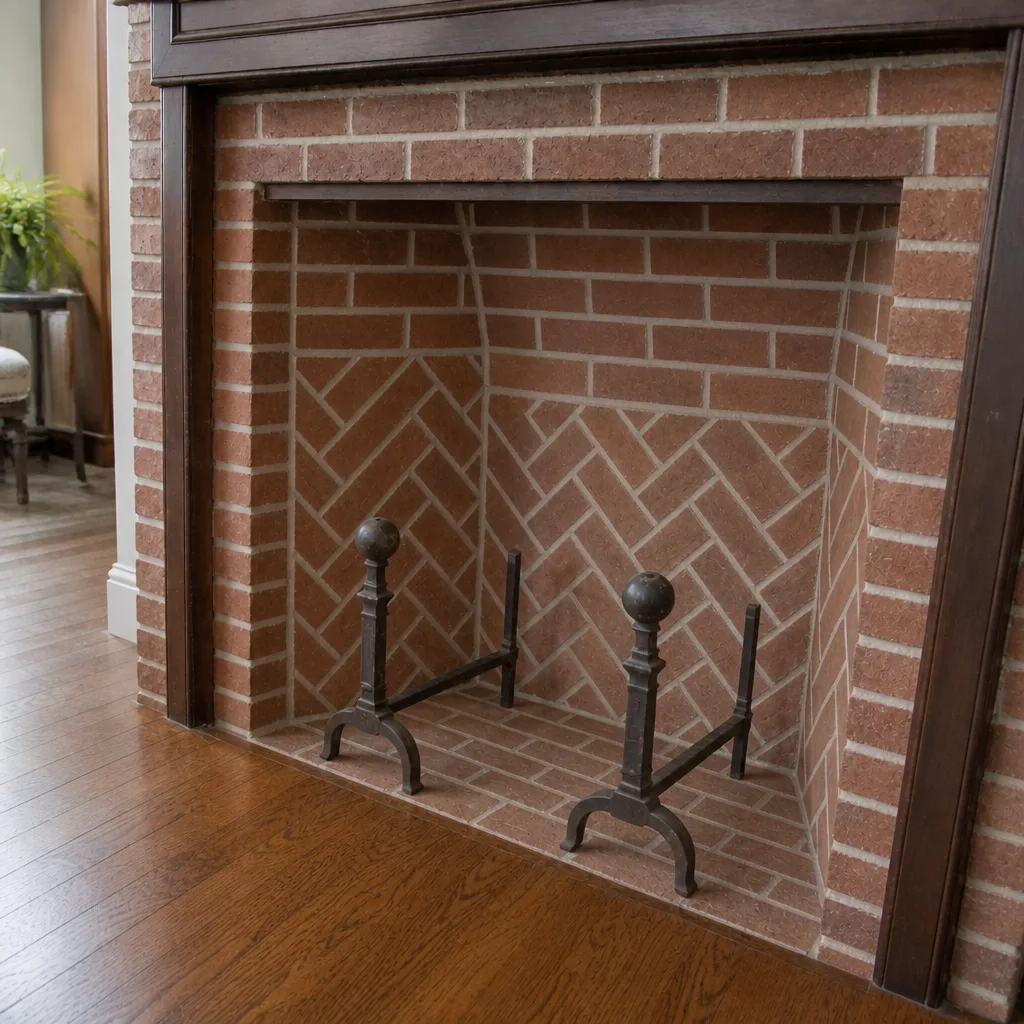
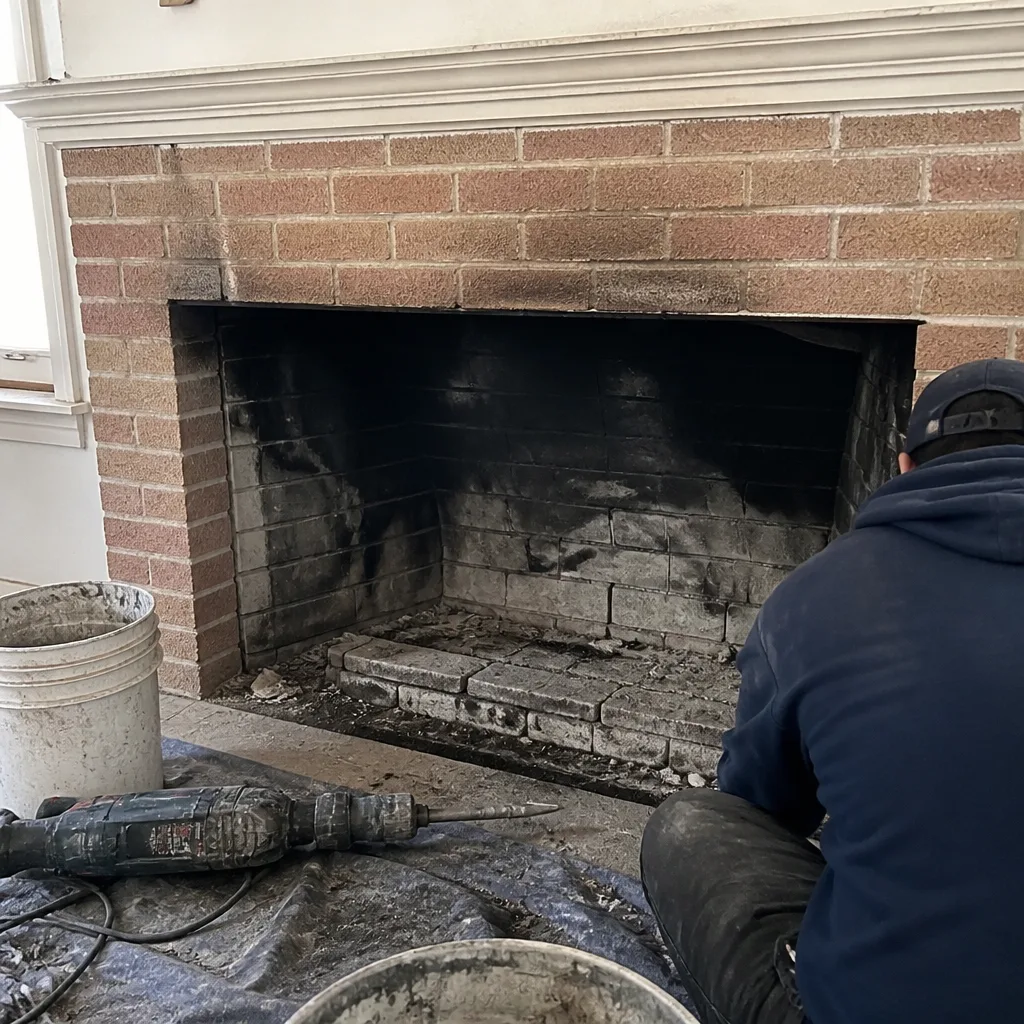
See the difference
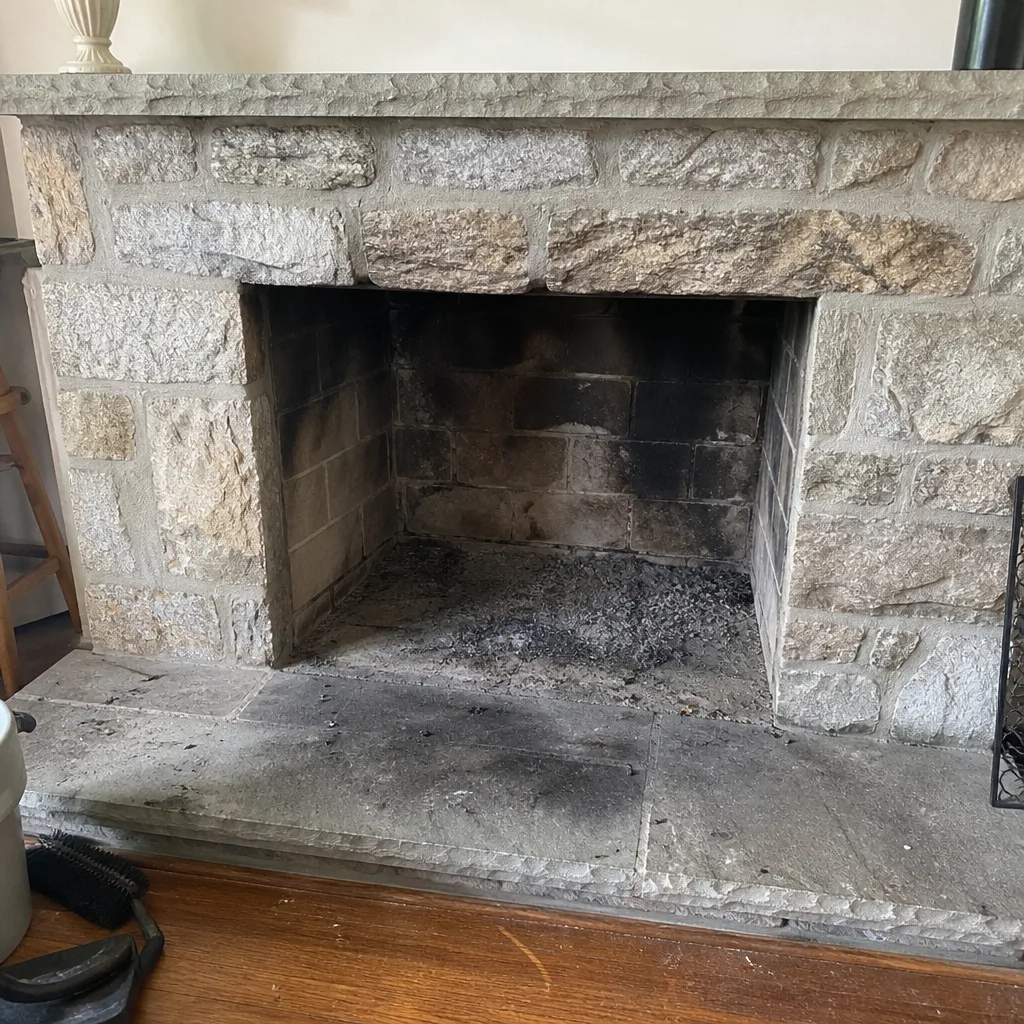 Before
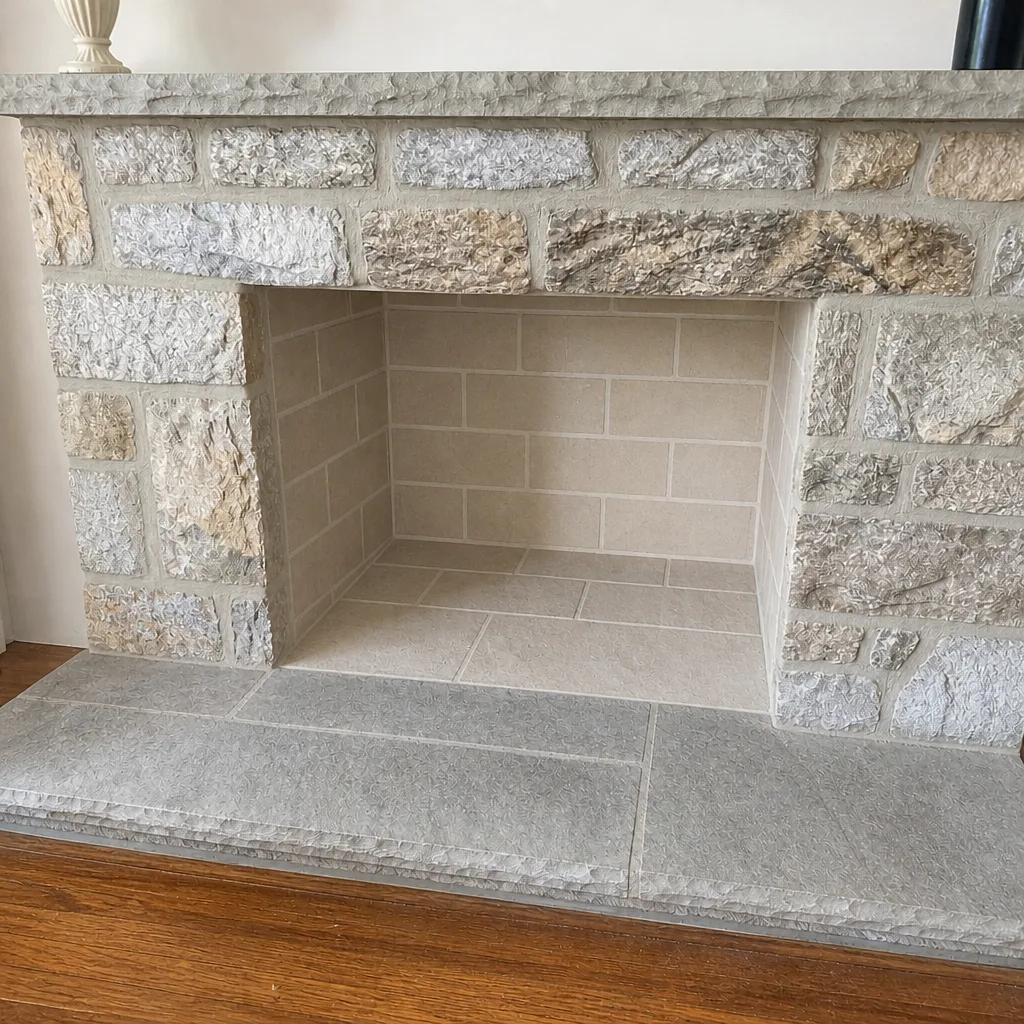 After
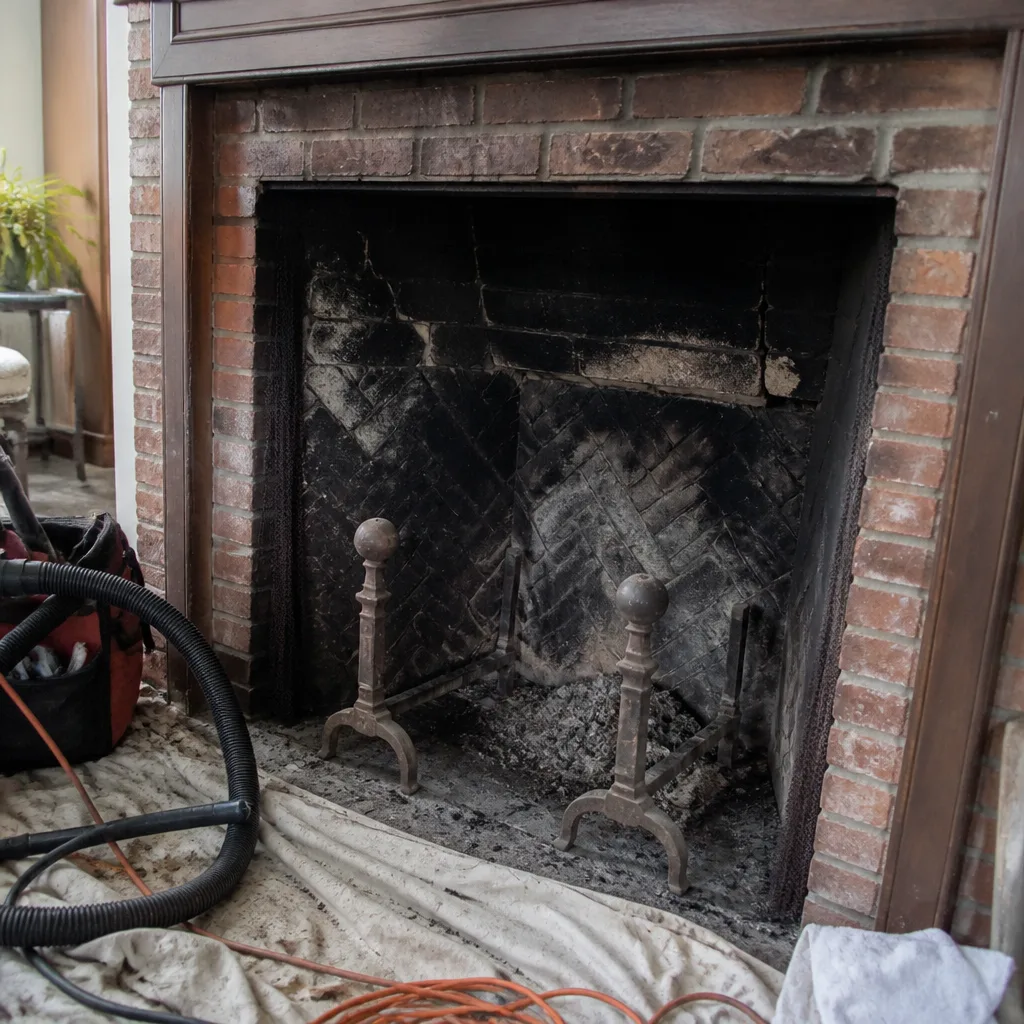 Before
 After
 Before
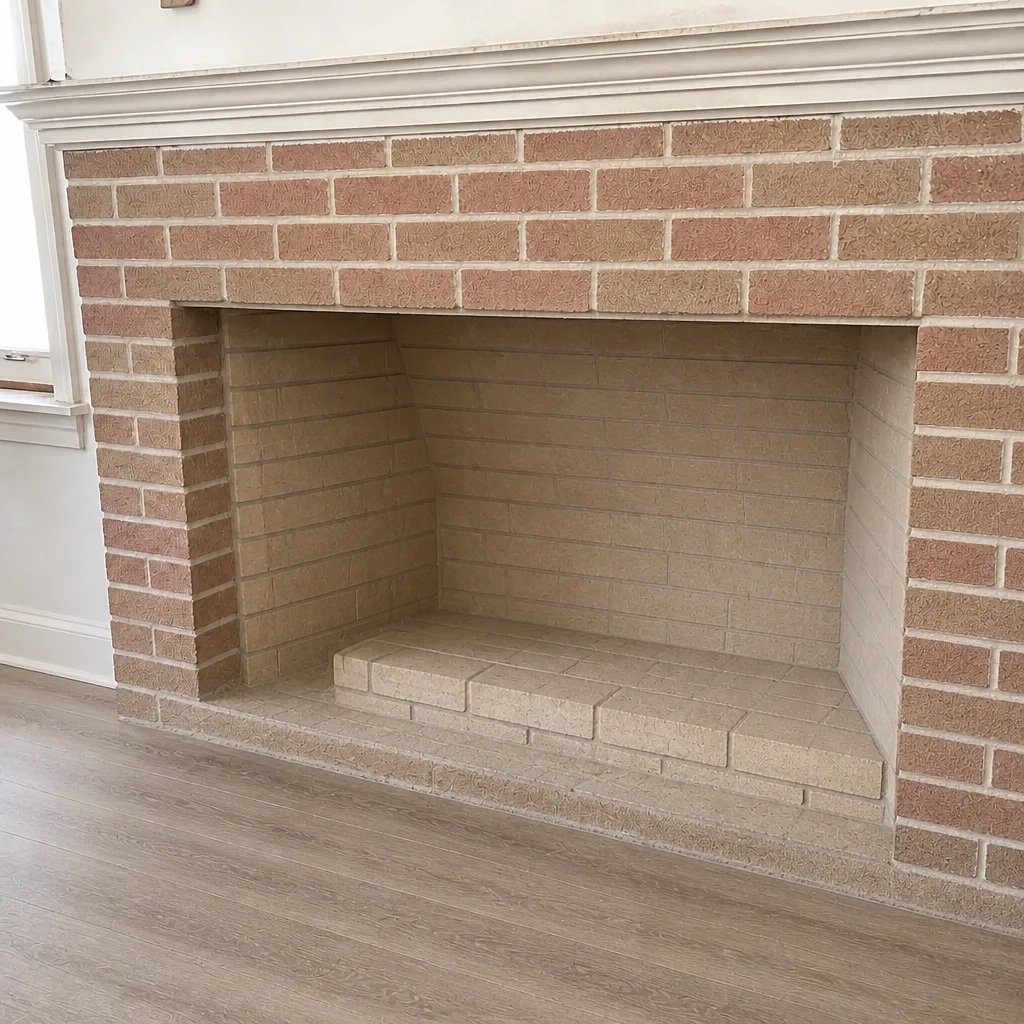 After
When to Call a Professional
Call a chimney professional if you’ve never had the chimney inspected, if you’ve moved into a Great Kills home where the fireplace history is unknown, if you smell creosote in the house when the fire isn’t lit, if the fire draws weakly or smokes into the room, if you see cracked or crumbling masonry on the exterior, or if you’ve had any chimney fire, small or large. Those last two are the ones people put off. If you’re buying or selling a home, a Level 2 inspection with photos is what the transaction needs, and it’s worth getting before the closing. Chimney Sweep Great Kills offers free estimates in Great Kills. Call (866) 937-8578. We answer 24/7. Fast dispatch from 7am to 7pm.
Frequently Asked Questions
Chimney cleaning in Great Kills is priced per job by the written estimate, and the number depends on the chimney type, the inspection level, and whether a repair is bundled. The estimate is free, and the written estimate sets the final price. Call (866) 937-8578 for an exact quote. Estimates are free.
Not always, and that’s important. A liner is recommended when the camera shows cracked or separated tiles, pitting, or joints that no longer seal. Sometimes the fix is HeatShield flue resurfacing rather than a full DuraFlex liner installation, which is a less invasive and less expensive repair for the right condition. You should see the camera footage before deciding. Call (866) 937-8578 and we’ll walk you through what the inspection shows.
Annually for most wood-burning chimneys, and more often if you burn heavily, burn unseasoned wood, or run the fire dampered down for long periods. A gas fireplace needs an annual inspection rather than a brush sweep. Call (866) 937-8578 to book the next one.
Creosote accumulates in the flue, and if it ignites the fire burns hotter than the liner can take, which can crack the liner and spread beyond the chimney. The quieter failure is water entering through a failed crown or uncapped flue and degrading the masonry over years. Neither is a reason to panic, but both are cheaper to prevent than to repair.
Yes. A pre-sale or pre-purchase review needs a Level 2 inspection with camera and a written report, which gives the buyer’s attorney and the insurer the documentation they’ll ask for. Photos are included with the report. Call (866) 937-8578 to schedule.
Often yes, if the cap or crown work is straightforward and the needed components are on hand. Larger crown rebuilds may be scheduled as a separate visit so the work is done properly rather than rushed. Our cap and crown work uses Gelco and Famco components specified for this climate. Call (866) 937-8578 to book an assessment.
A written record of the inspection level, the liner condition with photographs, the creosote degree before cleaning, damper operation, crown and cap condition, any blockages cleared, and recommendations each labeled urgent or monitor. If your sweep hands you anything less, ask for the report. Call (866) 937-8578 if you want a second look at a prior cleaning.
The Bottom Line
Chimney cleaning in Great Kills is a diagnostic process, not a brush-out. It starts with knowing what your chimney is (masonry, prefab, wood, gas) and continues with a sweep and an inspection on the same visit so the flue is clean and safe, not just clean. The report matters as much as the sweep. The crown and cap at the top of the system matter as much as the firebox at the bottom, especially on a house close enough to the water that weather does its work on the masonry every year. Sequence the work correctly: clean, inspect, decide what’s urgent and what can wait, then repair before it becomes a rebuild. One call covers the whole chimney, from firebox to cap. If something on this page describes your situation, call (866) 937-8578 for a free estimate. We answer 24/7. Fast dispatch from 7am to 7pm, Sunday through Friday.
Written by the team at Chimney Sweep Great Kills.