
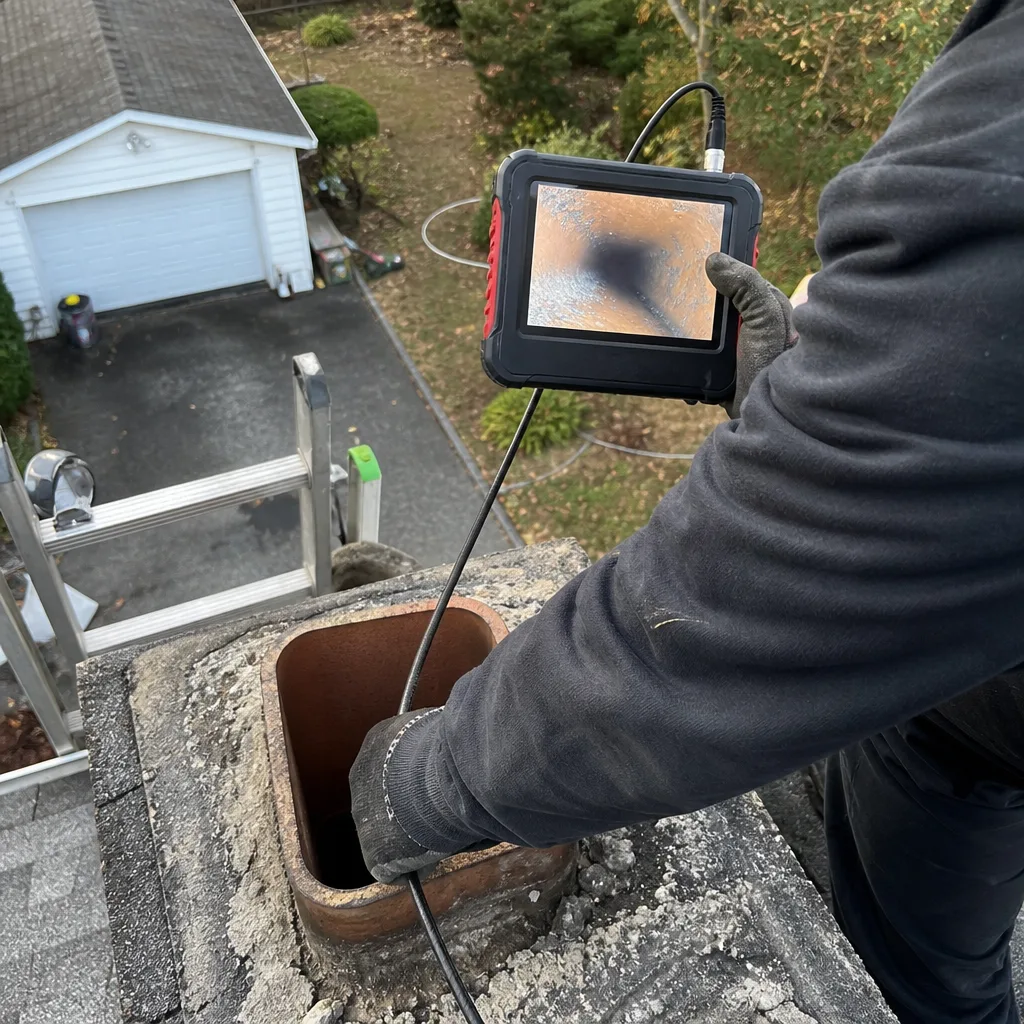
 Sweep & inspection
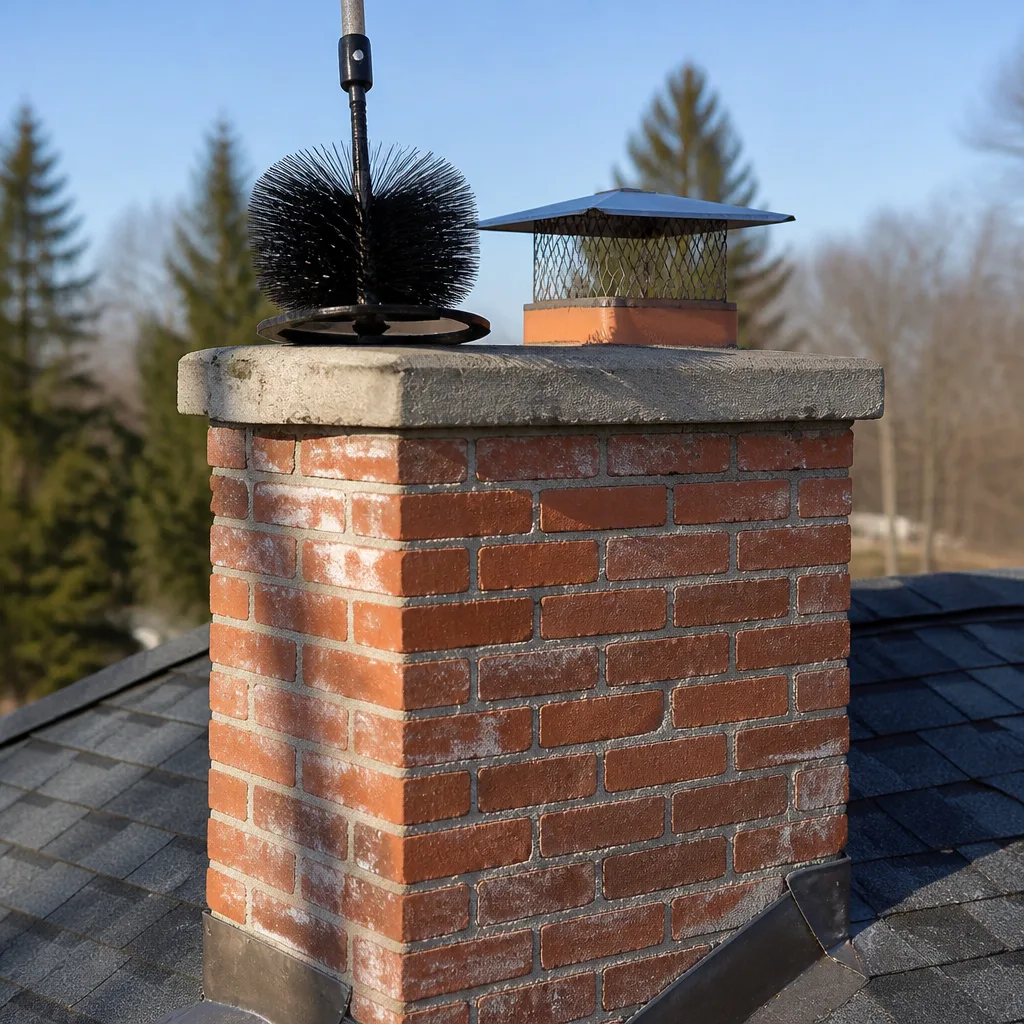
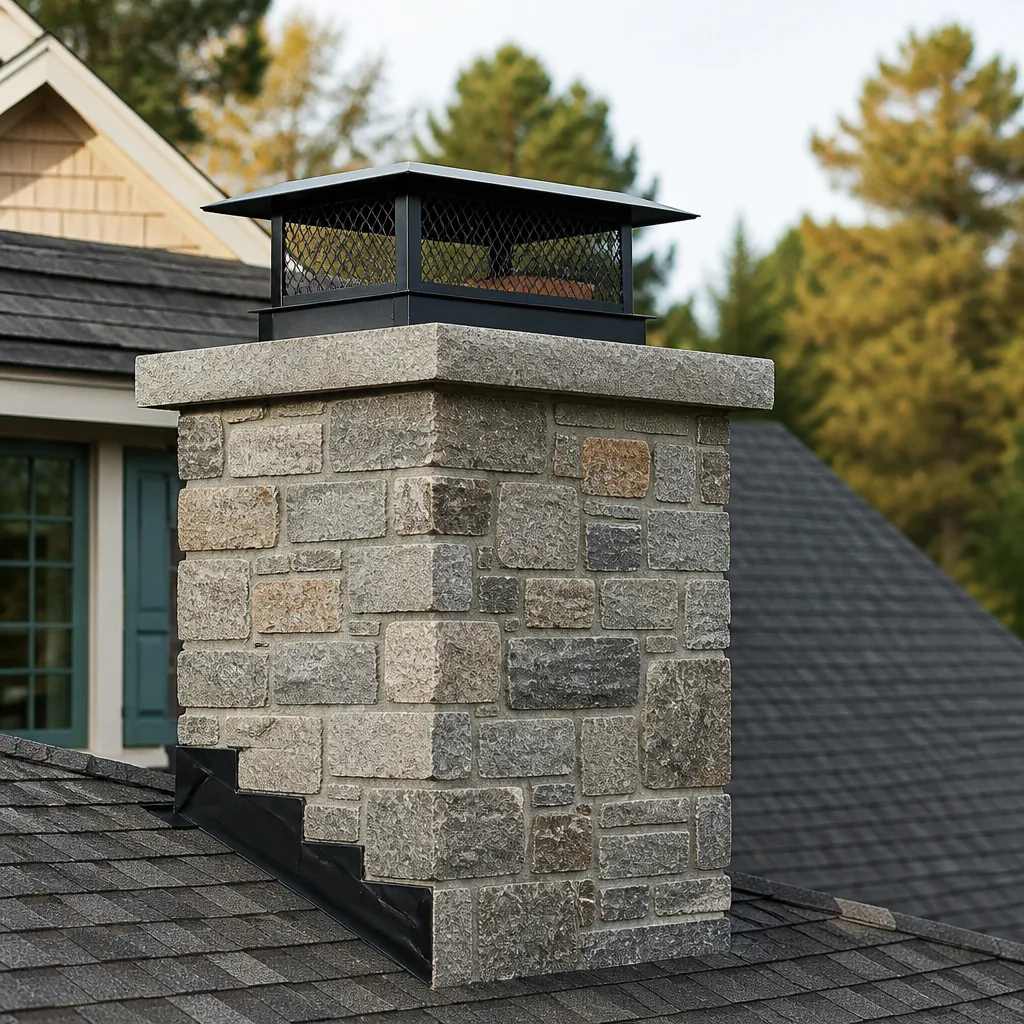 Caps & crowns
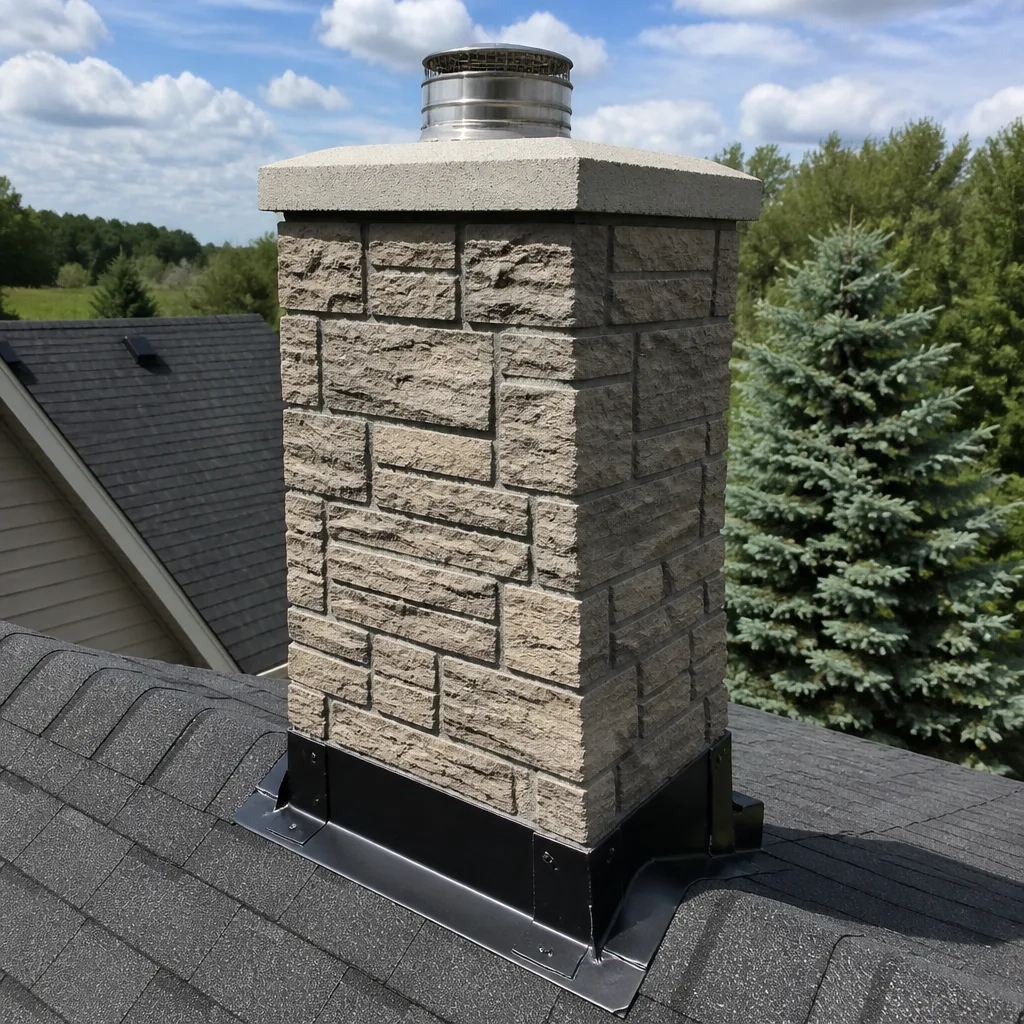 Flue relining
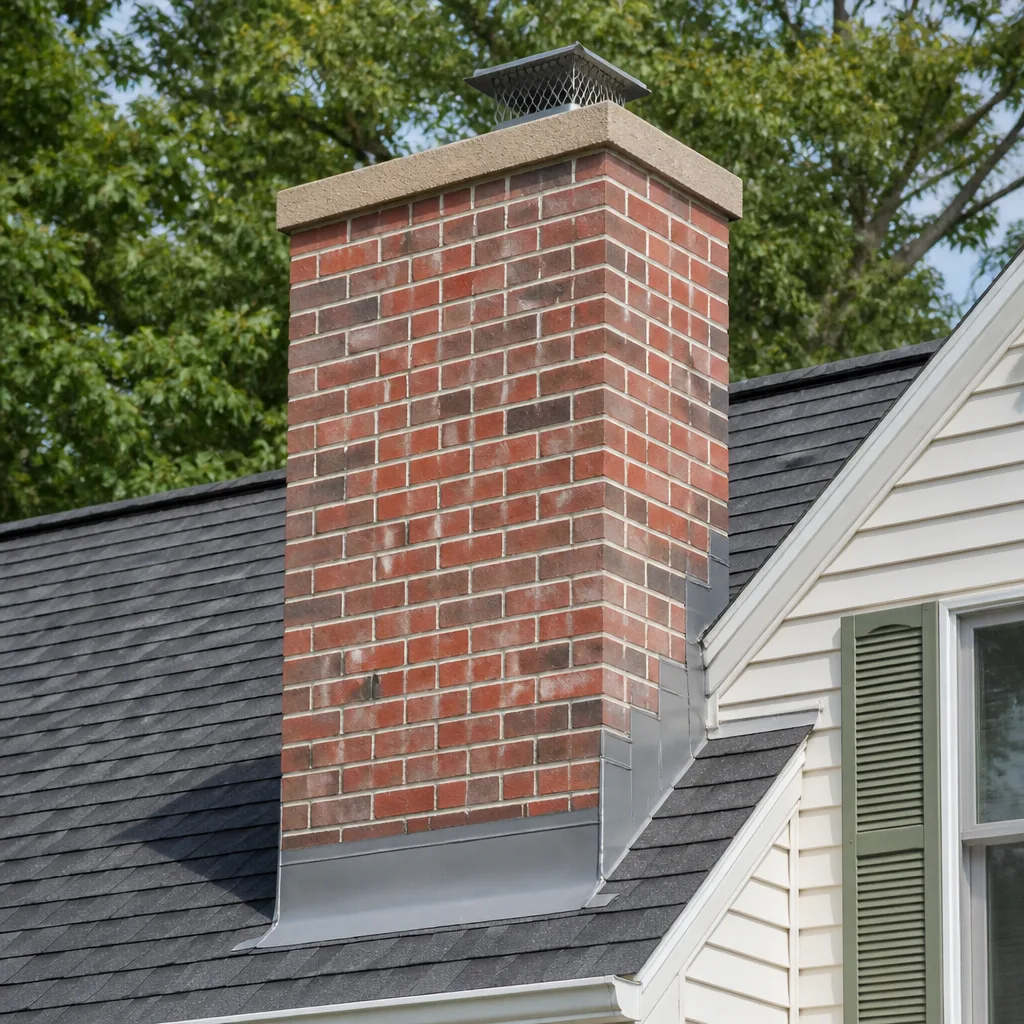 Masonry repair
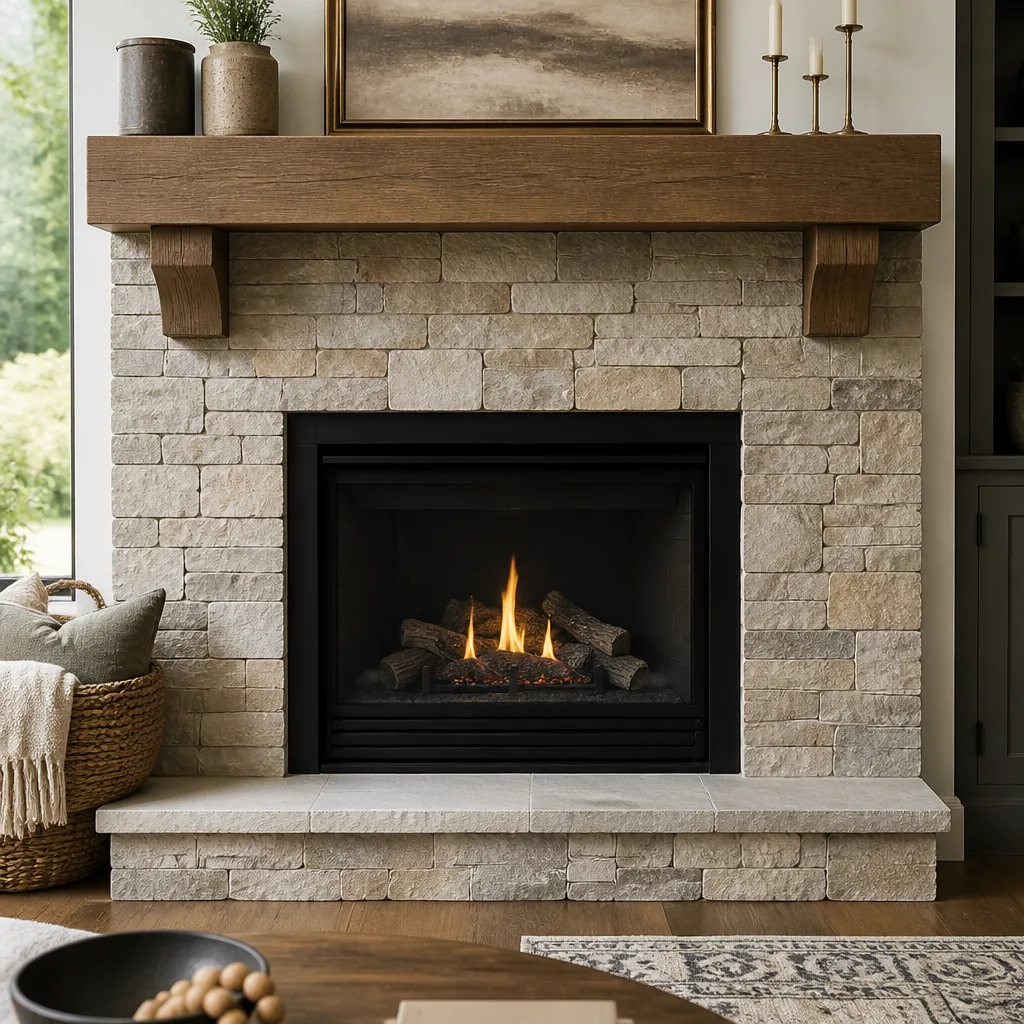 Gas fireplace service
Level 1 sweep and inspection to the NFPA 211 annual standard - flue, crown, cap, and flashing checked and photographed
Chimney sweep logs do not sweep chimneys. They loosen some creosote - which then falls where a brush and vacuum still have to collect it.
Fast, Reliable Chimney Inspection Across Port Richmond
If you own a rowhouse or an older frame house in Port Richmond, a chimney inspection is the one appointment that tells you what’s actually going on inside your flue before you light another fire. We handle chimney inspection across Port Richmond with a plan built for the neighborhood’s housing: dense attached blocks, shared stacks, and chimneys that have been taking salt air off the Kill van Kull for a century. Call (866) 937-8578 and we’ll book a free estimate. We answer 24/7. Fast dispatch from 7am to 7pm, Sunday through Friday.
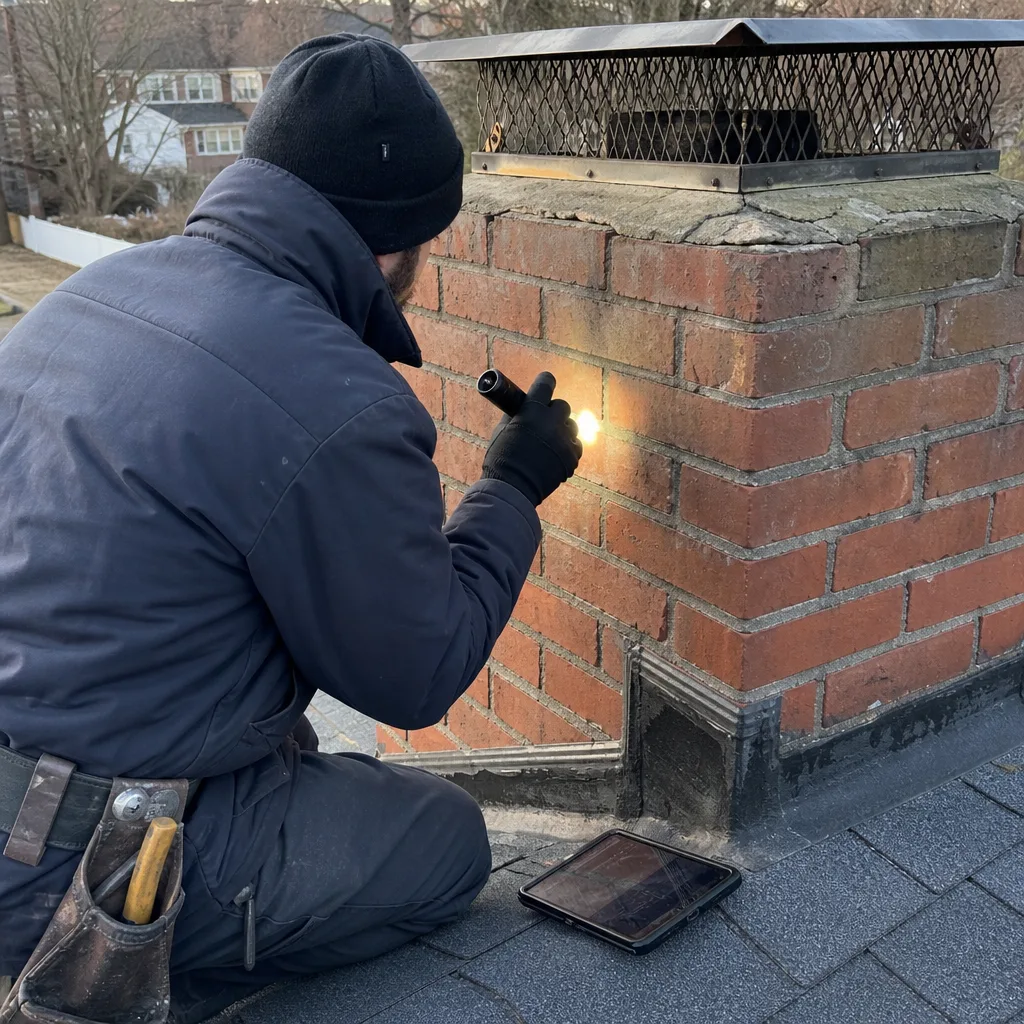
Why Port Richmond Homeowners Call Chimney Sweep Great Kills for Chimney Inspection
Port Richmond rewards an inspector who knows what to look for on these blocks. Our technicians have up to 10 years of experience, and on the North Shore that experience gets tested by attached housing where one stack serves two households. When you call us for a chimney inspection, you get the same approach every time: inspect first, recommend second. We look at the flue with a camera, check the crown, cap and flashing, then show you what we found before we say a word about repair.
We’re also the one contractor here who covers the whole chimney, from firebox floor to cap, so an inspection and any liner work that follows stay in one set of hands. We serve Port Richmond along with the rest of the North Shore, and we know the difference between a chimney facing the water and one sitting three blocks inland. That difference changes what we check first.
Styles & brands we work with
- Sweep & inspection
- Caps & crowns
- Flue relining
- Masonry repair
- Gas fireplace service
Our Chimney Inspection Services in Port Richmond
Not every Port Richmond chimney needs the same level of inspection. We match the level to the house, the flue, and what you’re trying to find out. Here’s how our four main inspection types work.
Level 1 Inspection
A Level 1 inspection covers the readily accessible parts of the chimney: the firebox, damper, visible flue, cap, and crown. It’s the right call when you’ve been burning normally and just want an annual check before the heating season. For a Port Richmond rowhouse with no known problems, this is often the starting point, and we’ll tell you plainly if it turns up something that needs a closer look.
Level 2 Inspection
A Level 2 inspection goes further, running a camera through the flue and checking the parts of the chimney you can’t see from the hearth. In Port Richmond we lean on Level 2 far more than a generic inspection page would suggest, because the older brick and clay tile flues here hide cracks, gaps and failed parging that a quick look never catches. This is also the level you want for a real estate transaction, after a chimney fire, or any time the flue has changed.
Level 3 Inspection
A Level 3 inspection is the deepest level, used when the other two can’t answer the question and part of the chimney has to be opened up to see the problem. It’s uncommon, but on a Port Richmond chimney with suspected hidden damage behind the masonry, it’s the honest way to find out. We don’t recommend it lightly, and only after explaining exactly why.
Camera Inspection
A camera inspection puts eyes on the inside of the flue: the clay tile joints, the parged surface, the creosote, and any breach in the liner. On the salt-facing side of an older Port Richmond chimney, that’s how we confirm whether a mortar joint or parged liner has failed where you’d never see it from the roof. The findings come with a photo record so you can see what we saw.
Trusted Brands We Service in Port Richmond
When an inspection turns up a liner or cap problem, we work with professional-grade chimney materials rather than whatever a generalist happens to carry. That means HeatShield for resurfacing a compromised flue, DuraFlex for flexible stainless relining, and Famco and Copperfield for caps and components that stand up to North Shore weather. If your existing system is one of these, we know it. If it isn’t, we’ll tell you what it is and what it needs. Fast turnaround, clear answers, no parts-stock promises we can’t keep.
See the difference
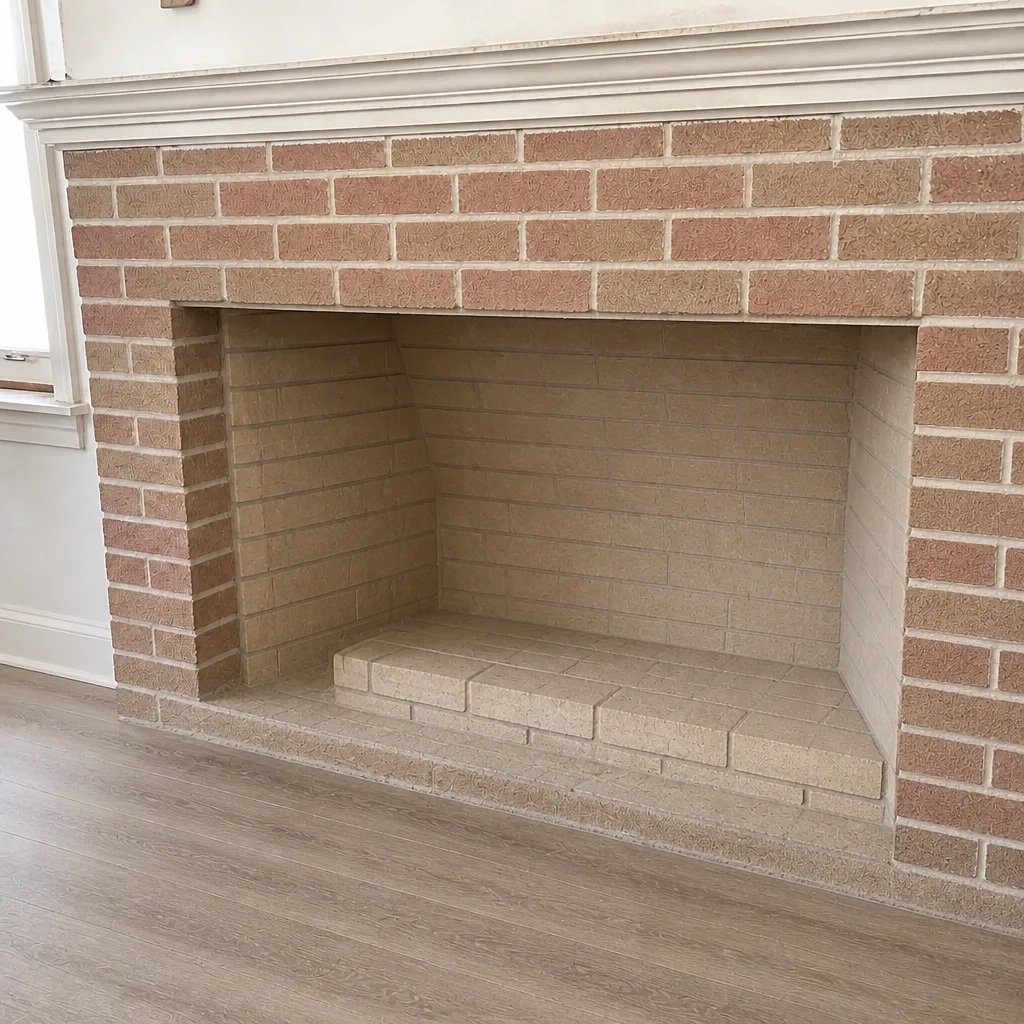
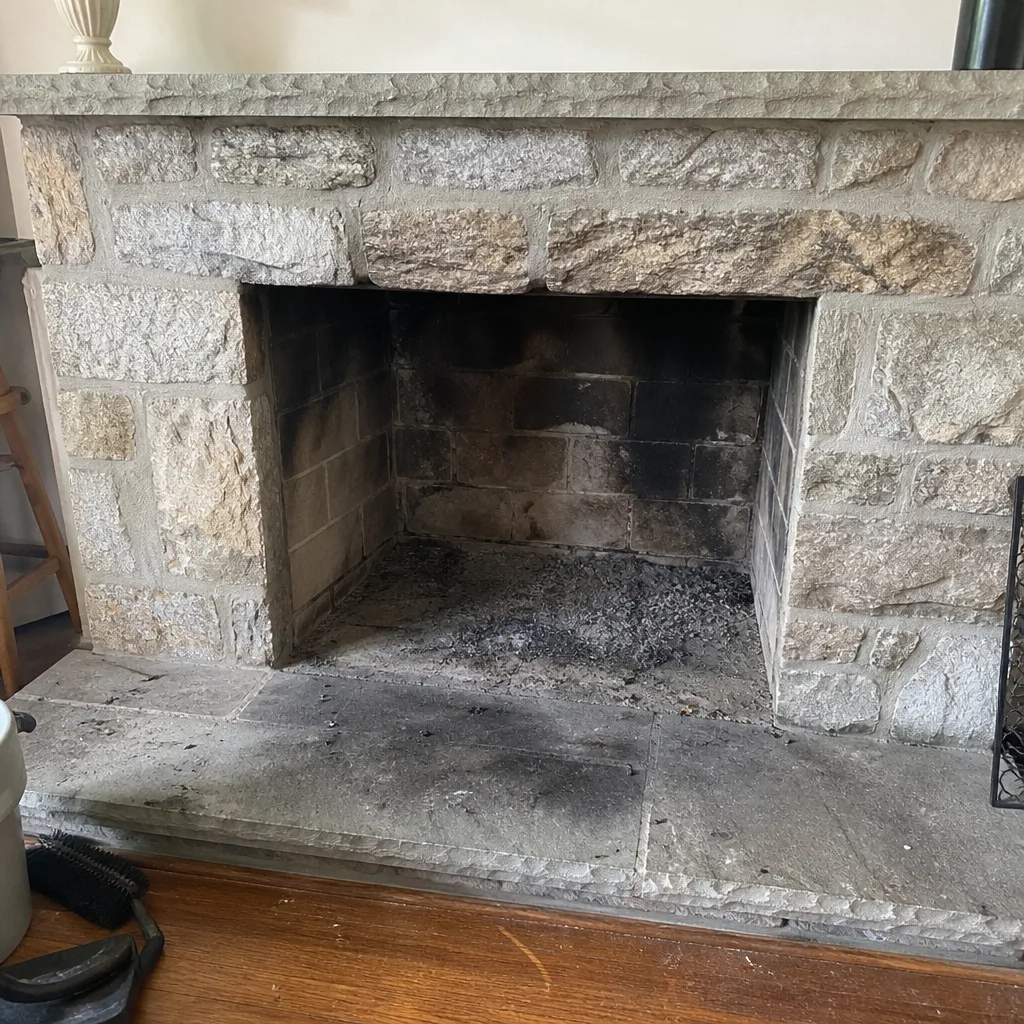 Before
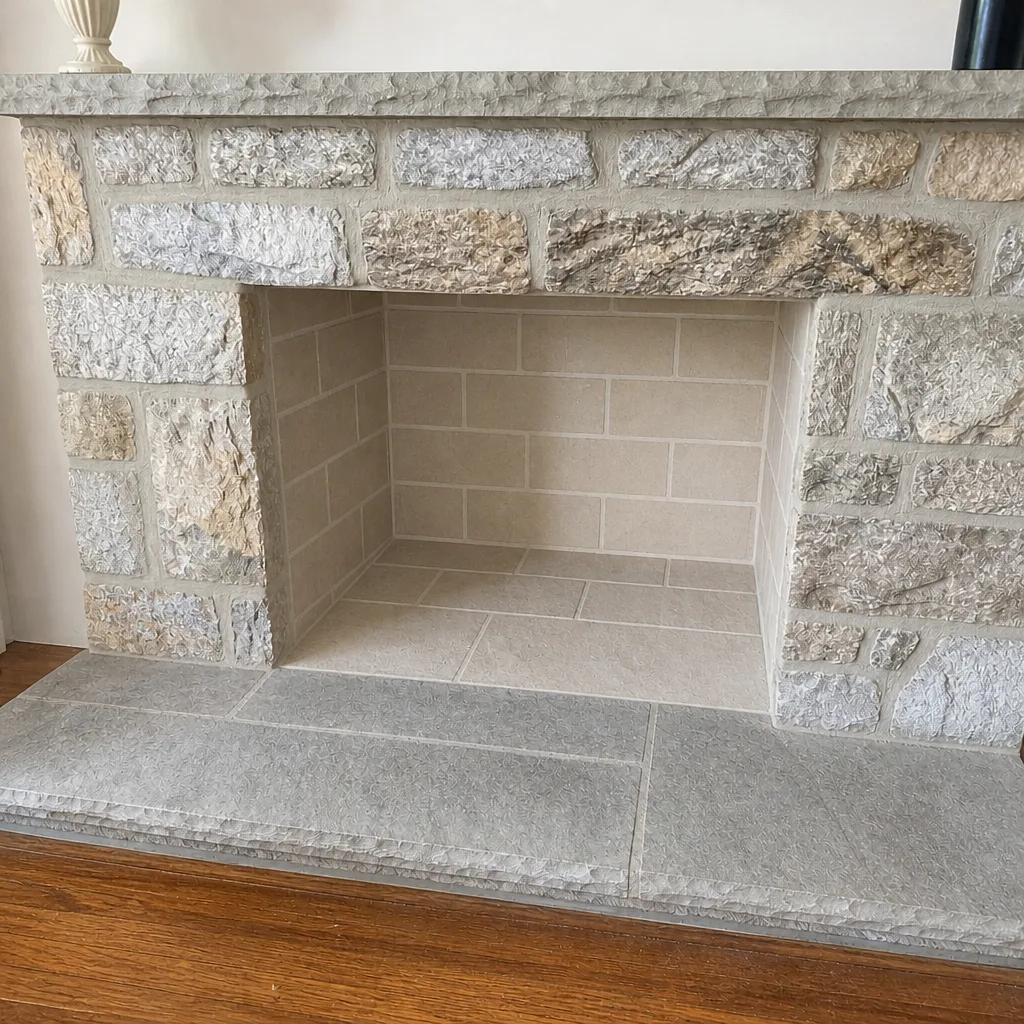 After
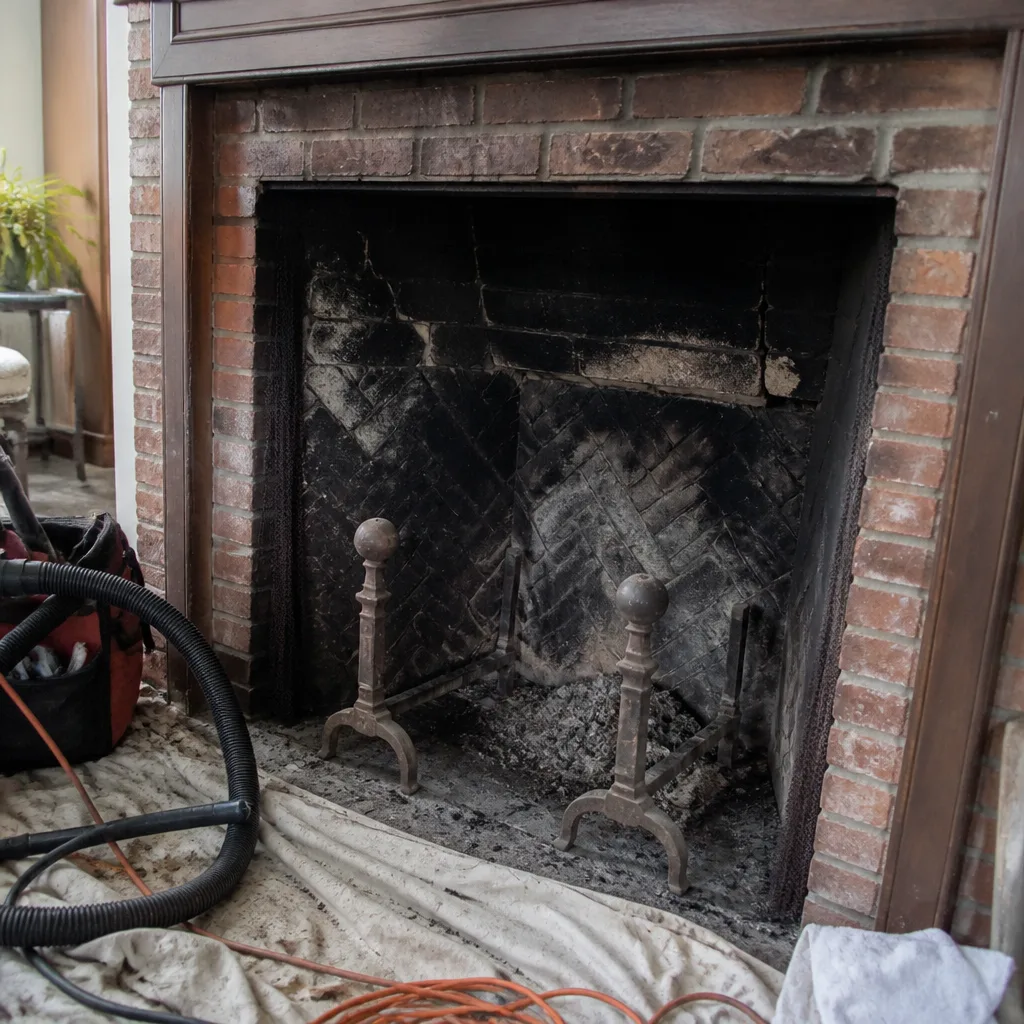 Before
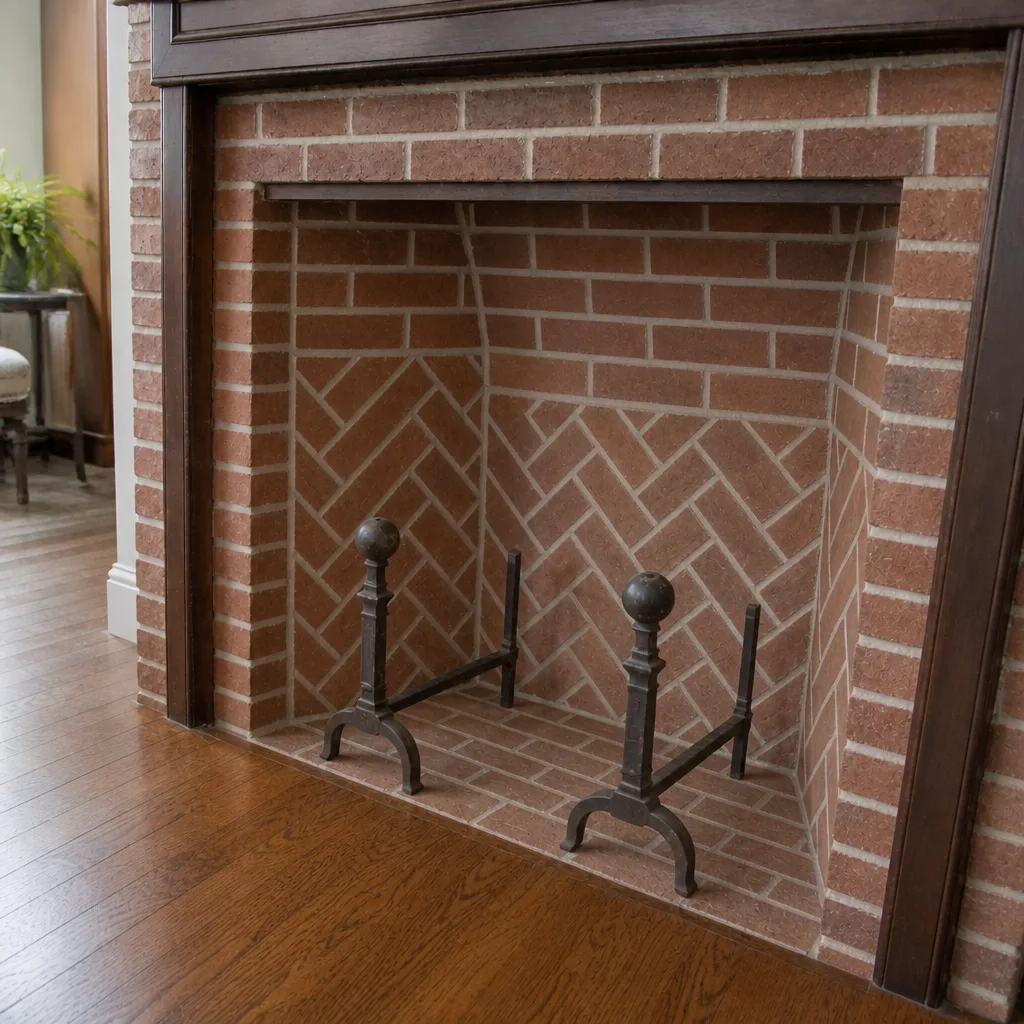 After
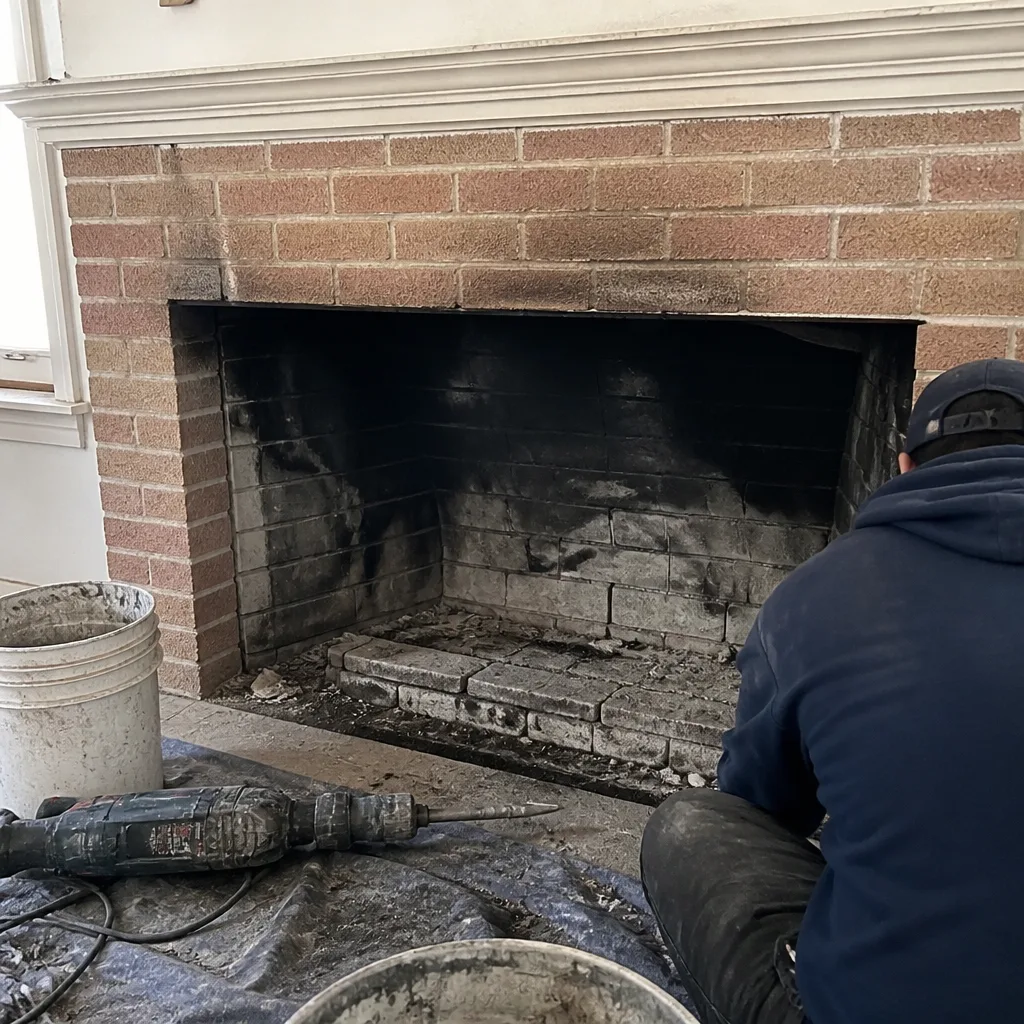 Before
 After
Common Chimney Inspection Problems We See in Port Richmond Homes
The issues below show up again and again on Port Richmond’s older blocks. None of them are rare here, and all of them can be found with the right inspection.
- Shared and abutting flues in attached rowhouses. On dense Port Richmond blocks, two households can share or abut flues within one stack, and one unit’s boiler or water heater may vent into a stack the other owner thinks is exclusively theirs. That masks draft and spillage problems until an inspection traces each flue separately.
- Spalled brick and eroded mortar on the windward face. Chimneys on the streets running down toward the Kill van Kull take salt-laden air on the windward side, which spalls brick faces and eats mortar joints faster than you’ll see three blocks inland. We check the upstream side first for exactly that reason.
- Cracked clay tile liners on single-wythe chimneys. The original clay tile liners in these 1880s – 1930s homes crack under repeated freeze-thaw cycles. Creosote works into the gaps, and a standard brush can’t reach it without a proper Level 2 evaluation.
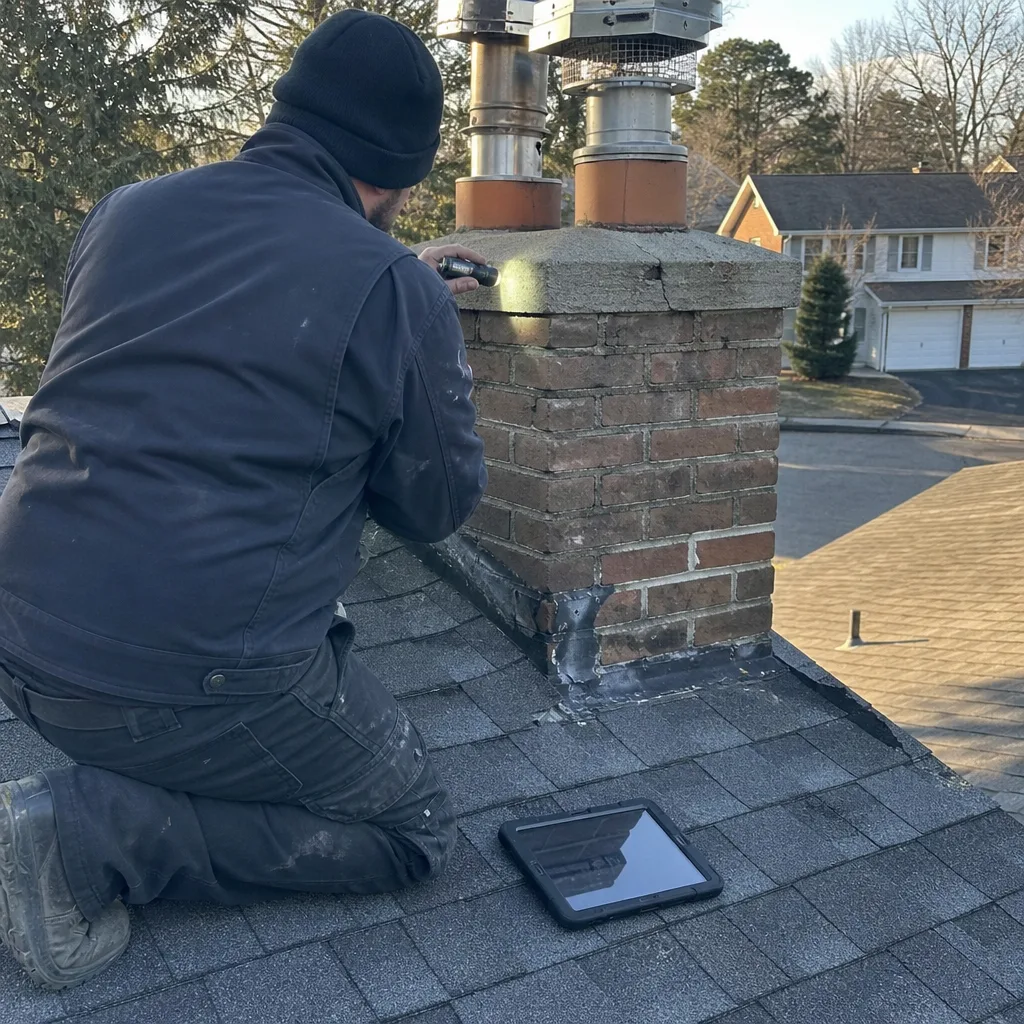
- Crown, cap and flashing failures on flat and low-pitch roofs. The commercial spine along Port Richmond Avenue runs on flat and low-pitch roofs, and those roofs create distinct flashing and crown-sealing issues. Water intrusion at the top is one of the most common things a Port Richmond inspection catches.
Pricing for Chimney Inspection in Port Richmond, NY
What an inspection costs depends on the level and what your chimney needs, but the ranges below reflect typical Port Richmond estimates. A Level 1 runs about $125 – $225. A Level 2 with a camera check of the flue typically runs $225 – $425, and a Level 3 that requires opening up the chimney is priced higher after we’ve seen the layout. Caps and crowns, if the inspection finds they need work, are quoted separately. Every price is an estimate until the written estimate sets the final number, and the estimate itself is free. We work with the local professionals we connect you with, each licensed and insured as their state requires, so the quote you get is the quote you agree to.
| Service | Typical Port Richmond Estimate |
|---|---|
| Level 1 inspection | $125 – $225 |
| Level 2 inspection with camera | $225 – $425 |
| Level 3 inspection | Quoted after on-site review |
| Camera inspection only | $175 – $325 |
| Crown or cap work (if needed) | Quoted separately |
Call (866) 937-8578 for an exact quote. Estimates are free.
We Also Serve Cities Near Port Richmond
Port Richmond sits in the middle of a stretch of the North Shore we know well. If you’re just outside the neighborhood, we also serve West Brighton, Mariners Harbor, New Springville, and Westerleigh. The same shared-stack and salt-air problems travel across those lines, so the inspection plan doesn’t change much from block to block.
Serving Port Richmond, NY – Our Local Coverage Area
We serve Port Richmond and nearby communities. Use the map below to see the area we cover. If you’re nearby, we can almost certainly help.
FAQs – Chimney Inspection in Port Richmond
Short answer: it can only be confirmed by tracing each flue separately with a camera, not by assumption. In a shared or abutting stack, the flue your appliance connects to may not be the one you think, and one unit’s boiler or water heater can vent into a stack the other owner believes is theirs alone. That’s exactly why a Level 2 inspection runs a camera through each flue on its own and checks crown, cap and flashing as part of the picture. Call (866) 937-8578 for a free estimate.
Because the windward side takes the salt air first. Chimneys facing the Kill van Kull get moist, salt-laden wind on one face, and that accelerates mortar erosion and brick spalling on that side while the leeward face stays comparatively intact. We check the upstream side of every chimney before anything else. Call (866) 937-8578 and we’ll look at yours.
Yes. A camera inspection can evaluate a clay tile liner and pinpoint the failed section rather than the whole stack. Where the tile is compromised but the structure is sound, resurfacing with HeatShield can repair the flue without a full tear-out, which is often the more sensible path than relining everything. We only recommend relining the flue that’s actually failed, not the ones that are fine. Call (866) 937-8578 for an inspection.
For an 1880s – 1930s Port Richmond rowhouse with original clay tile liners, a Level 2 is usually the right call. A Level 1 covers what’s readily accessible, but it can’t see the cracks and gaps that hide inside aged clay tile and failed parging. If you’ve had a chimney fire, are buying or selling the house, or notice spillage in the wrong unit, Level 2 is the honest starting point. Call (866) 937-8578 to book one.
It tells you how urgent a sweep and inspection are. First-degree creosote is the light, flaky soot a standard sweep removes. Third-degree is the glazed, hardened buildup that a brush can’t lift and that a camera inspection has to evaluate carefully, because glazed creosote in the gaps of a cracked liner can’t be reached without the right approach. We report the degree we find and recommend accordingly. Call (866) 937-8578 for a free estimate.
Port Richmond’s chimney problems are specific, and so is our inspection plan: a Level 2 camera check of each flue, a crown and flashing review, and a look at the salt-facing brick first. If something can safely wait, we’ll tell you. If it can’t, we’ll show you why with photos you can see for yourself. Call (866) 937-8578 for a free estimate. We answer 24/7. Fast dispatch from 7am to 7pm, Sunday through Friday.
Written by the team at Chimney Sweep Great Kills.