
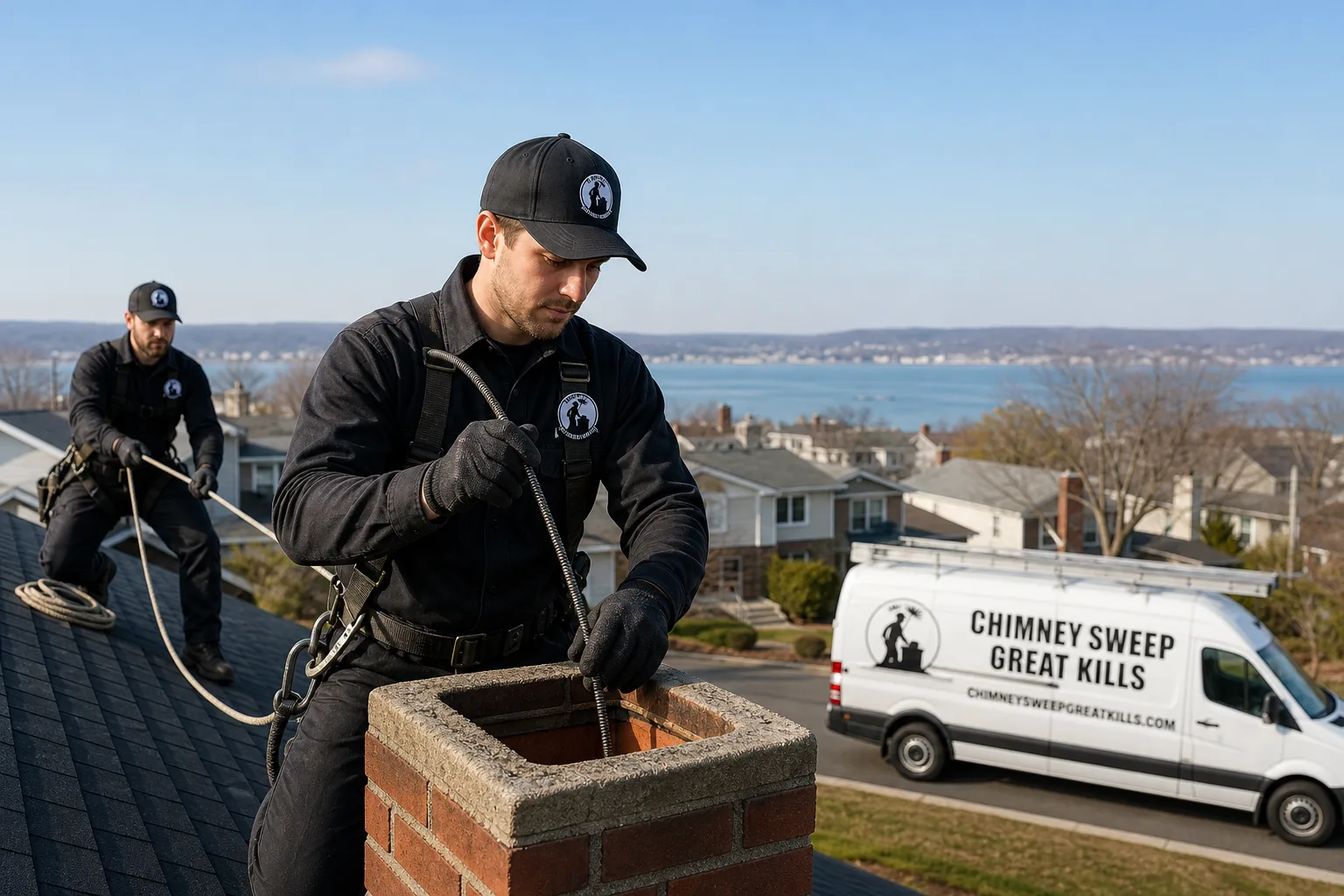
 Sweep & inspection
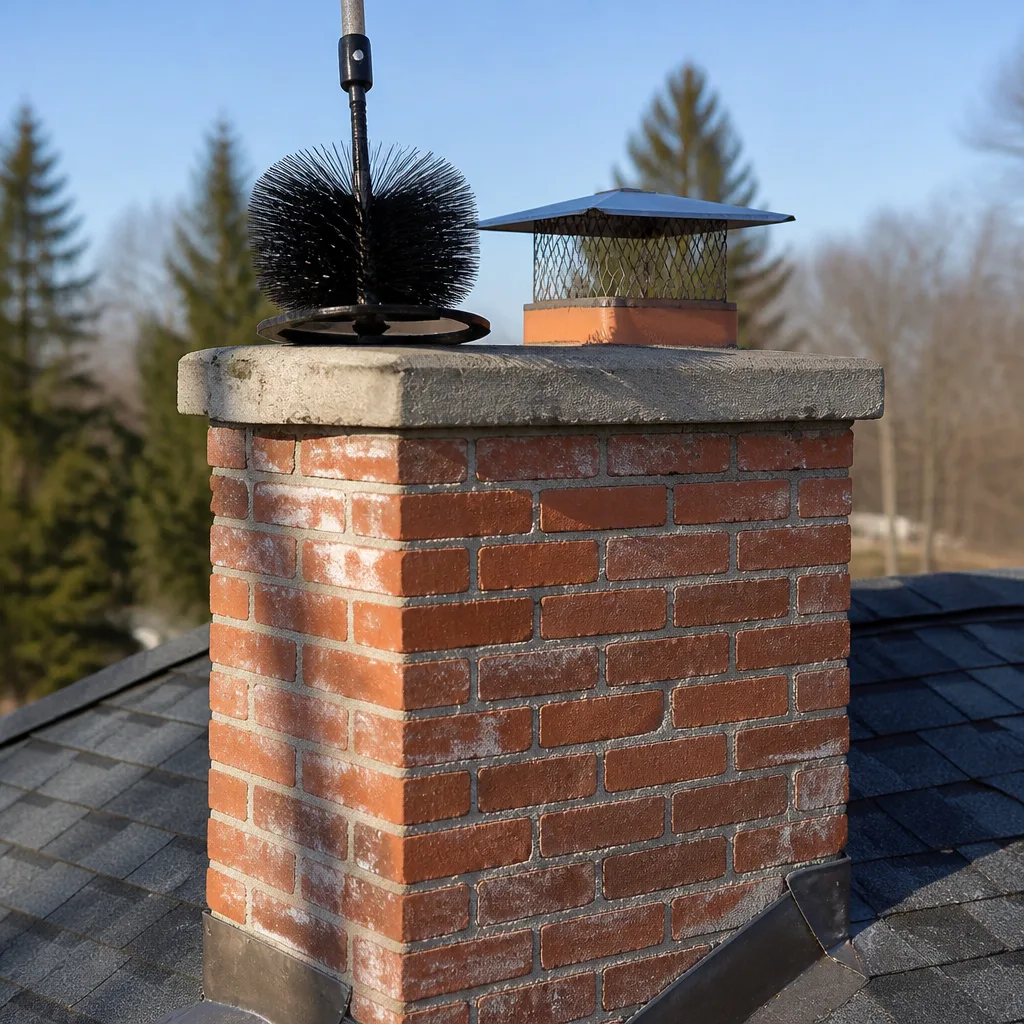
 Caps & crowns
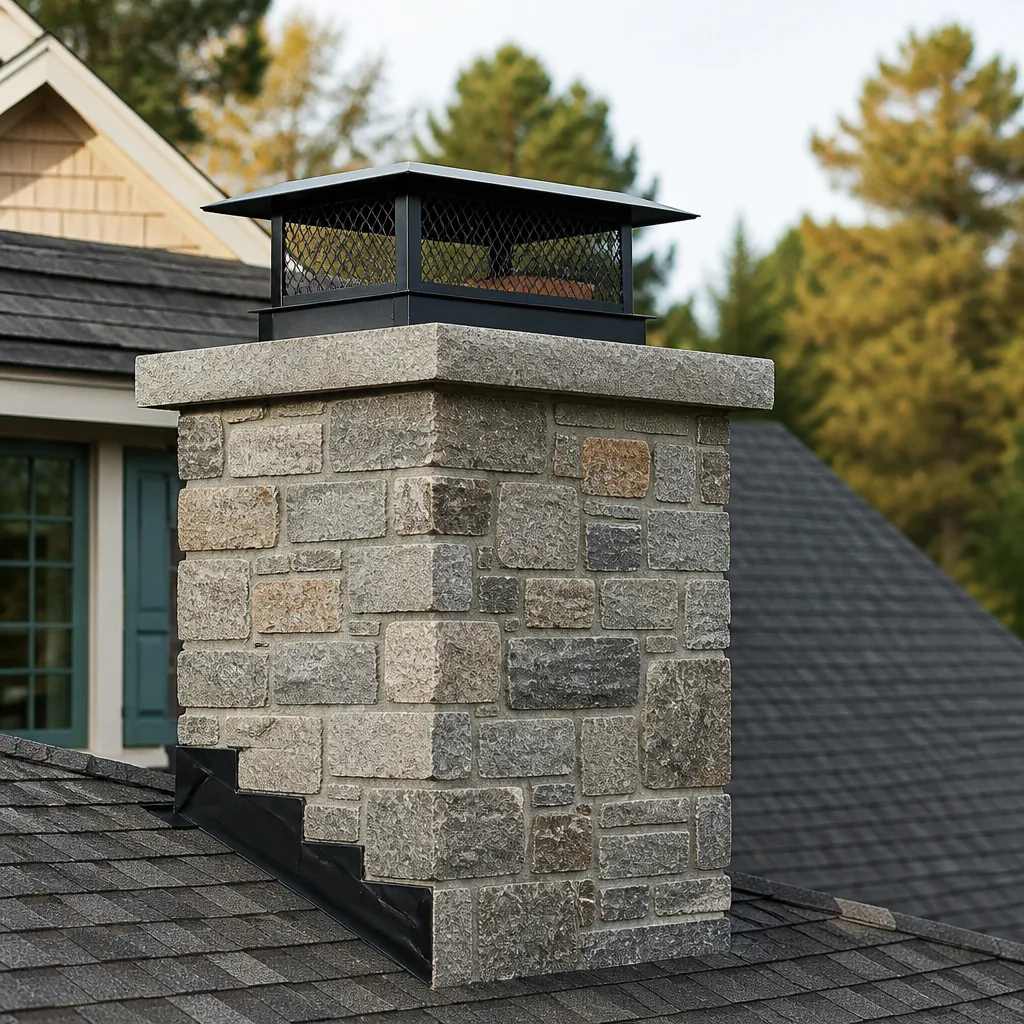
 Flue relining
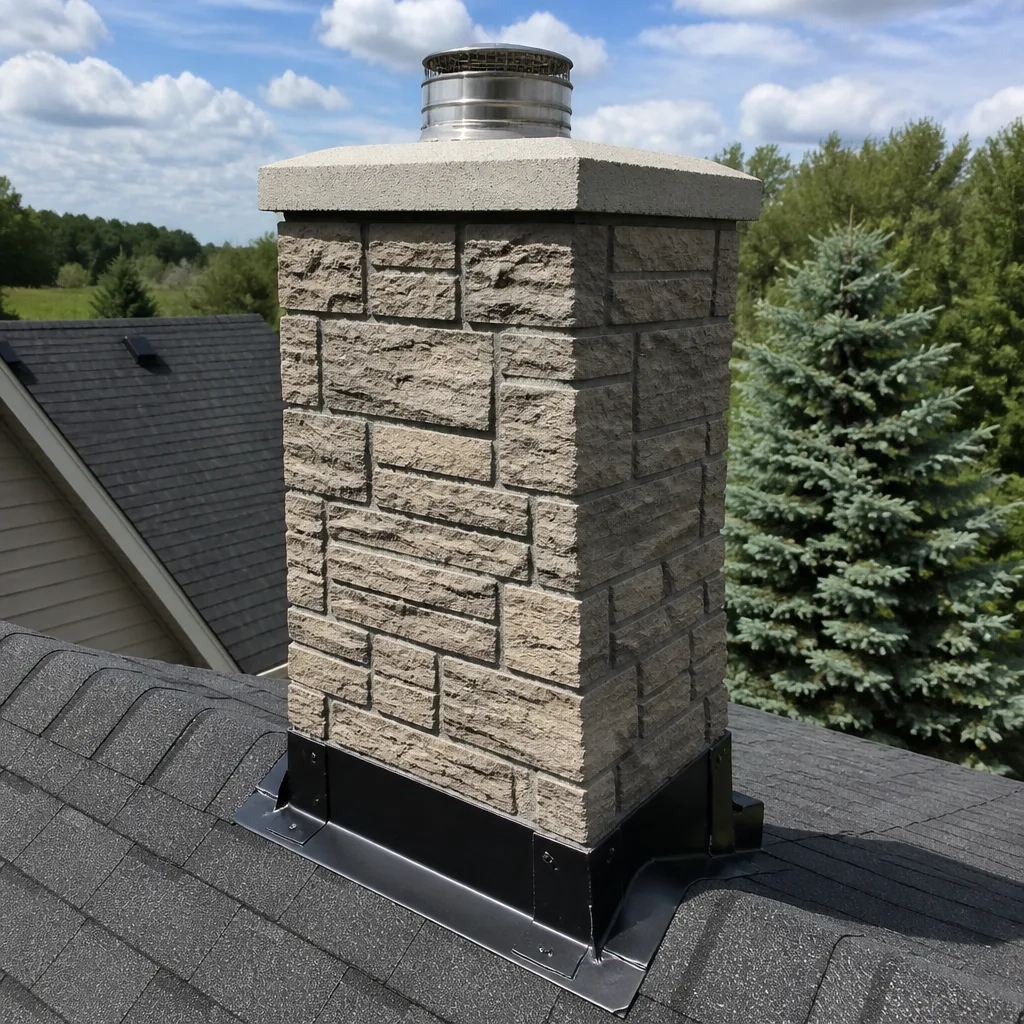
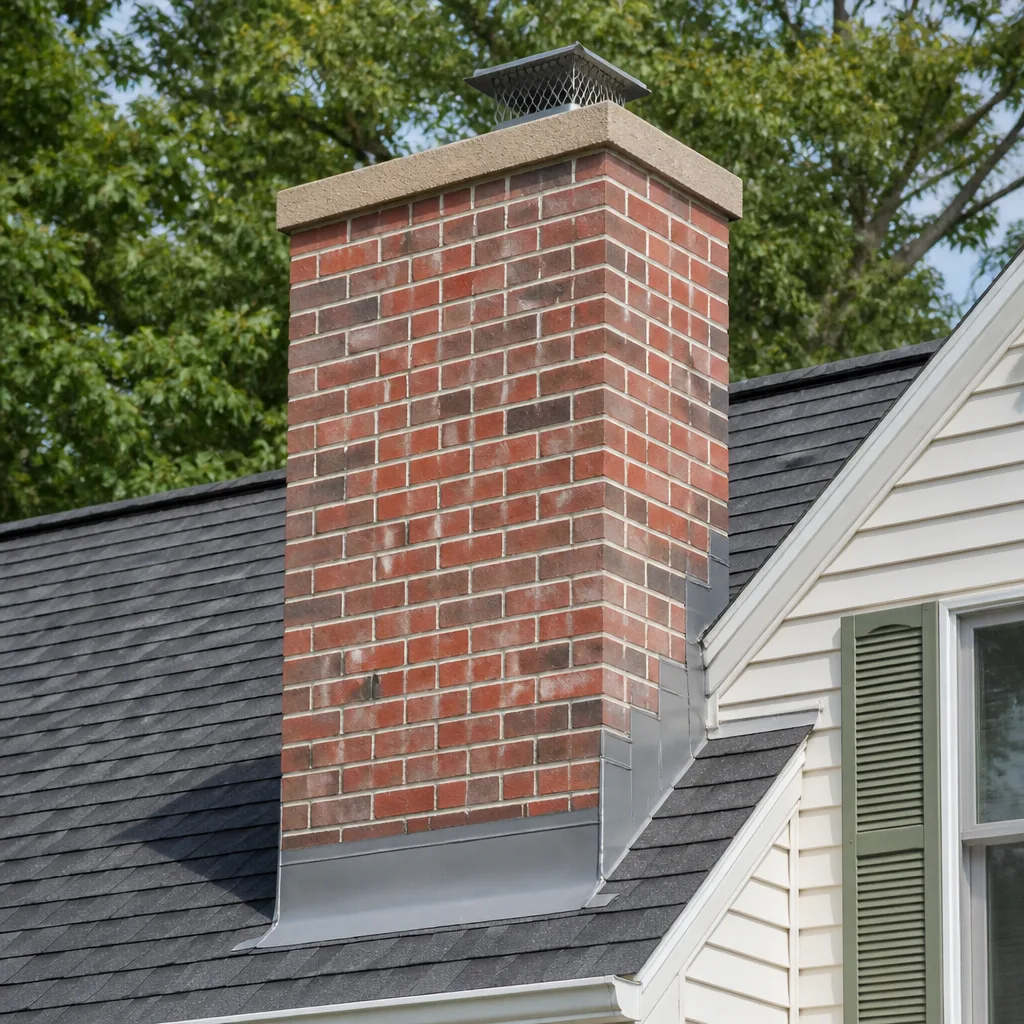 Masonry repair
 Gas fireplace service
Level 1 sweep and inspection to the NFPA 211 annual standard - flue, crown, cap, and flashing checked and photographed
Chimney sweep logs do not sweep chimneys. They loosen some creosote - which then falls where a brush and vacuum still have to collect it.
Trusted Chimney Repair for Great Kills Homeowners
Water gets into a chimney long before you notice anything inside the house. By the time a stain shows on the ceiling or a brick face crumbles onto the roof, the mortar behind it has usually been taking on water for seasons. That’s the problem chimney repair in Great Kills solves: finding the failed joint, flashing or crown and fixing it before a small repair becomes a rebuild. Our technicians have up to 10 years of experience, we inspect first and recommend second, and we work with professional-grade materials from brands like HeatShield, DuraFlex and Famco. Call (866) 937-8578. We answer 24/7.
Key Takeaways
- Chimney repair in Great Kills starts with an inspection, so nothing is recommended without evidence you can see.
- We handle mortar repointing, spalling brick, waterproofing, flashing and full rebuilds as one contractor, from firebox to cap.
- HeatShield resurfacing and DuraFlex relining let us fix a failing flue without tearing out the whole chimney when the structure allows it.
- Estimates are free and the written estimate sets the final price.
What Our Chimney Repair Service Includes
Chimney damage rarely happens in one place. A cracked crown lets water into the brickwork, the flashing pulls away from the roofline, and the mortar joints above the roofline erode from freeze-thaw cycles that hit hard in Staten Island winters. We treat those as one system, which is why our repair work covers six distinct jobs under a single contractor.
Mortar Repointing
Repointing means grinding out the deteriorated mortar between bricks and packing in fresh mortar that matches the original in strength and color. You need it when joints above the roofline have gone soft, sandy or recessed, which lets water sit against the brick face instead of shedding off it. We cut the joints to the right depth rather than smearing mortar over the surface, because a thin cap of new mortar over failing joints cracks off within a season or two.
Spalling Brick Repair
Spalling is the flaking and popping of a brick’s front face, usually after water has soaked in and frozen behind it. It shows up on the chimney’s weather side first, and once a brick face is gone the brick body absorbs water faster than ever. We replace spalled units with bricks matched for porosity and hardness so the repair doesn’t trap moisture or crush the softer original masonry around it.
Chimney Waterproofing
Waterproofing is a breathable sealer applied to the masonry so rain beads off the surface while vapor inside the chimney can still escape. It’s the right call for a chimney with sound mortar that keeps getting damp, and it’s often the cheapest way to slow the wear that leads to bigger repairs. We apply it after any repointing or brick work has cured, never over a failing joint, because sealing a bad joint just hides the problem.
Flashing Repair
Flashing is the metal that seals the joint where the chimney passes through the roof, and it’s the single most common source of leaks that homeowners blame on the chimney itself. You need flashing work when you see staining on the ceiling near the chimney, rust streaks down the masonry, or lifted, cracked or tar-patched metal at the roofline. We rework the flashing and counter-flashing so the roof-to-chimney seam sheds water the way it was meant to.
Chimney Rebuilding
Rebuilding is the right answer when the damage runs past the surface: a chimney that leans, has lost several courses of brick, or has a failed crown and eroded stack above the roofline. Some of those jobs stop at the roofline, and others need work below it, which we scope after the inspection. We rebuild with proper footings and materials matched to the existing structure, and we leave the flue and cap integrated rather than treating the stack as a cosmetic brick column.
Tuckpointing
Tuckpointing is the finer version of repointing, where a finished mortar joint is shaped to give crisp lines and a uniform look on visible masonry. It’s worth doing on a chimney that faces the street or sits on a prominent roofline where mismatched patches would stand out. We match the existing joint profile so repaired sections blend in with the original brickwork instead of reading as a patch job.
Styles & brands we work with
- Sweep & inspection
- Caps & crowns
- Flue relining
- Masonry repair
- Gas fireplace service
Brands We Service for Chimney Repair
We work with a curated roster of professional-grade chimney brands, and that matters for repair work because the material inside the flue decides how the whole system performs. HeatShield is a resurfacing system for a flue that’s cracked, pitted or worn but still structurally sound, and we’re set up to apply it properly, which means cleaning the flue first and building the coating in the right passes so it cures as a smooth, sealed liner. When a flue is too far gone for resurfacing, we turn to DuraFlex flexible stainless-steel liner systems, which get a new flue into a chimney without tearing out the masonry around it.
At the top of the system we use Famco and Copperfield components for caps and crowns, because a cap that doesn’t breathe or fit properly causes as many moisture problems as it solves. The point of working with these brands is repair before it becomes a rebuild: resurfacing or relining a compromised flue usually costs less than masonry demolition, and we’ll tell you plainly which option your chimney actually needs. Whether you have HeatShield, DuraFlex, Famco or any other make, we can help.
Signs You Need Chimney Repair Right Now
- Crumbling or sandy mortar joints. If you can rub mortar off a joint with a finger, it has failed, and water is already working behind it. Repointing early stops that water from reaching the brick body.
- Flaking brick faces on the chimney stack. Spalling means the brick has absorbed water and frozen, and it gets worse every winter. Replacing the affected units before the core erodes prevents a rebuild later.
- Water stains on the ceiling or rust streaks on the masonry. Both usually point to flashing rather than the flue, even though the stain sits close to the chimney. Flashing repair is far cheaper than repairing water-damaged framing.
- A cracked or crumbled crown or a missing cap. The crown sheds water off the top, and once it cracks, rain runs straight into the chimney’s interior and down the flue. Crown and cap work is the top-of-system repair that prevents most interior damage.
- White staining, called efflorescence, on the brick. The powdery white marks are salts left behind as moisture moves through the masonry. They’re a signal that something is letting water in, not a cosmetic problem to scrub away.
None of those signs mean your chimney is dangerous today. They mean it’s cheaper to fix now than after another winter of freeze-thaw cycles, which is why we inspect before we quote.
Our Chimney Repair Process – Step by Step
- 1
Inspection first. We start with a full inspection of the firebox, damper, flue, crown, cap and flashing, including a camera look down the flue where it’s needed. You get the findings and photos, so the repair list comes from what we saw, not from a sales script.
- 2
Written estimate. Every repair we recommend is itemized with the material and the scope, and we tell you what can safely wait. Nothing is booked until you’ve agreed to the scope and the price on paper.
- 3
Prep and protection. We protect the roof, the hearth and the surrounding room before any masonry work starts, because grinding out mortar and replacing brick sends dust and chips everywhere. Drop cloths and roof protection go down first, not halfway through the job.
- 4
The repair itself. Repointing, tuckpointing, brick replacement, flashing work and crown repair are done with mortar and masonry matched to what’s already there. Where the flue needs relining or resurfacing, we do it with DuraFlex or HeatShield so the liner is sized to the appliance.
- 5
Final check and photo report. We re-check the flue, the crown and the flashing before we leave, and you get a photo record of the finished work. If anything needs watching, we tell you what to look for and when to call back.
See the difference
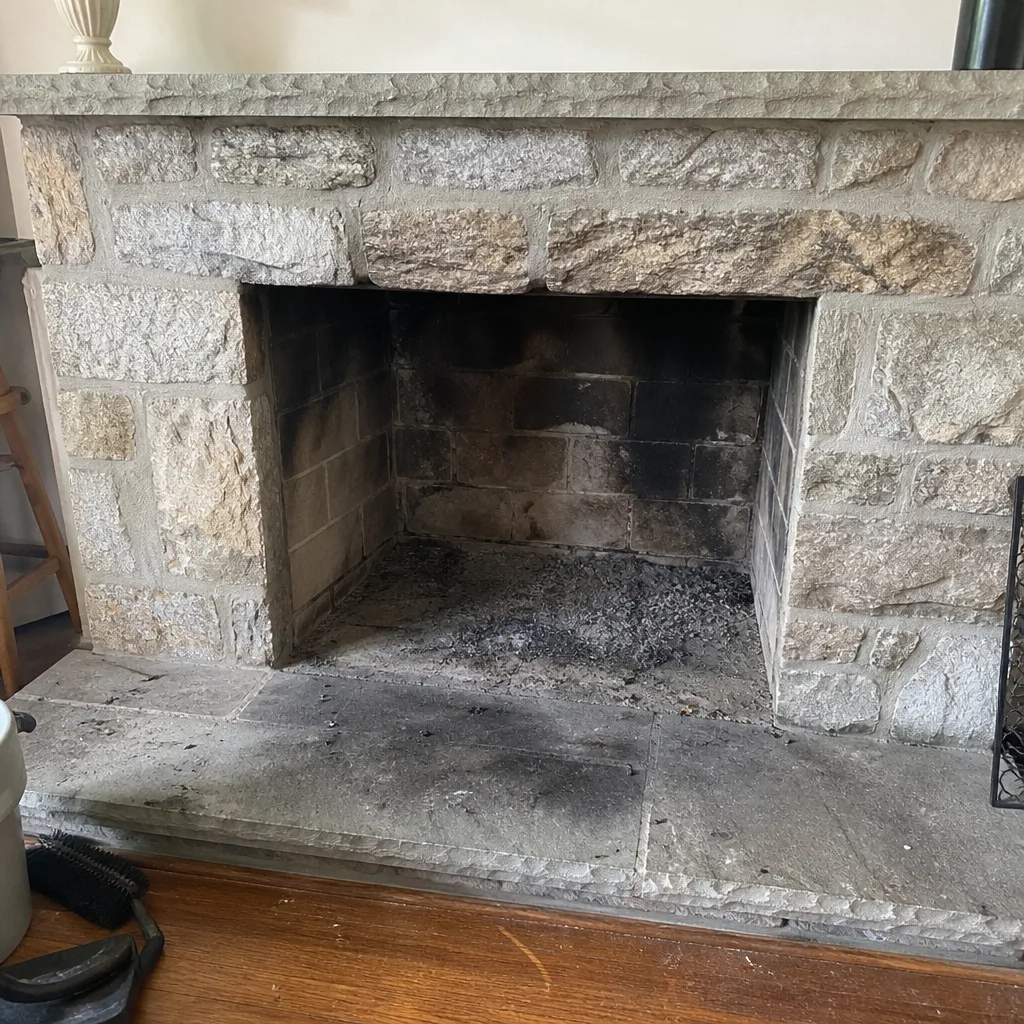 Before
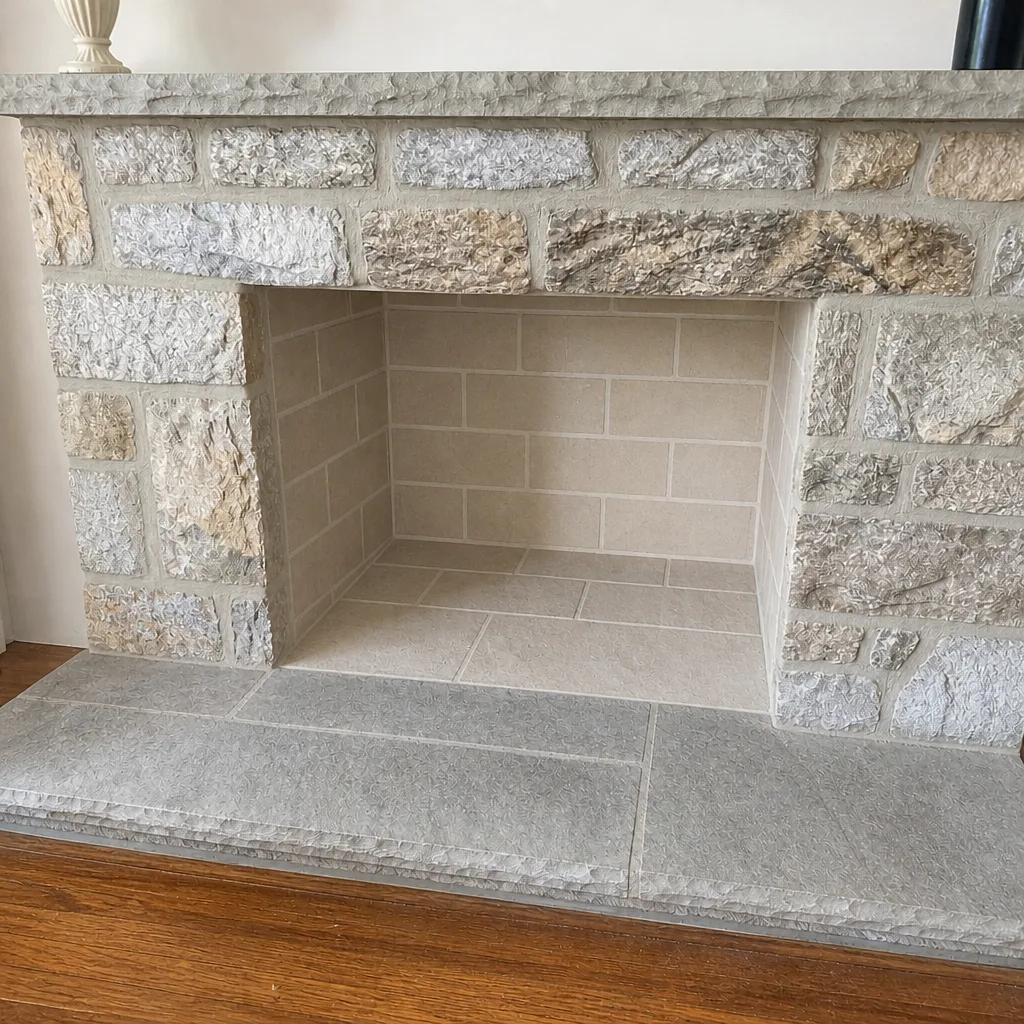 After
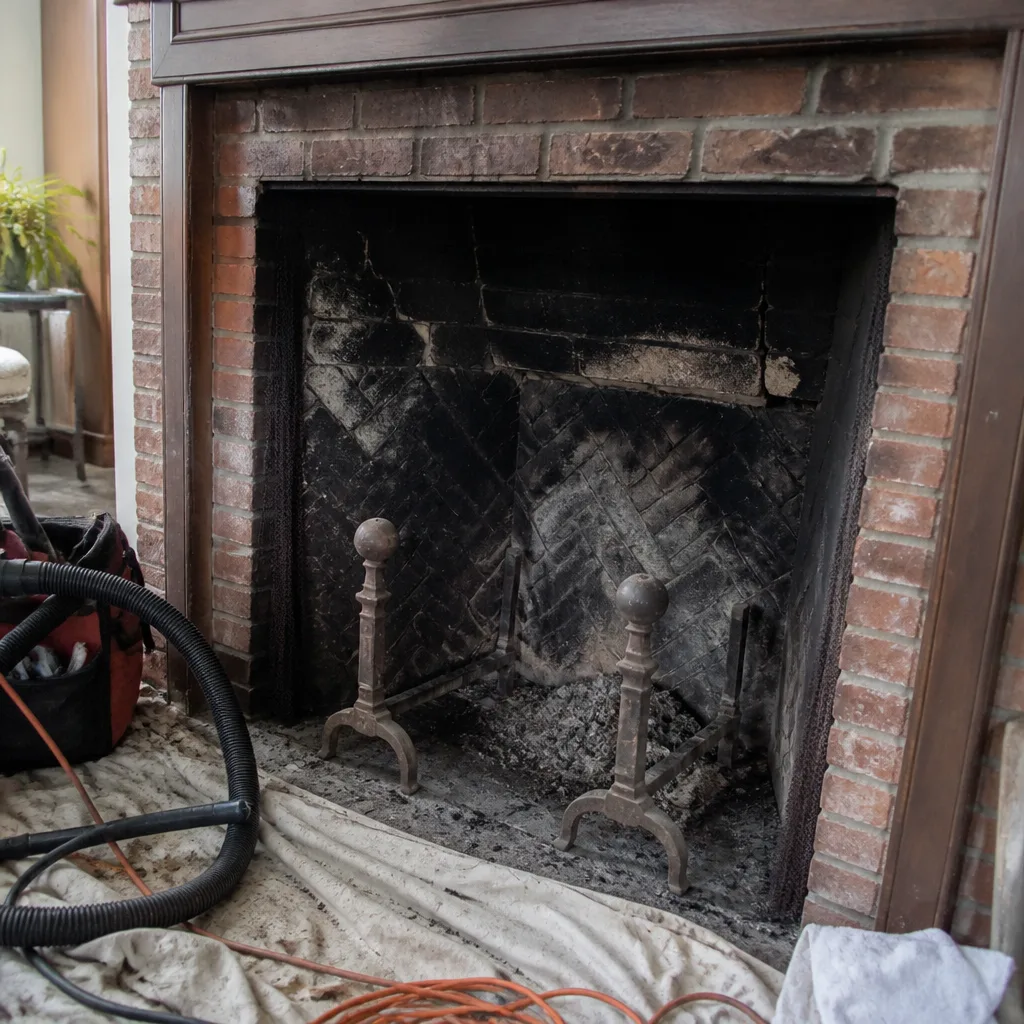 Before
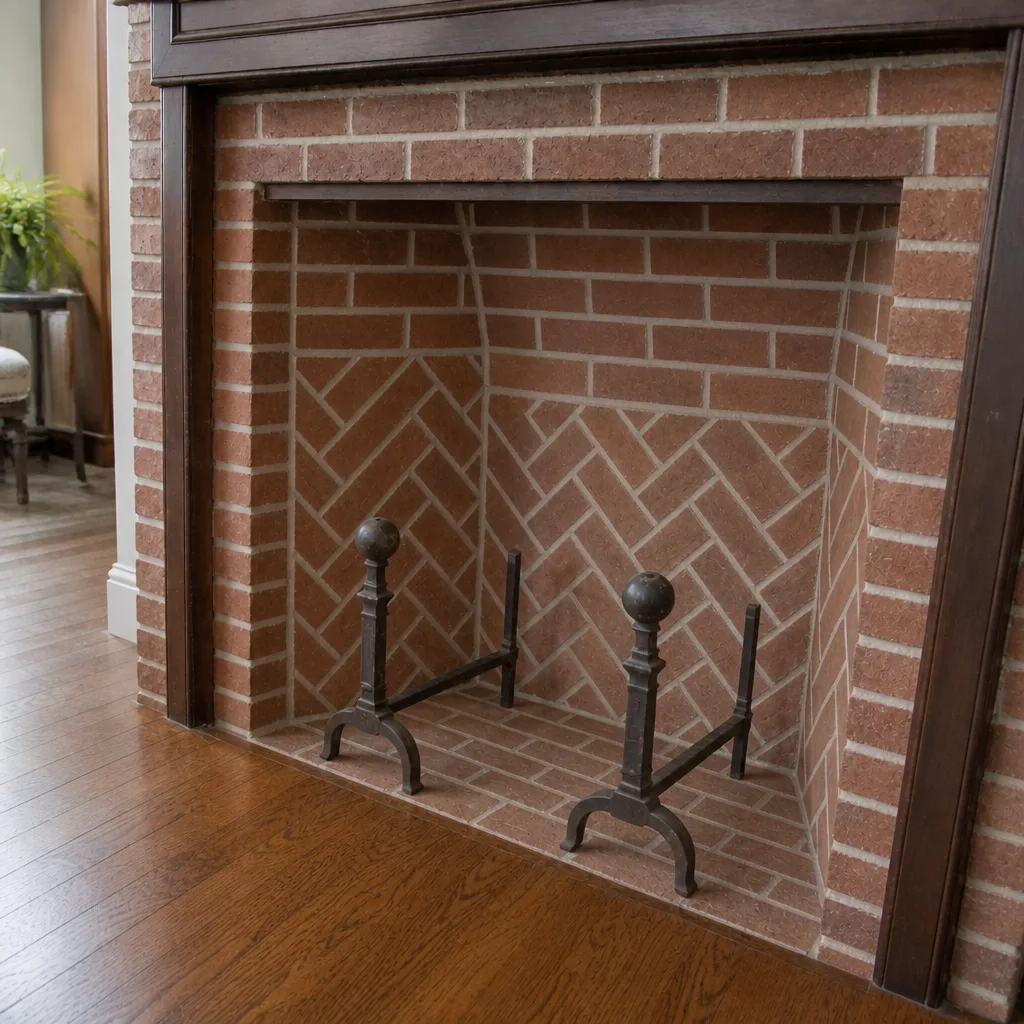 After
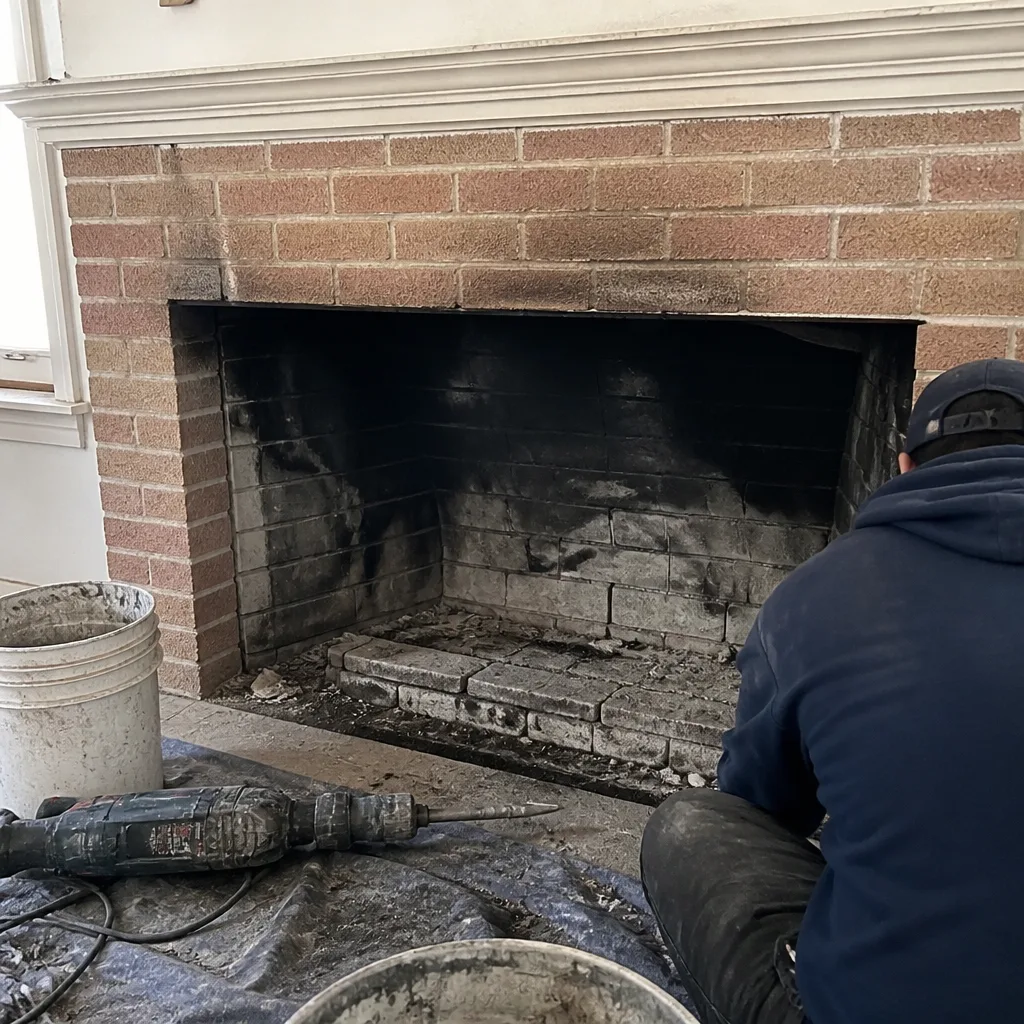 Before
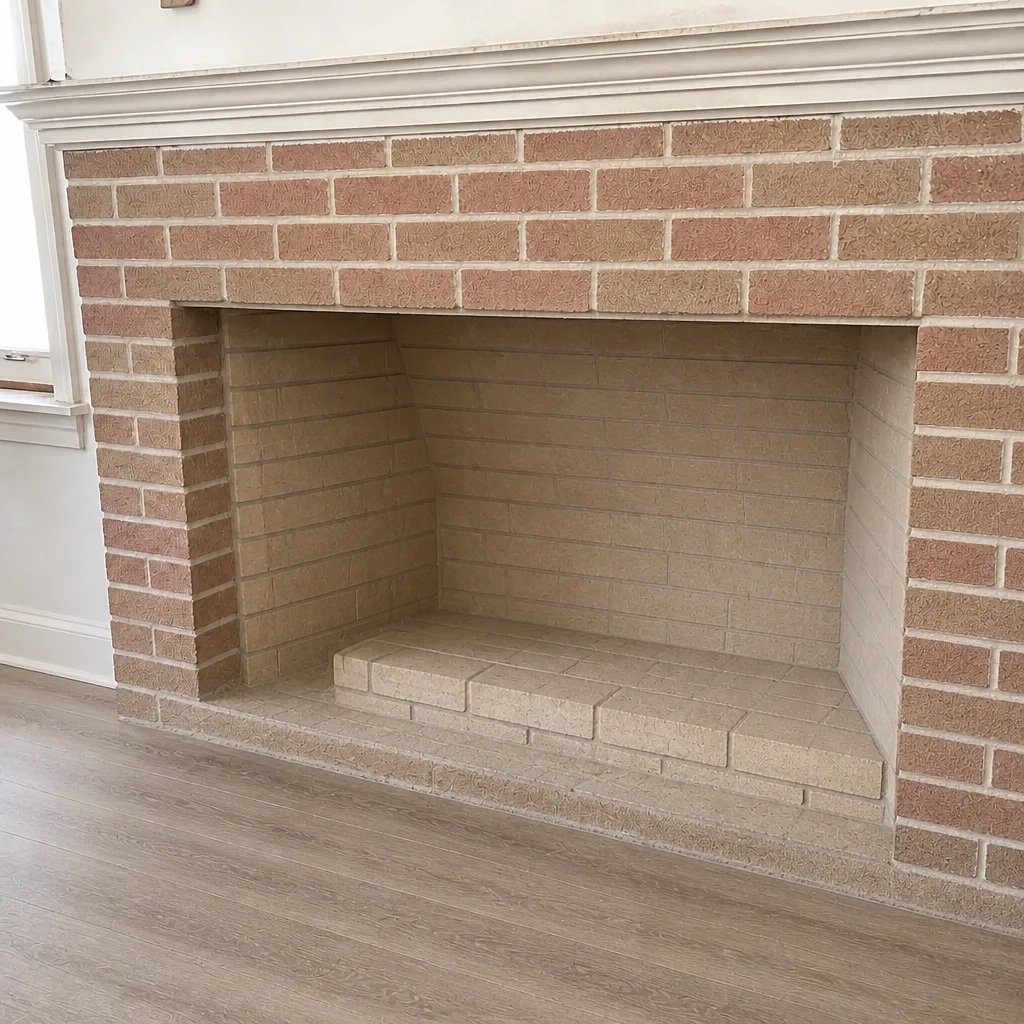 After
How Much Does Chimney Repair Cost in Great Kills?
Chimney repair in Great Kills typically runs from a few hundred dollars for small masonry work up to several thousand for a stack rebuild, and the range depends mostly on how much of the chimney is above the roofline and how far the water damage has spread. Repairs are priced per job from a written estimate, not from a flat repair menu, because a chimney with one failed joint on the weather side is a different job from one with a failed crown, spalling brick and pulled flashing.
| Repair | Typical Estimated Price | What Drives the Price |
|---|---|---|
| Mortar repointing | $350 – $900 | Number of joints, height above the roofline, access |
| Tuckpointing (visible masonry) | $400 – $1,100 | Joint count and finish detail on visible faces |
| Spalling brick repair | $400 – $1,200 | How many bricks need replacing |
| Chimney waterproofing | $300 – $800 | Masonry surface area and prep work |
| Flashing repair | $350 – $1,000 | Condition of the roof seam and how much metal is reworked |
| HeatShield flue resurfacing | $1,200 – $2,800 | Flue size, length and amount of prep |
| DuraFlex relining | $2,500 – $5,000+ | Liner length, diameter and whether insulation is added |
| Chimney rebuilding above the roofline | $3,500 – $8,000+ | Height, brick quantity and structural scope |
Those are estimates, and the written estimate sets the final price after we’ve inspected. To avoid overpaying, ask for the findings in writing, ask whether the repair can wait, and get the scope itemized so you’re comparing the same work. Our estimate is free and includes the inspection findings and photos.
Chimney Repair Near Great Kills – Our Service Area
We work throughout Great Kills and the surrounding Staten Island neighborhoods, including Annadale, Eltingville, New Dorp, Grant City, Charleston, New Springville, Westerleigh, South Beach, Rosebank, Stapleton and Mariners Harbor. If your chimney needs chimney repair in Annadale or the same work in Eltingville, it’s the same process: inspect first, quote in writing, repair to the same standard. Homes here sit on similar rooflines and take the same weather, so the findings usually translate directly. Call (866) 937-8578. We answer 24/7. Fast dispatch, 7am-7pm, Sunday through Friday.
Serving Great Kills, NY – Our Local Coverage Area
We serve Great Kills and nearby communities. Use the map below to see the area we cover. If you’re nearby, we can almost certainly help.
Frequently Asked Questions – Chimney Repair in Great Kills
Chimney repair is the masonry and system work that restores a chimney that has cracked, leaked or deteriorated, covering the crown, flashing, brickwork, mortar joints and flue. It’s different from a sweep, which removes soot and creosote, and different from an inspection, which tells you what the chimney needs. We do all three, so the repair is based on what the inspection found rather than a guess from the ground.
Small jobs like repointing or flashing repair usually take part of a day, while relining or a stack rebuild can run two to four days depending on the scope. Weather matters here, and masonry work needs the right conditions to cure properly, so we schedule around that. You’ll get a realistic timeline with the written estimate rather than a promise made before we’ve seen the chimney.
Most repairs fall between $350 and $1,200 for masonry and sealing work, with flue resurfacing around $1,200 to $2,800 and relining or rebuilding running higher. The written estimate sets the final price, and ours is free. Call (866) 937-8578 for an exact quote.
Yes. We apply HeatShield resurfacing to flues that are worn but still structurally sound, and we install DuraFlex flexible stainless-steel liners when a flue needs a full new lining. We also work with Famco and Copperfield components for caps and crowns. If we find a flue that doesn’t need either, we’ll say so and skip the upsell.
Same-day repair is available for smaller jobs when the inspection can be done and the right material is on hand. Call (866) 937-8578. We answer 24/7. Fast dispatch from 7am to 7pm, Sunday through Friday. A call outside dispatch hours is booked into the next opening.
We stand behind our work, and the written estimate spells out what’s covered before we start. If something we repaired fails, call us and we’ll come back and look at it. We’d rather fix a callback than have you wonder whether the job was done right.
Clear the hearth area and the floor in front of the fireplace, and move anything breakable away from the chimney wall. Make sure we can get to the roof, which means clearing the path and letting us know about pets or a locked gate. Everything else, we handle: roof protection, drop cloths and cleanup are part of the job.
Schedule Your Chimney Repair Service in Great Kills Today
If you’ve seen crumbling mortar, flaking brick or a water stain that keeps coming back, the inspection is the next step, and it’s free. We’ll tell you what’s failing, what can safely wait, and what it costs in writing before any work is booked. Repairing early is how you avoid a rebuild later. Call (866) 937-8578 for a no-obligation estimate. We answer 24/7. Fast dispatch, 7am-7pm, Sunday through Friday.
Written by the team at Chimney Sweep Great Kills.