
Last updated November 24, 2026
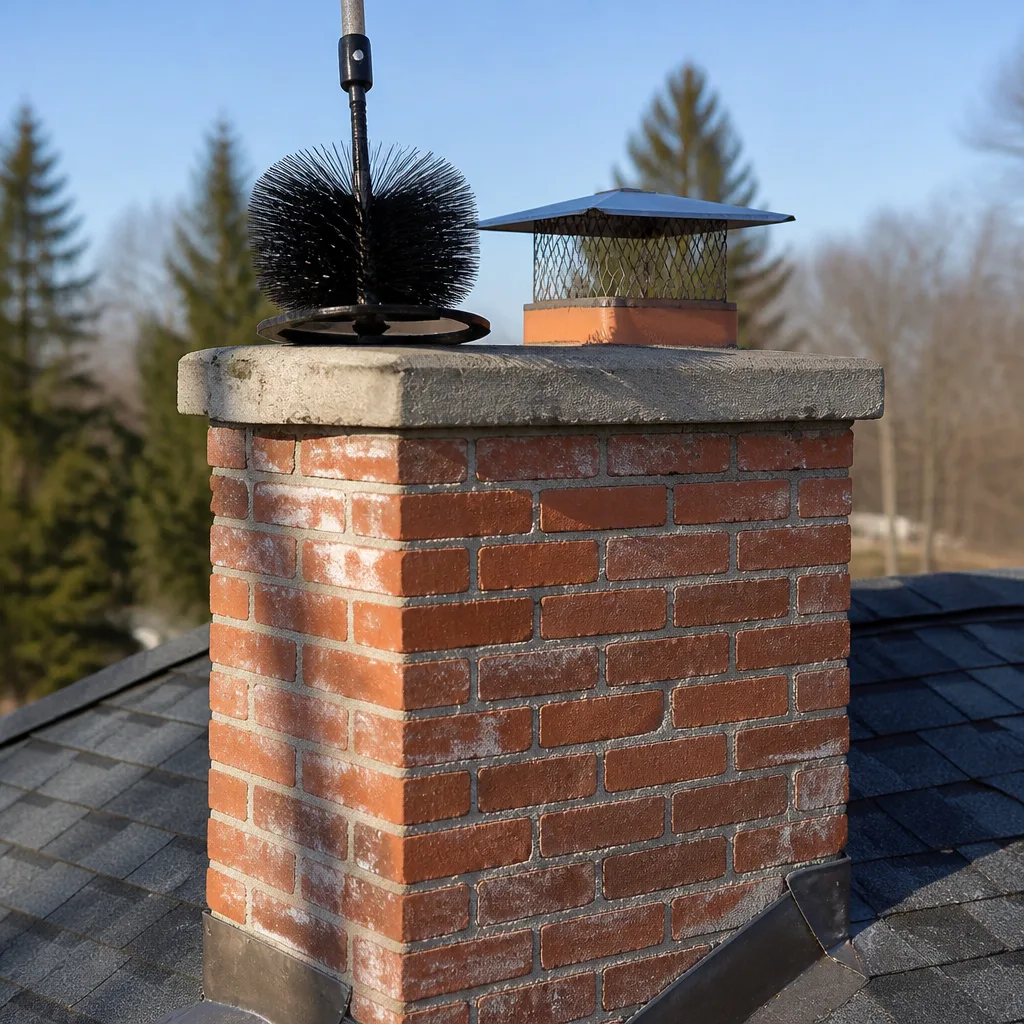 Sweep & inspection
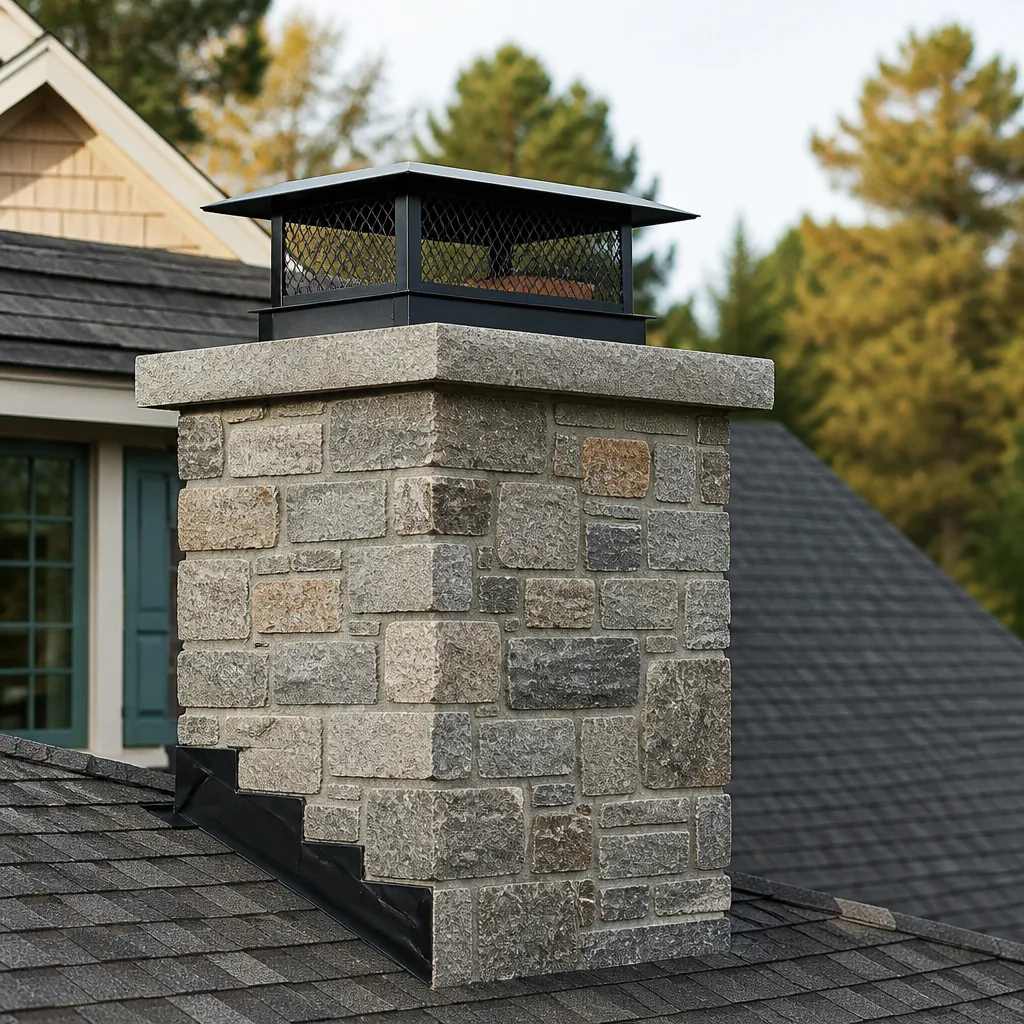 Caps & crowns
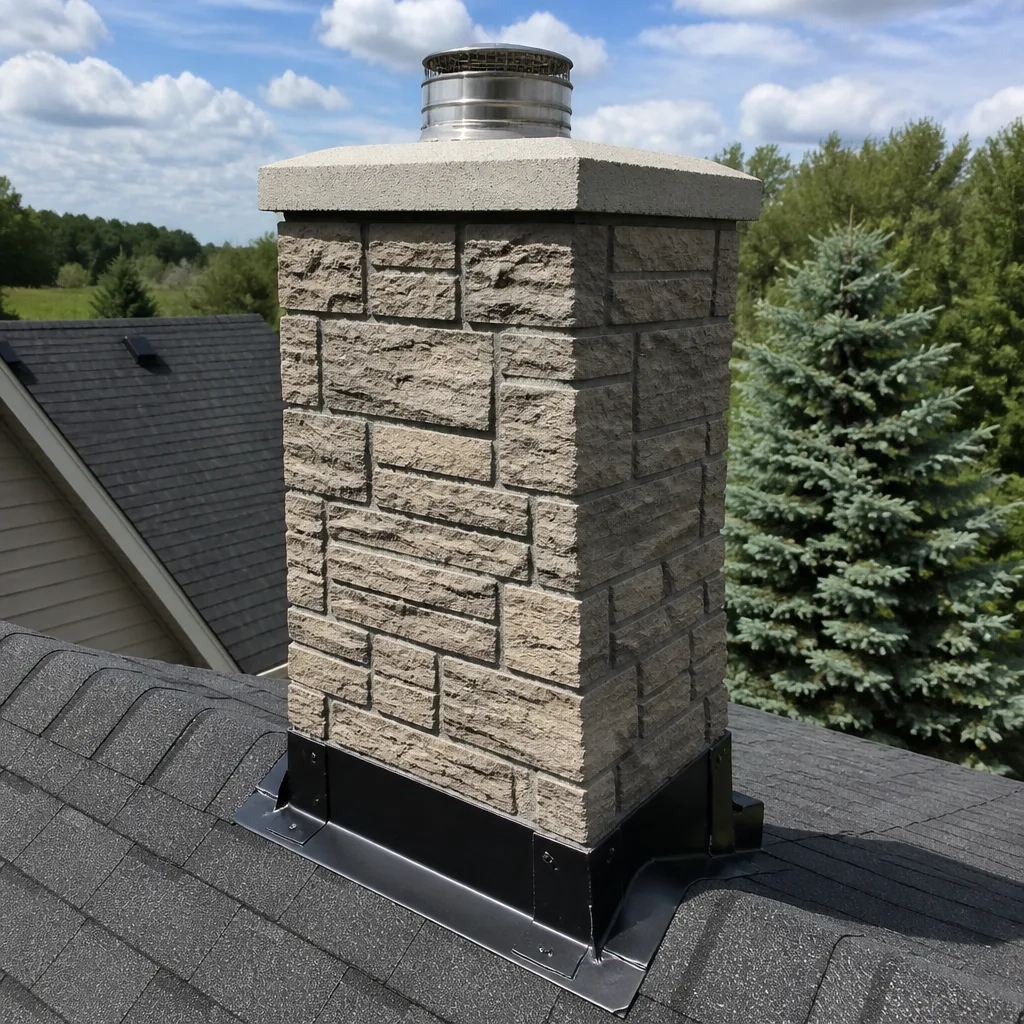 Flue relining
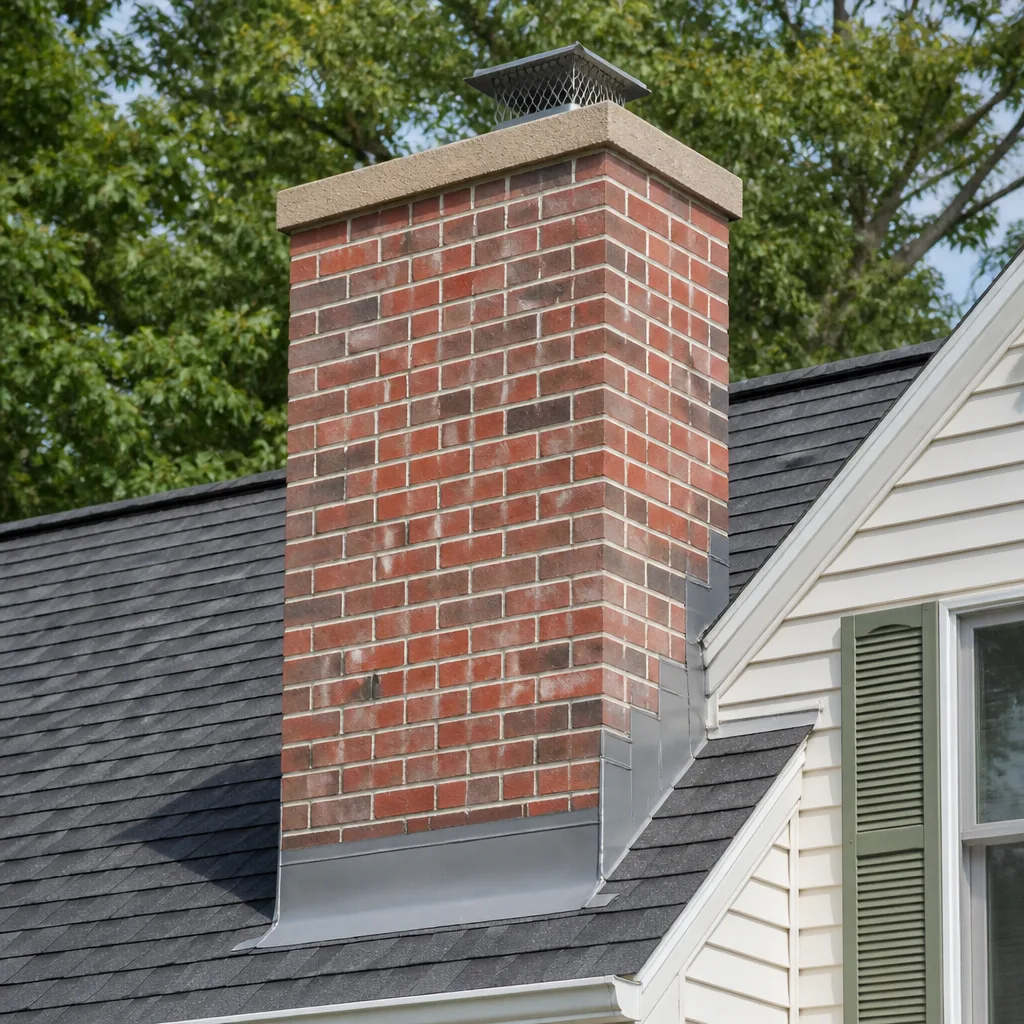 Masonry repair
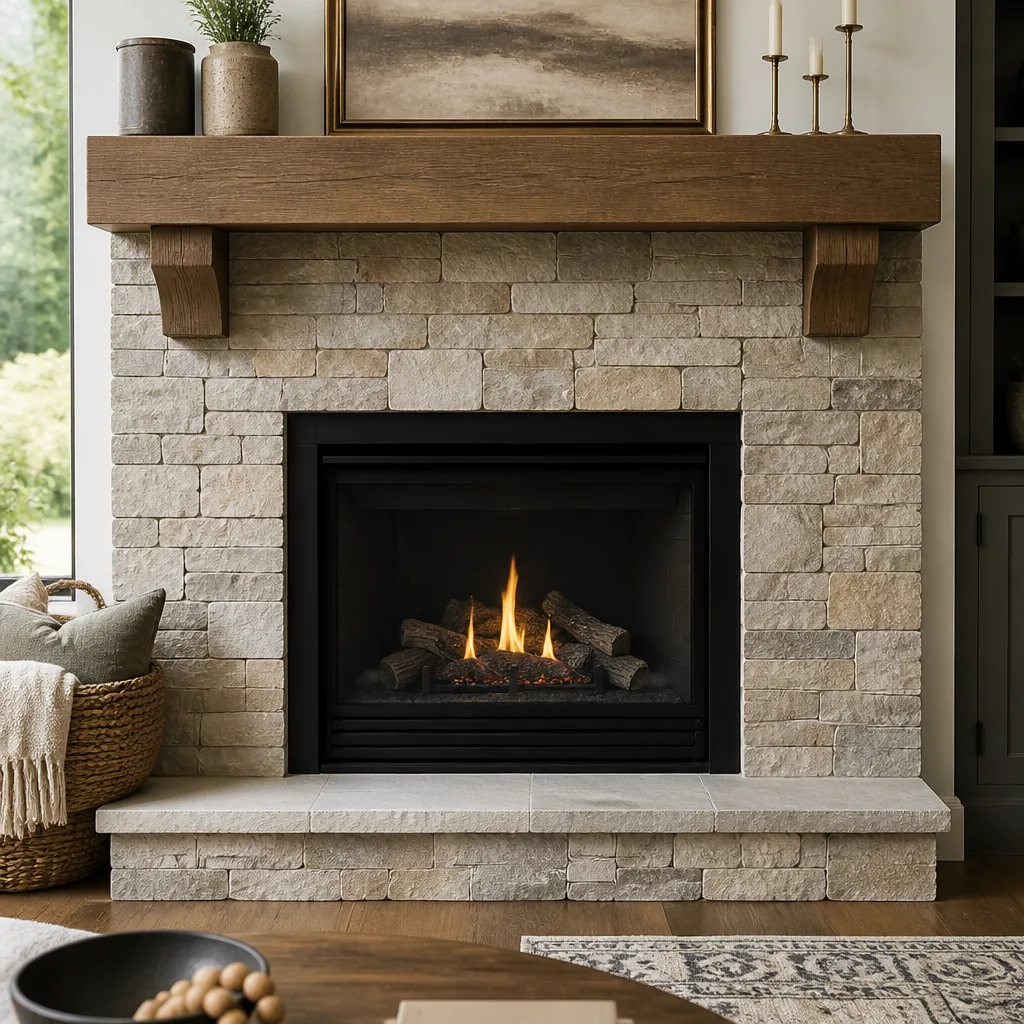 Gas fireplace service
Level 1 sweep and inspection to the NFPA 211 annual standard - flue, crown, cap, and flashing checked and photographed
Chimney sweep logs do not sweep chimneys. They loosen some creosote - which then falls where a brush and vacuum still have to collect it.
Choosing the Right Chimney Cleaning Brand: A Buyer’s Guide for Great Kills
Most homeowners in Great Kills never see the products going into their chimney. The cap gets fitted on the roof while you’re inside making coffee. The liner goes down the flue and disappears. The sealant is brushed onto masonry you’ll glance at maybe twice a year. That means the single biggest decisions about how long your chimney works correctly are usually made by whoever’s climbing the ladder, without anyone asking you. The brand on the box matters far more than most people realize, and the performance gap between a good product and a cheap one isn’t measured in months. This guide shows you what to compare, how to ask the right questions, and how to spot a contractor who can’t tell you what he’s installing.
Quick Answer
The right chimney cleaning brand depends on the job, not the logo. For liners, match the system to the flue condition and fuel type: flexible stainless for most offsets and older masonry chimneys, rigid stainless for a straight flue that needs structural support, cast-in-place for a badly deteriorated flue that needs a new structural wall. For caps, stainless and copper outlast galvanized in a Great Kills roof environment, and the extra cost buys years, not weeks. For cleaning, a professional rotary sweep does the work; chemical creosote treatments are a supplement when the deposit is heavy, not a replacement for mechanical cleaning. Ask any contractor which brand and grade he’s installing before he starts, and don’t accept “the good stuff” as an answer. We install DuraFlex, HeatShield, Gelco, Olympia Chimney, Famco, and Copperfield for exactly this reason. Different products solve different problems, and the right one is the one that fits your flue.
Styles & brands we work with
- Sweep & inspection
- Caps & crowns
- Flue relining
- Masonry repair
- Gas fireplace service
Table of Contents
- Chimney Cap Materials Compared: Galvanized, Stainless, and Copper
- Creosote Removal Products vs. Professional Rotary Cleaning
- Liner Systems Compared: Flexible Stainless, Rigid Stainless, and Cast-in-Place
- Waterproofing and Sealants: Vapor-Permeable vs. Regular Masonry Sealers
- How to Ask Your Contractor Which Brands They’re Installing
- Why Local Conditions Shape Product Choice in Great Kills
- Common Mistakes to Avoid
- When to Call a Professional
Chimney Cap Materials Compared: Galvanized, Stainless, and Copper
The chimney cap is the first line of defense against water getting into a masonry chimney, and it’s the part most often spec’d on autopilot. Three material families cover nearly every residential installation, and they live very different lifespans. In a Great Kills roofline, the difference shows up as real service life, so it’s worth knowing what each side of the trade-off actually buys you.
Galvanized steel is the least expensive option and the one that shows up on builder-grade installations. The zinc coating sacrifices itself to protect the steel underneath, which works fine until the coating wears thin. On a residential roof with normal weather exposure, galvanized caps tend to reach the end of their useful life sooner than the alternatives, and once the coating fails, rust starts at the seams and fastener holes first. For a starter home or a chimney nobody uses, that trade-off can be reasonable. For a chimney you rely on year after year, it usually isn’t.
Stainless steel carries a much longer working lifespan and holds up to the temperature swings and wet-dry cycles that stress a cap. Brands like Gelco and Olympia Chimney build stainless caps engineered for weatherproofing rather than just appearance, with proper screening to keep animals and debris out of the flue. If your existing cap is rusted through or the screen is torn, that’s an easy early repair that prevents interior water damage later.
Copper sits at the top of the range on both cost and appearance, and it develops a patina over time that many homeowners in Great Kills actually want. Copper also handles prolonged moisture exposure without corrosion. For chimneys where the cap is visible from the street or the house leans toward architectural character, copper is a finish choice as much as a durability one.
None of these caps stop water from getting into the crown below them. That’s a separate component, and it fails on its own schedule. Our chimney cap & crown work addresses both at the same time because the two fail together so often.
Creosote Removal Products vs. Professional Rotary Cleaning
Walk through any home center and you’ll find a shelf of spray-on and powder creosote removers promising to loosen deposits. They do a specific job, and understanding that job clears up a lot of confusion about chimney maintenance.
Creosote builds up in three forms. First-degree is light soot and flaky deposit that brushes off easily. Second-degree is the sticky, tar-like layer that grabs onto flue walls. Third-degree is the hard, glazed deposit that requires mechanical action to remove. Spray treatments react with second-degree deposit and help it break down, often enough that a follow-up sweep can clear what manual brushing alone would leave behind. They do very little to a fully glazed third-degree flue.
Professional rotary cleaning is the mechanical process that actually removes the deposit from the flue walls, using a spinning head sized to the flue. That’s the work a chimney sweep performs, and it’s the reason a chemical treatment is a supplement, not a substitute. If a contractor offers a “spray and go” service that never touches a brush to the flue, ask exactly what was removed and how they verified it.
- Inspect first. A camera inspection documents how much deposit is there and what stage it’s in. Recommendations follow the evidence, not a sales pitch.
- Mechanical sweep. Rotary cleaning removes the primary deposit.
- Chemical treatment, only if appropriate. Second-degree deposit that survived the sweep may call for a treatment and a return visit to clear it.
- Re-check. A photo or camera record of the clean flue gives you something to compare next year.
When a treatment makes sense, we reach for products from recognized brands so the result is predictable. What we don’t do is recommend a chemical application you can’t verify after the fact. The camera evidence decides.
Liner Systems Compared: Flexible Stainless, Rigid Stainless, and Cast-in-Place
A chimney liner is what separates the hot flue gases from the combustible structure of the house. When it’s failed or missing, the chimney stops being safe for use. Three family systems cover most residential relining, and each has a specific application where it fits best.
Flexible stainless steel
Corrugated stainless pipe that bends through offsets, elbows, and tight masonry passages. It’s the workhorse of residential relining and the right choice when the flue has turns or is awkwardly shaped. DuraFlex is the flexible liner system we work with most, and it’s the industry standard for relining a deteriorated or undersized flue. Flexible liners install over a wider range of flue conditions than a rigid pipe will.
Rigid stainless steel
Straight-wall stainless pipe with a smoother inner surface and less resistance to airflow. Rigid liners suit a straight flue with no significant offsets, and they’re often spec’d where draft performance matters or where a longer, straighter run benefits from lower friction. A straight-flue chimney in a Great Kills home with a wood-burning insert is the classic case for rigid.
Cast-in-place lining
An insulating cement mix applied around a form to build a new structural wall inside the flue. Cast-in-place is what gets called in for a badly deteriorated masonry flue where the existing walls can’t support a stainless liner, or where multiple flues need separation. It’s the most involved of the three and calls for the right substrate conditions.
There’s a fourth option worth knowing: HeatShield resurfacing. It’s a specialized liner-repair process where the existing flue is repaired rather than replaced, saving the cost of a full tear-out on flues that still have enough structural integrity. HeatShield application requires specific product knowledge and technique, and its use is usually determined by what the camera inspection actually finds. That’s why in our experience a compromised flue often has more than one workable path, and the right one isn’t always the biggest.
Waterproofing and Sealants: Vapor-Permeable vs. Regular Masonry Sealers
Water does more long-term damage to masonry chimneys than fire does. But the wrong waterproofing product actually accelerates the damage it’s supposed to prevent, and that’s the trap most homeowners fall into at the hardware store.
Masonry is porous in a specific way. It absorbs water and it also lets moisture vapor pass through. A chimney that gets wet from rain, or from combustion gases condensing on the flue side, has to dry from both directions. Film-forming waterproofers seal the masonry’s surface so thoroughly that moisture trapped inside can’t escape. When that vapor expands in a freeze, or when it pushes outward trying to find an exit, brick faces spall and crack.
Vapor-permeable sealants work the other way. They resist liquid water at the surface while letting vapor pass through. On a chimney in Great Kills, where winters cycle through freeze and thaw repeatedly, that permeability is the property that matters. Ask specifically whether your contractor uses a vapor-permeable product. A single bead of the wrong surface sealer can cost you a crown repair sooner than it would have failed on its own.
- Vapor-permeable sealant: resists liquid water, allows vapor to escape. Right for most chimney masonry.
- Film-forming waterproofers: barrier on all moisture. Risk of trapping vapor and spalling.
- Crown repair material: flexible sealant applied only where the concrete crown has cracked, not over the full masonry face.
- Flashing sealant: flexible compound applied at the roof-to-chimney joint where the flashing is failing.
Crown material itself comes in a few grades. Gelco and Famco make crown and cap components engineered for the specific stresses at the top of a chimney, and that’s the part where the wrong product shows real damage fast.
Why Local Conditions Shape Product Choice in Great Kills
Not every product works equally well in every location, and a Great Kills chimney sees a specific set of conditions worth factoring into any brand decision. The freeze-thaw cycle is the big one. Masonry absorbs water in a winter thaw and expands when the next cold front drives the temperature below freezing. Repeated cycles crack crown material, split mortar joints, and stress a chimney cap faster than dry cold does. That’s why vapor-permeable sealants and a sound crown matter here, and why a cheap galvanized cap is more likely to rust out through a wet-then-freeze cycle than it would in a drier climate.
The second local factor is age of housing stock. Great Kills has plenty of older masonry chimneys where the original liner was tile, not stainless, and the flue may have shortened or cracked over time. When we run a camera inspection and find a compromised tile liner, the fix is specific to what’s actually there. Sometimes HeatShield resurfacing keeps the existing flue in service. Sometimes a DuraFlex flexible liner is the right call. Sometimes the crown or flashing is the actual source of water intrusion and the liner is fine.
That’s why in our experience, product selection should follow the inspection, not precede it. When we’re working in Great Kills, we’re usually choosing between brands based on what the flue condition and fuel type demand. Not based on what’s cheapest to install or what’s familiar.
How to Ask Your Contractor Which Brands They’re Installing
The single most useful thing you can do before a chimney job starts is ask product-specific questions, and pay attention to how the answer lands. A contractor who knows his materials will name brands and grades without hesitation. A contractor who’s vague is telling you something.
- “Which brand of liner are you installing, and why this one?” You want a name and an application reason. DuraFlex for a flue with an offset, rigid stainless for a straight run, HeatShield for a flue with recoverable integrity. If the answer is “the good one,” push for a name.
- “What grade of stainless?” Different grades are appropriate for different fuels and flue conditions. You don’t need to memorize the grades; you need to hear the contractor recite one that matches your fuel type.
- “Is the sealant vapor-permeable?” Yes is the answer you want. If the contractor doesn’t know, don’t let him apply it to your chimney.
- “Which cap material and brand, and how long should it last?” Galvanized, stainless, or copper, and the brand: Gelco, Famco, Olympia Chimney, Copperfield. Anything vague is a flag.
- “Will you show me the camera footage before and after?” You should see the flue condition yourself. A contractor recommending thousands of dollars of work without a documented reason is the one to be wary of.
- “Which crown repair compound, and is it right for a freeze-thaw climate?” A brand name and a compatible answer tell you the contractor reads the product data rather than using whatever’s on the shelf.
You can run the same set of questions when comparing a sweep quote. The answers tell you as much as the price. Our position is simple: nothing gets recommended without camera evidence you can see for yourself, and we’ll say plainly when the work can safely wait.
Common Mistakes to Avoid
- Buying the cheapest cap. A galvanized cap saves upfront and costs more later, because rust-through leaves the flue exposed to the water intrusion the cap was supposed to stop. Ask for stainless or copper if you want to make a single decision on the roof.
- Using film-forming waterproofers on masonry. The sealer doesn’t protect the brick; it traps moisture. In a Great Kills winter, that trapped moisture spalls the brick faces and cracks the crown.
- Accepting “spray and go” cleaning as a sweep. A chemical treatment is a supplement to rotary cleaning, not a replacement. If the flue isn’t mechanically cleaned, deposit stays on the walls where it can ignite.
- Skipping the camera inspection. A contractor who recommends a liner without showing you footage is asking you to trust a number you can’t verify. You’re allowed to see the evidence before you authorize the work.
- Assuming a stainless liner is a stainless liner. A flexible liner and a rigid liner solve different flue problems. Installing the wrong one in the wrong flue can mean redoing the job sooner than expected.
- Letting a sweep quote stand for a chimney repair. A sweep handles cleaning and inspection; fireplace repair and structural chimney repair are separate scopes. Make sure the scope you’re quoted matches the work you need.
- Not asking for the brand. Every question above this one comes back to the same point. If you can’t get a brand name, you can’t compare what you’re buying, and the contractor’s silence is your answer.
When to Call a Professional
Call a professional when the chimney is doing one of four things: smoking into the room, showing water damage in the ceiling near the chimney, giving off a strong creosote smell in warm weather, or when a wood fire no longer draws the way it should. Each of those points at something a camera and a knowledgeable contractor can diagnose in a single visit. Call when you haven’t had the chimney swept in years and you’re relying on wood heat through the winter, because the deposit builds quietly and the risk sits there regardless. Call before a real estate closing if you’re buying or selling a Great Kills home with a fireplace, since documented findings protect both sides of the deal. And call when the top of the system looks suspect from the ground: a rusted cap, a cracked crown, loose flashing, or missing bricks.
Chimney Sweep Great Kills offers free estimates in Great Kills. Call (866) 937-8578. We answer 24/7, with fast dispatch from 7am to 7pm, Sunday through Friday. Nothing gets recommended without camera evidence you can see, the sweep scope is agreed before we start, and if the work can safely wait, we say so.
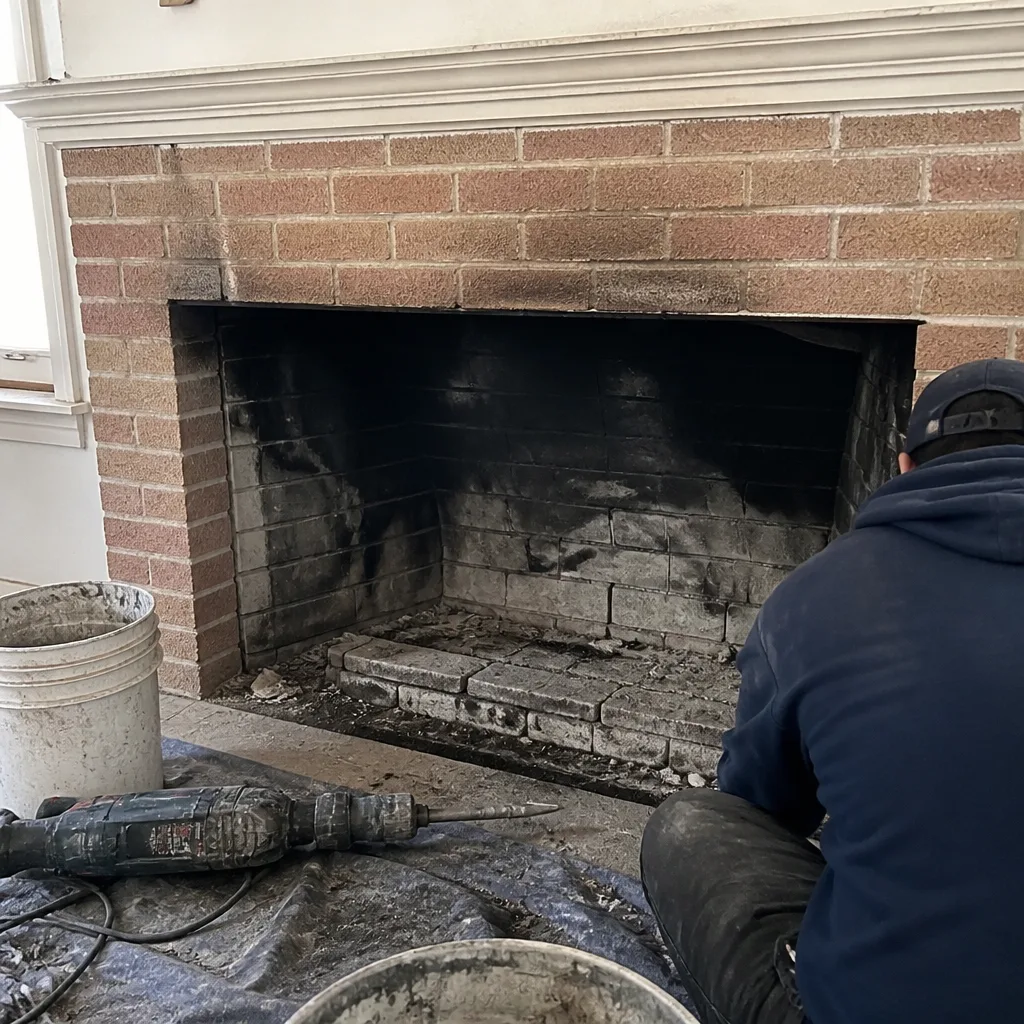
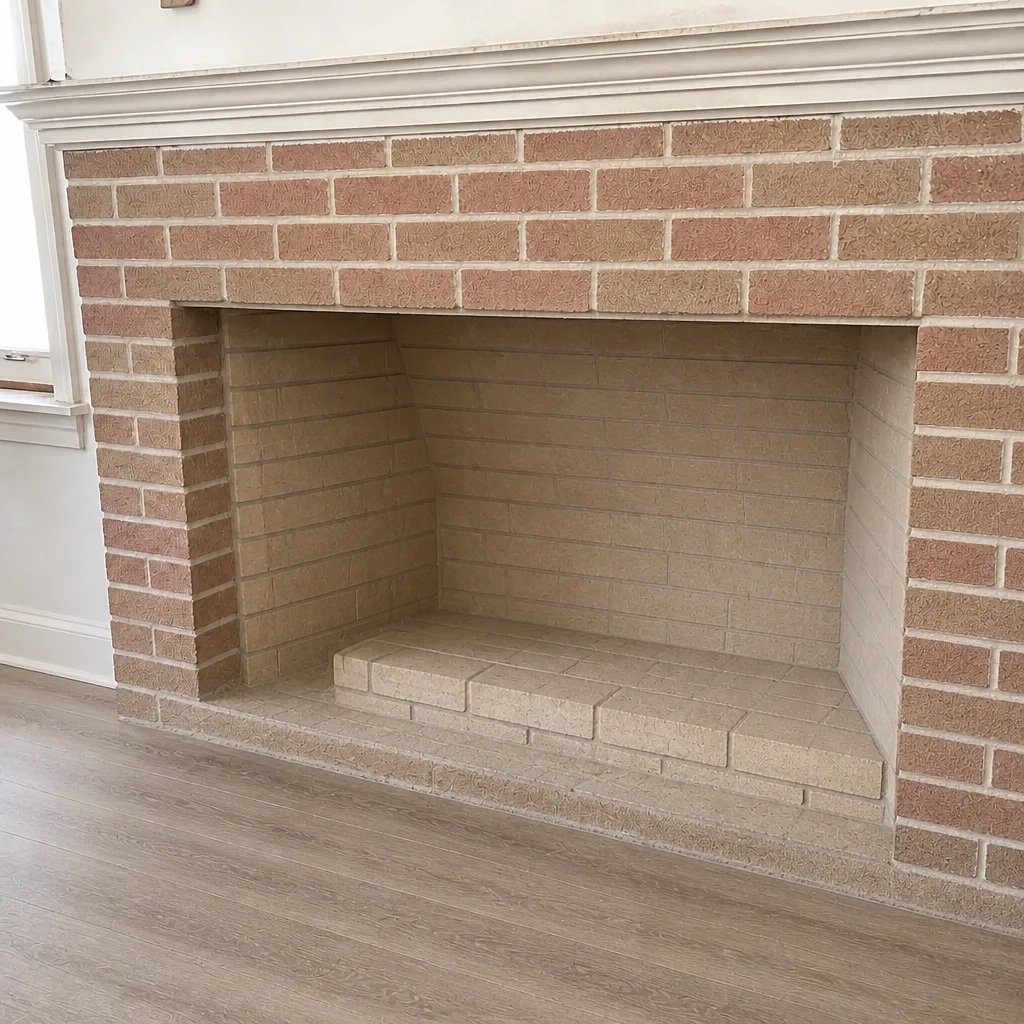
See the difference
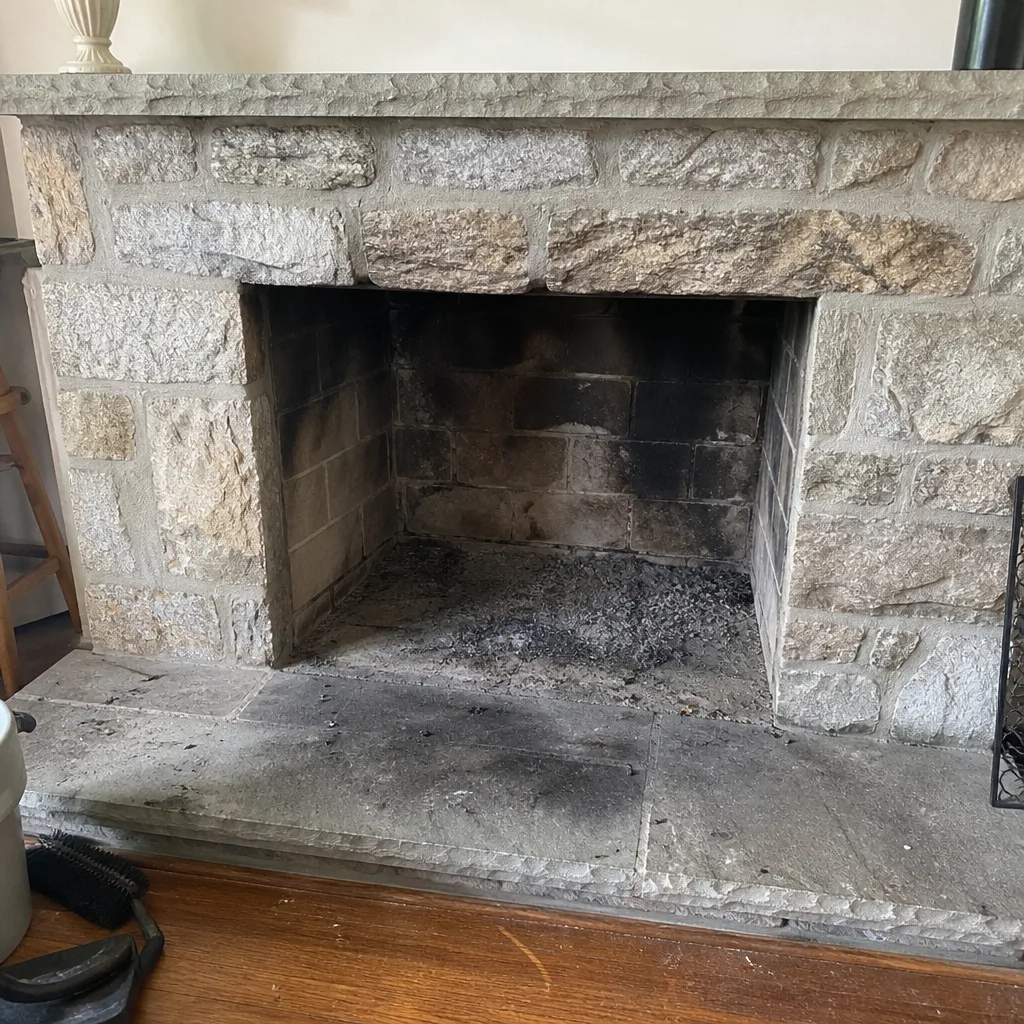 Before
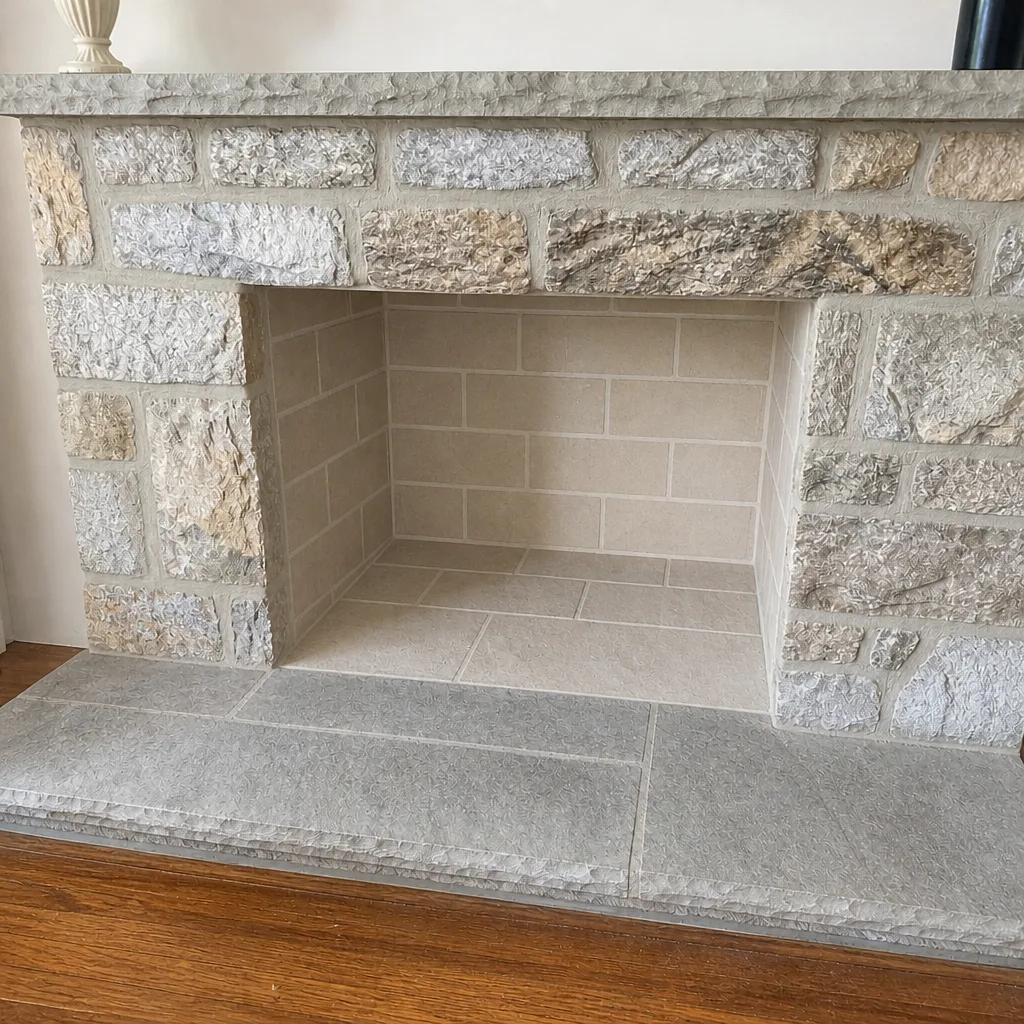 After
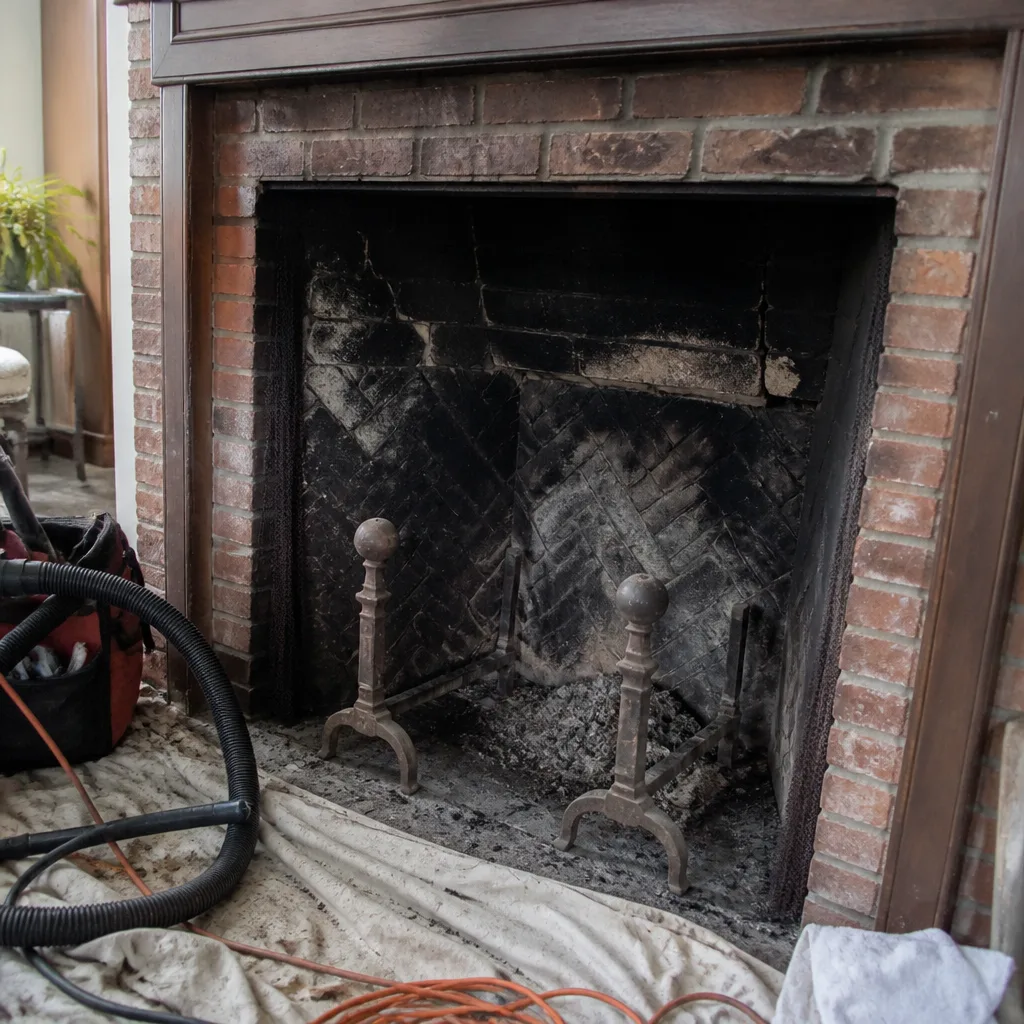 Before
 After
 Before
 After
Frequently Asked Questions
There isn’t one “best” brand, because the right product depends on the job. For liners, DuraFlex flexible stainless and HeatShield resurfacing cover the two most common scenarios on older Great Kills masonry flues. For caps and crowns, Gelco, Famco, Olympia Chimney, and Copperfield are the recognized names in weatherproofing components. For cleaning, the brand of chemical treatment matters less than whether a professional rotary sweep does the primary work. Call (866) 937-8578 for an exact quote on your specific chimney – estimates are free.
Yes, in most cases. A stainless cap lasts longer than galvanized before rust starts at the seams and fasteners, and it handles the freeze-thaw wet cycles a Great Kills chimney sees without corroding through. The extra cost pays for itself in years of additional service life and in avoiding a second rooftop visit to replace a failing cap prematurely. Copper is worth it if you want the appearance and longevity together. Call (866) 937-8578 for an exact quote – estimates are free.
They work on second-degree, sticky creosote as a supplement to mechanical cleaning. They do very little to a fully glazed third-degree deposit, which requires rotary cleaning to remove. The proper sequence is inspection, then a rotary sweep, then a chemical treatment only if the deposit warrants it. If a contractor offers spray-treatment without mechanical cleaning, the flue walls are not actually being cleaned. Call (866) 937-8578 for an exact quote – estimates are free.
A camera inspection tells you. HeatShield resurfacing repairs a flue that still has structural integrity, saving the cost of a full tear-out. A deteriorated or undersized flue that can’t support resurfacing calls for a flexible stainless liner like DuraFlex or a rigid stainless system, depending on the flue’s shape. Cast-in-place is used when the walls need a new structural layer. The right answer comes from what the camera shows, not from a brochure. Call (866) 937-8578 for an exact quote – estimates are free.
A vapor-permeable sealant, not a film-forming waterproofing product. A film-forming sealer traps moisture inside the brick, and in freeze-thaw climates like Great Kills that trapped moisture spalls the brick face and cracks the crown. Vapor-permeable products resist liquid water at the surface while allowing vapor to escape from the inside. If your contractor can’t tell you which type he’s applying, don’t let him apply it. Call (866) 937-8578 for an exact quote – estimates are free.
Once a year for a wood-burning chimney that sees regular use, and again any time the system changes: a new insert, a new flue appliance, or a change in fuel type. The yearly inspection is what catches the small failures before they become big ones, and it’s also where a cap, crown, or flashing problem shows up before it reaches your ceiling. Call (866) 937-8578 for an exact quote – estimates are free.
The Bottom Line
Brand selection is a technical decision, not a branding one. Match the cap material to your exposure, match the liner to your flue condition and fuel type, and use vapor-permeable sealants in a climate that cycles through freeze and thaw. When a contractor can name the brand and the reason on request, you’re buying a product with a known service life. When he can’t, you’re hoping. Our pitch is simple: Chimney Sweep Great Kills handles the full system from firebox to cap, from sweeping and inspection through chimney cap & crown repair and liner work, so one contractor is accountable for the whole chimney. Nothing gets recommended without camera evidence you can see. If work can safely wait, we’ll say so. Estimates are free, and the written estimate sets the price.
Call (866) 937-8578 for a free estimate. We answer 24/7, with fast dispatch from 7am to 7pm, Sunday through Friday.
Written by the team at Chimney Sweep Great Kills.