
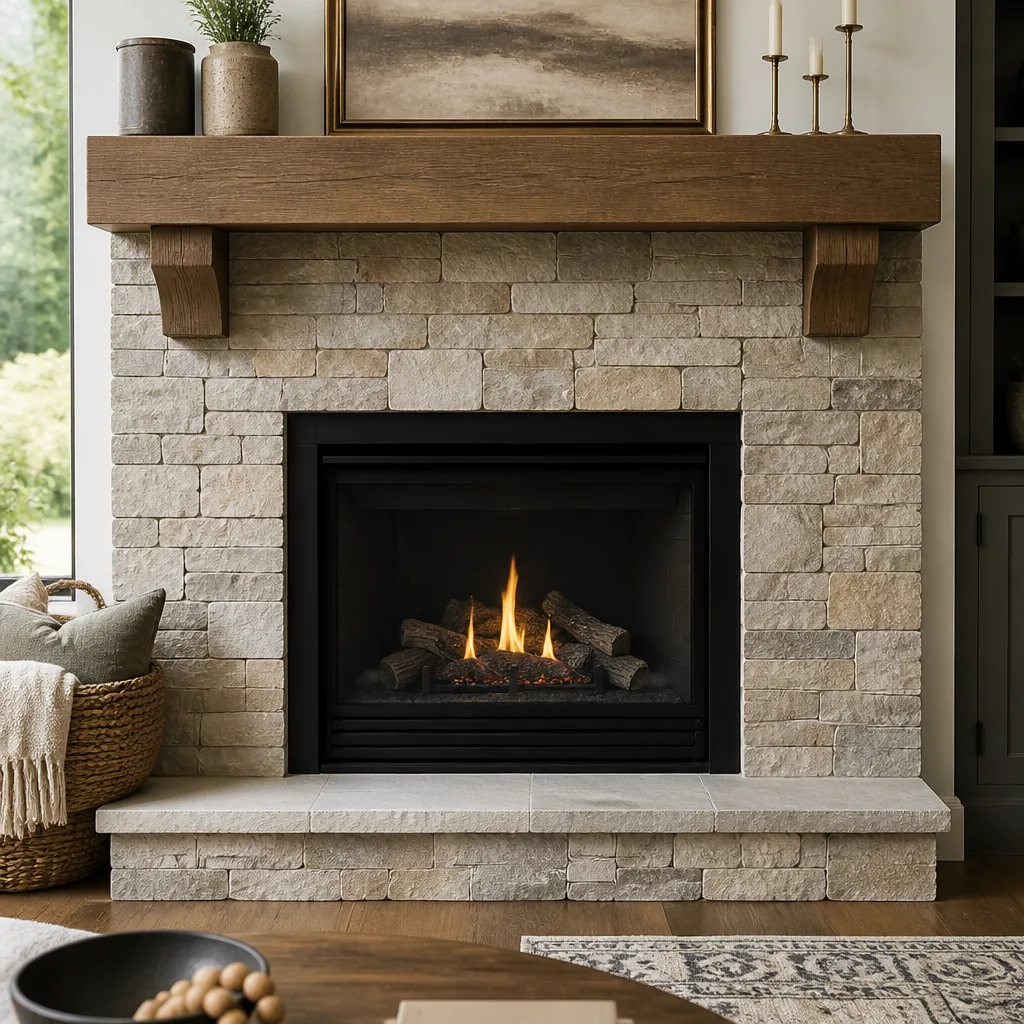
 Gas fireplace service
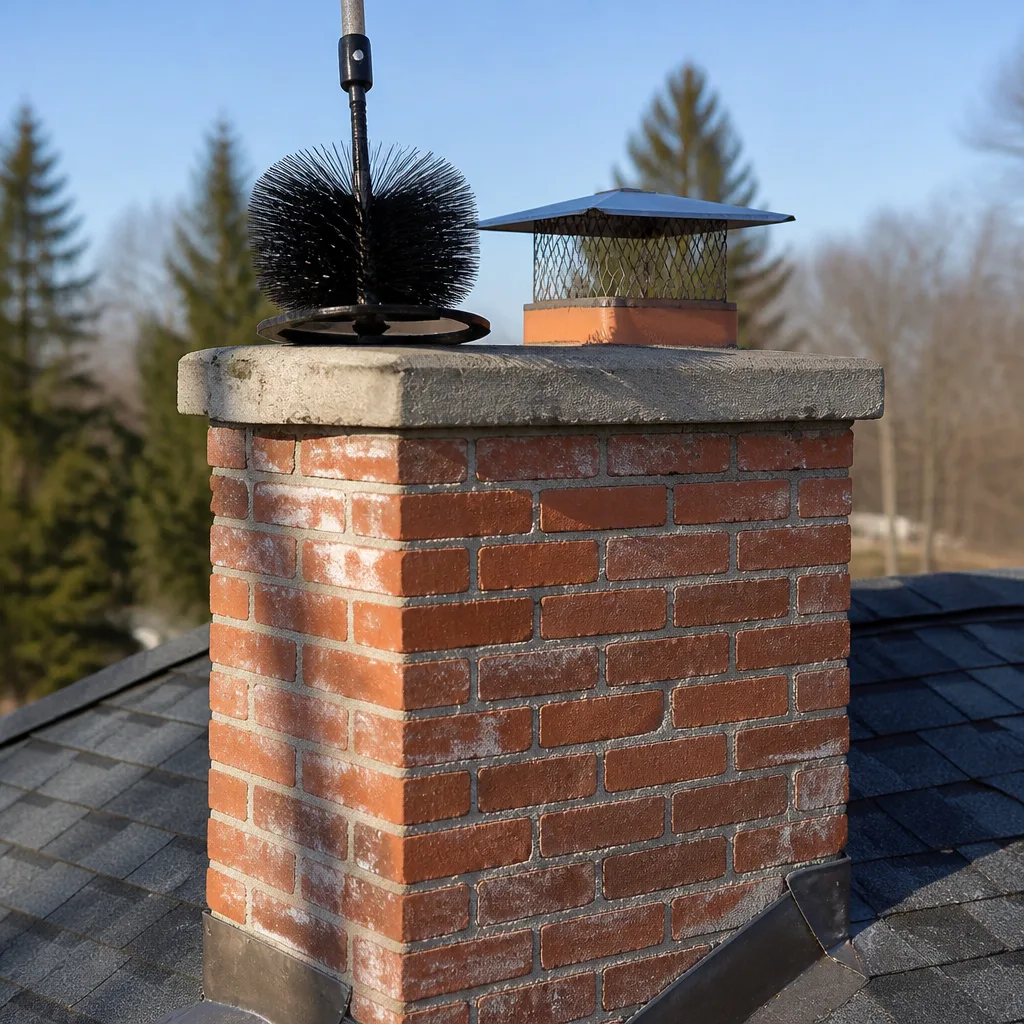 Sweep & inspection
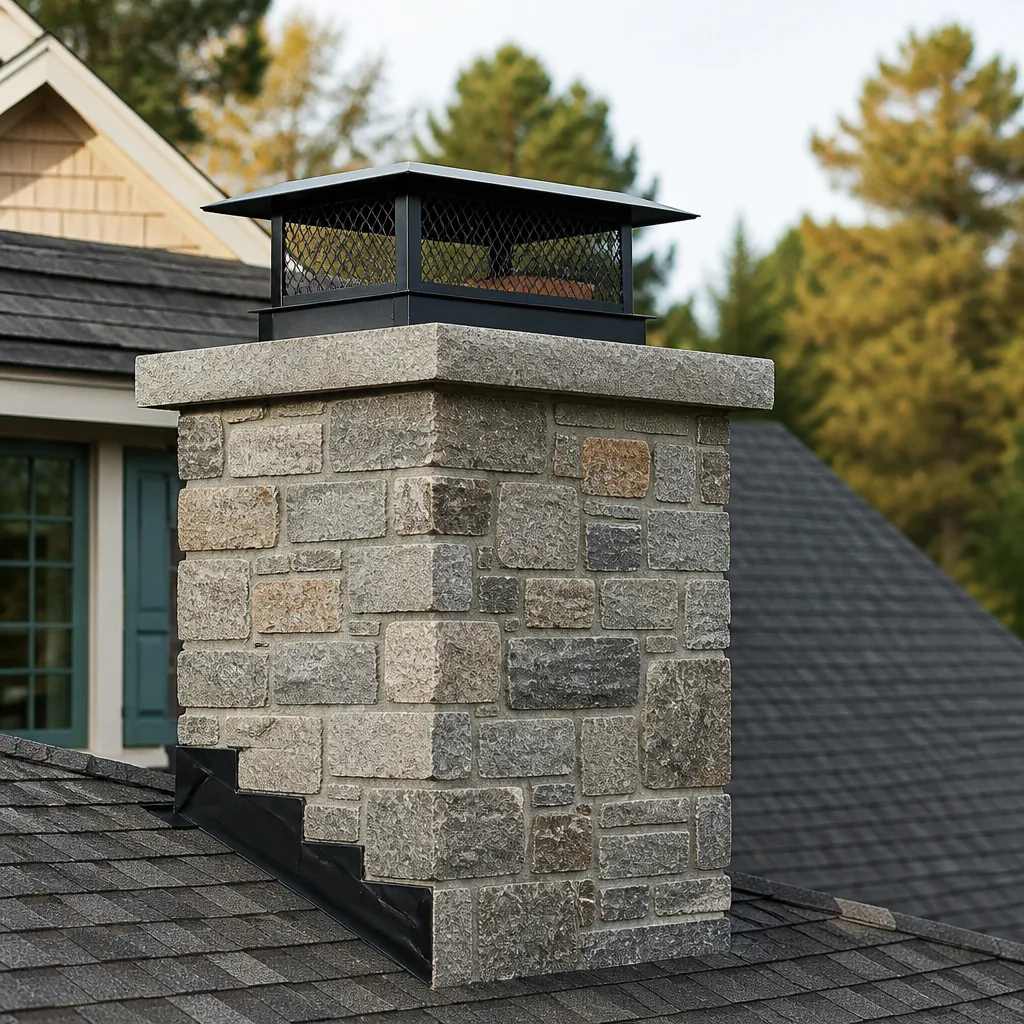 Caps & crowns
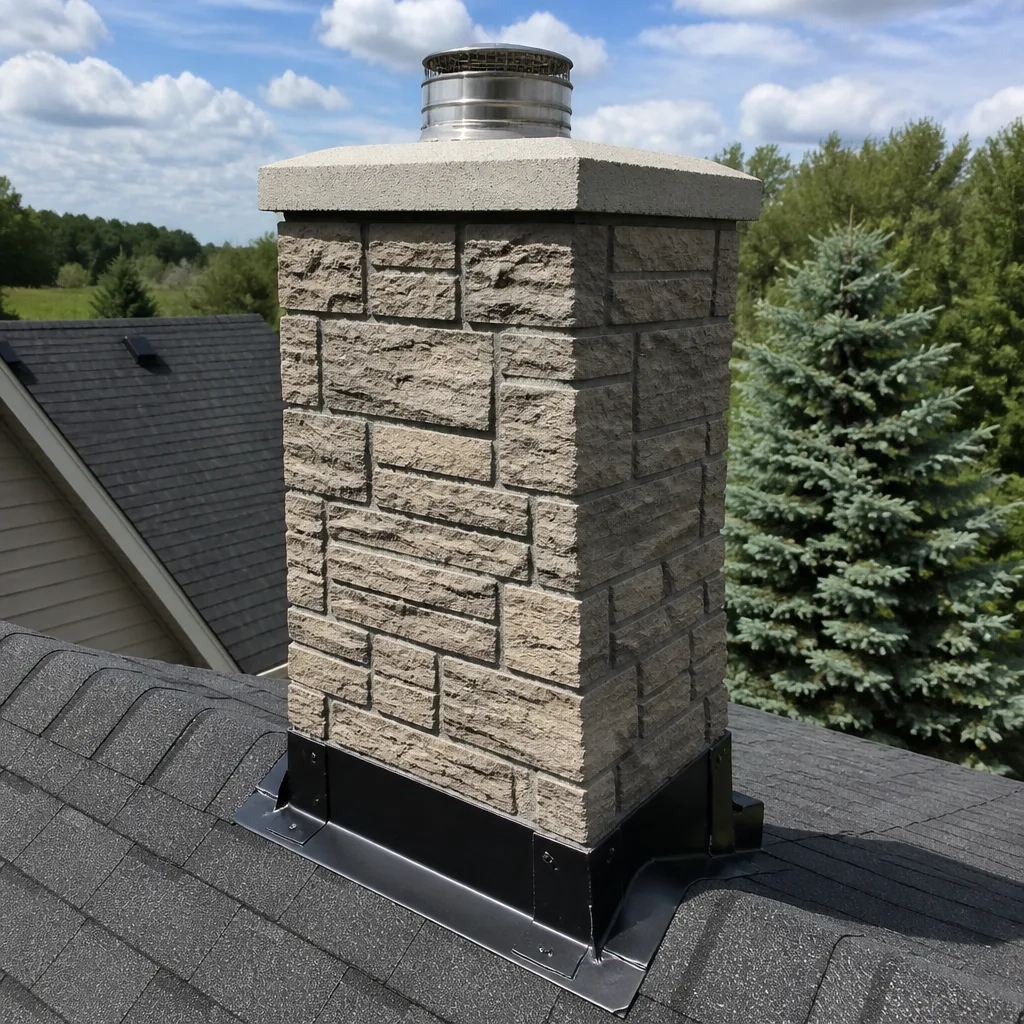 Flue relining
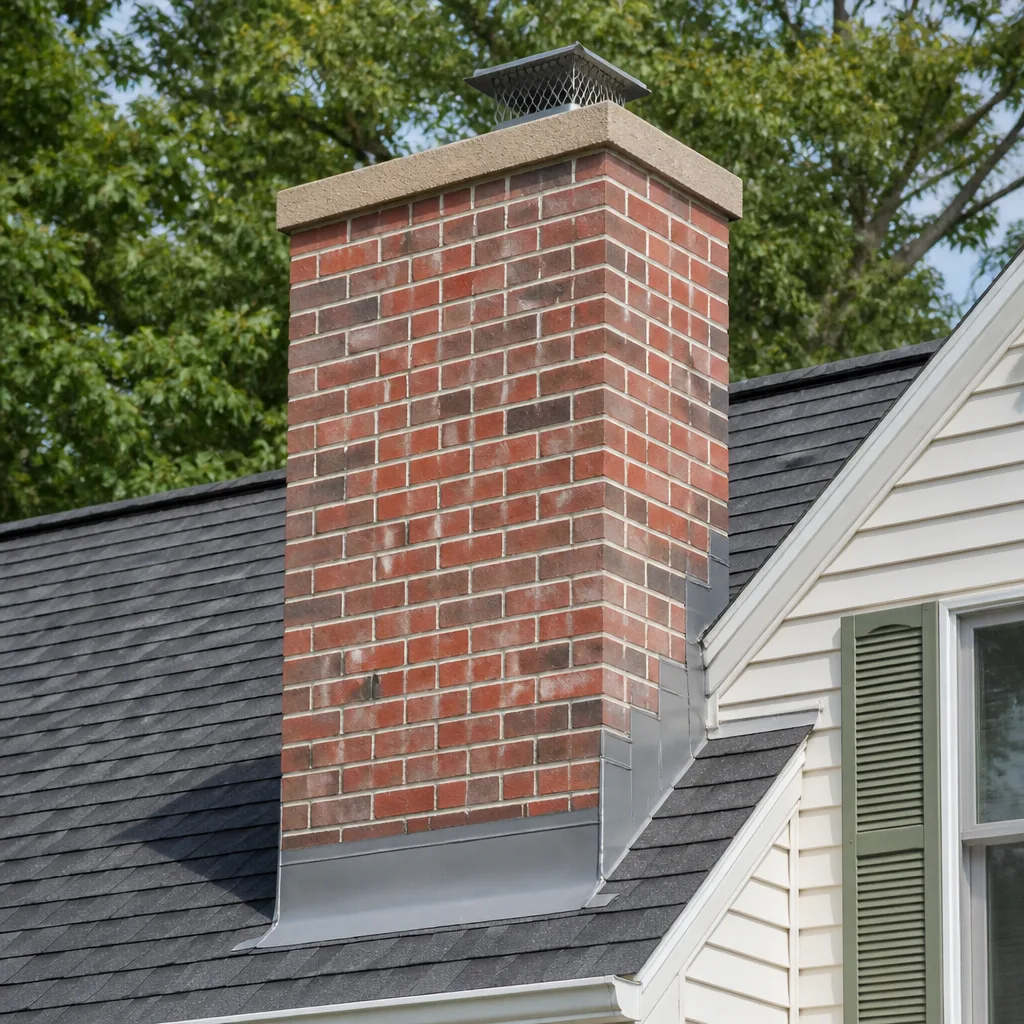 Masonry repair
Level 1 sweep and inspection to the NFPA 211 annual standard - flue, crown, cap, and flashing checked and photographed
Chimney sweep logs do not sweep chimneys. They loosen some creosote - which then falls where a brush and vacuum still have to collect it.
Why Great Kills Homeowners Choose HeatShield Chimney Cleaning
We provide independent HeatShield chimney cleaning service in Great Kills, NY, for homeowners whose flues have been resurfaced with a cast-in-place refractory liner. What makes our work different is that we assess the flue first and tell you honestly whether your HeatShield system needs cleaning, a crown and flashing repair, or a full reline. We’re an independent service provider, not affiliated with or authorized by HeatShield, and we say that plainly because it matters: our recommendation comes from what we find in your flue, not from a manufacturer relationship. HeatShield is a cast-in-place refractory liner poured inside an existing flue, so the work that counts most happens in the hands of an experienced local pro who knows the product and the building around it. In Great Kills, that also means knowing how salt air off the harbor treats exterior stacks and caps. Call (866) 937-8578 to book a sweep.
Why Trust Chimney Sweep Great Kills for Your HeatShield Chimney Cleaning?
Our technicians have up to 10 years of experience, and that time has been spent on the kind of liner systems Great Kills homes actually have. HeatShield work isn’t a parts swap. It’s a system, and it has to be serviced as one. A technician who doesn’t understand how a cast-in-place liner sits inside the flue can scrape the liner face with a rotary brush set too aggressive, or mistake crown staining for liner failure and push a reline you don’t need. We know the difference because we’ve seen both.
When a part has to be replaced, we use quality materials that fit HeatShield equipment. We’re clear about what that means: we don’t claim to stock or supply OEM HeatShield parts, and we’re not a HeatShield dealer. What we do is repair, install and service HeatShield systems with materials that perform in them correctly. That distinction protects you, because a mismatched refractory product or an aftermarket insulating substitute can undermine a liner that’s otherwise sound.
We also handle the warranty side carefully. We work in ways that keep your existing HeatShield installation performing as designed, and we document what we find with camera inspection and a photo report so anything we tell you is something you can see for yourself. That’s the standard for every job in Great Kills, whether it’s a routine sweep or a repair above the roofline.
Styles & brands we work with
- Sweep & inspection
- Caps & crowns
- Flue relining
- Masonry repair
- Gas fireplace service
Common HeatShield Chimney Cleaning Problems We Fix in Great Kills
HeatShield systems fail in predictable ways, and knowing the pattern is what separates a real diagnosis from a guess. Here are the problems we run into most in Great Kills, and why they happen.
- Surface spalling and hairline cracking in an aging cast-in-place liner. A prior flue fire or repeated thermal shock can leave the liner face cracked and flaking. A Level 2 inspection with video scanning usually finds this before it becomes a hazard, which is exactly why we inspect first and recommend second.
- An uninsulated or poorly insulated liner in an oversized flue. If the cast-in-place liner wasn’t properly insulated when it went in, the system loses efficiency and the surrounding masonry takes on moisture and staining. Great Kills homes near the harbor already fight damp air, so this shows up faster here than inland.
- Cracking or separation at the top termination. Where the liner meets the crown and cap, water can find a path into the flue. This is one of the most common reasons a HeatShield-lined chimney starts showing interior staining or a damper-area rust smell.
- Debris and creosote accumulation above and around the liner. Soot collects in places the original sweep couldn’t reach. Clearing it takes careful work so the liner surface isn’t scraped or damaged by aggressive tooling.
- Salt-air corrosion on exterior metal components. On the harbor-side blocks of Great Kills, marine air off Raritan Bay accelerates rust and cap failure. When a cap rusts through, water gets in and the liner takes the blame for a problem that started at the top.
That last point is why we take waterproofing seriously. Chimney waterproofing on the masonry above the roofline is often what keeps a sound HeatShield liner sound.
HeatShield Parts & Our Repair-vs-Replace Approach
HeatShield work is a system install, not a parts swap, so the only correct materials are genuine HeatShield refractory and insulating products. Aftermarket substitutes aren’t interchangeable and can void the performance of an existing cast-in-place liner. We won’t use them. When we service HeatShield equipment, we use quality parts that fit the system, and we’re upfront that we’re an independent shop, not a dealer or a factory-authorized installer.
Repair versus reline should be an honest decision, and we make it that way. A liner in otherwise sound condition with localized crown or flashing problems is worth repairing. One with active cracking or spalling usually points to a full reline rather than a patch, and we’ll say so directly. Nothing gets recommended without camera evidence you can review. If your liner is still doing its job, we’ll tell you that too, and we’ll tell you when work can safely wait.
If you’re unsure which side of that line your chimney falls on, call (866) 937-8578 for a free estimate. An inspection settles it.
Our HeatShield Service Process – Step by Step
- 1
Diagnosis. We start with a Level 2 Inspection, running a camera through the flue to see the liner face, the top termination, and the smoke chamber. If there’s a HeatShield cast-in-place liner, we check for spalling, hairline cracking and separation at the crown and cap.
- 2
Repair or install. If the liner is sound and the problem is above it, we repair the crown, reset flashing and waterproof the masonry. If the liner has failed, we lay out the reline options honestly, including which materials suit the flue.
- 3
Test. After the work, we confirm draft and check the termination for a tight seal at the crown and cap, so water has no path back in.
- 4
Documentation. You get a photo report of what we found and what we did. If warranty questions come up, you have a record of the liner’s condition and the work performed.
Soot and creosote removal happens alongside all of this, done carefully so the liner surface is protected rather than scraped.
See the difference
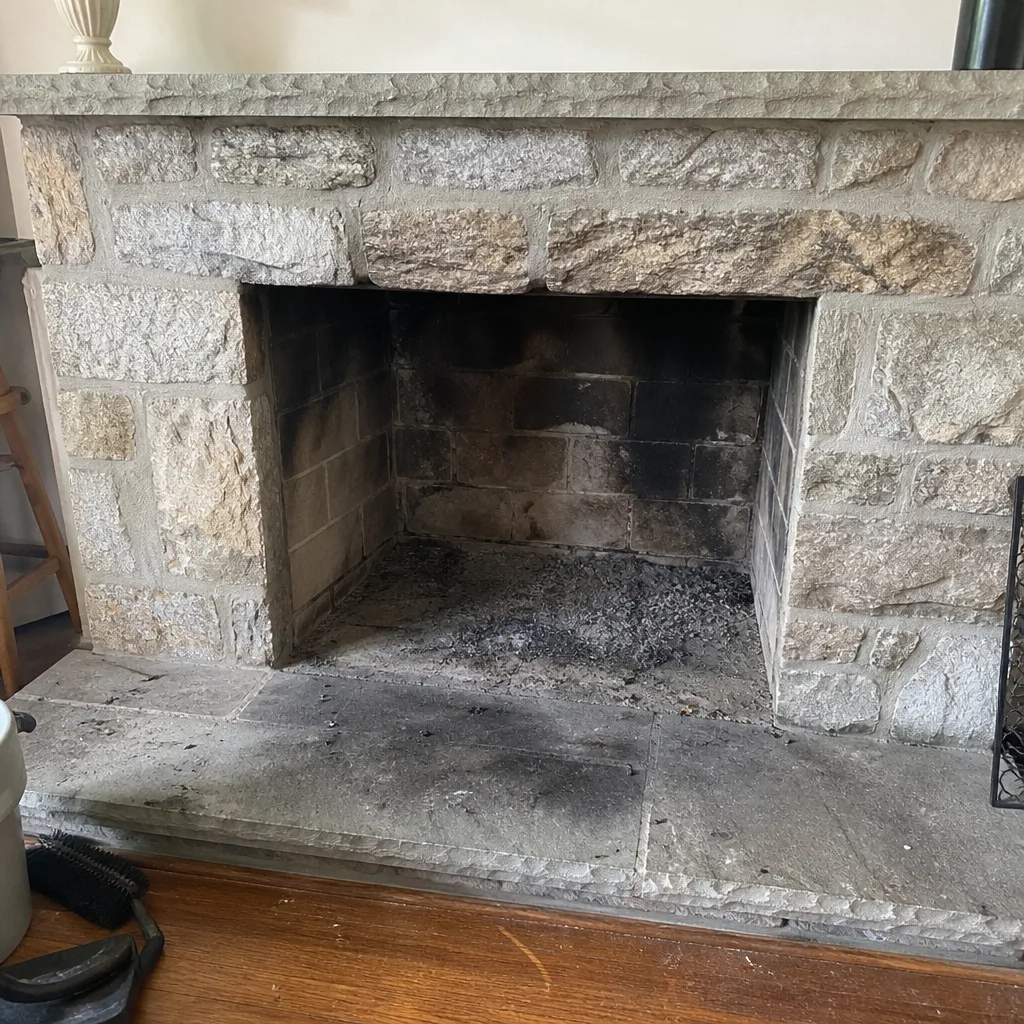 Before
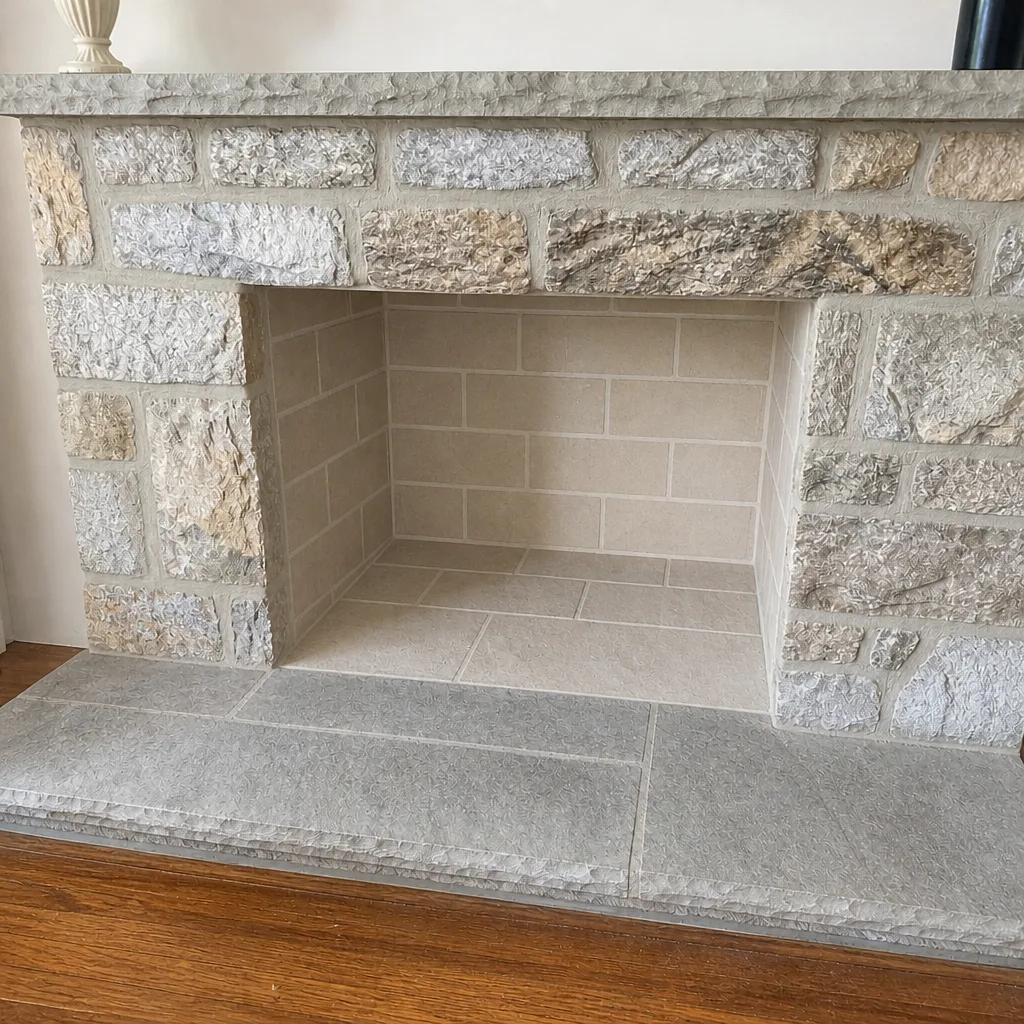 After
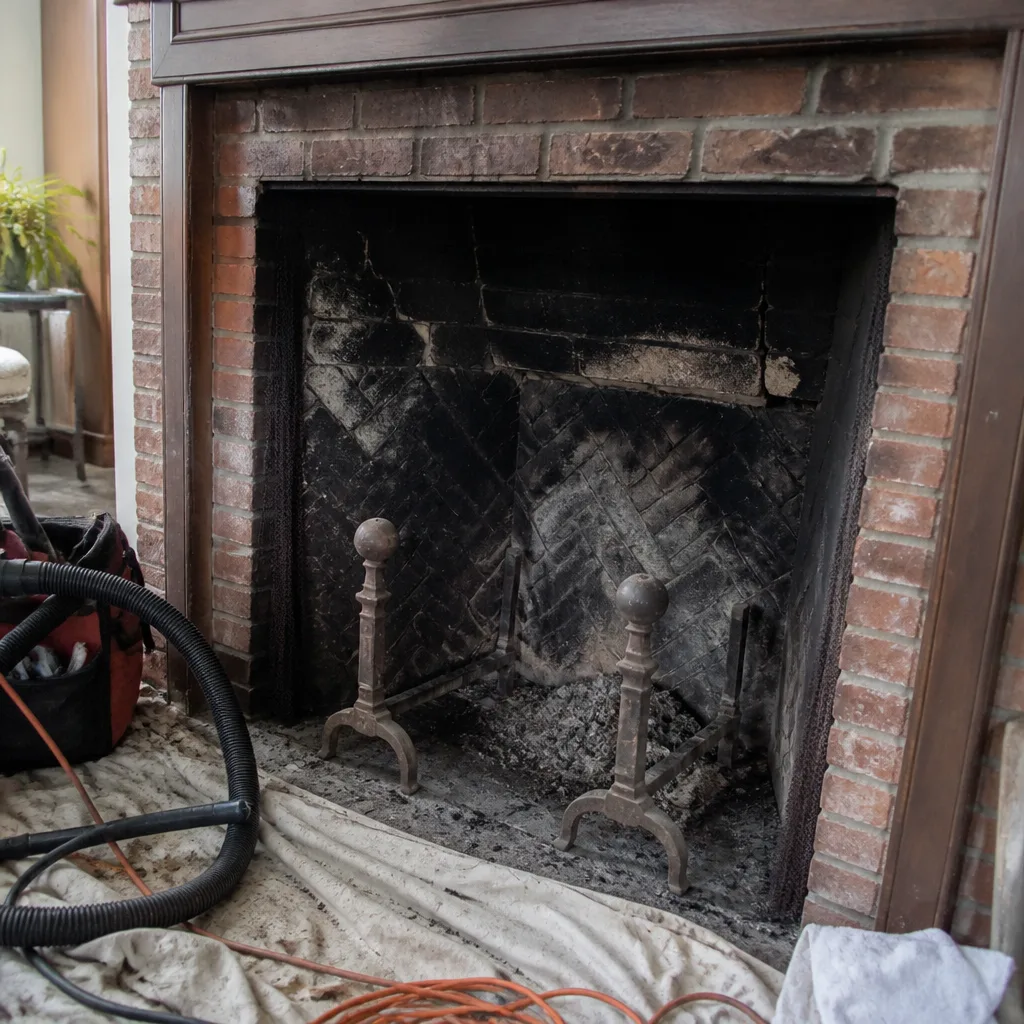 Before
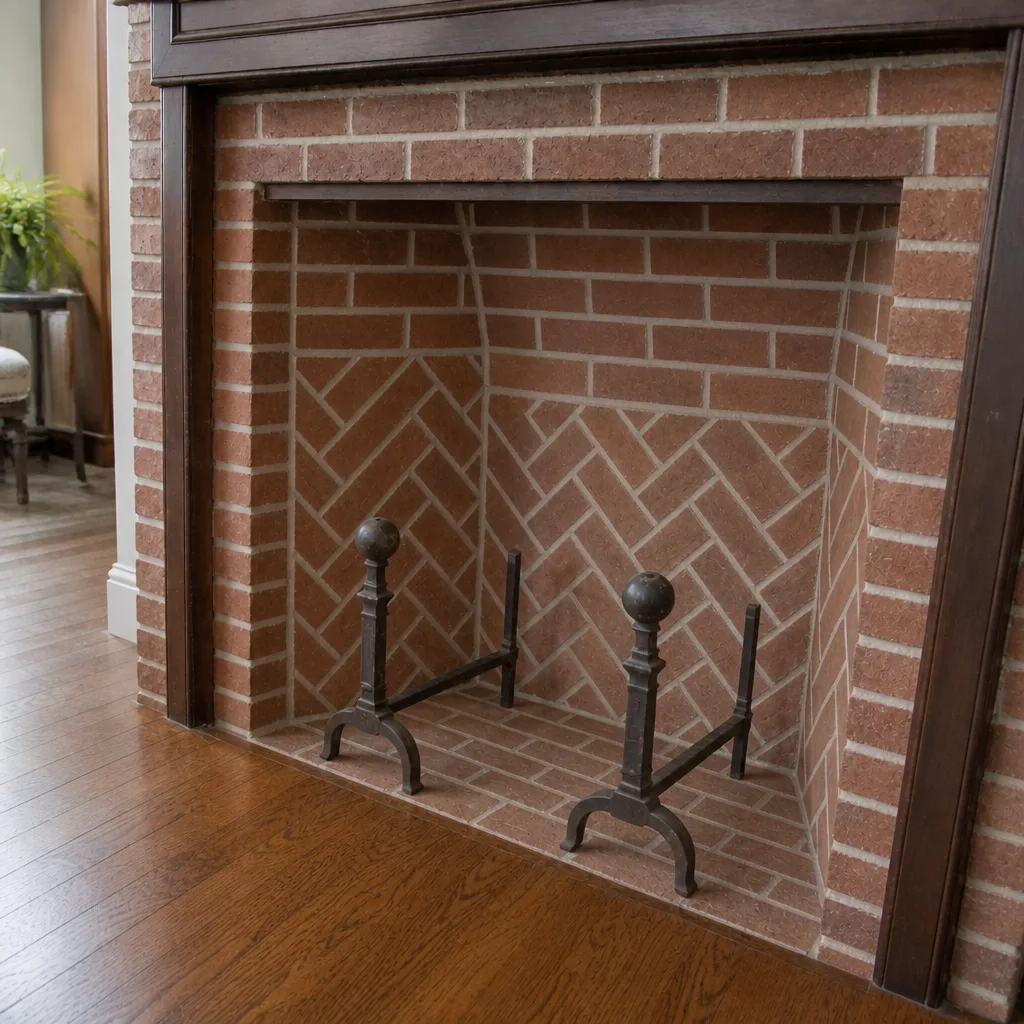 After
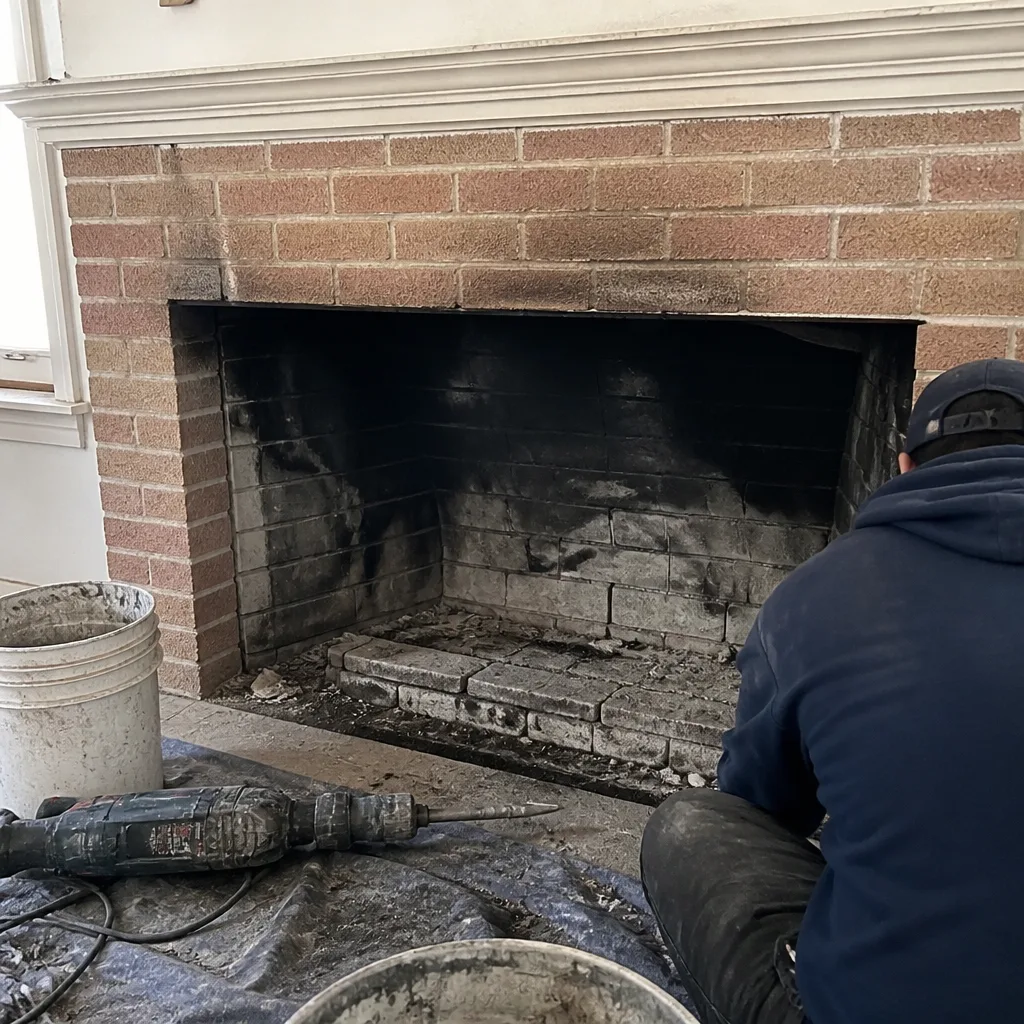 Before
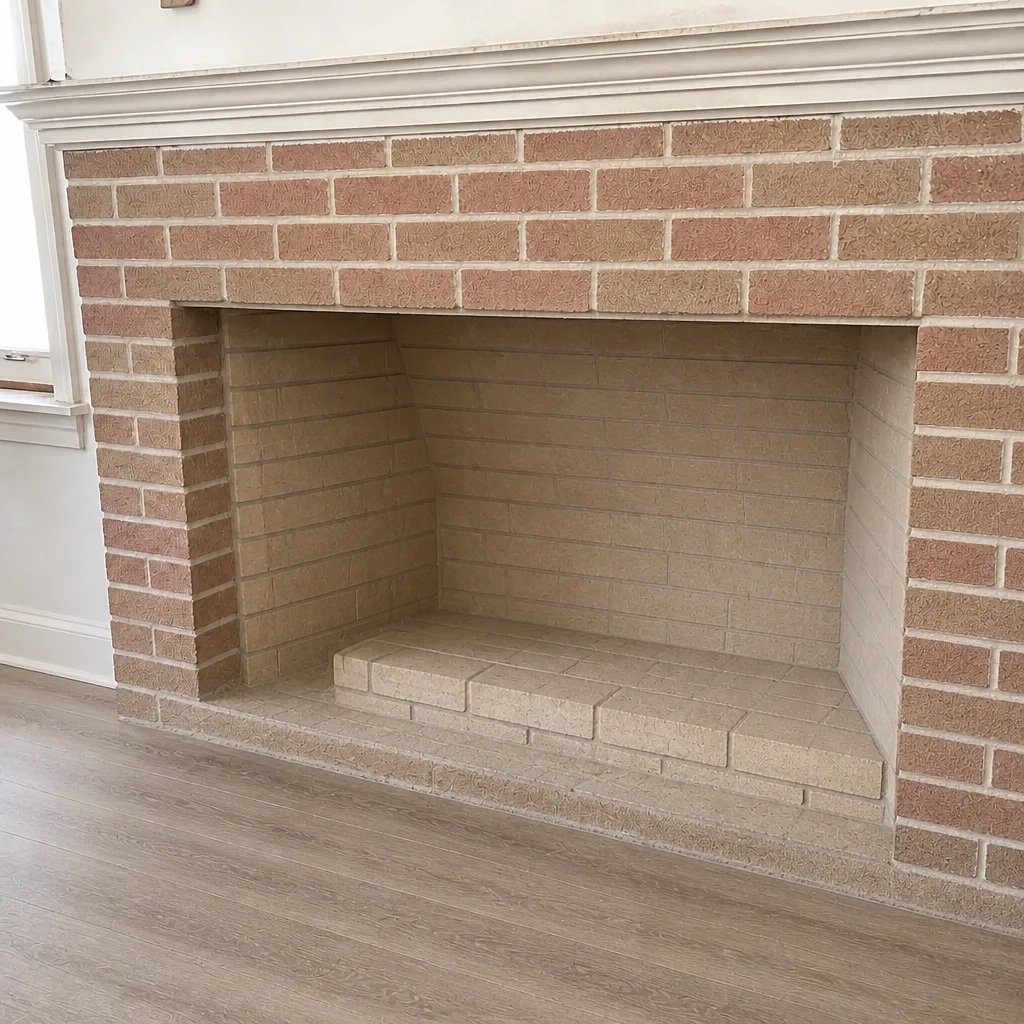 After
HeatShield Products We Service & Install in Great Kills
We service and install HeatShield systems built around the cast-in-place refractory liner, in both round and oval formats, and the insulating components that go with them: TherMix insulating mortar mix, the ceramic blanket insulation that completes an insulated system, and the TherCrete and TherMix-listed refractory cement products used in flue relining. We work with these as a system, because that’s how they perform.
In Great Kills, that matters for a specific reason. After Hurricane Sandy, many rebuilt homes added wood-burning inserts to chimneys that were originally built without a proper liner, and older masonry chimneys here often have unlined or clay-tile flues. A cast-in-place liner is one of the ways to correct that, but it has to be right for the flue in front of it. We assess the flue’s condition first and only then recommend relining.
We Also Service These Brands
We’re not a single-brand operation. Alongside HeatShield, we work with DuraFlex flexible stainless-steel liner systems and Gelco and Famco cap and crown components, plus Olympia Chimney and Copperfield products. That range matters when a HeatShield liner has genuinely failed. We can quote a DuraFlex or Gelco reline from the same visit, so you’re comparing real options from one contractor instead of coordinating two.
FAQs – HeatShield Chimney Cleaning Service in Great Kills
No. We are an independent HeatShield service provider, not affiliated with or authorized by HeatShield. We service, repair and install HeatShield systems as experienced local installers, and our recommendations come from our own inspection of your flue.
Yes. We use quality materials that fit HeatShield systems correctly, and we don’t use aftermarket substitutes where genuine refractory and insulating products are required, because substitutes aren’t interchangeable. Call (866) 937-8578 for an exact quote; estimates are free.
It depends on what the inspection finds. A sweep and inspection is a single visit, while crown and flashing repairs or a reline take longer and are scheduled after the diagnosis. We won’t promise a timeline before we’ve seen the flue, because the honest answer comes from the inspection.
We cover the cast-in-place refractory liner in round and oval formats, TherMix insulating mortar mix, the ceramic blanket insulation component, and the TherCrete and TherMix-listed refractory cement products used in relining. Call (866) 937-8578 and describe what you have; we’ll tell you what we can do.
Not when the service is done correctly, which is why we use materials that fit the system and avoid aggressive tooling on the liner face. We’re an independent shop, so we don’t speak for HeatShield on warranty terms. What we do is protect the installation and document its condition with a photo report.
Pricing is set per job by a written estimate after we’ve inspected the flue, so there’s no flat figure we can quote blind. The estimate is free, and camera inspection with a photo report is included. Call (866) 937-8578 for an exact quote.
Book Your HeatShield Service in Great Kills, NY
If your home has a HeatShield liner and you’re not sure whether it needs cleaning, a crown repair or a reline, start with an inspection. Call (866) 937-8578 for a free estimate. We answer 24/7, with fast dispatch from 7am to 7pm, Sunday through Friday. From firebox to cap, one call covers the whole chimney.
Written by the team at Chimney Sweep Great Kills.