
Last updated November 24, 2026
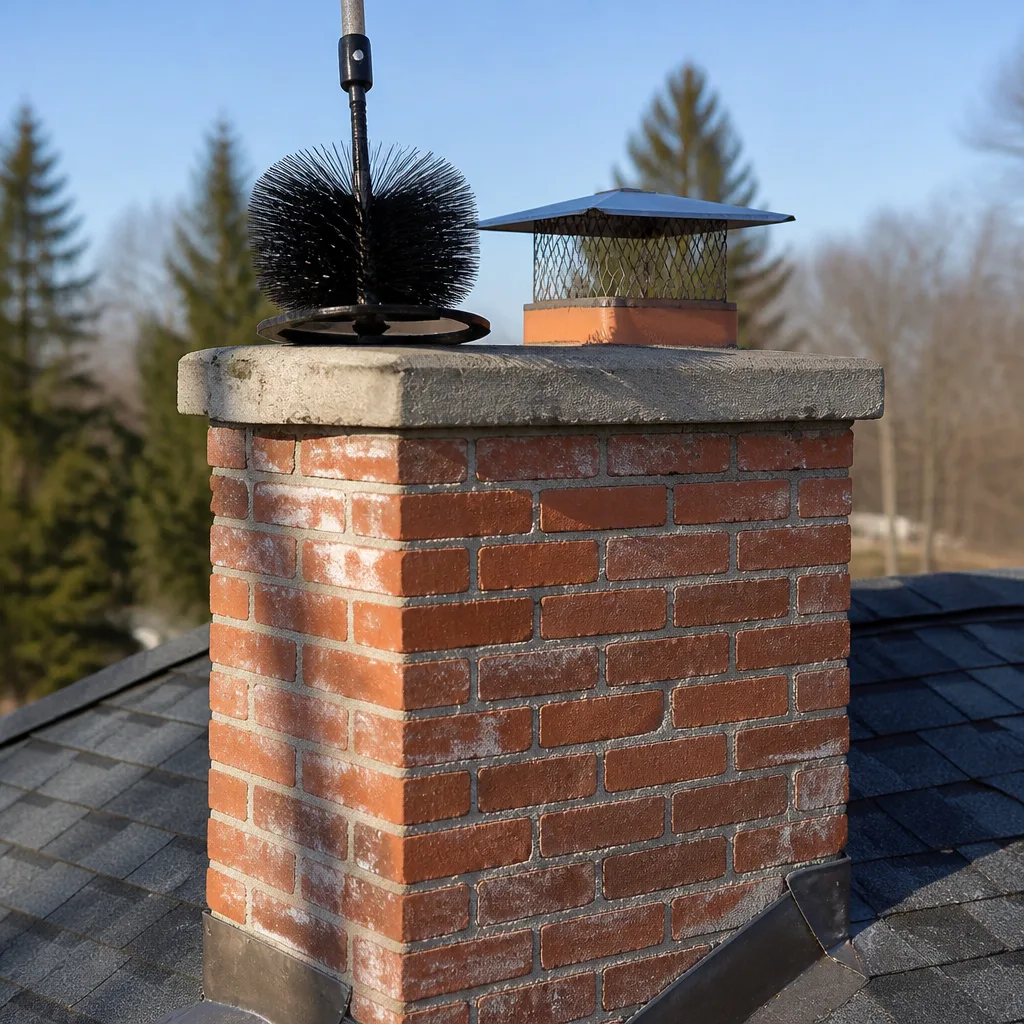 Sweep & inspection
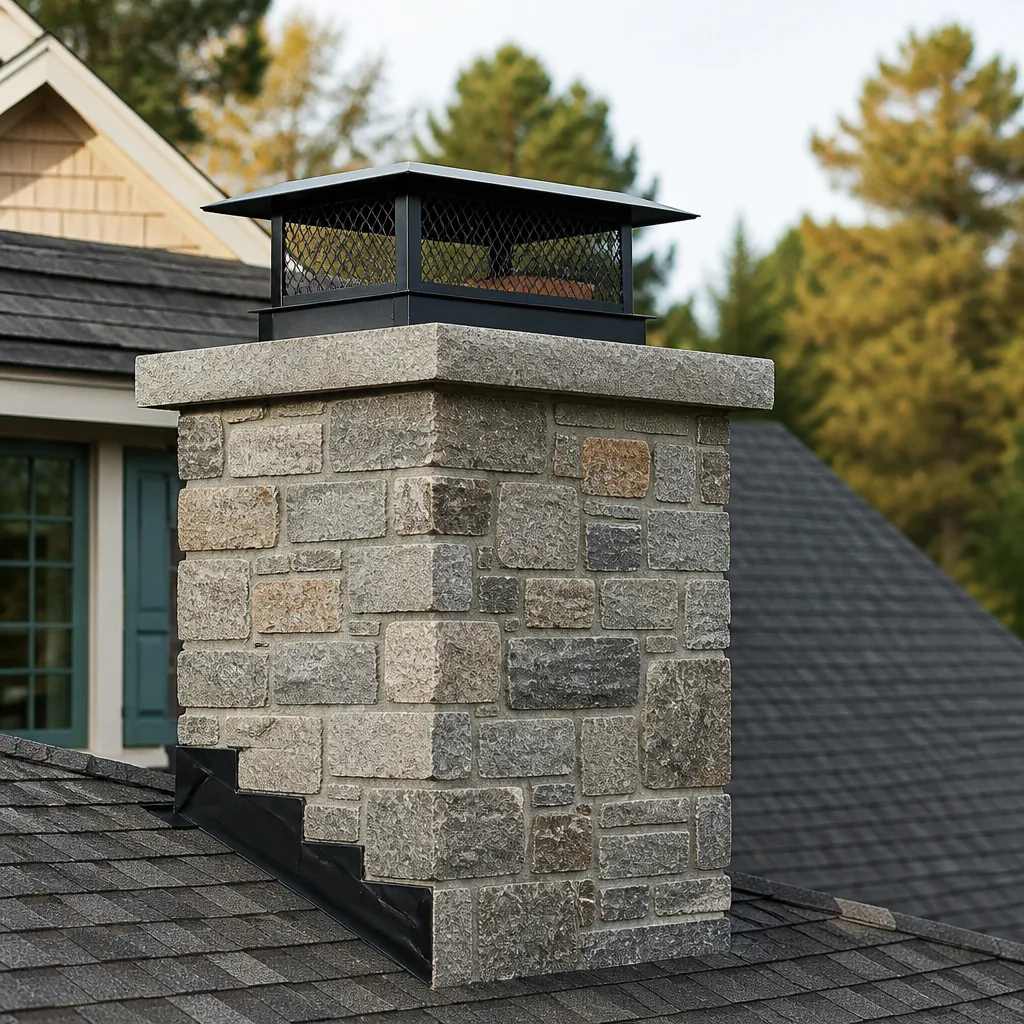 Caps & crowns
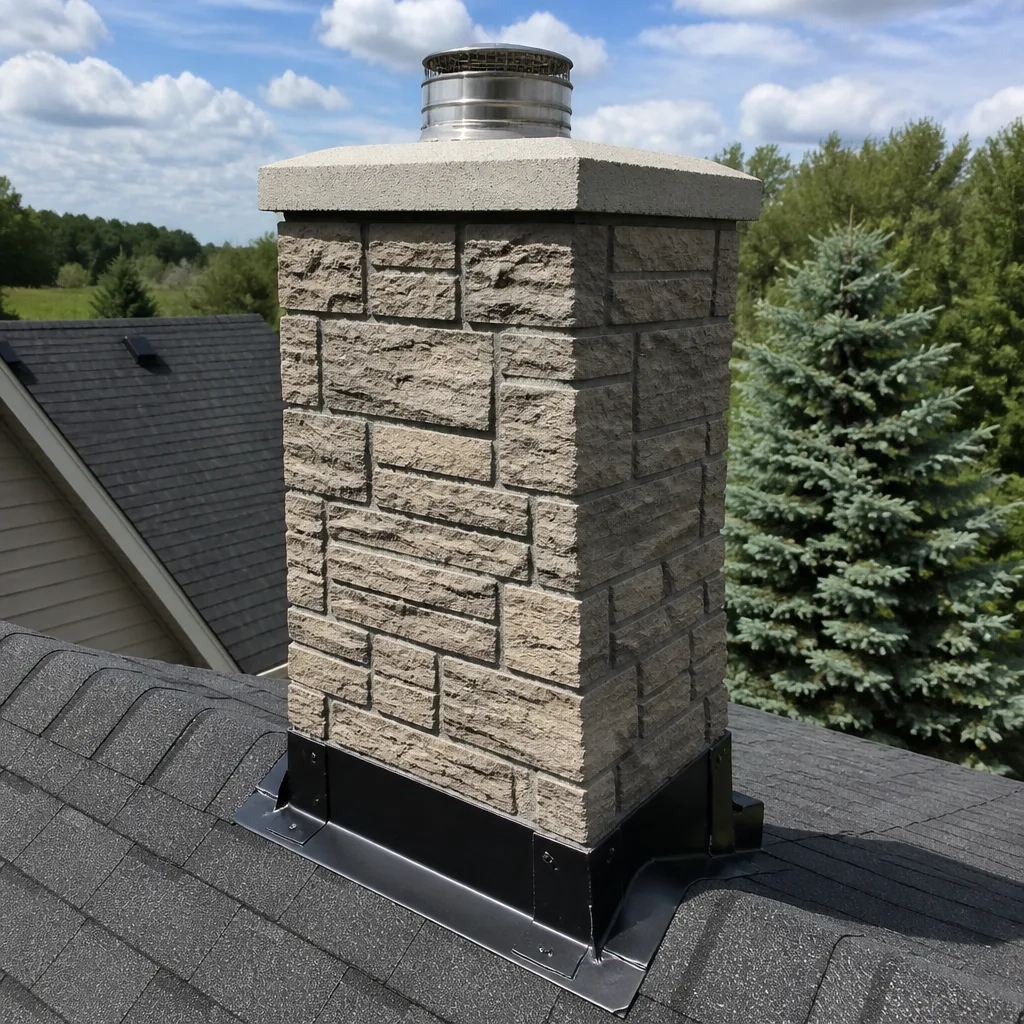 Flue relining
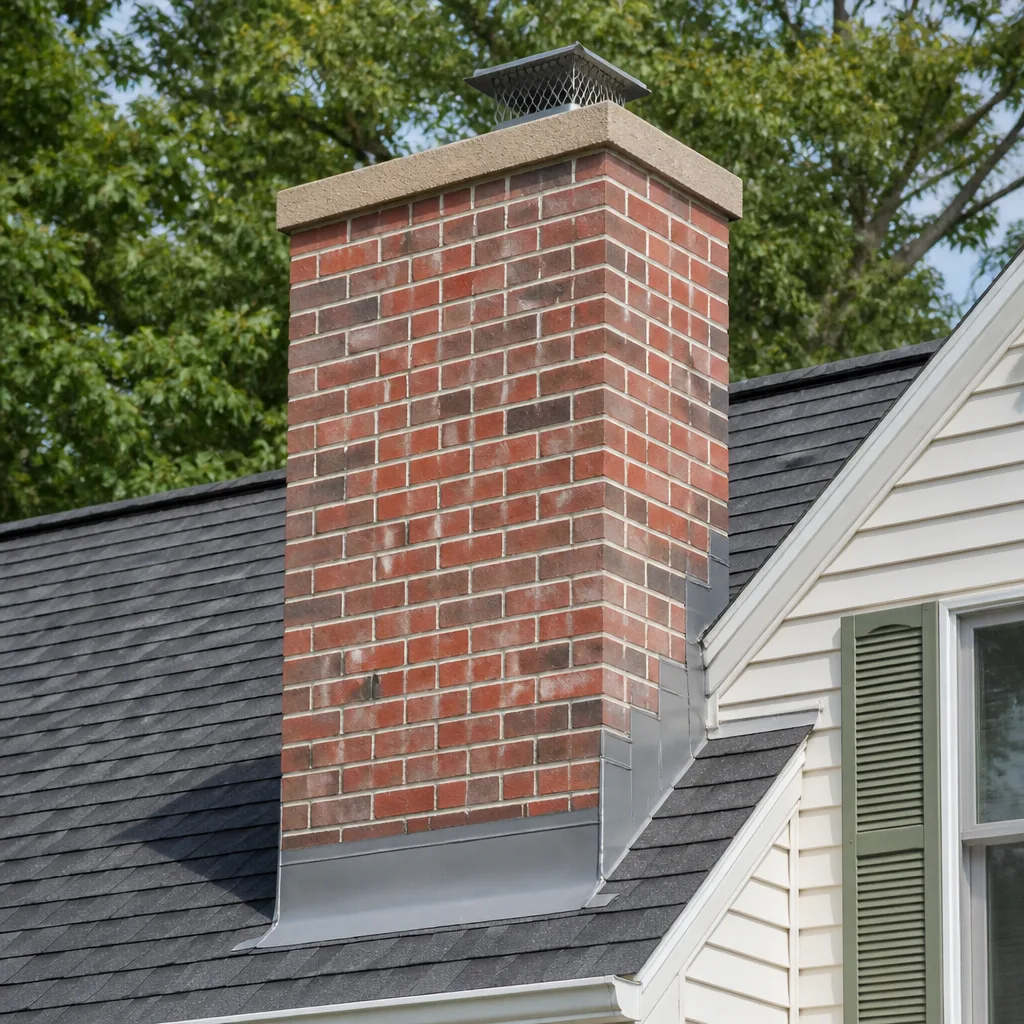 Masonry repair
 Gas fireplace service
Level 1 sweep and inspection to the NFPA 211 annual standard - flue, crown, cap, and flashing checked and photographed
Chimney sweep logs do not sweep chimneys. They loosen some creosote - which then falls where a brush and vacuum still have to collect it.
Chimney Sweep Maintenance Checklist for Great Kills Homeowners
The standard advice to “get your chimney cleaned once a year” skips the part that matters most. Long before you book an appointment, you can spot at least five failure indicators yourself, from ground level and from inside the firebox, with nothing more than your eyes. Those observations should be driving the conversation with your sweep, not the other way around. A vague “come take a look” call gets you a vague visit. A call that says “there’s white powder on the brick and a crack running across the crown” gets you a technician who arrives with the right materials. This guide gives Great Kills homeowners a real maintenance checklist, one built around observable evidence, organized by room and by season, so you walk into every appointment knowing what you’re looking at.
Quick Answer
A working chimney maintenance checklist for a Great Kills home covers four things: an annual professional sweep and inspection, a homeowner walkthrough of the firebox, damper, smoke chamber and roofline, a photo log you keep year to year as a baseline, and early detection of water damage at the crown and brickwork. Do the homeowner half monthly during burning season and the professional half once a year, and most repair bills stay small.
Styles & brands we work with
- Sweep & inspection
- Caps & crowns
- Flue relining
- Masonry repair
- Gas fireplace service
Table of Contents
- Why a Real Checklist Beats “Schedule an Annual Cleaning”
- The Firebox: What to Look For Without a Flashlight
- The Damper and Smoke Chamber: Signs You Can Feel and Hear
- The Roofline: What You Can Assess From the Ground
- Reading Creosote Stages Inside Your Firebox
- Building a Photo Log as Your Baseline
- Great Kills Conditions: Spalling, Efflorescence and Crown Cracks
- A Season-by-Season Schedule
- Turning Your Findings Into a Faster, More Accurate Quote
Why a Real Checklist Beats “Schedule an Annual Cleaning”
An annual cleaning is a task. A checklist is a method. The difference shows up in what gets caught early. A sweep who arrives once a year and brushes the flue is doing necessary work, but if nobody has been watching the crown, the brick face or the damper through the season, the first sign of trouble is often a stain on the ceiling rather than a hairline crack that could have been sealed.
Here’s the part most homeowners miss: your chimney tells you things in a specific order. Water damage usually announces itself at the top of the system first, then works downward. Creosote builds in stages you can see. A damper that’s starting to fail gives audible warnings before it seizes. Everything in the checklist below is arranged to catch those signals in the sequence they arrive.
In our experience across Great Kills, the homes that spend the least on chimney repair are not the ones that skip maintenance. They’re the ones whose owners know what deteriorated mortar looks like and call before a small repoint becomes a rebuild. That’s the whole point of doing the homeowner half of the checklist yourself.
What the homeowner half covers
- Visual checks at the firebox, damper and smoke chamber, no tools required
- Ground-level assessment of the roofline, crown and brick face
- Photo documentation that creates a year-over-year baseline
- Knowledge of the local conditions most likely to cause damage in Great Kills
The professional half is the sweep and inspection itself. Everything from firebox to cap deserves a trained eye at least once a year, and a chimney sweep who also inspects is doing two jobs in one visit. The two halves work together. Neither replaces the other.
The Firebox: What to Look For Without a Flashlight
Start at the firebox, and start when the fireplace is cold. You don’t need equipment. You need daylight and a few minutes of attention. The firebox is where the earliest evidence shows up, because it’s the part of the system that takes the most direct heat.
Look at the brick or refractory panels that line the firebox. Surface soot is normal. What isn’t normal: cracks wide enough to catch a fingernail, chunks missing from the mortar joints between firebricks, or panels that have separated from the wall behind them. A firebox with open joints lets heat reach the structure around it, and that’s a repair you want scheduled before the next burning season, not discovered mid-winter.
Check the firebox floor too. Ash is expected. Pitting, crumbling refractory material or a floor that feels soft underfoot is not. If the firebox floor is a poured refractory mix rather than brick, look for spiderweb cracking that has widened since you last looked.
The firebox walkthrough, in order
- Open the glass doors or screen and let your eyes adjust to the dark interior.
- Scan the back wall and side walls for cracks, missing mortar or loose panels.
- Look at the firebox floor for pitting, soft spots or crumbling material.
- Check where the firebox meets the hearth for gaps or separation.
- Note anything you find in your log and photograph it from the same angle each time.
Firebox damage is one of the reasons a fireplace repair visit is worth bundling with your annual sweep. A sweep cleans the flue; fireplace repair addresses the firebox, damper and hearth system that keep the whole thing safe to burn in.
The Damper and Smoke Chamber: Signs You Can Feel and Hear
The damper is the metal plate above the firebox that opens and closes the flue. You can assess most of its condition by hand and ear, without a camera. Open and close it a few times when the fireplace is cold. It should move smoothly and seat fully. A damper that grinds, sticks halfway, or won’t close flush is telling you something.
Pay attention to how the damper sits when closed. If you can see daylight around the edges or feel a steady draft coming down the flue on a cold day, the damper isn’t sealing. That matters for two reasons: heat escapes up the chimney when you’re not burning, and cold air and moisture come down when you are not. In Great Kills, where winters run cold and damp, a poorly sealing damper contributes to the moisture problems that show up at the crown later.
The smoke chamber sits above the damper, tapering from the firebox up to the flue. You can’t see most of it from below, but you can see the bottom edge. Look for heavy, glossy soot buildup at the smoke chamber throat, and for missing mortar where the chamber meets the flue. Those are things a technician should look at directly.
Damper and smoke chamber checklist
- Damper opens and closes without grinding or sticking
- Damper seats flush with no visible gap when closed
- No steady cold draft from the flue when the damper is closed
- No glossy, tar-like buildup visible at the smoke chamber throat
- No loose or missing mortar where the smoke chamber narrows
One caution: don’t reach up into the smoke chamber or try to work on the damper mechanism yourself. The smoke chamber is a confined space above the firebox, and damper hardware is heavy and under tension. Note what you see and leave the repair to a technician. Our technicians have up to 10 years of experience with damper and smoke chamber work, and they’ll show you what they find.
The Roofline: What You Can Assess From the Ground
You don’t need to get on the roof. Roof work at chimney height is genuinely dangerous, and it’s not a homeowner job. But you can assess a great deal from the ground with a pair of binoculars and a clear day. Walk to a spot where you have a straight view of the chimney, then work from the top down.
Start at the chimney cap. It should sit flat, cover the flue opening with a screen, and show no rust-through or missing sections. A cap that’s loose, dented or missing is one of the most common causes of water getting into a chimney. Then look at the crown – the sloped concrete or mortar surface at the very top. It should slope away from the flue so water runs off. Look for cracks, especially the kind that run from the flue outward to the edge.
Next, the brickwork. Uniform color and tight joints are what you want. Discolored patches, crumbling mortar joints, or bricks that look like they’ve shifted tell you the chimney is taking on water. Finally, look at the flashing where the chimney meets the roof. The metal should lie flat against both surfaces with no gaps or lifted edges.
Ground-level roofline checklist
- Cap present, intact, and screening the flue opening
- Crown slopes away from the flue with no cracks radiating outward
- Mortar joints tight, no crumbling or missing
- Bricks uniform in color and alignment
- Flashing lies flat at the roofline with no lifted edges
- No stains or streaks on the chimney face
If something at the top looks wrong, that’s a chimney cap & crown conversation, and it’s usually a small repair that prevents a large one. Cap and crown work using Gelco and Famco components addresses water intrusion at the source.
Reading Creosote Stages Inside Your Firebox
Creosote is the residue left behind by burning wood, and it builds in recognizable stages. You can see the early stages yourself, right inside the firebox and at the flue opening, without any camera. Knowing the stages helps you describe what you’re seeing accurately when you call.
The first stage is light, dusty soot. It brushes off easily and looks like fine gray ash coating the surfaces. The second stage is flaky and crusty, dark and brittle, and it doesn’t wipe off with a rag. The third stage is the one that matters most: glossy, hardened, tar-like buildup that looks almost varnished. That third stage is what fuels chimney fires, and it’s not something to address yourself.
Creosote stages at a glance
- Stage 1: light, dusty soot, gray and powdery, wipes off easily
- Stage 2: flaky, crusty, dark and brittle, does not wipe off
- Stage 3: glossy, hardened, tar-like, looks varnished, requires professional removal
Where to look from inside the firebox: the top of the firebox opening, the visible face of the damper frame, and as far up the flue as you can see from below. If the buildup there looks glossy and dark, that’s your cue to book a sweep rather than wait for the annual appointment.
Safety note: creosote is flammable, and the buildup stages above are exactly why chimney fires happen. Don’t try to scrape or burn off heavy creosote yourself. That’s a job for a trained technician with the right tools, and it’s a job with fire risk if done wrong. Call a professional.
Building a Photo Log as Your Baseline
The single most useful thing you can do for your chimney is start a photo log. Not because you’ll diagnose anything from it, but because deterioration is slow and easy to miss. A crack that looks small in March looks small again in October, unless you compare the two photos and see that it grew. Without a baseline, you have no way to tell whether what you’re looking at is new or has been there for years.
Set up a simple folder on your phone, name it something like “chimney log,” and take the same set of photos each time. Same angles. Same distance. Same location on the property. Consistency is what makes the log useful. The photos don’t need to be art – they need to be repeatable.
What to photograph, in order
- Chimney from the ground, straight on, filling the frame
- Chimney from ground level, side angle
- Close crop of the crown and cap, if your phone can zoom in that far
- Firebox interior, dead center, from the same spot each time
- Firebox back wall, close
- Damper, open and closed
- Hearth edge and the area where the firebox meets the hearth
Take the set once when you start the log, once before your annual sweep, and once after. Write a one-line note with each set: date, and anything you noticed. When you call for service and can say “the crown crack in the October photo is wider than the one from last spring,” you’ve changed the conversation from a diagnostic visit to a scheduled repair. That’s faster and it’s more accurate.
Great Kills Conditions: Spalling, Efflorescence and Crown Cracks
Great Kills sits on Staten Island, and the local climate puts specific stress on chimney exteriors that homeowners in drier regions don’t see as often. Cold winters, freeze-thaw cycles, and a good deal of seasonal moisture combine to attack the masonry from the outside in. The three warning indicators below are the ones to watch for on a Great Kills chimney.
Spalling brick
Spalling is when the face of a brick flakes off or crumbles. It happens when moisture gets into the brick, freezes, expands and pushes the surface away. Look for bricks where the flat face has popped off and left a rough, crumbly center. If you see spalling on a Great Kills chimney, moisture is already getting in, and the question is where.
Efflorescence
Efflorescence is the white, powdery staining that appears on brick and mortar. It’s a deposit left behind when water moves through masonry and evaporates off the surface. A little efflorescence is a warning sign. A lot of it, or efflorescence that keeps coming back after rain, tells you water is moving through the chimney at a steady rate. That’s water getting in somewhere above, and it’s worth a look.
Crown cracking
The crown is the first line of defense. When it cracks, water runs straight down through the crack into the chimney. On a Great Kills chimney, a crown that’s already been through a few winters is the most common place for water damage to start. A crack running from the flue outward is the one to take seriously, because it funnels water directly at the flue.
Here’s the good news: these three indicators show up on the outside of the chimney, where you can see them from the ground. You don’t need a camera or a ladder. Walk out with binoculars after a heavy rain, when the signs are most visible, and note what you see. If any of the three are present, mention all of them when you call. Building a baseline photo log of the crown and brickwork in Great Kills is well worth the five minutes it takes.
A Season-by-Season Schedule
The homeowner half of the checklist is easiest to keep if you tie each task to a season. Great Kills has a real winter and a real burning season, and the calendar below spreads the work so nothing piles up.
Spring: after the burning season ends
- Do a full photo log set while the weather is good
- Ground-level roofline check, especially the crown after freeze-thaw
- Look for efflorescence and spalling on the chimney face
- Book your annual sweep and inspection for the coming season
Summer: the planning window
- Any repairs identified in spring get scheduled now, before the season rush
- Check the cap and crown again after summer storms
- Review last year’s photo log against the spring set
Fall: before the first fire
- Damper check by hand: opens and closes cleanly, seats flush
- Firebox walkthrough: cracks, mortar, floor condition
- Visible creosote check at the flue opening
- Make sure the cap screen is intact before burning starts
Winter: during the burning season
- Note any change in draft or smoke behavior
- Look for water staining on the chimney face after storms
- Keep an eye on the firebox for new cracks
- If heavy creosote is visible or the draft changes, stop burning and call
This is a schedule, not a set of rules. If something looks wrong, it’s worth a call regardless of the season. The point of the calendar is to make sure the easy checks actually happen before they become urgent.
Turning Your Findings Into a Faster, More Accurate Quote
When you call for service with specific observations, the conversation is shorter and the visit is more productive. A technician who knows in advance that there’s spalling on the south face, a crack running across the crown and a damper that won’t seat will bring the right materials and plan the time accordingly. A vague call gets a vague visit, and everyone ends up with a second appointment.
Here’s how to prepare before you call. It takes five minutes and makes the whole process easier.
Prep steps before you call
- Pull your most recent photo log set and have it ready.
- Write down what you’ve seen, in plain language: cracks, stains, drafts, anything that feels different.
- Note the last time the chimney was swept, if you know.
- List which of the four zones have issues: firebox, damper, roofline, exterior brickwork.
- Ask for a written estimate before booking, so the price is set before anyone arrives.
In our experience, the homeowner who calls with findings and photos gets an accurate scope faster, and the parts of the system that need attention don’t get missed in the visit. From firebox to cap, a good inspection covers the whole system, and a prepared homeowner helps make that happen.
If you’ve done the checklist and want a second opinion, the local pros we connect you with are licensed and insured as their state requires, and the sweep is booked around your findings.
Common Mistakes to Avoid
- Waiting for the annual cleaning to check anything. A year is a long time for a crown crack to widen. The monthly checks during burning season catch changes while they’re still small.
- Assessing the roofline from the roof instead of the ground. Chimney-height roof work is genuinely dangerous. Use binoculars from the ground, and leave anything on the roof to a technician.
- Confusing smoke staining with creosote stage. Soot washes off. Glossy Stage 3 buildup does not, and it’s a professional-removal job. If you’re not sure which you’re looking at, describe it accurately when you call.
- Ignoring white staining on brickwork. Efflorescence on a Great Kills chimney usually means water is moving through the masonry. It’s not cosmetic, and it’s not going to stop on its own.
- Skipping the photo log because it seems like busywork. Without a baseline you can’t tell whether the crack is new or old, and the whole value of the log is comparison over time.
- Burning off heavy creosote or scraping it yourself. Creosote is flammable. Removing it takes the right tools and technique, and doing it wrong can start the fire you’re trying to prevent.
- Calling for a quote without findings. A vague call gets a vague visit. A call with photos and specific observations gets a scheduled repair instead of a diagnostic appointment.
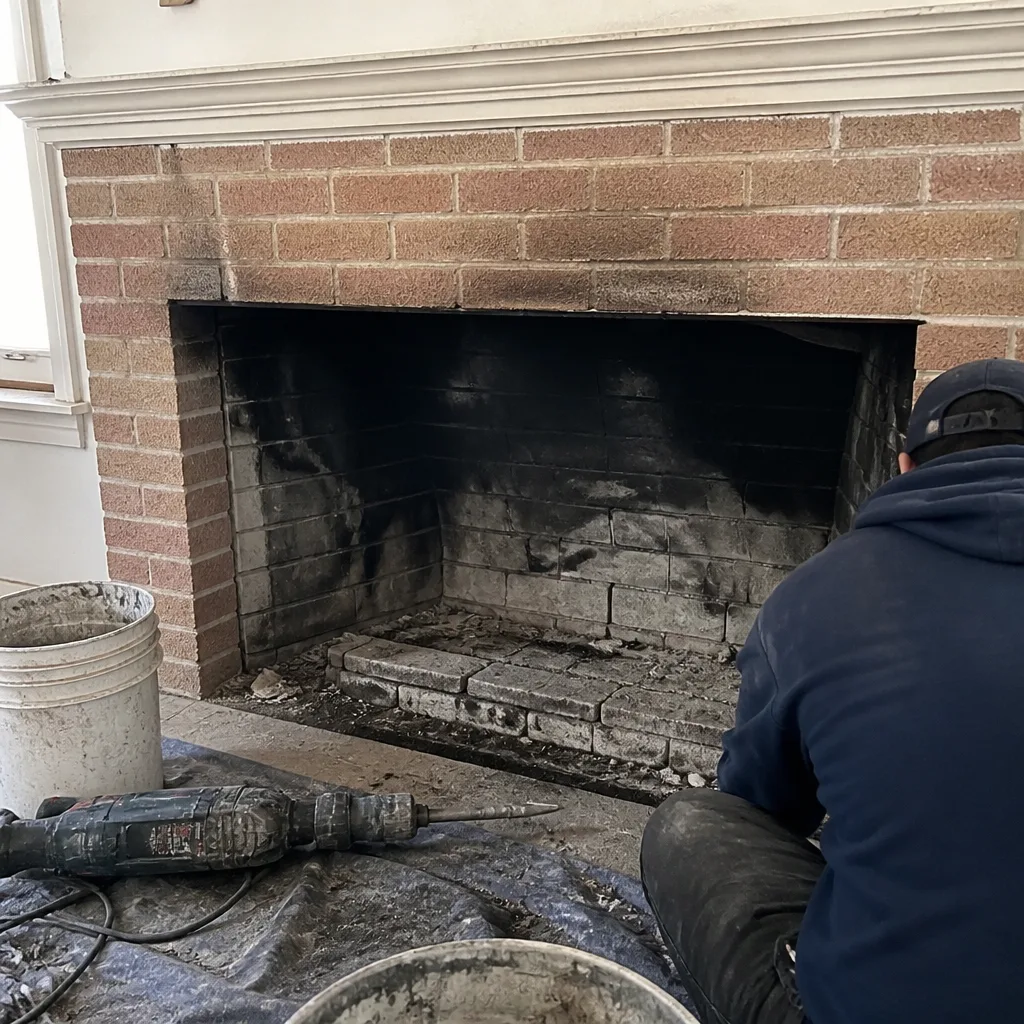
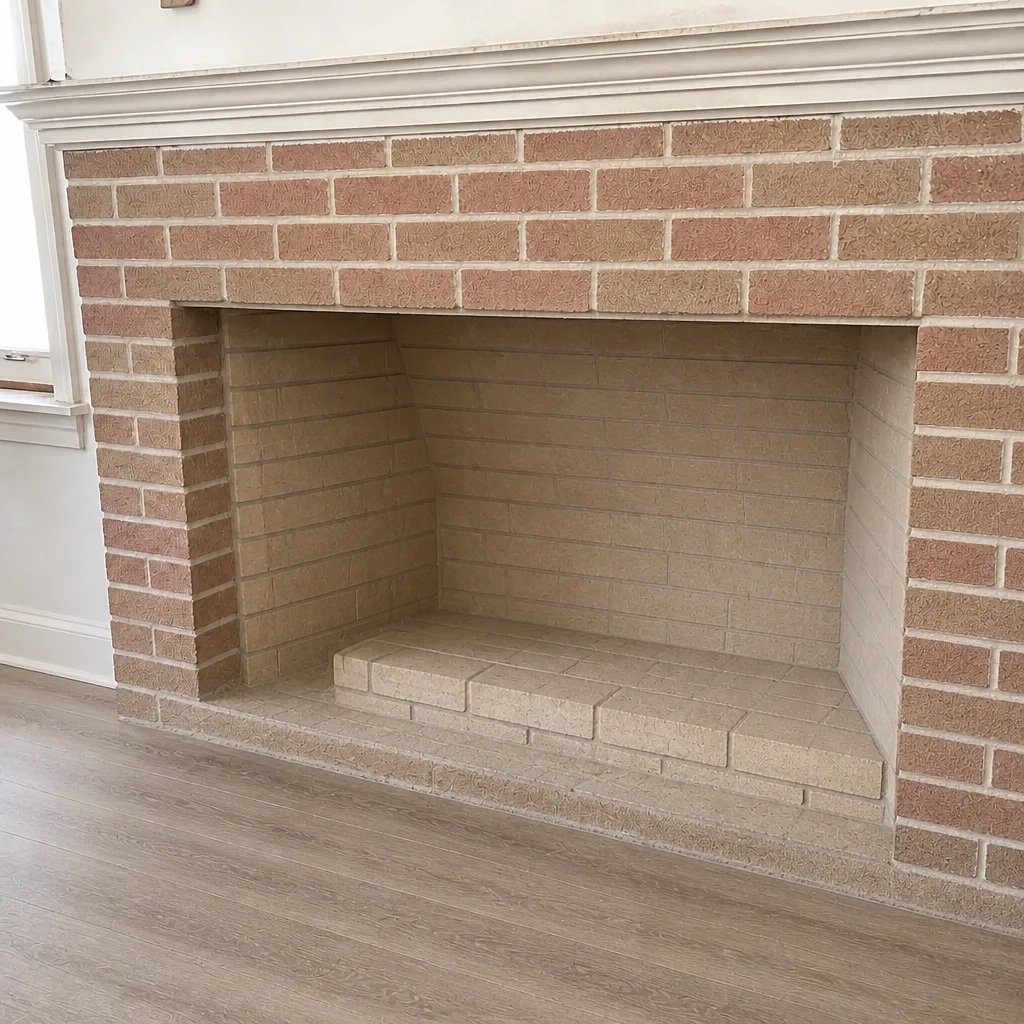
See the difference
 Before
 After
 Before
 After
 Before
 After
When to Call a Professional
Some findings are homeowner notes. Others are calls to make today. Call a professional if you see glossy, tar-like creosote inside the firebox or flue opening; if the firebox has cracks wide enough to catch a fingernail or missing mortar joints; if the damper won’t close or open without force; if the crown has a crack running from the flue outward; if smoke backing into the room has changed noticeably during burning; if you see spalling brick or persistent efflorescence on the chimney face; or if you smell gas anywhere near the fireplace. These are the findings that need a trained technician, and most of them are safety issues first and repair issues second.
Chimney Sweep Great Kills offers free estimates in Great Kills. Call (866) 937-8578. We answer 24/7, and fast dispatch runs from 7am to 7pm, Sunday through Friday. Your written estimate sets the final price, and nothing is recommended without camera evidence you can see yourself.
For the full picture of what we do, start with Chimney Sweep Great Kills, or book a visit and we’ll walk the whole system with you.
Frequently Asked Questions
Once a year for most wood-burning fireplaces, and more often if you burn heavily or notice heavy creosote buildup. A gas fireplace usually needs less frequent sweeping but still needs an annual inspection. In Great Kills, the cold winters mean most households burn through a real season, so the annual sweep is a sound baseline. If the checklist turns up Stage 3 creosote, don’t wait for the year to come around. Call (866) 937-8578 for an exact quote. Estimates are free.
Pricing is per job, set by a written estimate before anyone arrives, which is why we ask for your checklist findings first. A sweep with an inspection is one visit. Adding repair work from the findings changes the scope, and the written estimate is what sets the final price. Call (866) 937-8578 for an exact quote. Estimates are free.
You can do the homeowner half: visual checks at the firebox, damper and roofline, and the photo log. That’s the point of this guide. What you can’t do safely is work on the damper mechanism, remove heavy creosote, or get on the roof. Those are technician jobs. The two halves are designed to work together, and the checklist makes the technician visit more productive.
Creosote accumulates, and once it reaches the glossy third stage it’s a fuel source for chimney fires. Separately, an annual inspection is when small damage gets caught: a crown crack, a spalling brick, a damper starting to fail. Skipping the sweep and inspection doesn’t stop these things from happening. It just means they get discovered later, when the repair is bigger. Call (866) 937-8578 for an exact quote. Estimates are free.
Not every chimney needs a liner, and the way to know is a camera inspection, not a guess. When a liner does need work, there are options: DuraFlex flexible liner systems are the industry standard for relining a deteriorated or undersized flue, and HeatShield resurfacing can repair a compromised flue without a full tear-out. That second option is the cost-saving answer most single-service sweeps can’t offer, because it requires HeatShield-certified application. Nothing is recommended without camera evidence you can see for yourself. Call (866) 937-8578 for an exact quote. Estimates are free.
Water intrusion at the crown, showing up as spalling brick, efflorescence and crown cracks. The freeze-thaw cycle over a Great Kills winter works on the masonry from the outside in, and the crown is the first line of defense. Catching it at the spalling stage usually means cap and crown work with professional-grade components. Catching it after the brick face has failed is a bigger repair. That’s why the ground-level roofline check is in the monthly routine. Call (866) 937-8578 for an exact quote. Estimates are free.
The Bottom Line
A chimney maintenance checklist earns its keep when it tells you what to actually look for. The firebox shows firebrick and refractory condition. The damper and smoke chamber show themselves by feel and sound. The roofline shows the crown, cap and brickwork from the ground. Creosote builds in three visible stages, and only the third is a stop-burning call. The photo log is what makes comparison over time possible, and the Great Kills-specific trio of spalling, efflorescence and crown cracking is what your monthly outside check is really about. Do the homeowner half monthly, book the professional half once a year, and the findings turn a vague call into a scheduled repair.
One contractor can handle the whole system, from firebox to cap: sweep, inspection, fireplace repair, chimney cap & crown, and relining with DuraFlex and Copperfield. If your checklist turned up anything worth a look, or you just want a baseline before the next burning season, call (866) 937-8578. We answer 24/7. Fast dispatch from 7am to 7pm, Sunday through Friday. The estimate is free, and it’s the foundation for everything we recommend.
Written by the team at Chimney Sweep Great Kills.