
Last updated November 24, 2026
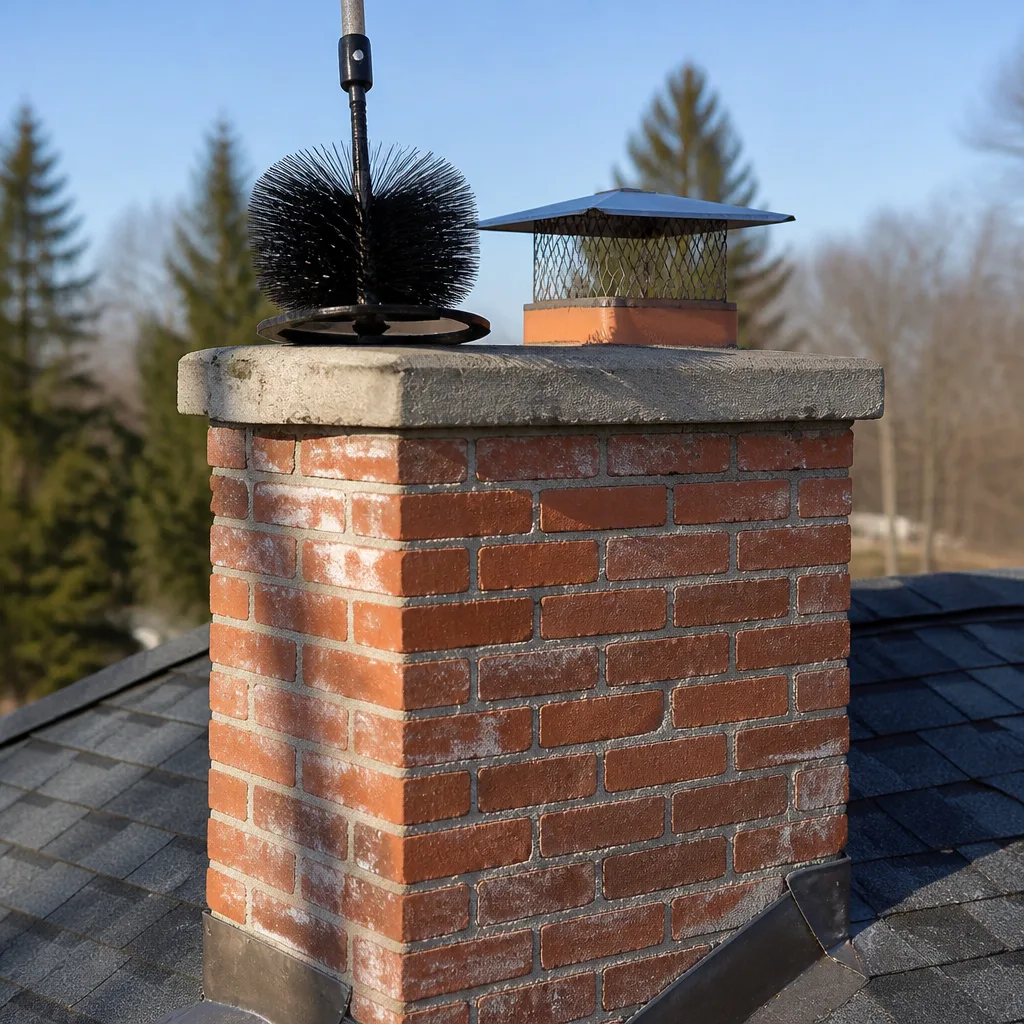 Sweep & inspection
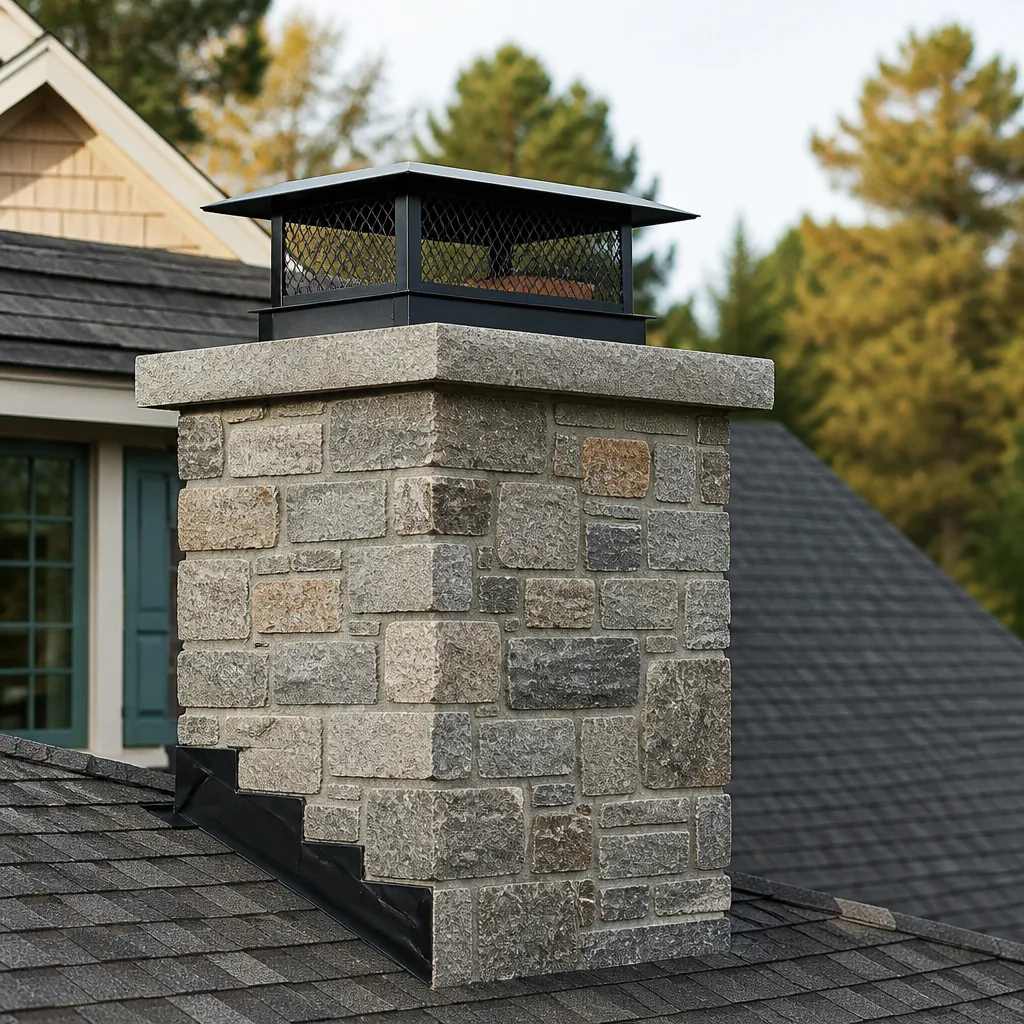 Caps & crowns
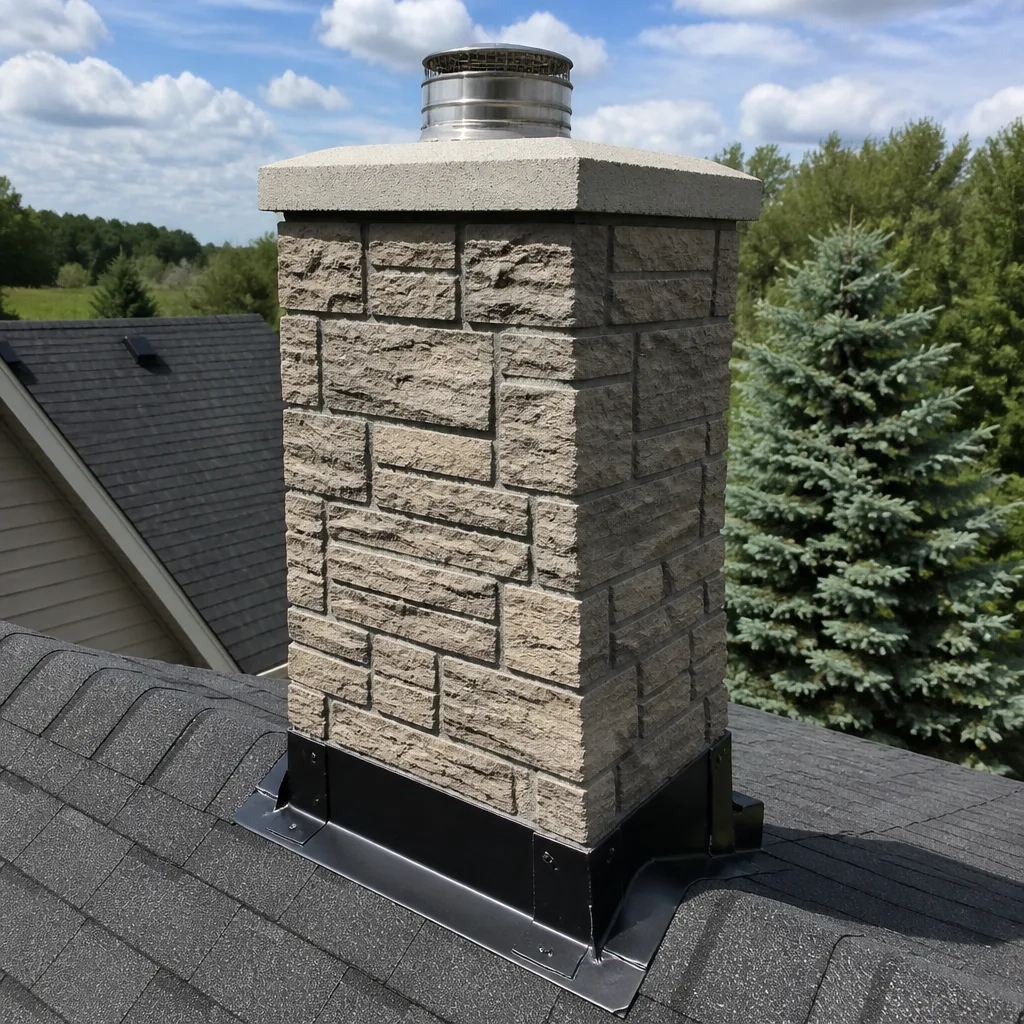 Flue relining
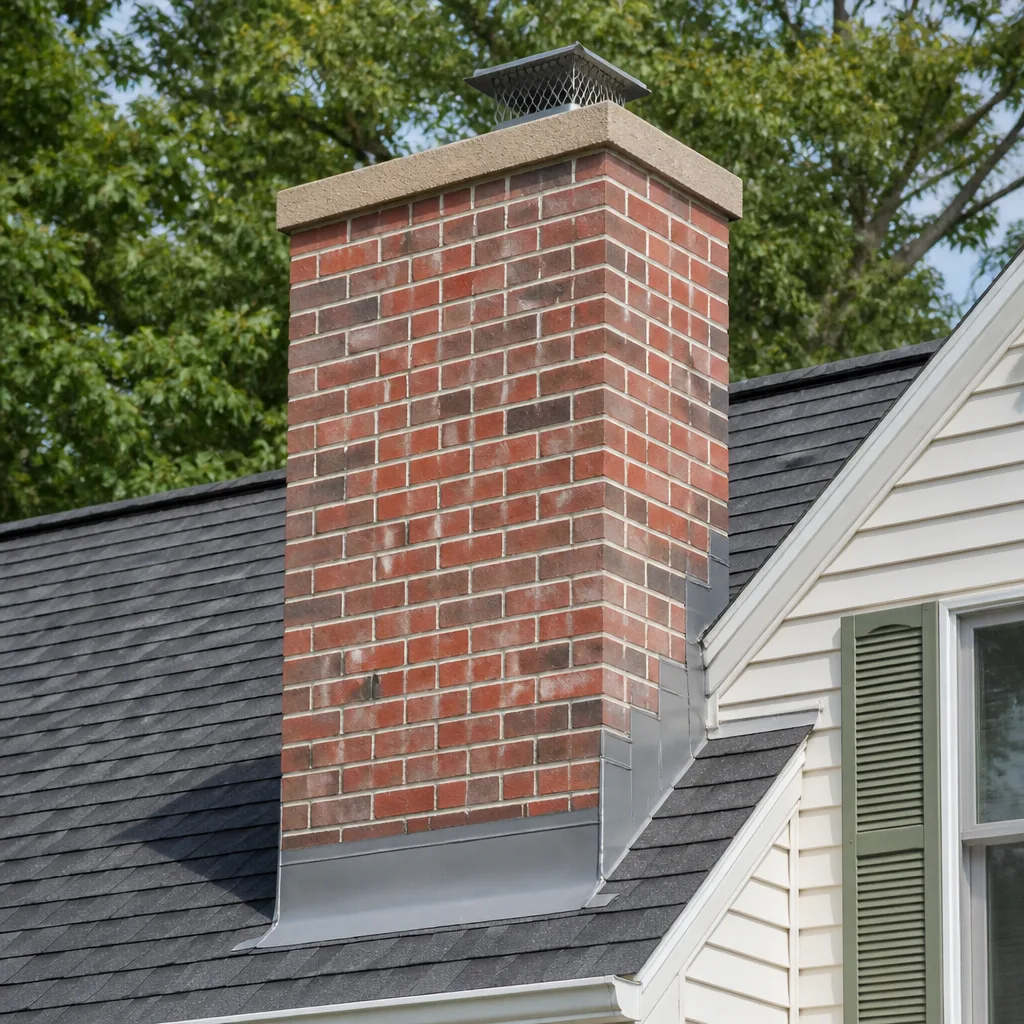 Masonry repair
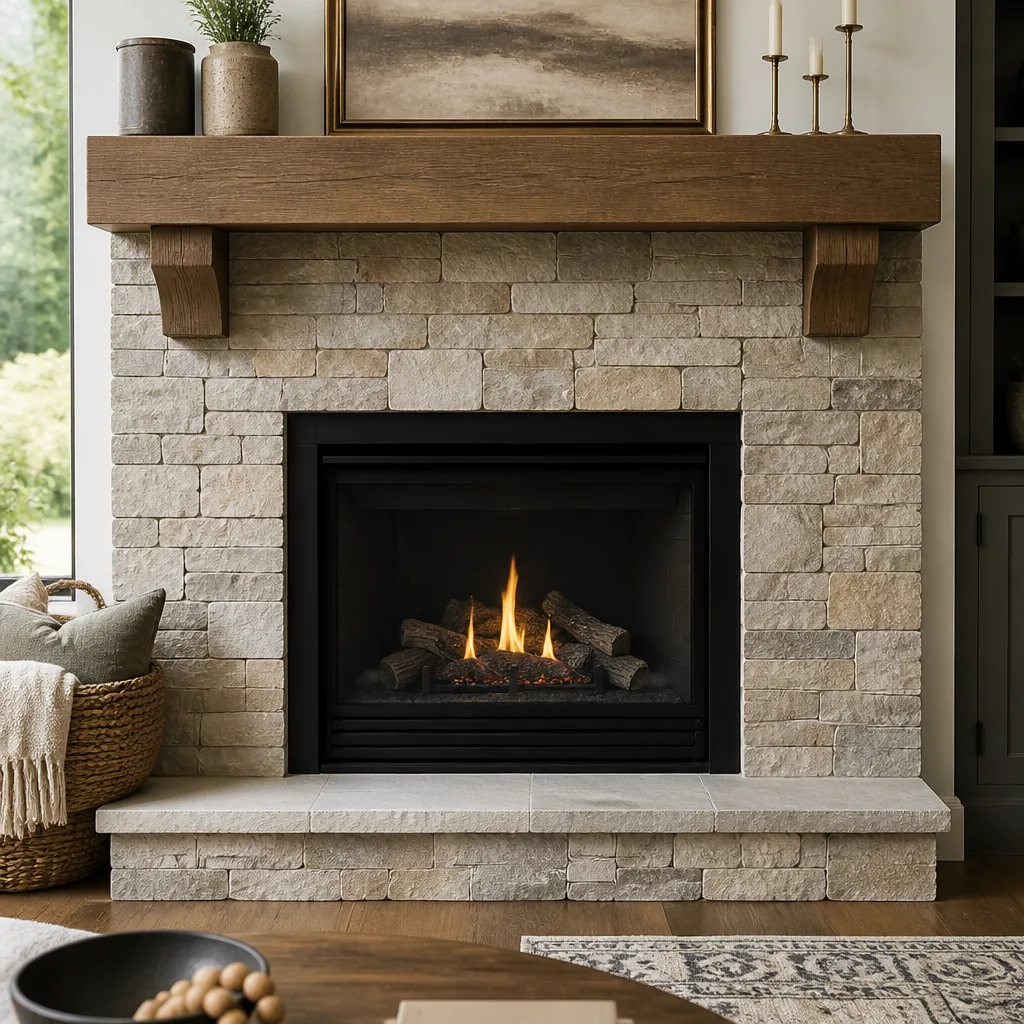 Gas fireplace service
Level 1 sweep and inspection to the NFPA 211 annual standard - flue, crown, cap, and flashing checked and photographed
Chimney sweep logs do not sweep chimneys. They loosen some creosote - which then falls where a brush and vacuum still have to collect it.
How to Hire a Chimney Cleaning Contractor in Great Kills: A Step-by-Step Guide
New York State doesn’t license chimney sweeps as a standalone trade. That means the person cleaning your flue could be CSIA-certified with a deep background in masonry, or someone who added chimney cleaning to their handyman services last spring, and their business card looks identical. In Great Kills, where most houses run a wood-burning fireplace or a gas insert through the colder months, that gap in the rules puts the whole burden of vetting on you. This guide walks through exactly what to ask, what to check, and what a legitimate chimney contractor hands you when the job is done, so you can hire with confidence instead of guesswork.
Quick Answer
To hire a chimney cleaning contractor in Great Kills, verify CSIA certification directly through the Chimney Safety Institute of America rather than trusting a logo on a website, confirm the contractor carries both general liability insurance and workers’ compensation, ask for a written scope of work and a written inspection report before anyone climbs on the roof, and insist on interior flue photos. A qualified contractor inspects first, recommends second, and never pressures you to book on the spot. If a company can’t answer those four points clearly, keep looking.
Styles & brands we work with
- Sweep & inspection
- Caps & crowns
- Flue relining
- Masonry repair
- Gas fireplace service
Table of Contents
- Why New York’s Licensing Gap Changes How You Hire in Great Kills
- What CSIA Certification Actually Means (And What It Doesn’t)
- The Questions to Ask Before You Book
- Red Flags Unique to Chimney Work
- How to Read Reviews Like a Chimney Contractor Would
- What a Legitimate Post-Service Deliverable Looks Like
- Why Hiring One Contractor for the Full System Saves You Headaches
- Great Kills Context: What Local Conditions Do to Chimneys
Why New York’s Licensing Gap Changes How You Hire in Great Kills
Plumbers and electricians in New York State carry licenses you can look up. Chimney sweeps don’t. There’s no state licensing board for the trade, no required exam to hang a shingle, and no central registry of who’s qualified. That’s the structural reality behind every hiring decision you’ll make in Great Kills, and it’s why the standard advice (“just make sure they’re licensed”) fails you here.
What replaces licensing is voluntary certification, most notably through the Chimney Safety Institute of America, plus a patchwork of local business registrations. That means the quality of the contractor you hire depends almost entirely on how carefully you screen them. Two people can knock on your door in Great Kills with the same truck and the same brush and be worlds apart in competence.
Here’s what actually separates them:
- Formal certification through a recognized body like the CSIA, which requires passing an exam and continuing education.
- Insurance coverage that protects your home and the workers on it, not just the contractor.
- A diagnostic process built around inspection before any recommendation, not a clean-and-run visit.
- Documentation in the form of written reports, photos, and itemized findings.
Because no state agency is checking any of this for you, your first job as a homeowner is to verify the things a license would normally guarantee. The rest of this guide is essentially a checklist for doing exactly that.
What CSIA Certification Actually Means (And What It Doesn’t)
CSIA certification is the closest thing the chimney trade has to a professional credential. A certified sweep has passed a written exam covering chimney and venting fundamentals, building codes, and safety, and must recertify periodically to stay current. It signals a baseline of technical knowledge that an uncertified handyman simply hasn’t demonstrated.
What it doesn’t do is guarantee the quality of the work itself. Certification isn’t a license, it’s not enforceable by any state agency, and it doesn’t cover every service a chimney contractor might offer. Here’s how the lines fall:
- What CSIA certification covers: basic chimney and venting knowledge, inspection standards, sweeping technique, and an understanding of the relevant codes and safety principles.
- What it doesn’t cover: masonry reconstruction skill, liner installation technique, crown and cap fabrication, or the general business practices of the company. Those are learned on the job, not on a test.
- What it never guarantees: that the certification is current. A sweep can let a credential lapse and still print the logo on a business card.
So you have to verify. Don’t accept a logo on a website as proof. The CSIA maintains a searchable directory of certified professionals, and you can look up any sweep by name or by company before booking. Ask for the specific certification number if you want to be certain. In our experience, a contractor who’s genuinely certified won’t hesitate to point you to the verification page. Someone who dodges the question probably has a reason.
Certification is one filter, not the whole screen. The best chimney contractors in Great Kills pair certification with insurance, documentation habits, and a full range of services, and we’ll get to each of those.
The Questions to Ask Before You Book
A short, sharp list of questions will separate a qualified chimney contractor from someone improvising. Ask these before you agree to anything, ideally over the phone or in writing. A contractor who can answer every one clearly is worth considering. One who bristles at being asked probably isn’t.
- “Are you CSIA-certified, and can I verify it?” A yes is only useful if you check it. Ask for the name to search in the CSIA directory or the certification number.
- “Do you carry general liability insurance?” If something goes wrong on your roof or inside your flue, you want the contractor’s policy to cover it, not your homeowner’s insurance.
- “Do you carry workers’ compensation insurance?” This one trips up a lot of homeowners. If a worker is hurt on your property and the contractor doesn’t carry workers’ comp, the injury can land on you. Ask for a certificate of insurance for both liability and workers’ comp, and don’t accept “we’re covered” as an answer.
- “Will I get a written inspection report?” A legitimate sweep inspects before cleaning or repairs, and documents what they find. Verbal-only findings are a red flag.
- “Do you photograph the interior of the flue?” Photos let you see what the contractor sees. That’s how you evaluate a recommendation instead of taking it on faith.
- “Will you give me a written scope of work and price before starting?” Every dollar and every task should be on paper before anyone touches your chimney.
- “What NFPA 211 level of inspection will you perform?” This is the national standard for chimney inspections, with levels of increasing thoroughness. A contractor who knows the standard will know the answer without hesitation.
One more, softer but telling: “Do you handle repairs and liner work, or only sweeping?” A pure-sweep operation will refer you out the moment something structural turns up. A full-service contractor can inspect, sweep, repair, and install, which means fewer handoffs and clearer accountability. We handle all five service lines under one roof at Chimney Sweep Great Kills, from routine chimney sweep visits through structural repairs and liner restoration.
Red Flags Unique to Chimney Work
Some warning signs are common to every home service trade. Others are specific to chimney work, because the work happens out of sight and the customer has almost no way to independently verify what they’re told. Here are the ones to watch for, especially in a market like Great Kills where no state authority is screening contractors for you.
- Pressure to book same-day. A contractor who insists you sign right now, before you’ve verified anything, is rushing you past the one thing that protects you: your own due diligence. Reputable contractors book jobs on your timeline.
- Verbal-only quotes. If a price isn’t written down, it isn’t a quote. Verbal pricing has a habit of growing once the work is underway.
- No written scope of work before service begins. You should know exactly what’s being done, what it costs, and what’s excluded before anyone starts.
- Recommending major work with no visual evidence. A new liner, a firebox rebuild, a crown replacement: these are real needs sometimes, and sometimes they’re not. Insist on seeing the photos and the written findings behind any big recommendation.
- Unwillingness to discuss insurance. Contractors who won’t or can’t produce proof of liability and workers’ comp coverage are asking you to absorb their risk.
- A certification logo but no verifiable credential. Anyone can print “CSIA-certified” on a website. Ask for the number, then confirm it.
- No documentation after the visit. A sweep that leaves you with nothing but a bill has given you no way to know what was found or what needs attention next.
The pattern behind all of these is the same: they close off your ability to verify. A good contractor opens that up at every step. What you want, as a standard, is a contractor who inspects first and recommends second, with the evidence in hand for you to review. That’s the relationship we try to establish with every Great Kills homeowner before any repair decision gets made.
How to Read Reviews Like a Chimney Contractor Would
Online reviews for chimney contractors are uneven, because a lot of them describe two completely different kinds of visit. Learning to tell them apart is one of the most useful skills you can develop when hiring in Great Kills, where the pool of contractors is small and word of mouth travels far.
A review describing a real diagnostic visit tends to mention specifics. You’ll see language about a level of inspection, a written report, photos shown to the homeowner, a clear explanation of what was found, and follow-up work quoted with itemized pricing. The homeowner knew the condition of their chimney before the contractor left the house.
A review describing a quick sweep-and-go reads very differently. It’s short, often just “fast, friendly, cheap,” and says nothing about what was actually inspected or documented. That’s not automatically a bad review. Some homeowners genuinely just wanted a brush and a shop-vac and got it. But it tells you very little about how that contractor would handle a real problem.
Here’s what to look for in the reviews of any contractor you’re considering:
- Specificity about findings. Reviews that describe what was found (“they caught a cracked flue tile,” “they showed me photos of the cap”) indicate a contractor who inspects and documents.
- Mentions of written reports. Homeowners who received documentation tend to mention it, because it’s memorable.
- Follow-up quotes that were itemized. A review that talks through the pricing structure tells you the contractor quotes in writing.
- Complaints about upselling with no evidence. A pattern of “they tried to sell me a whole new liner” without a camera inspection behind it is the mirror image you want to watch for.
- Range of work described. Reviews that mention both sweeping and repair, liner work, or cap and crown installation point to a full-service contractor rather than a one-trick sweep.
Read for the diagnosis, not just the vibe. A contractor who documents their work will generate reviews that reflect it, and that’s a quieter, more reliable signal than a string of five-star one-liners.
What a Legitimate Post-Service Deliverable Looks Like
When a qualified contractor finishes a chimney sweep in Great Kills, you shouldn’t be left holding only a receipt. You should have a clear record of what was found and what comes next. This is the part that separate the professionals from the drive-by operators, and it’s worth knowing exactly what to expect before you hire anyone.
- A written inspection report. The report notes the condition of the flue, the firebox, the damper, the crown, the cap, and any other components that were examined. It’s your record, and it’s what a future contractor, a home inspector, or a buyer will want to see.
- Photos of the interior of the flue. These are non-negotiable for any recommendation involving liner or masonry work. If a contractor wants to sell you a new liner, you should be able to see why with your own eyes, not take it on the word of someone who’s been inside your chimney for twenty minutes.
- The NFPA 211 level of inspection performed. The report should note which level of inspection was carried out, because that tells you and anyone else reviewing the document what was actually examined and how thoroughly.
- Recommended follow-up work, itemized with pricing. Any recommended repair, liner replacement, cap install, or crown work should come with a clear scope and a written price. And if something can safely wait a season or two, the report should say so. You deserve to know what’s urgent and what’s not.
- A written copy of the estimate. The final price on any recommended work is set by the written estimate. Nothing else counts. Ask for it in writing, every time.
This kind of documentation is the difference between an inspection you can trust and one you have to take on faith. It’s also one of the reasons we do a full inspection before recommending anything, and why we include a written report and photos as part of the standard job. You should never be told you need thousands of dollars of liner or masonry work without evidence you can see for yourself.
Why Hiring One Contractor for the Full System Saves You Headaches
A chimney is a system, not just a flue. The firebox, damper, smoke chamber, flue, crown, and cap all work together, and a problem in one place often shows up as a symptom somewhere else. If you split that work across three or four contractors, each one only sees their slice, and the coordination risk lands on you.
Hiring a single full-service contractor for the complete system removes that risk. Here’s how the pieces fit together:
Sweeping and inspection are the front door. Everything else follows from what the inspection finds. The inspection is the foundation of every job, because you can’t recommend repairs without knowing the condition of the components. A sweep-only operation will clean your flue and hand you a verbal “looks fine,” which leaves you no record and no way to plan ahead.
Repairs. When the inspection turns up a cracked flue, a damaged firebox, or a failing damper, a full-service contractor can address it rather than referring you out. That includes fireplace repair work like firebox rebuilds and damper service, which keeps the entire hearth system functional, not just clean.
Liner work. When a flue is compromised, the fix isn’t always a full tear-out. HeatShield liner resurfacing can restore a deteriorating flue in many cases, and DuraFlex flexible stainless-steel liner systems handle the cases where a full reline is called for. Having both options under one contractor means you get the repair that fits the situation, not the only one that contractor offers. In our experience, the difference between those two recommendations can be substantial.
Caps and crowns. Water intrusion at the top of the system is one of the most common causes of chimney damage, and chimney cap & crown work is how you stop it. Gelco and Famco components are engineered for exactly this purpose, and a contractor who works with professional-grade brands can fabricate and install a cap and crown that actually fits your chimney.
One contractor for the whole system means one point of accountability. From the firebox floor to the cap, the work is coordinated by the same company, which reduces callback risk and eliminates the confusion of who’s responsible when something fails. That’s the model we’ve built around at Chimney Sweep Great Kills, and it’s the practical answer to why splitting chimney work across vendors rarely pays off.
Great Kills Context: What Local Conditions Do to Chimneys
Great Kills sits on Staten Island, where the housing stock runs old, and that matters for how you hire. Many homes here have a fireplace and a masonry chimney built decades ago, sometimes with construction methods and materials that have aged in ways a newer chimney wouldn’t. That’s not a problem in itself, but it does mean the inspection matters more than it would on a house built yesterday.
Here’s where the local conditions shape the hiring decisions:
- Older masonry chimneys. The mortar joints, crowns, and caps on a chimney built several decades ago have had a lot of freeze-thaw cycles. A thorough inspection will catch deterioration early, which is where the value is.
- A mix of wood and gas fireplaces. If your home runs a wood-burning fireplace, the annual sweep and inspection is a real safety need. Gas inserts need inspection too, but for different reasons.
- Wind exposure. Staten Island gets wind, and wind exposure at the top of the system is exactly where crowns and caps fail. A contractor who works with proper cap and crown components is protecting the whole chimney, not just the flue.
- A small contractor pool. In a neighborhood-sized market like Great Kills, word of mouth carries, which cuts both ways. A contractor with a documented process will build a reputation on that; one without will eventually run out of neighbors to call.
The practical takeaway is that in Great Kills, the inspection and documentation habits you’re screening for matter because the housing stock makes them matter. An older chimney that’s been inspected thoroughly is a safer, more predictable system than one that’s been swept blind.
Common Mistakes to Avoid
- Accepting a logo as proof of certification. Anyone can print “CSIA-certified” on a website. Verify the credential through the CSIA directory or ask for the certification number. If it’s expired or fabricated, you want to know before booking.
- Skipping the workers’ comp question. Homeowners usually remember to ask about liability insurance and forget workers’ comp entirely. If a worker is hurt on your roof and the contractor isn’t covered, that injury can become your problem. Ask for a certificate of insurance for both.
- Letting a verbal quote stand. A price that isn’t written down isn’t a price. Get the scope and the price on paper before anyone starts, so a surprise line item can’t appear after the fact.
- Accepting major work with no photos. If you’re told you need a new liner or a firebox rebuild, insist on seeing the flue photos and the written findings. Any contractor who can’t produce them is asking you to take a very expensive recommendation on faith.
- Choosing on price alone. The cheapest chimney sweep in Great Kills is often the one who does the least. You’re hiring for inspection, documentation, and judgment, not just a brush and a vac.
- Booking under pressure. A contractor who wants a same-day commitment is trying to beat your due diligence. There’s no chimney emergency that justifies skipping the verification steps.
- Hiring a sweep-only operation for a system that needs repairs. If your chimney needs more than a clean, a pure-sweep contractor will refer you out. Hiring a full-service contractor from the start saves you the handoff.
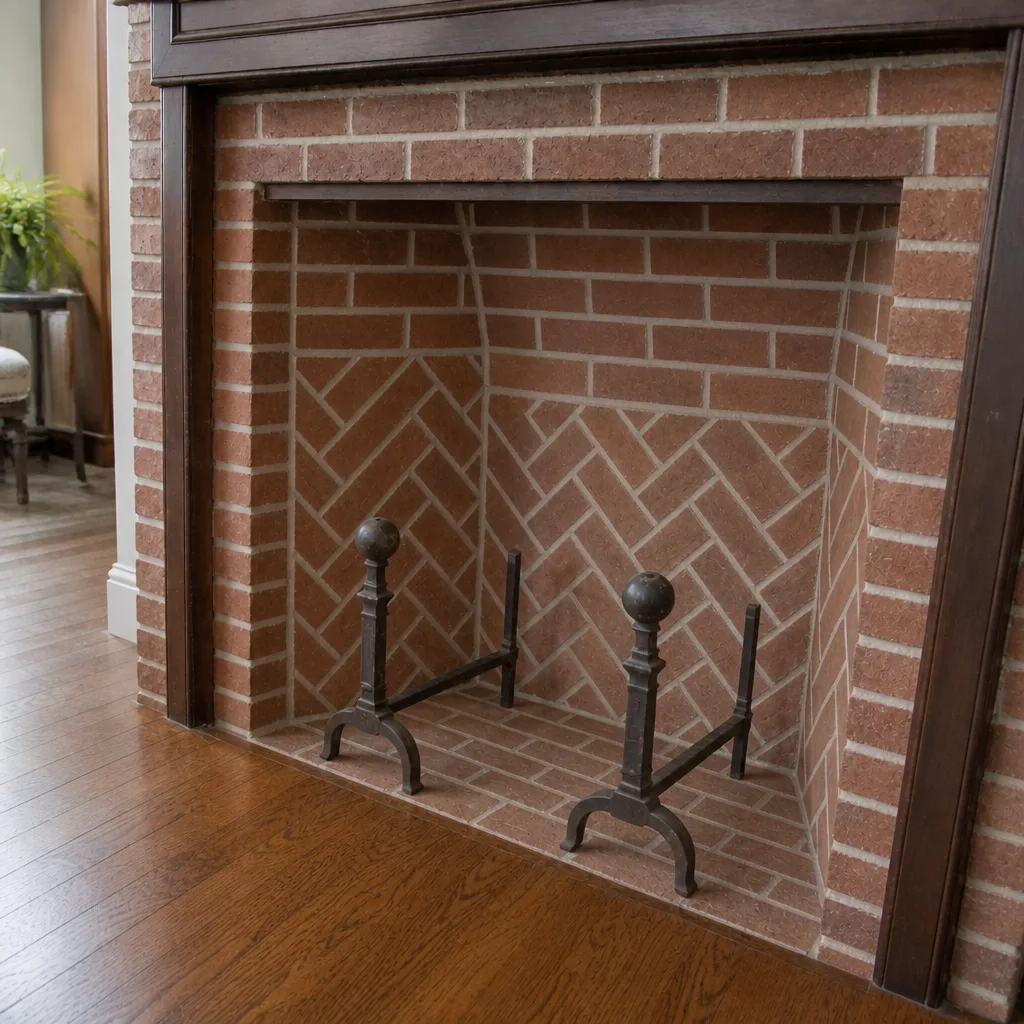
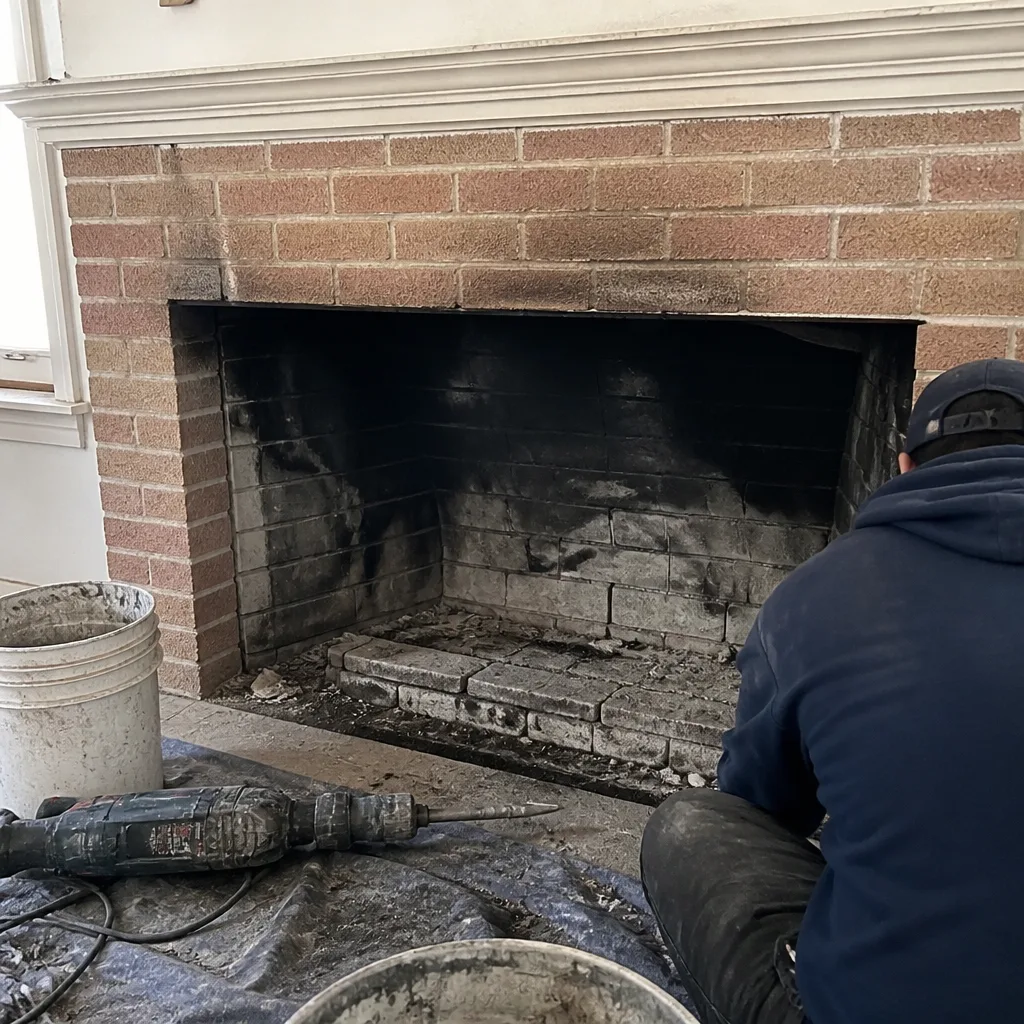
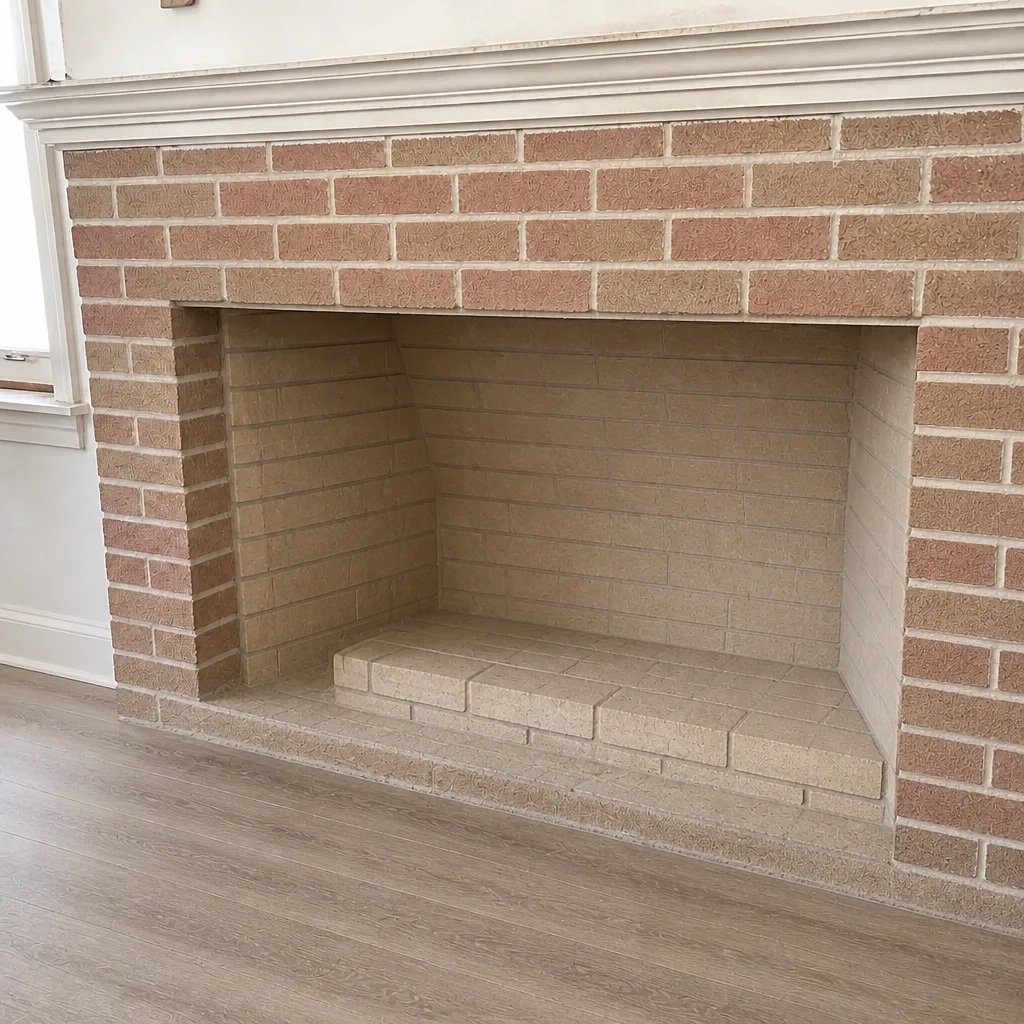
See the difference
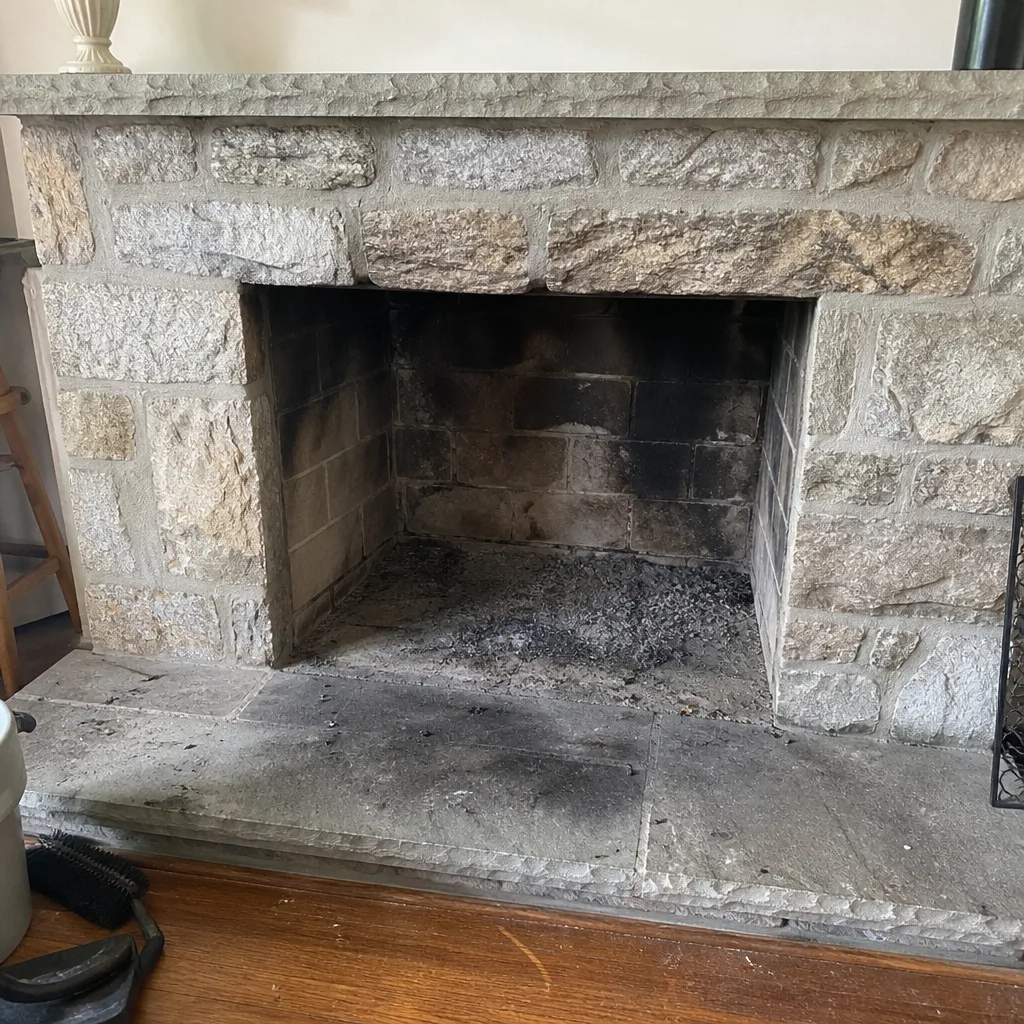 Before
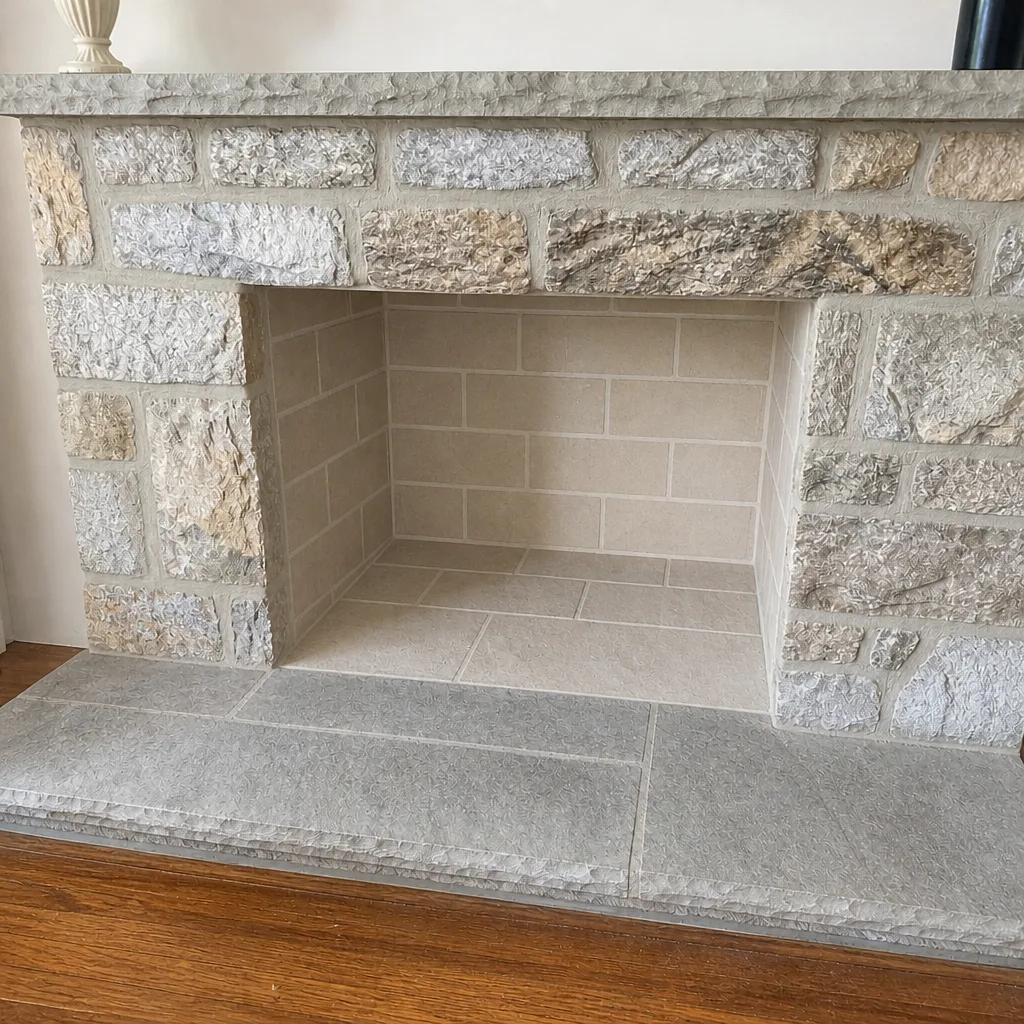 After
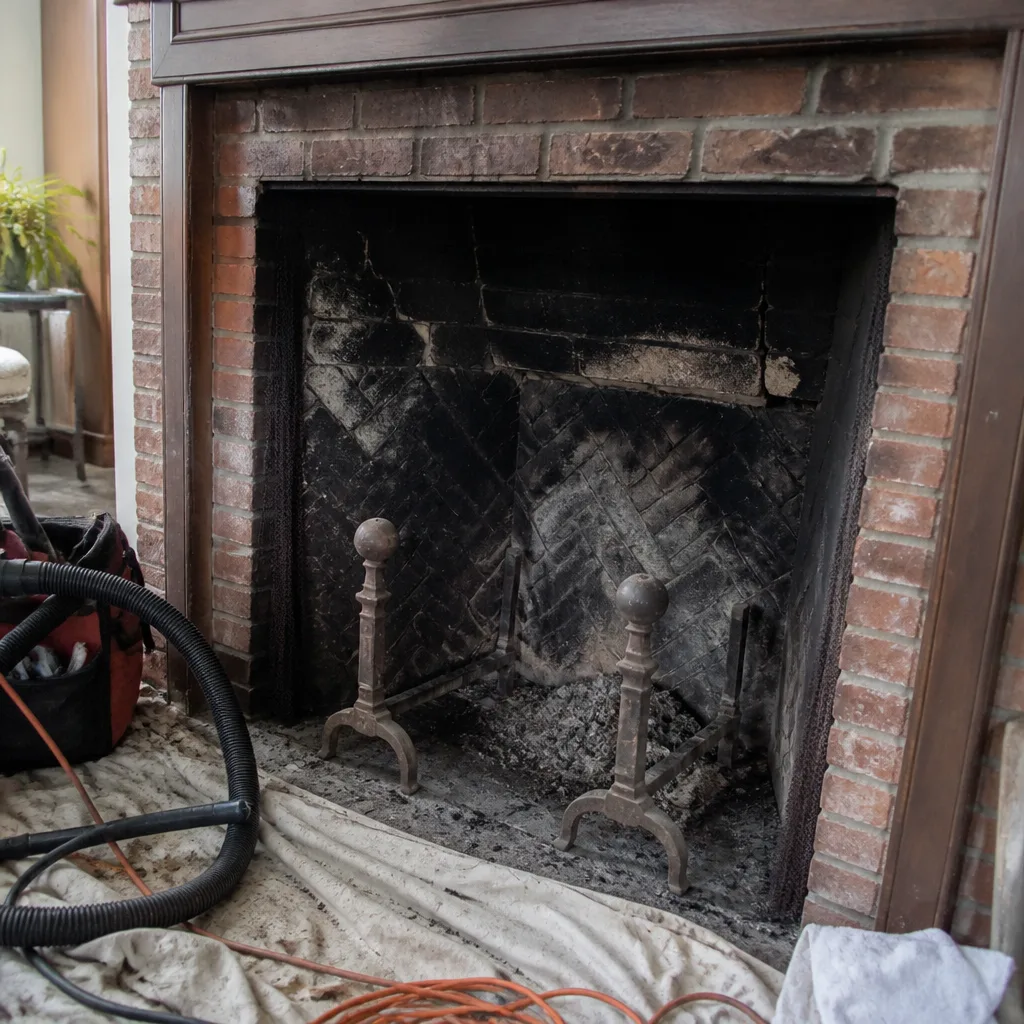 Before
 After
 Before
 After
When to Call a Professional
Some chimney issues are genuinely dangerous and should be handled by a trained professional, not a homeowner with a flashlight and a ladder. Call a professional if you notice creosote buildup in the flue, a cracked or damaged firebox, a damper that won’t fully open or seal, a chimney cap that’s loose or missing, or water stains on the ceiling near the chimney. Any of these signals a condition that needs diagnosis, and some carry real fire or carbon monoxide risk if left alone.
Call a professional, too, if you’ve been burning wood through the season and can’t remember the last inspection, or if you’re buying or selling a home in Great Kills and need documented findings for the transaction. Chimney Sweep Great Kills offers free estimates in Great Kills, and we inspect first and recommend second, with photos and a written report so you can evaluate the findings yourself. Call (866) 937-8578. We answer 24/7. Fast dispatch from 7am to 7pm, Sunday through Friday.
Frequently Asked Questions
A standard chimney sweep in the Great Kills area is typically estimated in the low-to-mid hundreds of dollars, with the final price set by the written estimate after the inspection tells us what the job actually involves. A simple sweep costs less than a sweep combined with a full NFPA 211 inspection or any repair work. There’s no service-call fee, and the estimate is free, so the number you get in writing is the number you should plan for. Call (866) 937-8578 for an exact quote.
Sometimes yes, often no, and the only honest way to know is an inspection with photos of the flue. A new liner is needed when the existing flue is cracked, deteriorated, or undersized for the appliance connected to it, and DuraFlex flexible stainless-steel liner systems are the standard fix when a full reline is called for. But a compromised flue can sometimes be repaired instead of replaced: HeatShield liner resurfacing can restore a deteriorating flue without a full tear-out. We’ll tell you when work can safely wait. Call (866) 937-8578 for a free estimate.
A chimney should be swept when there’s a visible buildup of creosote, and inspected at least once a year if you burn wood regularly. For most Great Kills homeowners with an active fireplace, that means an annual inspection and a sweep when the inspection finds enough creosote to warrant it. Homes that burn heavily through the winter may need it more often. The inspection is what tells you when, and it’s the reason we never recommend a sweep without one. Call (866) 937-8578 to book.
Skipping the sweep and inspection lets creosote and soot accumulate in the flue and lets small defects like a cracked flue tile or a damaged crown go unnoticed. Creosote is highly combustible, and a chimney fire is a real risk when it builds up, which is why the National Fire Protection Association’s standard calls for regular inspection. A blocked or damaged flue can also let carbon monoxide back into the home. None of this is a scare tactic, it’s just what the system does when it goes uninspected. Call (866) 937-8578 for a free estimate.
Verify the certification directly through the Chimney Safety Institute of America rather than trusting a logo on a website. The CSIA maintains a searchable directory of certified professionals, and you can look up any contractor by name or company before you book. Ask for the certification number if you want to be certain. A genuinely certified contractor will point you to the verification, and one who dodges the question has told you something useful. Call (866) 937-8578 if you’d like to talk through what to ask.
We handle the complete chimney system, from the firebox floor to the cap. That means sweeping, inspection, chimney repair, cap and crown installation, and fireplace repair under one contractor, so you’re not handed off to a different vendor when the inspection turns up something structural. We work with professional-grade brands including DuraFlex, HeatShield, Gelco, and Olympia Chimney, which means we can match the repair to the situation rather than the other way around. Call (866) 937-8578 for a free estimate.
The Bottom Line
Hiring a chimney contractor in Great Kills puts the entire burden of verification on you, because New York State doesn’t license the trade. The screen you run is straightforward: verify CSIA certification directly, ask for proof of general liability and workers’ comp insurance, insist on a written scope of work and a written inspection report, and demand photos of the flue before any major recommendation. A qualified contractor inspects first, recommends second, and documents everything along the way. Do those checks and you’ll hire someone who can look after the whole system. If you’d like to start with an inspection, call (866) 937-8578 for a free estimate.
Written by the team at Chimney Sweep Great Kills.