
Last updated November 24, 2026
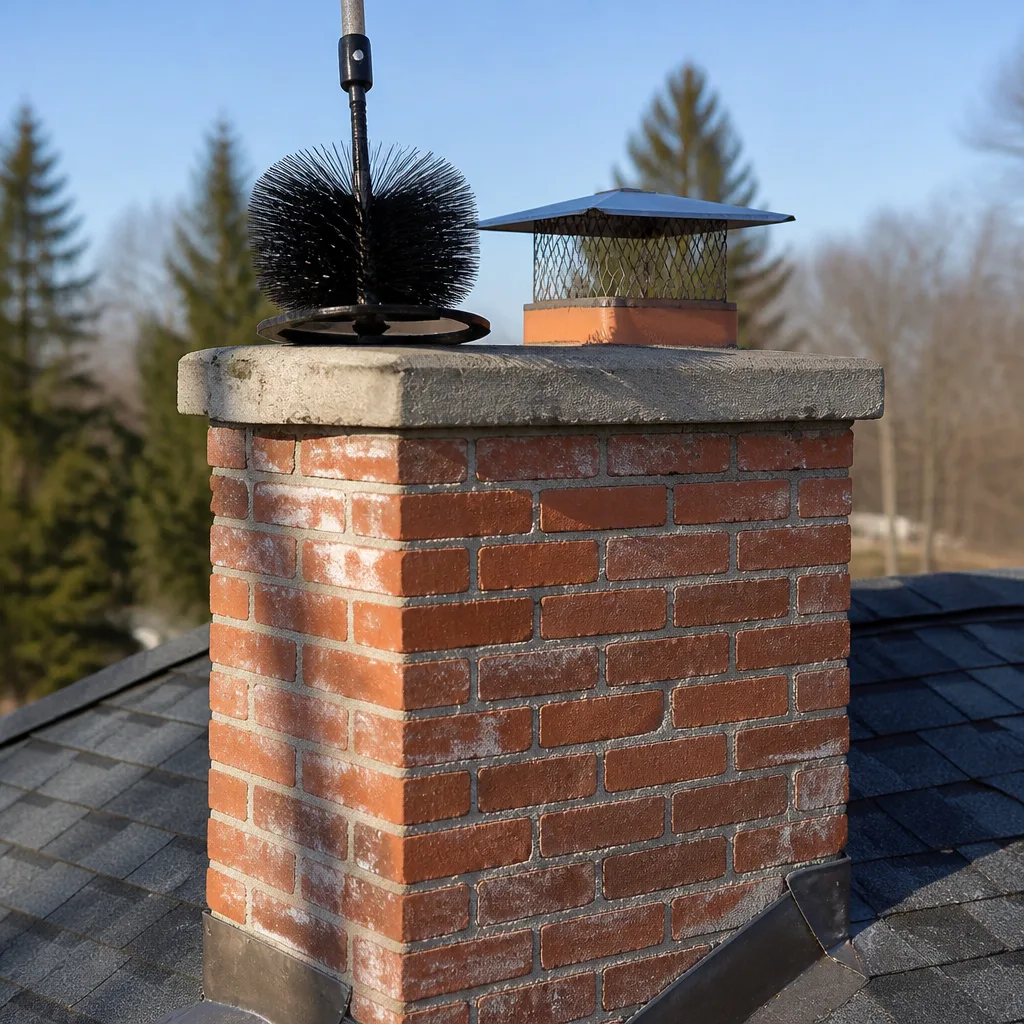 Sweep & inspection
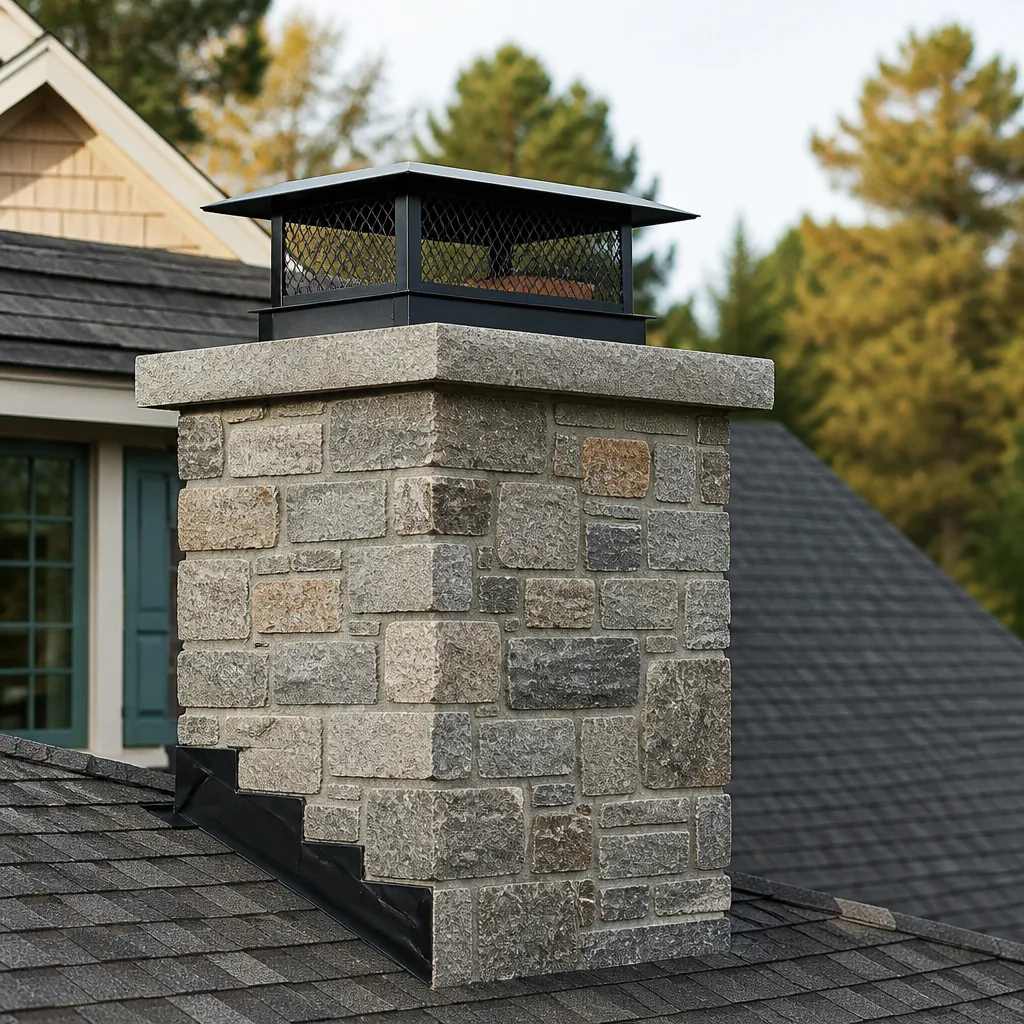 Caps & crowns
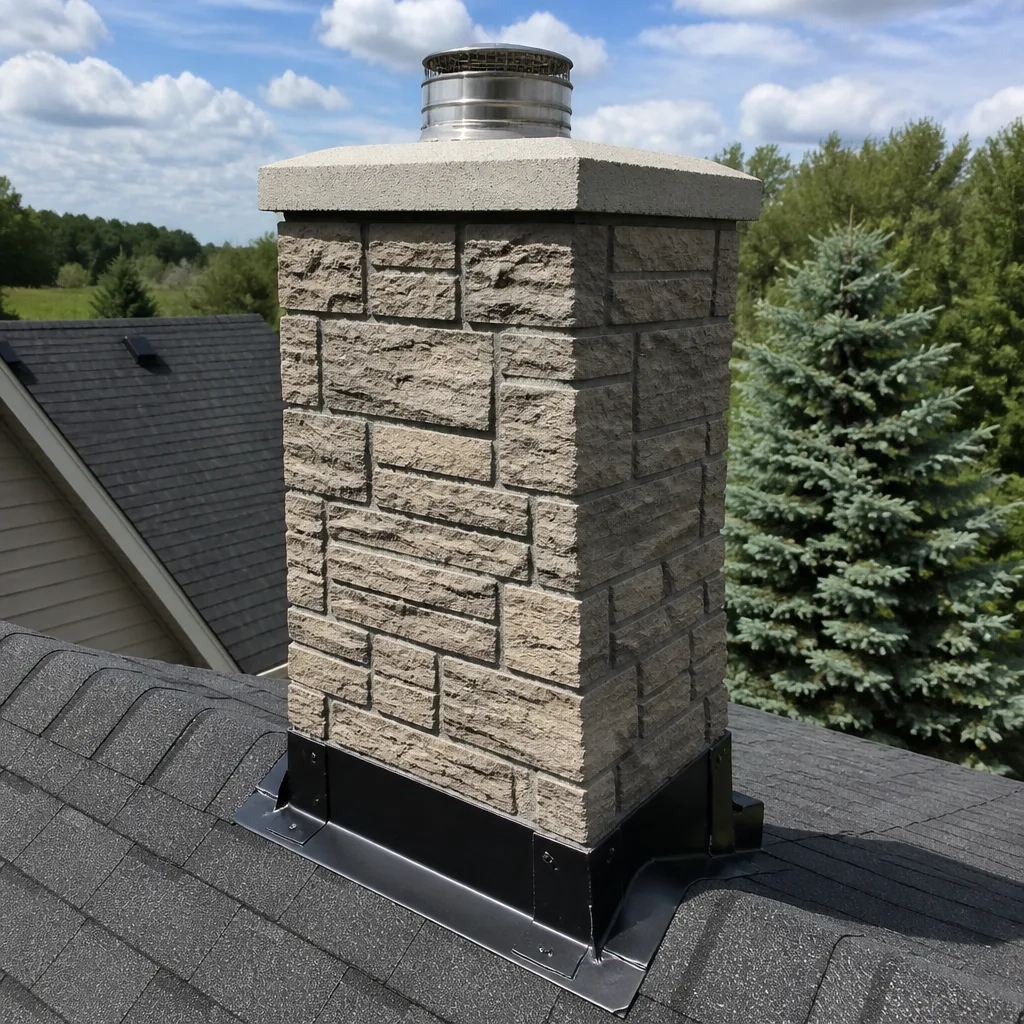 Flue relining
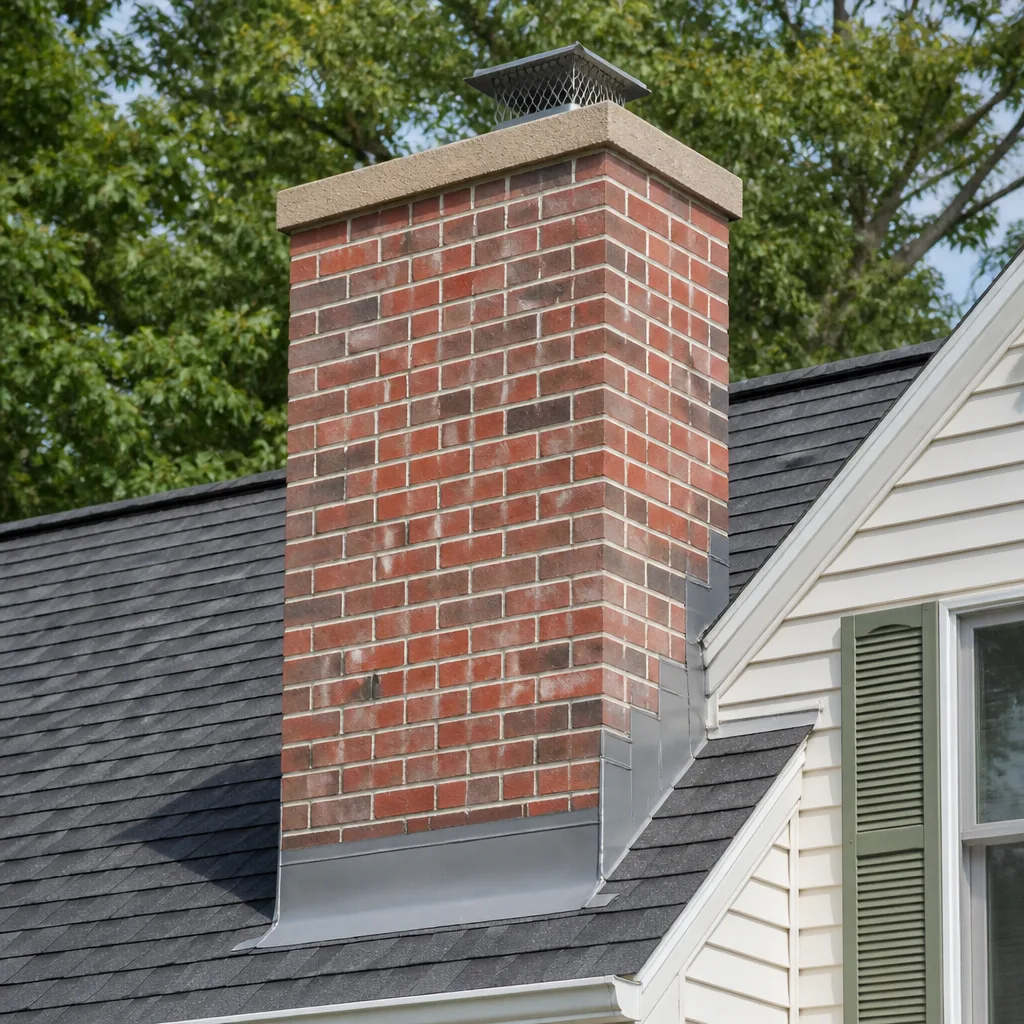 Masonry repair
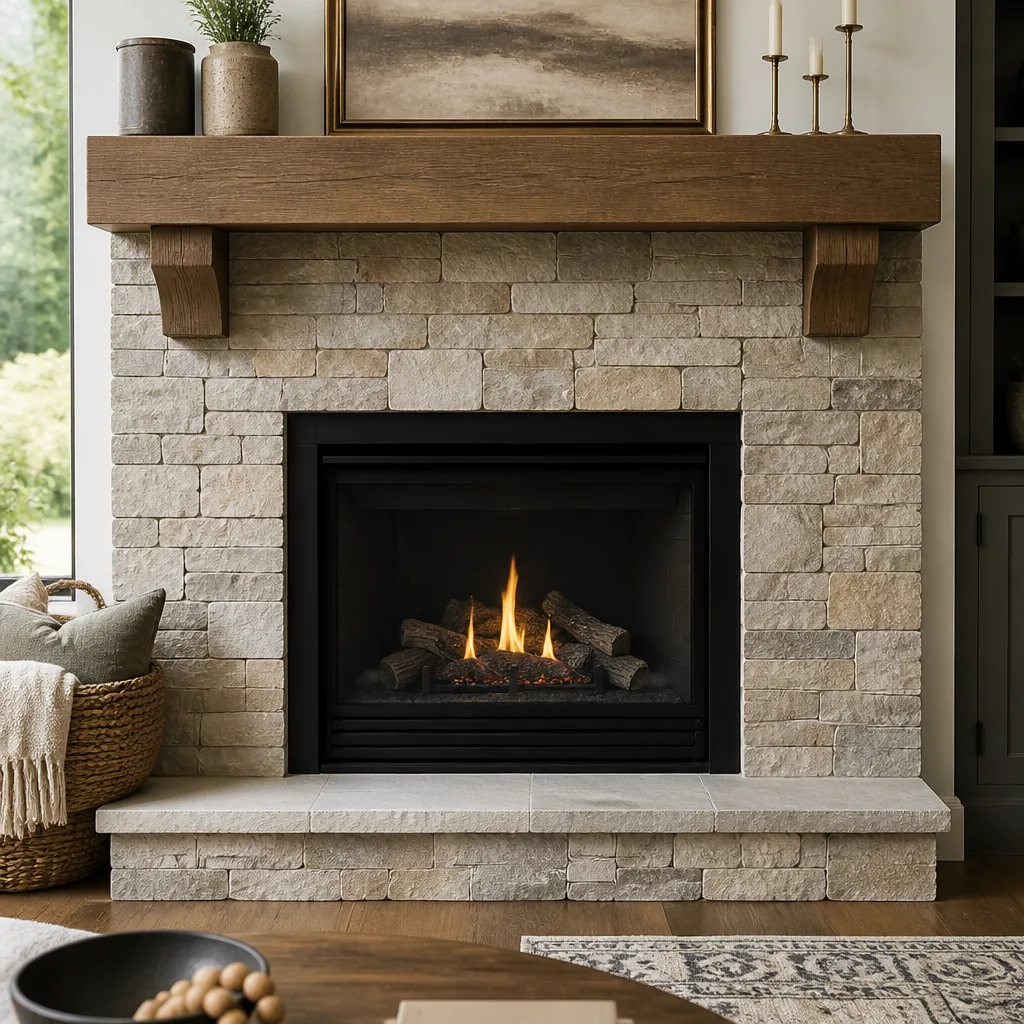 Gas fireplace service
Level 1 sweep and inspection to the NFPA 211 annual standard - flue, crown, cap, and flashing checked and photographed
Chimney sweep logs do not sweep chimneys. They loosen some creosote - which then falls where a brush and vacuum still have to collect it.
Chimney Cleaning Cost Breakdown: The Great Kills Homeowner’s Reference for 2026
Most homeowners in Great Kills shop for a chimney cleaning the same way they’d shop for an oil change: they call three numbers, take the lowest, and assume the work is the same everywhere. That’s the mistake. A sweep isn’t a commodity, and the price you’re quoted tells you almost nothing until you know exactly what the price includes. Two visits that both read “chimney cleaning” on the invoice can differ by hundreds of dollars in real value, and the cheaper one often ends up costing more because it skips the very steps that catch problems early. This reference breaks down what chimney work actually costs in the Great Kills market in 2026, what each line item covers, and how to compare quotes so you’re getting the same job for your money. We’ll look at base cleaning, add-on services, when repairs enter the picture, and what deferring maintenance really costs.
Quick Answer
A typical chimney cleaning in Great Kills runs $150 to $350 for a standard sweep with a basic inspection, and climbs to $400 or more when you add a camera scan, a written report, or creosote treatment. The lowest advertised base prices usually exclude the inspection and documentation that make a cleaning meaningful, so the honest comparison is the full-service number, not the teaser rate. Repairs like liner replacement, firebox rebuilds, and crown work are priced separately and can range from a few hundred to several thousand dollars depending on condition.
Styles & brands we work with
- Sweep & inspection
- Caps & crowns
- Flue relining
- Masonry repair
- Gas fireplace service
Table of Contents
- What Actually Drives the Cost of a Chimney Cleaning in Great Kills?
- What a Legitimate Base Cleaning Price Covers in 2026
- Line-Item Breakdown of Add-On Services
- How to Compare Chimney Cleaning Quotes Accurately
- When Cleaning Costs Jump Into Repair Territory
- The Cost of Deferring Maintenance
- How Great Kills Weather and Housing Shape Your Chimney
- Common Mistakes to Avoid
- When to Call a Professional
- Frequently Asked Questions
- The Bottom Line
What Actually Drives the Cost of a Chimney Cleaning in Great Kills?
The price of a chimney cleaning is set by three things: how dirty the flue is, how complex the run from firebox to cap is, and how much documentation the visit includes. A straight interior flue on a gas insert is a quick job. A masonry chimney on a wood-burning fireplace with a heavy creosote load, a couple of offsets, and a stubborn cap takes real time and specific equipment. In Great Kills, the housing stock runs from mid-century brick colonials and capes to newer construction, and each style presents differently. Older chimneys often have flue tiles with a decade or two of glaze buildup, while newer ones may have undersized flues that were never quite right for the appliance.
Here’s the piece most quotes leave out: labor is only part of the number. There’s the cost of drop cloths and HEPA-grade filtration to keep the living room clean, the disposal of creosote and soot (a regulated waste in most jurisdictions, never just bagged and trashed), and the inspection that should follow every sweep. When a company quotes a rock-bottom number, something in that trio gets cut. Usually it’s the inspection.
We’ve seen this pattern repeatedly on Staten Island. A homeowner books a cheap sweep, the technician runs a brush up and down, and nobody looks at the flue with a camera or writes down what the liner actually looks like. Six months later there’s a draft problem or a water stain on the ceiling, and the diagnosis starts from scratch. The cleaning happened; the intelligence about the chimney didn’t.
One more variable worth naming: chimney sweep work is a licensed, insured trade, and the local pro is licensed and insured as their state requires. That coverage isn’t free, and it shouldn’t be. A quote that’s dramatically below the local market is often a sign the operator is working without it, which shifts all the risk onto your property.
What a Legitimate Base Cleaning Price Covers in 2026
A legitimate base cleaning in the Great Kills market covers the labor to sweep the flue, the equipment needed to do it cleanly, and the disposal of the creosote and debris removed. It does not automatically include a camera scan of the liner, a written report you can hand to a buyer or an insurer, or treatment for heavy creosote. Understanding that gap is the whole game when you’re comparing quotes.
Here’s what a fair base price includes:
- Labor for the sweep itself, sized correctly to the flue and the appliance (wood-burning fireplaces, inserts, and gas appliances all take different approaches).
- Drop cloths and containment so the interior of your home stays clean during the work.
- Basic visual inspection of the accessible portions of the system, checking for obvious damage, blockages, and animal nests.
- Removal and proper disposal of the soot and creosote. This isn’t trash, and disposing of it correctly costs money.
- A verbal summary of what the technician saw, plus a recommendation on whether further evaluation is warranted.
What a base price typically excludes:
- Camera inspection of the full flue interior.
- A written report with photo documentation.
- Chemical creosote treatments for Stage 2 or Stage 3 buildup.
- Smoke tests, draft measurement, or combustion analysis.
- Any repair work.
In Great Kills, a base sweep with the above inclusions typically lands somewhere in the $150 to $250 range in 2026, and the written estimate sets the final price after the technician sees the system. If your quote sits far below that, the better question isn’t “why are they cheaper?” It’s “what did they leave out?”
Line-Item Breakdown of Add-On Services
The add-ons are where chimney cleaning quotes diverge most, and where a homeowner who wasn’t warned ends up paying $250 to $350 anyway, just itemized to feel like bonuses. Here’s what each line item should cost and what it’s actually for.
Camera inspection of the flue
Typical range: $75 to $150. A camera run through the flue reveals cracks in the tile, gaps at the joints, signs of a previous fire, and the condition of the liner. In our experience, this is the single most valuable addition to a cleaning because it’s the only way to know whether the flue is actually safe to use. Without it, you’re guessing.
Written inspection report with photos
Typical range: $50 to $125. This documents condition with photographs and written findings. It matters if you’re selling a home, buying one, or dealing with an insurance claim. Real estate transactions in Great Kills routinely require this, and a report prepared properly saves arguments later.
Creosote treatment for Stage 2 or Stage 3 buildup
Typical range: $100 to $400 depending on severity. Glazed, tar-like creosote doesn’t come off with a brush alone. It requires chemical treatment that loosens the deposit over time so it can be removed safely. Stage 3 buildup is the most dangerous because it’s the most flammable, and a technician who finds it should tell you plainly rather than sweep lightly and move on.
Smoke test and draft evaluation
Typical range: $60 to $150. A smoke test confirms the flue is pulling correctly and there are no leaks into the living space. If you’ve noticed smoke rolling into the room, or the fireplace has never drafted well, this test is where the answer comes from.
Those add-ons, taken together on a wood-burning fireplace, are what push a $150 base sweep up to $350 or $400. The homeowner who paid $400 for a full visit with a camera scan and a report got a fundamentally different service than the one who paid $150 and got a brush and a wave goodbye.
How to Compare Chimney Cleaning Quotes Accurately
Two quotes for “chimney cleaning” are only comparable when they cover the same scope. Since contractors scope the job differently, the right approach is to ask a fixed set of questions that forces apples-to-apples comparison. Here’s the sequence we recommend.
- “Does this price include a visual inspection, and is it written down?” If the inspection is verbal only, you have nothing to reference if a problem shows up later.
- “Do you run a camera through the flue as part of the quoted price, or is that extra?” Many quotes look competitive until you add the camera scan.
- “How do you handle creosote disposal?” A professional handles it. A cheap operator might bag it for your trash can, which is not the right answer.
- “What equipment do you bring for containment?” Drop cloths, HEPA filtration, and a shop-style vacuum designed for fine soot are baseline. If they can’t tell you, they probably don’t have it.
- “Is the technician licensed and insured, and can you confirm it in writing?” The local pro is licensed and insured as their state requires. Don’t accept “yes” without a document.
- “If the inspection finds a problem, how is it priced?” The answer should be: with a written estimate, after the findings are shown to you. Not “we’ll just fix it while we’re here.”
- “What brands do you work with for liner and cap materials?” The answer tells you whether they’re a chimney specialist or a generalist. Professional-grade manufacturers like HeatShield, DuraFlex, Gelco, and Olympia Chimney indicate a company that sources trade-level products rather than whatever’s available at the home center.
Ask each company the same questions in the same order. When you lay the answers side by side, the comparison becomes obvious, and it’s usually not the same one the price tag suggested. Worth noting: any legitimate recommendation should be backed by camera evidence you can see for yourself, and a fair technician will tell you plainly when work can safely wait.
When Cleaning Costs Jump Into Repair Territory
Cleaning is maintenance. Repairs are a different budget, and they enter the picture when the inspection reveals something the sweep can’t address. Here’s what those jobs typically cost in the Great Kills market in 2026, and what triggers each. None of these are offered without the technician showing you the evidence first.
Liner replacement: typically $1,500 to $4,500
Triggered by cracked or missing flue tiles, a liner that’s deteriorated to the point where it no longer protects the surrounding masonry, or an undersized flue that was always wrong for the appliance. The good news is that a full tear-out isn’t always required. HeatShield liner resurfacing can restore a compromised flue from the inside, sealing cracks and restoring a smooth, protected surface without demolition, which sits at the lower end of the range. When the damage is more extensive, a flexible stainless system like DuraFlex becomes the right answer, and the price moves toward the top of the range. Having both options means we can repair before it becomes a rebuild, and you’re not pushed into the expensive route when a resurfacing will do.
Firebox rebuild: typically $800 to $2,500
Triggered by loose or missing firebrick, deteriorated mortar joints in the firebox, or a fireback that’s cracked. A firebox is directly exposed to the fire, so when it degrades, the whole system becomes less safe. This is one reason we handle fireplace repair as a distinct service line. A pure sweep operation stops at the flue; a firebox rebuild keeps the hearth functioning.
Crown replacement: typically $300 to $700
The crown is the concrete cap at the top of the chimney that sheds water away from the masonry. When it cracks or pulls away, water gets into the structure, and that water damage is the single most common cause of major chimney deterioration we see. Chimney cap & crown work using Gelco and Famco components addresses this at the top of the system before it eats into the structure below.
Each of these repairs can be avoided or deferred through early detection. That’s the practical argument for the inspection: it’s the cheapest part of the job, and it’s the part that decides whether you’re spending a few hundred or a few thousand.
The Cost of Deferring Maintenance
The most expensive chimney work usually starts with a skipped inspection. When a cleaning is done without an inspection, small problems stay invisible. A hairline crack in a flue tile gets a year of moisture into it, widens, and eventually compromises the liner. A failing crown lets water into the masonry, which freezes and thaws through a Staten Island winter, spalling the brick from the inside out. A slow creosote buildup reaches Stage 3, which changes a routine sweep into a chemical treatment and a genuine fire risk.
Run the math on a $250 inspection skipped once. Three winters later, that same chimney has a compromised liner and a failed crown, and the repair bill lands in the $2,000 to $4,000 range. The savings from skipping the inspection were $250. The cost was thousands, plus the safety risk in between. That’s not a scare tactic, it’s just how the wear curve works. Chimney problems are cheap at the beginning and expensive at the end, and every year of deferral moves you along that curve in one direction.
The safety side matters more than the money. A blocked or damaged flue doesn’t vent properly, which means carbon monoxide can back up into the living space, and creosote in a damaged flue can ignite. A trained technician is the person who knows the difference between a chimney that’s just dirty and a chimney that’s becoming dangerous.
We’d add one honest note: deferral isn’t always wrong. Some findings can wait a season, and a fair technician will tell you which. The point is to make that decision with information, not by avoiding the inspection entirely.
How Great Kills Weather and Housing Shape Your Chimney
Great Kills sits at the southern edge of Staten Island, and the local climate does the chimney no favors. Winters bring repeated freeze-thaw cycles, which is the mechanism that turns a small masonry crack into spalled brick. A crown that sheds water properly handles those cycles; a crown with a hairline crack lets water in, and the freeze expands it. Summertime humidity and seasonal rain work on the same weak points from the outside, which is why the top of the system, the crown and cap, take the most abuse. This is a masonry chimney climate, not a dry one, and the repairs that come up here are usually water-driven.
The housing stock shapes it too. Many homes in Great Kills date to the mid-20th century, when chimney construction practices and flue sizing were different from today’s. A flue that was fine for a 1950s fireplace may be undersized for a modern insert or a wood stove. Homes on the neighborhood streets closer to the water table in Great Kills sometimes show moisture at the chimney base, which is worth flagging to the technician during inspection. And in a market where buyers and their agents expect documentation, a written inspection report has real transactional value when a home changes hands.
None of this changes the base price of a cleaning. It does shape what the inspection is likely to find, which shapes the odds you’ll be discussing a repair. A homeowner in Great Kills who understands that the local climate is hard on the top of the chimney is in a better position to know when a crown quote is legitimate and when it’s upsell.
Common Mistakes to Avoid
- Choosing on price alone. The lowest quote is usually cheap because it excludes the inspection, and the inspection is the entire point. A $150 sweep that tells you nothing about your liner isn’t a bargain, it’s a missed opportunity.
- Accepting a cleaning without a camera inspection. A visual look from the firebox can’t see what a camera sees. If the technician never runs a scope, you’re accepting a cleaning without a diagnosis.
- Assuming the base price includes a written report. In Great Kills real estate transactions, a written report with photos is often required. Confirm it’s included, or budget for it as an add-on.
- Ignoring a cracked crown because “it’s just cosmetic.” The crown is the roof of your chimney. A crack in it is a doorway for water, and water is what destroys masonry from the inside.
- Letting heavy creosote build up over multiple seasons. Stage 3 creosote is the most flammable and the most expensive to remove. Skipping sweep years to save a couple hundred dollars is how you end up in chemical-treatment territory.
- Hiring a general handyman for chimney work. Chimney systems have specific requirements for liner materials, cap clearances, and crown construction. A generalist can make a chimney look fixed while leaving it unsafe.
- Not asking for a written estimate before approving a repair. Any legitimate recommendation should come with an estimate in writing, based on camera evidence you’ve seen. If a technician pushes work on the spot without evidence, that’s your cue to get a second look.
When to Call a Professional
Call for a professional chimney sweep when it’s been a season since your last cleaning, when you’ve noticed smoke rolling into the room instead of up the flue, when there’s a strong odor of creosote in warm weather, or when you hear animals or nesting sounds in the chimney. Call sooner if you’ve had a chimney fire, however small, or if your carbon monoxide detector has ever gone off near the fireplace. For homeowners buying or selling in Great Kills, an inspection with a written report should be part of the transaction. If you’re not sure whether a problem is worth a visit, don’t wait for it to announce itself. A $250 inspection that tells you the chimney is fine is money well spent, and it’s the cheapest way to find out if it isn’t. Chimney Sweep Great Kills offers free estimates in Great Kills. Call (866) 937-8578. We answer 24/7. Fast dispatch from 7am to 7pm, Sunday through Friday.
Frequently Asked Questions
A chimney cleaning in Great Kills typically runs $150 to $350 for a standard sweep with a basic inspection, and $400 or more when you add a camera scan, written report, or creosote treatment. The written estimate sets the final price after the technician sees the system, and it’s free. Call (866) 937-8578 for an exact quote.
Not always, and a technician should show you the camera evidence before recommending one. A cracked or deteriorated flue tile liner is a real safety concern, but HeatShield resurfacing can often restore a compromised flue without a full tear-out, which keeps the cost far lower than a replacement. If the liner is sound, no one should be selling you a new one. Call (866) 937-8578 and we’ll show you what’s actually there.
For an actively used wood-burning fireplace, once a year is the standard, and more often if you burn heavily or notice creosote buildup. Gas appliances benefit from an inspection schedule even when sweeping isn’t needed as frequently. The rule of thumb is: if it’s been a season, it’s time to look. Call (866) 937-8578 to book a sweep.
Small problems get more expensive. A hairline flue crack widens into a liner failure, a cracked crown lets water into the masonry through freeze-thaw cycles, and creosote accumulates into a more flammable deposit that’s harder and more expensive to remove. The safety risk grows too, including carbon monoxide backup. Call (866) 937-8578 for an inspection and get the answers before they become repairs.
Because it usually covers only the labor for a basic sweep, and excludes the inspection, the written report, and the camera scan of your liner. Those are listed as add-ons, and they bring the total to roughly $250 to $350 anyway. The full-service number is the honest number. Call (866) 937-8578 for a quote that lists what’s included.
Inspection findings decide it, and the decision should be yours to make with the evidence in front of you. Minor flue damage is often a candidate for resurfacing, while extensive deterioration may call for a flexible liner system. A firebox with loose brick is a rebuild; a sound firebox with a stuck damper isn’t. From firebox to cap, the diagnosis comes first, and the recommendation follows. chimney sweep with a camera inspection is the starting point. Call (866) 937-8578.
The Bottom Line
The cost of chimney cleaning in Great Kills isn’t a single number, it’s a range that reflects what’s actually included. A base sweep covers labor, containment, and disposal, and lands around $150 to $250. Add a camera inspection and written report and you’re at $250 to $350, which is the service that tells you something about your chimney rather than just cleaning it. Repairs rise from there: crowns from $300 to $700, firebox rebuilds from $800 to $2,500, and liners from $1,500 to $4,500, all triggered by what the inspection finds. The lesson is the same in every case. Pay for the inspection, get the evidence, and make your decision with the facts. It’s the cheapest line item on the invoice and the one that saves the most money later.
Chimney Sweep Great Kills handles the whole system, from firebox to cap, and we inspect first, recommend second. Every recommendation is backed by camera evidence you can see. If you’re ready to know exactly what your chimney needs in 2026, call (866) 937-8578 for a free estimate. We answer 24/7. Fast dispatch from 7am to 7pm, Sunday through Friday. For a full list of what we do across Great Kills, visit Chimney Sweep Great Kills.
Written by the team at Chimney Sweep Great Kills.
See the difference
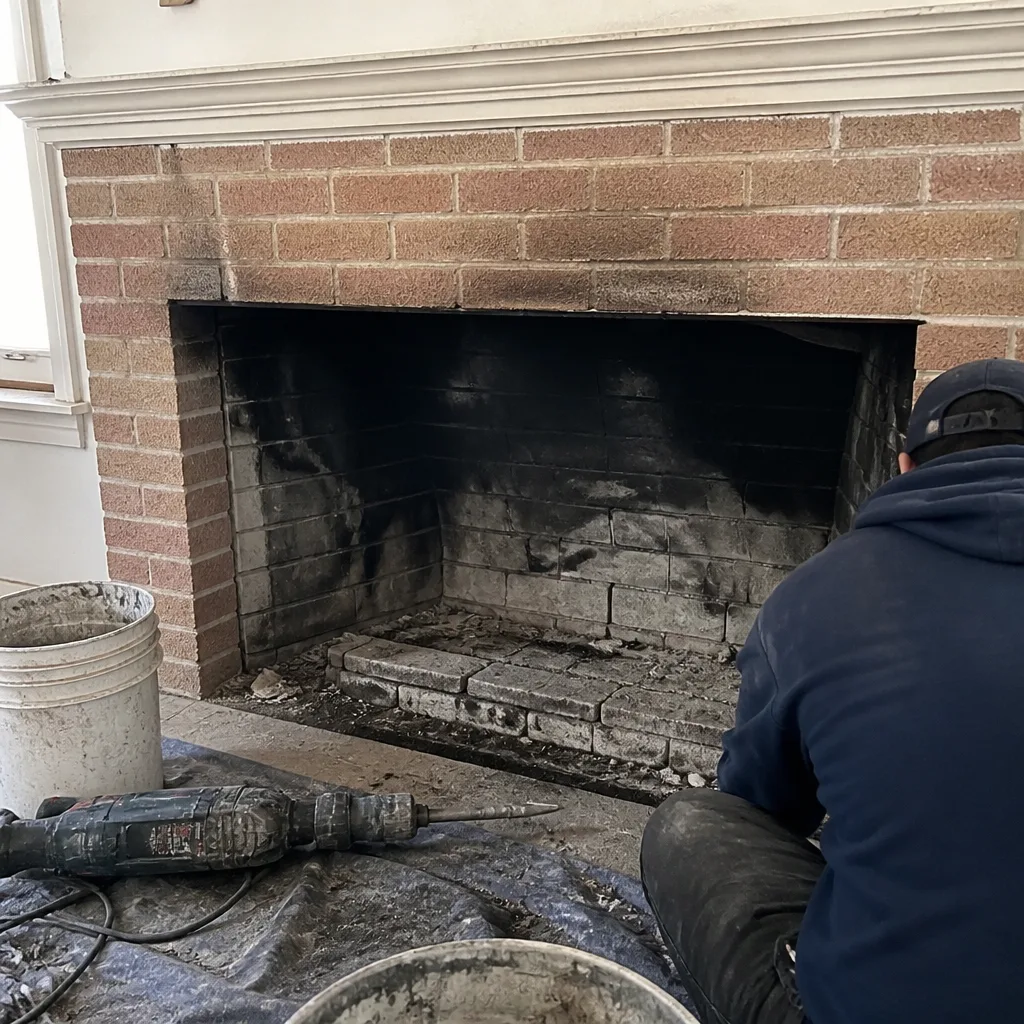
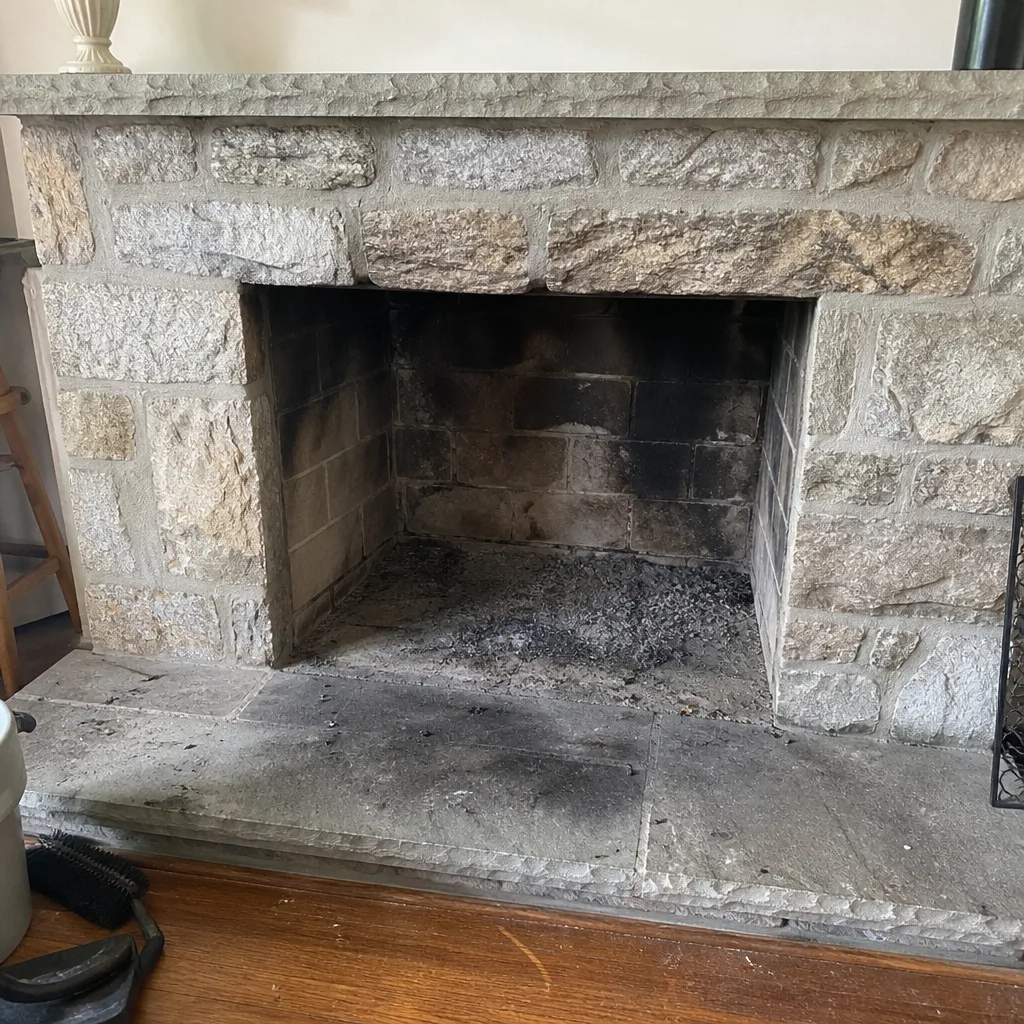 Before
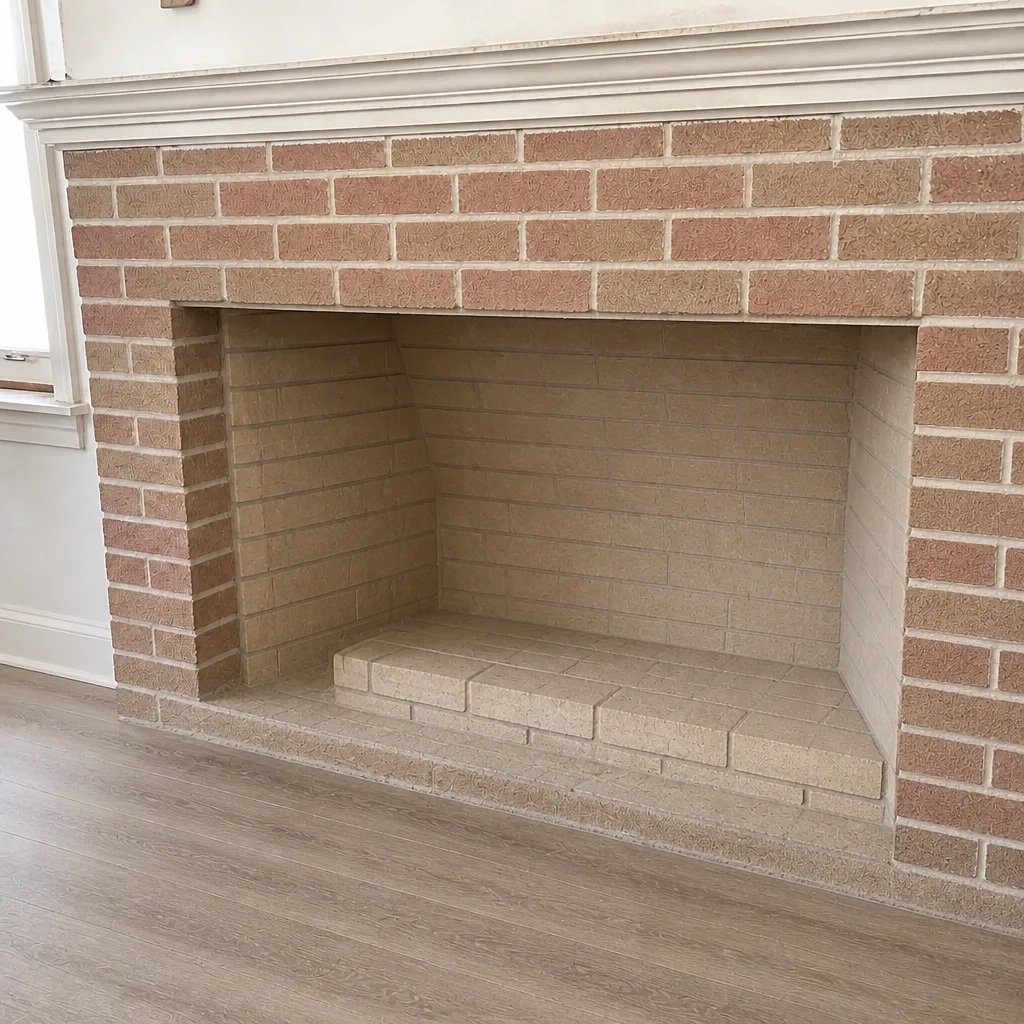
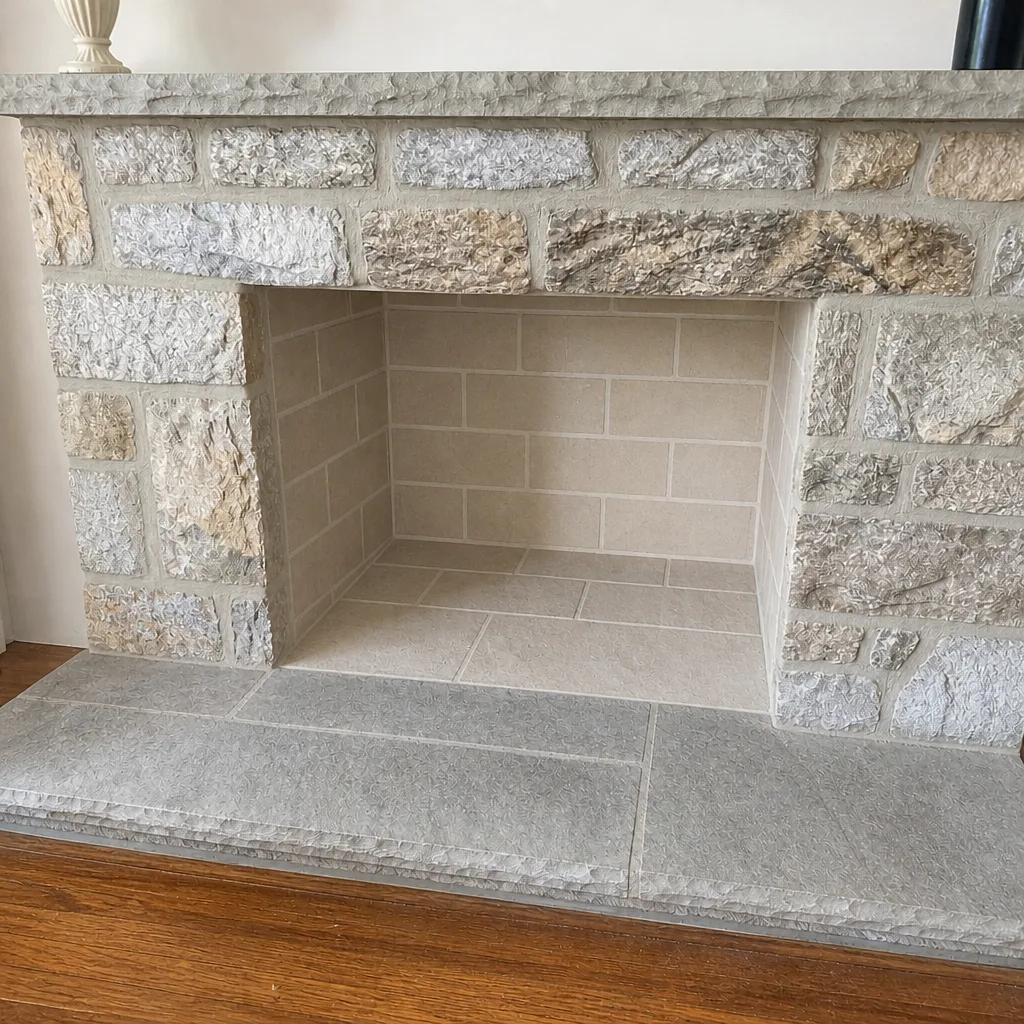 After
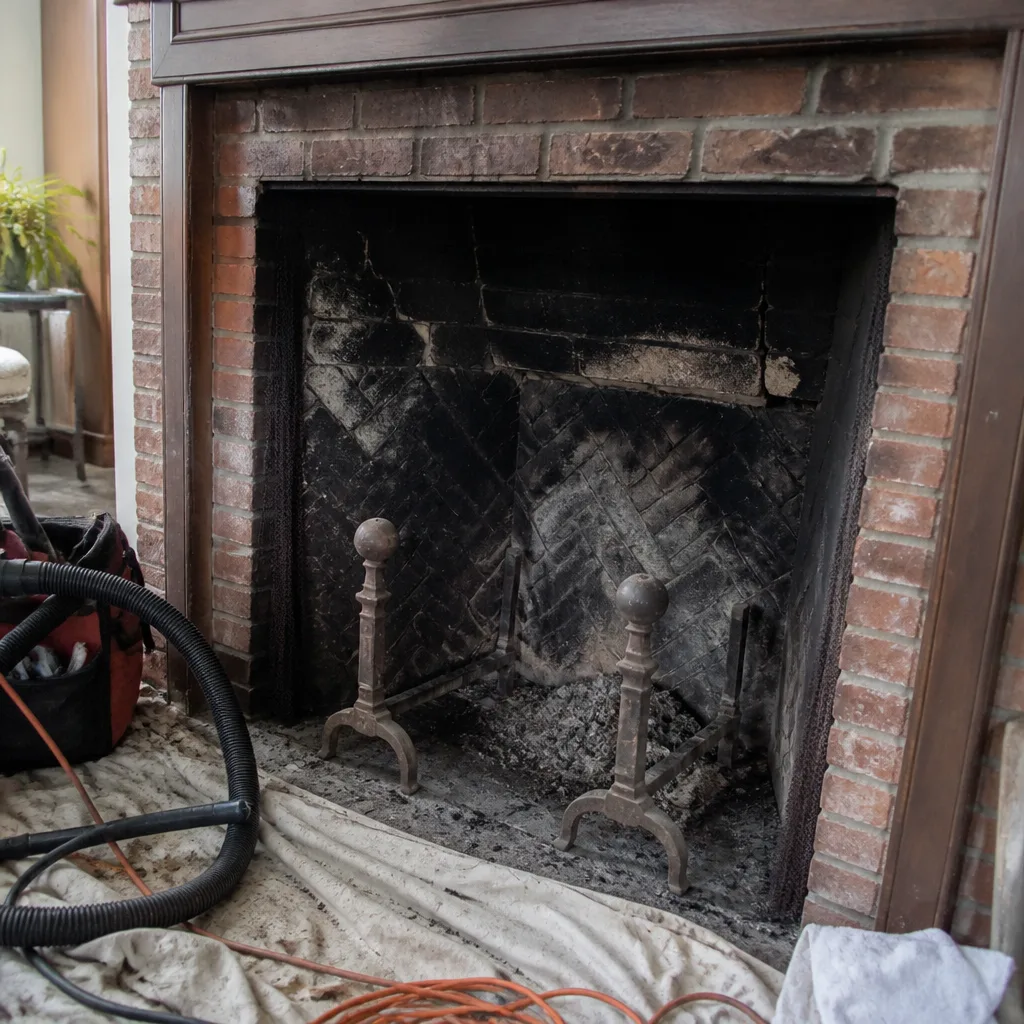 Before
 After
 Before
 After