
Last updated November 24, 2026
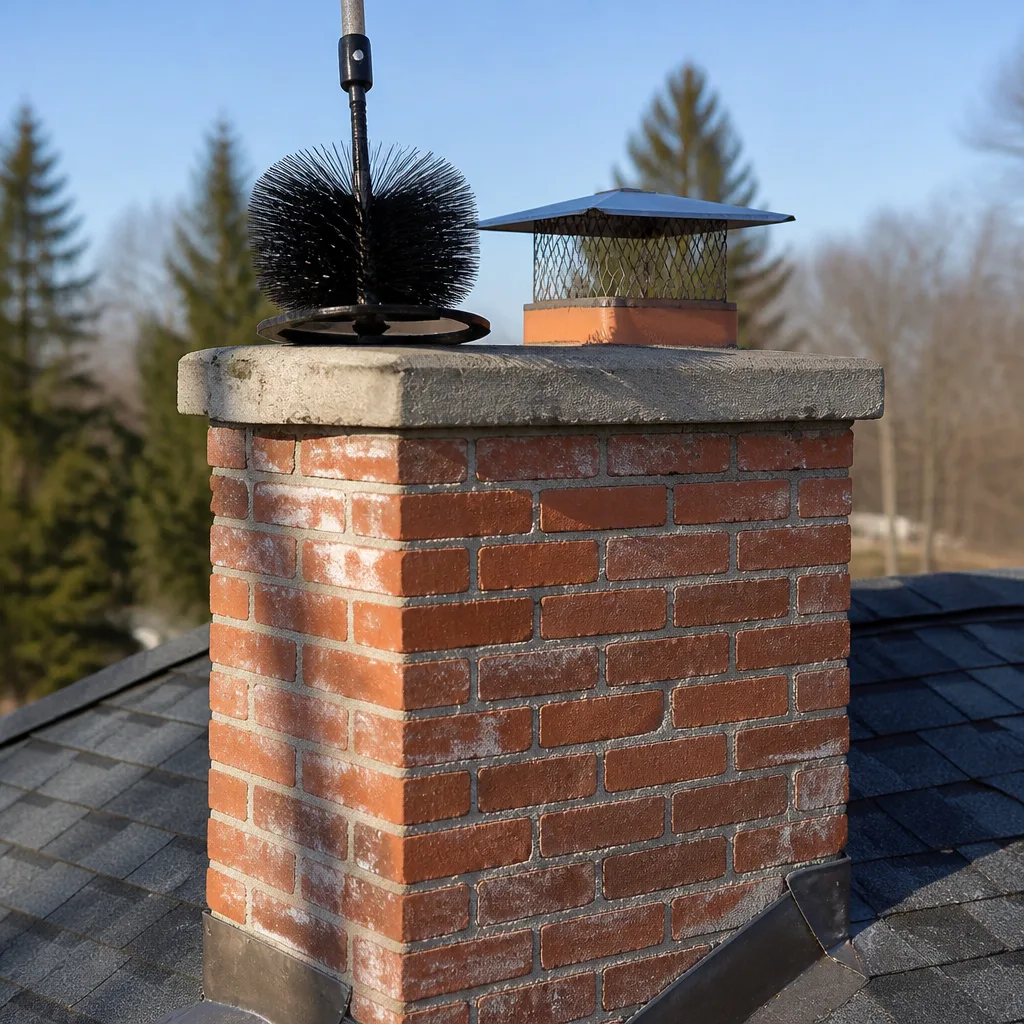 Sweep & inspection
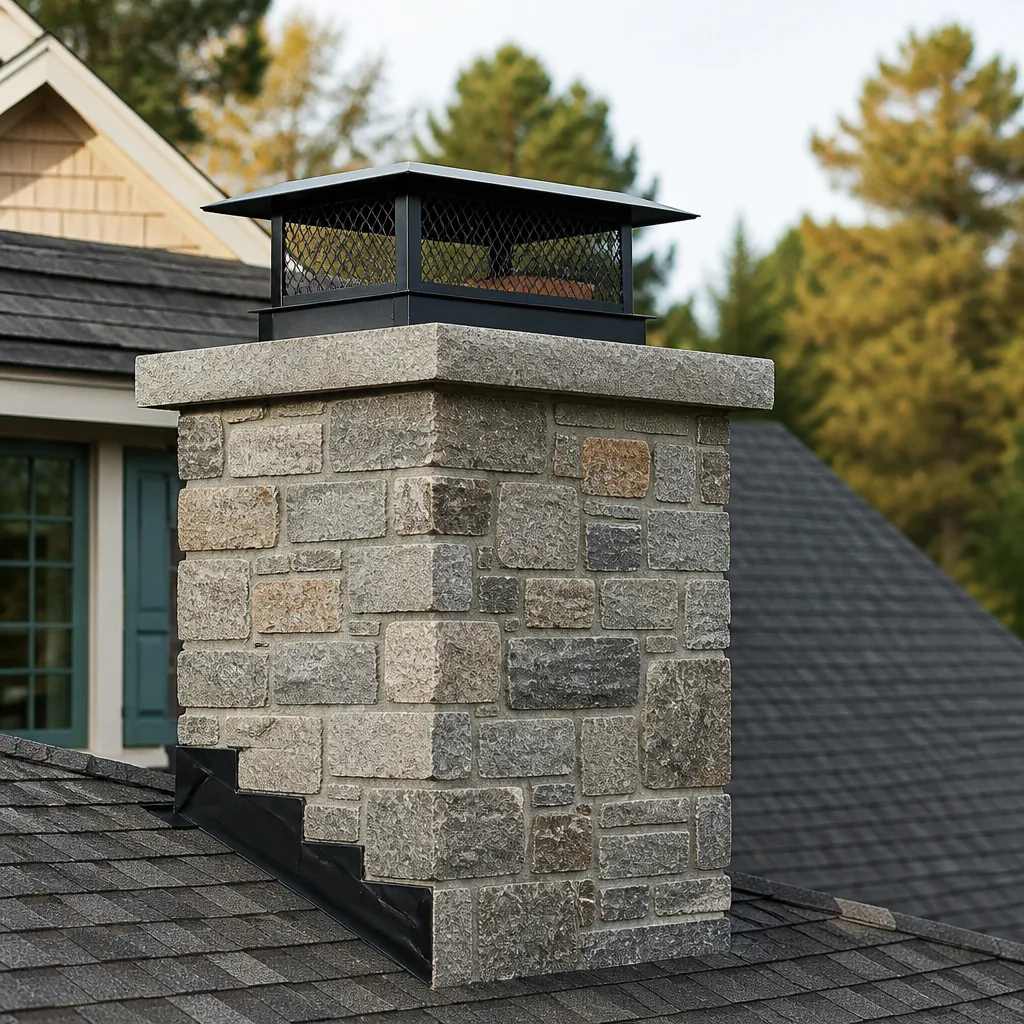 Caps & crowns
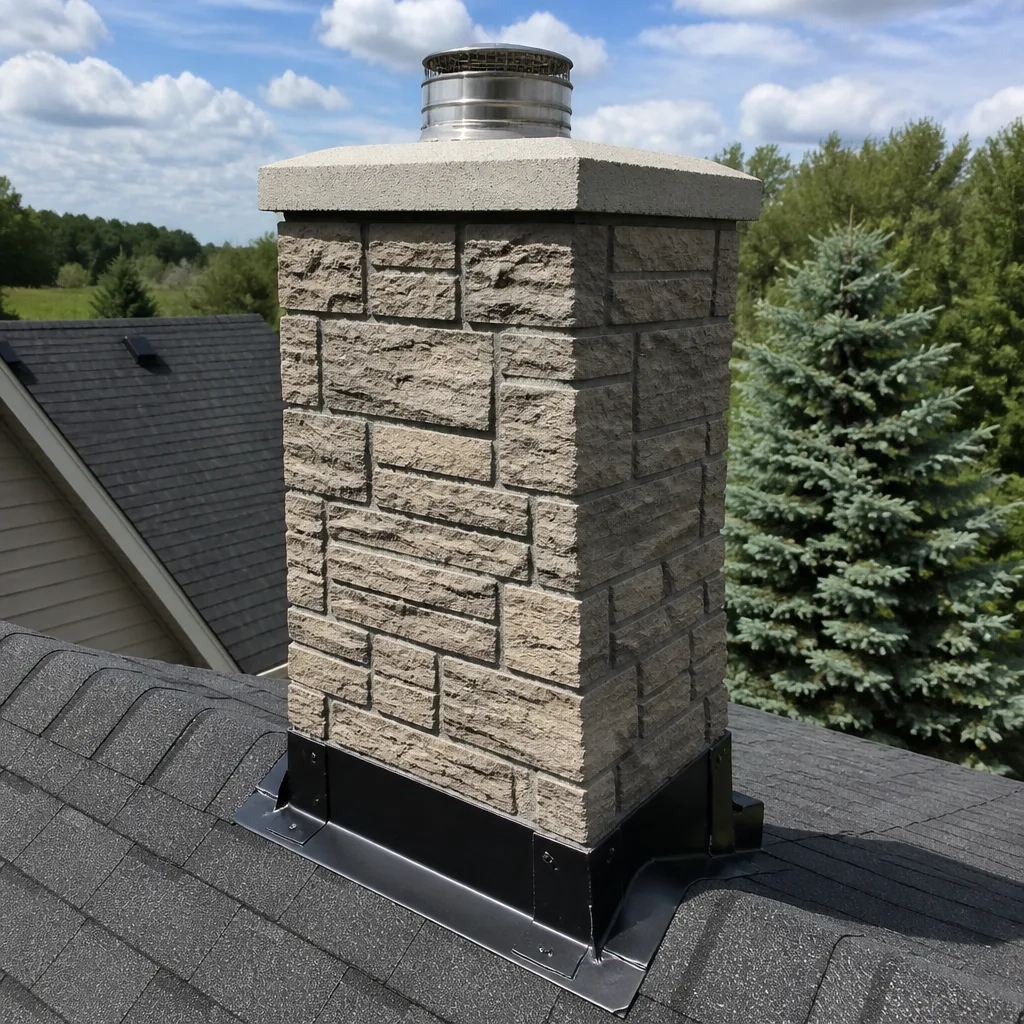 Flue relining
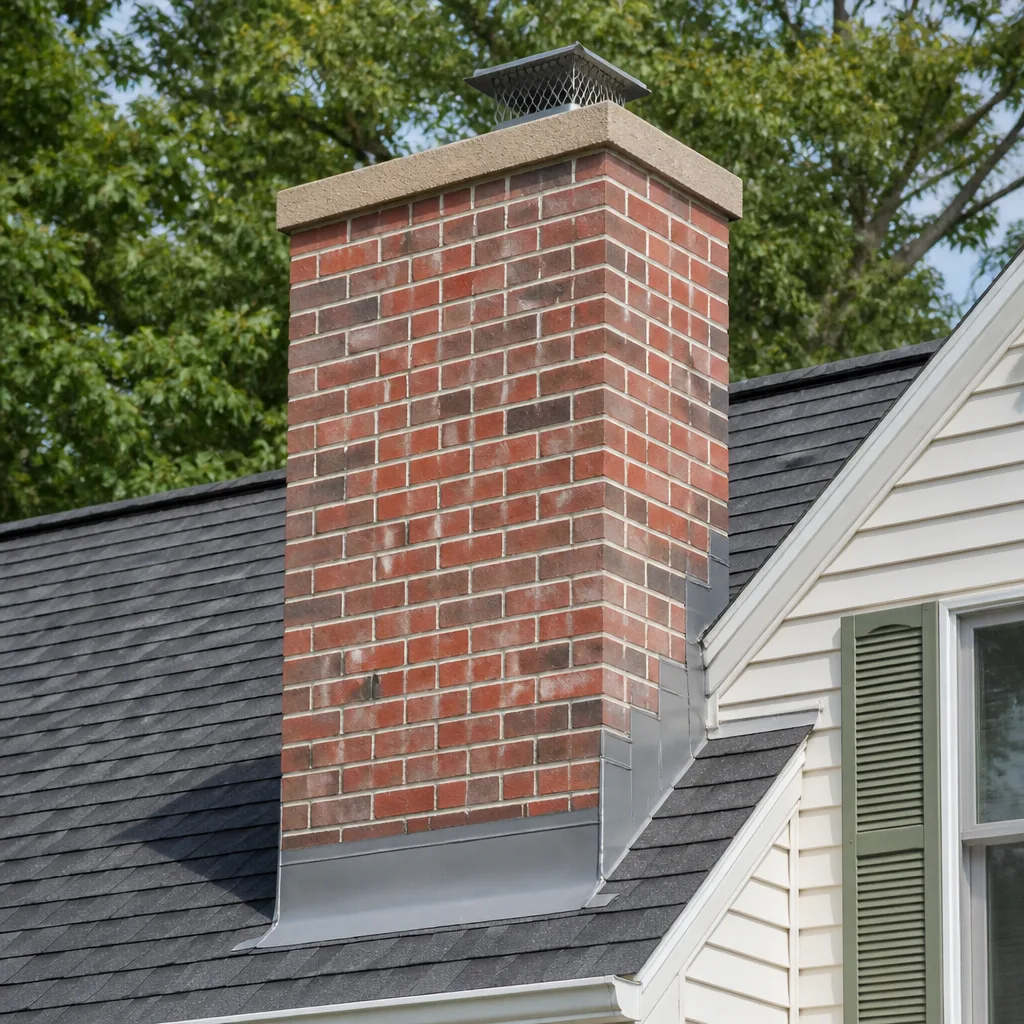 Masonry repair
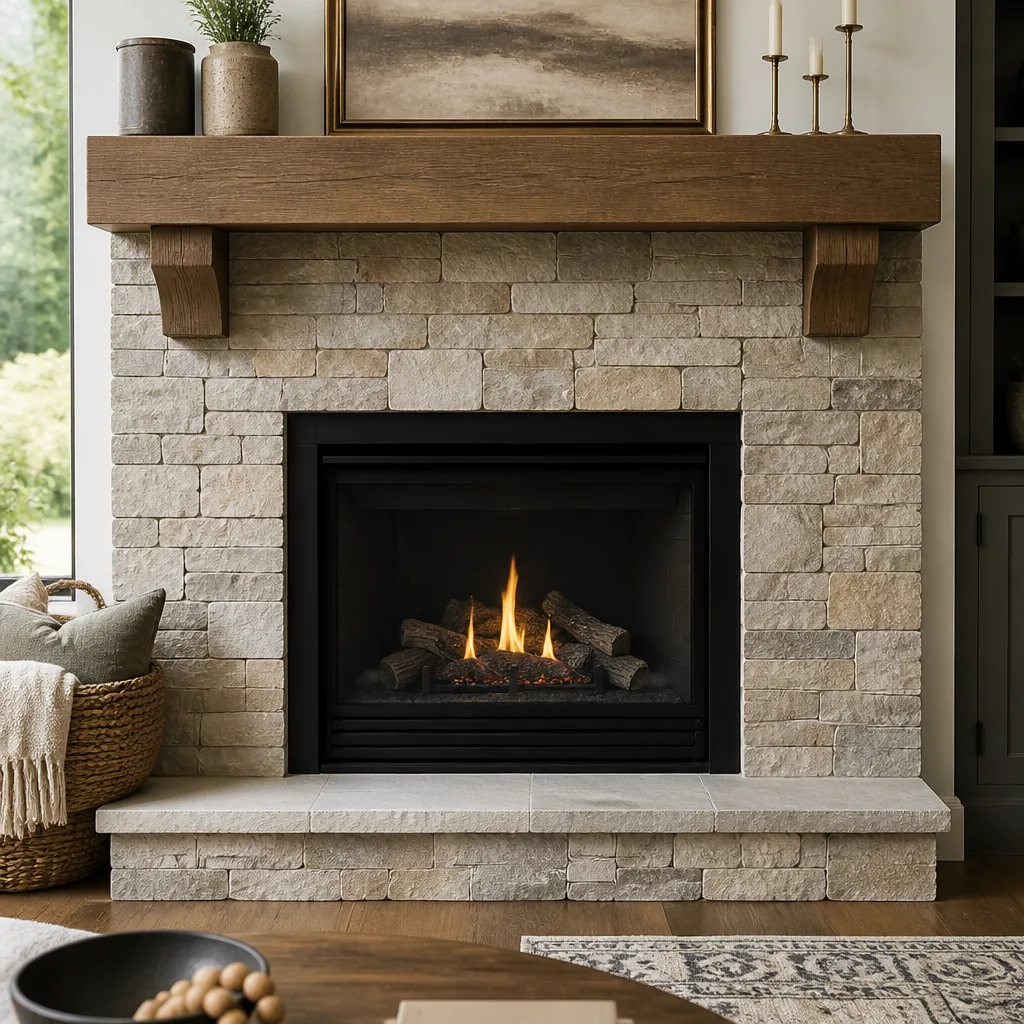 Gas fireplace service
Level 1 sweep and inspection to the NFPA 211 annual standard - flue, crown, cap, and flashing checked and photographed
Chimney sweep logs do not sweep chimneys. They loosen some creosote - which then falls where a brush and vacuum still have to collect it.
Chimney Cleaning Warning Signs: A Great Kills Homeowner’s Reference Guide
A smoky smell in your living room in July, with no fire burning, isn’t a ventilation quirk. It’s your chimney telling you the damper seal has failed and the flue is now acting as an open air shaft, pulling outside air down and pushing stale creosote odor back into the house. That same failure explains why your heating bill climbed this spring and why you’ll have a draft problem in January. Most of what homeowners write off as “normal fireplace behavior” is actually a diagnostic signal with a known cause and a predictable repair path. This guide maps eight specific warning signs to what they mean structurally, so you know which ones can wait and which ones need a sweep before the season turns. We’re writing it from Great Kills, where the housing stock and the weather both put specific pressures on chimney systems.
Quick Answer
The main chimney cleaning warning signs are a smoky odor when no fire is burning, smoke spilling into the room, a damper that sticks or won’t seal, white staining or crumbling on exterior brick, rust streaks on the firebox or cap, and black buildup visible above the damper. In Great Kills, the two that matter most are moisture-driven masonry damage on the exterior and creosote accumulation from burning habits, and both are caught early by a routine sweep and inspection rather than by waiting for a visible failure.
Styles & brands we work with
- Sweep & inspection
- Caps & crowns
- Flue relining
- Masonry repair
- Gas fireplace service
Table of Contents
- The Eight Warning Signs and What Each One Actually Means
- Cosmetic vs. Structural: How to Tell the Difference
- Warning Signs Specific to Great Kills Homes
- The Danger of Warning Signs That Disappear
- How to Photograph and Describe a Warning Sign Before You Call
- Creosote: The Sign You Can’t Always See
- Seasonal Timing: When Warning Signs Get Worse
- Common Mistakes to Avoid
The Eight Warning Signs and What Each One Actually Means
Most chimney advice stops at “if you see this, call someone.” That’s not useful. What you actually need is the root cause behind each symptom, because the cause determines whether you’re looking at a $200 sweep or a liner project, and whether it can safely wait until fall. Here are the eight signs we see most often in Great Kills, each paired with what’s happening inside the system.
- Smoke odor when no fire is burning. Failed damper seal or a damper that no longer closes flush. The flue becomes a two-way air channel: warm air escapes up, cold air drops down, and the creosote residue lining the flue off-gasses into the room. This is the July smell.
- Smoke rolling into the room instead of up. A flue that’s partially blocked by creosote or debris, an undersized flue for the firebox opening, or negative pressure from a competing exhaust fan. The cause matters: blockage needs sweeping, pressure problems need a different fix entirely.
- A damper that sticks, grinds, or won’t stay open. Rust on the damper frame or a warped damper plate. The metal is reacting to moisture that shouldn’t be reaching it, which usually points back to a cap or crown problem further up.
- White staining on exterior brick. Efflorescence, the mineral crust left behind when water moves through masonry and evaporates. Light surface bloom is cosmetic. Thick, recurring, or powdery staining that returns after rain means active moisture intrusion.
- Crumbling or flaking face brick. Spalling. Water has soaked into the brick and is pushing the face off as it freezes and expands. This one is structural and gets worse every winter it’s left alone.
- Rust streaks on the firebox, damper, or cap. Metal components exposed to ongoing moisture. A rusty cap is often the first visible symptom of a failed crown or a cap that was never properly sized to the flue.
- Black glaze visible above the damper. Stage 3 creosote, the hardened, tar-like form that ignites at a much lower temperature than the fluffy stage 1 soot. This is the sign that most directly raises chimney fire risk.
- Grit or debris falling into the firebox. Deteriorated flue tile, a crumbling crown washing debris down the flue, or animals nesting in the chimney. The source is almost always at the top of the system, not the bottom.
Notice how many of these trace back to the cap and crown. That’s the top of the system, the part almost nobody looks at, and it’s why we treat chimney cap & crown work as a core service rather than an add-on. A single missing or undersized cap lets water into the flue on every rain, and the damage it causes shows up months later as a sticky damper or a spalled brick.
Cosmetic vs. Structural: How to Tell the Difference
You can sort most exterior chimney symptoms into cosmetic or structural without specialized tools, and the distinction decides whether you’re scheduling a routine sweep or an actual repair. The trick is watching how a symptom behaves over time and after weather, not just how it looks in a single glance.
Cosmetic signs are surface-level and stable. They don’t spread quickly, they don’t come back aggressively after cleaning, and they don’t change with rain.
- Thin, even efflorescence that brushes off with a stiff brush and doesn’t return within a few weeks.
- Faded or discolored mortar that’s still hard when you press it with a screwdriver handle.
- Minor surface staining on the firebox brick from normal soot.
- A slightly stiff damper that opens and closes fully with light effort.
Structural signs are active and progressive. They spread, they recur, or they involve material actually leaving the masonry.
- Thick powdery efflorescence that returns within a week or two of rain, especially in patches.
- Spalling face brick, or mortar that crumbles when you probe it with a screwdriver handle.
- Rust streaks appearing where there was no rust before.
- Visible cracks in the crown, or a crown that no longer sheds water away from the flue.
- Any dark staining on interior ceiling or wall near the chimney chase, which points to a leak that’s found its way inside.
The gray zone is the one to watch. A patch of white bloom that appears once and never returns is cosmetic. A patch that comes back after every rain is telling you water is entering somewhere above it, and that’s a structural problem masquerading as a stain. In our experience, this is the single most common thing homeowners get wrong when they self-assess: they clean off the efflorescence, it looks fine, and the actual moisture path stays open for another season. If a stain keeps coming back, stop treating it as a stain and start looking for where the water is getting in.
One practical test that needs no tools: after a hard rain, check whether the masonry above and around the stain looks darker than the masonry beside it. Darker means wetter, and wetter means water is still actively moving through that section. If it’s dry forty-eight hours later, the path may be intermittent. If it’s still dark a week later, you have a moisture reservoir that’s slowly doing damage from the inside.
Warning Signs Specific to Great Kills Homes
Great Kills sits where it sits, and the local climate puts specific pressures on chimney systems that a generic national guide won’t tell you about. The mix of seasonal humidity, freeze-thaw cycles, and prevailing wind exposure shows up in predictable places on the masonry, and understanding the local pattern helps you read your own chimney accurately.
Mortar joints eroding faster than the brick. In Great Kills, we commonly see mortar joints worn back while the brick faces stay intact. Mortar is softer than brick, so it gives first. That’s actually good news for diagnosis: erosion that follows the mortar lines is a moisture and weathering pattern, while worn brick faces point to a different problem. When you see joints worn back more than about a quarter inch on the windward side of the chimney, that side is taking the weather and the rest of the stack will likely follow.
Rust streaking from metal components. The cap, the damper frame, and any metal flashing are the parts most exposed to moisture cycling. Rust streaks appearing below the cap after a wet stretch are a signal that water is pooling rather than shedding. A properly fitted cap from a brand like Gelco or Famco is designed specifically to shed it. A cap that was sized “close enough” can trap it.
Efflorescence and salt crystallization. As moisture moves through masonry and evaporates at the surface, it leaves behind dissolved minerals, and enough of them can crystallize under the surface of the brick and push outward. That’s when staining turns into actual spalling. The pattern in Great Kills is recurring mineral bloom in the same spots, season after season, especially on chimneys facing the prevailing weather.
What you won’t see here that guides written for other climates warn about: hail damage to caps is uncommon in this area, so treat “my cap looks beat up” as a moisture or installation question rather than an impact one. The real local risks are the slow ones. Freeze-thaw cycles around the shoulders of the heating season, plus the humidity of summer, mean a chimney that takes on water in July shows the damage in January. That’s the case for inspecting in the shoulder months, before the cold locks in whatever the summer did.
This is also why we lead with the inspection rather than the sweep when something looks off on the exterior. A sweep cleans the flue. An inspection finds the crown crack that’s been dripping water into it. The two jobs are related but not the same, and a chimney sweep without a look at the exterior is only telling you half the story.
The Danger of Warning Signs That Disappear
The most dangerous chimney problem is the one that stops showing symptoms. A smoke issue that “went away on its own” usually means the conditions changed, not that the problem fixed itself, and the change is often toward more risk rather than less.
Here’s what actually happens. Say you had smoke rolling into the room in the fall. You switched firewood, or the wind shifted, or you started opening a window a crack before lighting. The smoke stops. Did the blockage clear? Almost certainly not. More likely, one of three things happened:
- The creosote layer thickened enough to change airflow. A partial blockage can actually smooth into a different draft pattern before it gets worse. The next stage is restriction, not improvement.
- You changed burning habits in a way that masked the symptom. Hotter, drier fires draft better. That doesn’t mean the flue is clear; it means you’re not lighting under the conditions that reveal the problem.
- The damper settled into a different position. A damper stuck partly open stops smoke spillage on mild days because it improves draft. It also stops closing when you want the house sealed, which means energy loss all winter and a cold flue that creosotes harder.
The reason this matters more than the original symptom: a chimney fire or carbon monoxide problem does not announce itself the way smoke spillage does. A flue that’s restricted but still drafting enough to look normal is the setup for both. Stage 3 glazed creosote can ignite at a temperature well below what a normal hot fire reaches. And a blocked or partially blocked flue with a gas appliance connected to the same system can push combustion gases back into the living space with no visible sign at all.
We hear “it fixed itself” constant in Great Kills, and it’s almost never true. It usually means the homeowner got a few weeks of good behavior out of the system and stopped watching. The correct response to a symptom that disappears is the same as the response to one that gets worse: get it checked, and get it checked before you light the first fire of the season.
The related trap is assuming a symptom is harmless because it’s seasonal. Smoke back-drafting only on cold mornings is still back-drafting. A smell that only appears when the heat first kicks on is still a leak path. Seasonal patterns are clues, not clearance.
How to Photograph and Describe a Warning Sign Before You Call
When you call for a diagnostic appointment, the information you give determines which tools and which technician show up. A vague description gets a general appointment. A specific one gets the right visit the first time. These are the steps we recommend, whether you’re calling us or anyone else.
- Photograph the symptom in place, wide then close. One wide shot showing the whole chimney or firebox so we know where we’re looking, then one close shot of the specific problem. A tight shot of white staining with no context is much less useful than a wide shot with the stain visible in the top third.
- Get the exterior from ground level and from the roofline if it’s safe. Never climb onto a roof to photograph a chimney. Take what you can see from the ground, and let the technician handle the roofline. A phone zoom from the driveway usually shows enough to tell us whether the crown is cracked.
- Note the weather when the symptom appears. “Only when it rains” points to a crown or cap issue. “Only when it’s cold” points to draft or damper. “Every time we light a fire” points to blockage. Write it down before you forget.
- Measure roughly. How wide is the stain, the crack, the gap in the cap? Rough measurements in inches are far more useful than “about the size of a coin.”
- Note when it started and whether it’s getting worse. A stain that’s been the same size for two years and a stain that’s doubled since spring are different problems.
- Say what changed. New roof? Different firewood? New appliances? A new dryer or bath fan can change the pressure balance in the house and cause smoke problems that have nothing to do with the chimney itself.
- Check the firebox and damper before you call. Open the damper. Look up with a flashlight. You don’t need to do anything about what you find, but knowing whether the damper moves freely and whether there’s visible buildup tells us which appointment to schedule.
One safety note before you go looking: do not reach your hand or any tool up past the damper, and do not try to clear a suspected blockage with a long tool from below. What’s above the damper is a flue that can be coated in tar-like creosote, and the debris above it can be loose tile or a bird’s nest. Both belong to a trained technician with the right equipment. Our technicians have up to 10 years of experience and carry the tools to work safely above the damper.
Creosote: The Sign You Can’t Always See
Creosote is the reason chimney sweeps exist, and it’s the one warning sign that doesn’t always show up on the outside. It’s a natural byproduct of wood smoke condensing on the flue walls, and it accumulates in three forms with very different risk profiles.
- Stage 1: Soot and fluff. Dusty, easy to brush off. Normal residue between cleanings. Low risk as long as it’s removed routinely.
- Stage 2: Hardened crust. Once a fairly thin layer builds, the flue loses its ability to cool smoke, which means more creosote condenses on it, which means more buildup. This is the feedback loop that makes annual sweeping matter.
- Stage 3: Glazed, tar-like creosote. Hard, shiny, and difficult to remove with a standard brush. This is the form that ignites most readily and burns hottest. Once a flue reaches stage 3, a routine sweep isn’t enough; it needs a rotary cleaning with specialized equipment.
What drives creosote buildup is worth understanding, because a lot of it is in your control. Cool flue temperatures, wet firewood, smoldering fires with the damper nearly closed, and restricted airflow all accelerate it. Burning well-seasoned wood with a hot, open fire minimizes it. Burning unseasoned wood with the damper choked down maximizes it. In Great Kills, where many homes have wood fireplaces as secondary heat, the “choke it down to make it last” instinct is the most common creosote driver we see.
The reason creosote belongs in a warning-signs guide is that it’s the sign most often invisible. You can’t see the top of the flue from the firebox. Stage 3 creosote often shows no exterior symptom at all until the day the flue catches fire or a sweep finds it. That’s the argument for annual inspection even when nothing looks wrong: the check finds the thing you can’t see, and that’s most of the value.
If a sweep does find glazed creosote or a flue lining that’s deteriorated under it, the repair question becomes real. In some cases the flue can be resurfaced with HeatShield rather than torn out and relined, which is a less invasive and less costly path. In others, a DuraFlex stainless flex liner is the correct fix. The point of the inspection is to find out which before anyone starts recommending work.
Seasonal Timing: When Warning Signs Get Worse
Chimney problems in Great Kills follow a seasonal pattern, and knowing it helps you schedule the right look at the right time rather than reacting in the middle of a cold snap.
Spring and early summer. This is when moisture damage from the winter becomes visible. Freeze-thaw cycles over the cold months push water into masonry and drive spalling. When the weather warms, efflorescence surfaces. If you see a fresh bloom of white staining in May or June that wasn’t there in the fall, that’s the winter’s damage announcing itself.
Late summer. This is the shoulder season when a sweep and inspection should be booked. The flue is about to see the first fires of the year, creosote from last season is at its highest accumulation, and any repair work identified in the inspection has time to be scheduled before the weather turns. The urgency here is seasonal, before the first fire, not hourly.
Fall. First-fire problems. Damper stiffness, smoke spillage, and draft issues that were invisible all summer suddenly matter. If your damper won’t open easily on the first cold evening, it wasn’t getting harder overnight; it rusted over the summer under a cap that was letting moisture in.
Winter. The compounding season. A flue that was tight in October is tighter in January. Creosote that was stage 2 in September is often stage 3 by December under heavy burning habits. Any exterior damage also gets worse: the freeze-thaw cycle accelerates with every storm, and a crown crack that was minor in fall can be a real water path by the new year.
The practical takeaway: the shoulder months, spring and late summer, are the best time to look at a chimney. The worst time to discover a problem is the day you want to use the fireplace. Booking a sweep and inspection before the first cold snap isn’t just convenient, it’s the difference between a routine cleaning and a repair window that you don’t get to choose.
Common Mistakes to Avoid
- Assuming a symptom “went away.” It almost never did. Chimney problems mask rather than resolve, and the masked version is often more dangerous than the original symptom. If you’ve seen smoke spillage once, get it checked even if you never see it again.
- Treating recurring efflorescence as a cleaning job. Scrubbing the white stain off a Great Kills chimney and walking away is cosmetic maintenance on a structural problem. If the stain comes back after rain, the water path is still open.
- Confusing a sweep with an inspection. A sweep cleans the flue. An inspection evaluates the entire system from firebox to cap. A sweep with no inspection checks the inside and misses the crown crack that caused the problem.
- Choking the damper down to make fires last longer. This is the single biggest creosote driver in the homes we see. A cool, smoldering fire deposits far more tar than a hot, open one.
- Burning unseasoned or “free” firewood. Wet wood produces more smoke, more creosote, and less heat per log. The savings disappear at the sweep and the liner.
- Climbing onto the roof to look at the cap yourself. The most common injury in chimney work isn’t the chimney, it’s the fall. Let a technician handle the roofline and photograph from the ground.
- Splitting the work across multiple contractors. A sweep from one company, a cap from another, and a liner from a third leaves nobody accountable when the parts don’t fit. One contractor covering the whole system from firebox to cap avoids that.
When to Call a Professional
Call a professional when you see any of the following: smoke spilling into the room, a smoky odor with no fire burning, a damper that sticks or won’t seal, rust streaks on the firebox or cap, spalling brick, recurring white staining, black glaze visible above the damper, or grit falling into the firebox. Also call if a symptom you saw once has disappeared, or if it’s been more than a year since the last sweep. These are not DIY diagnostics. The dangerous parts of a chimney system, from the flue above the damper to the crown at the roofline, are the parts you should not be working on yourself. Chimney Sweep Great Kills offers free estimates in Great Kills. Call (866) 937-8578. We answer 24/7. Fast dispatch from 7am to 7pm, Sunday through Friday.
See the difference
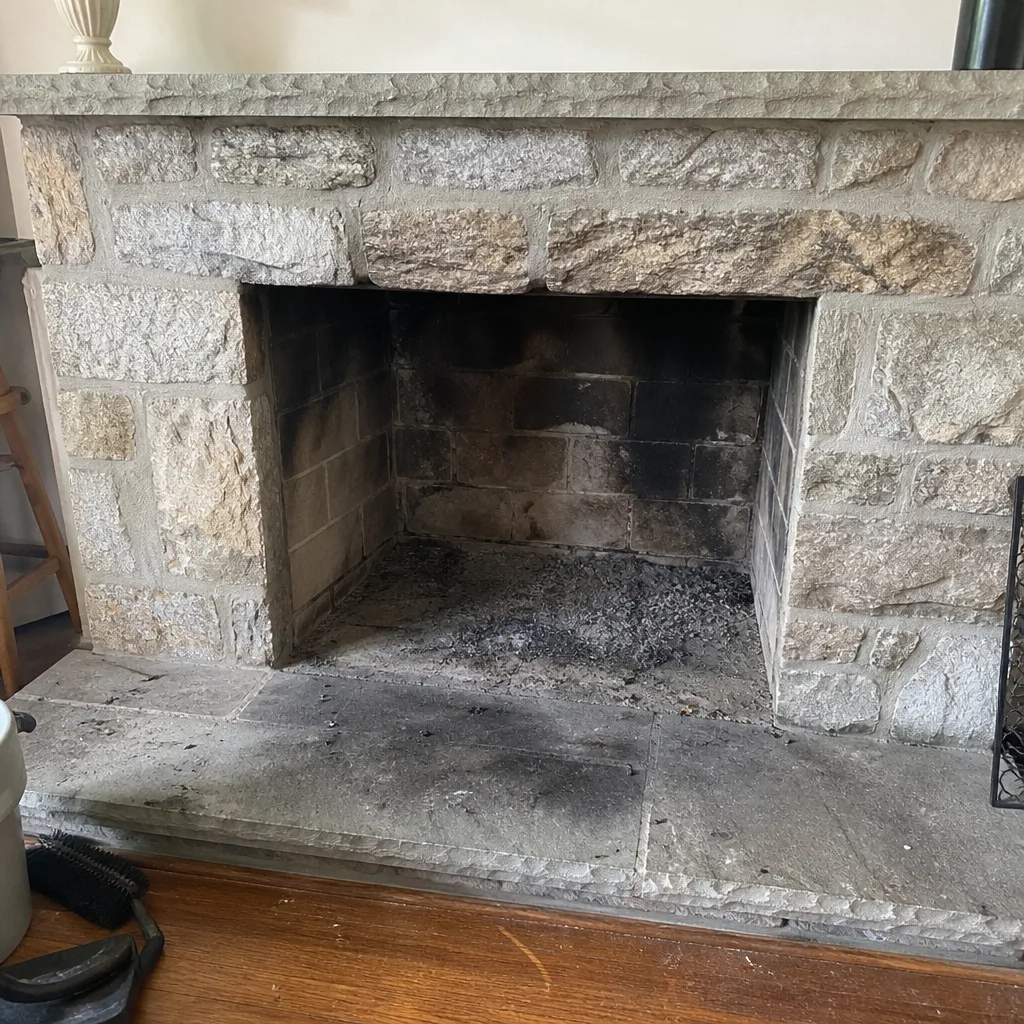 Before
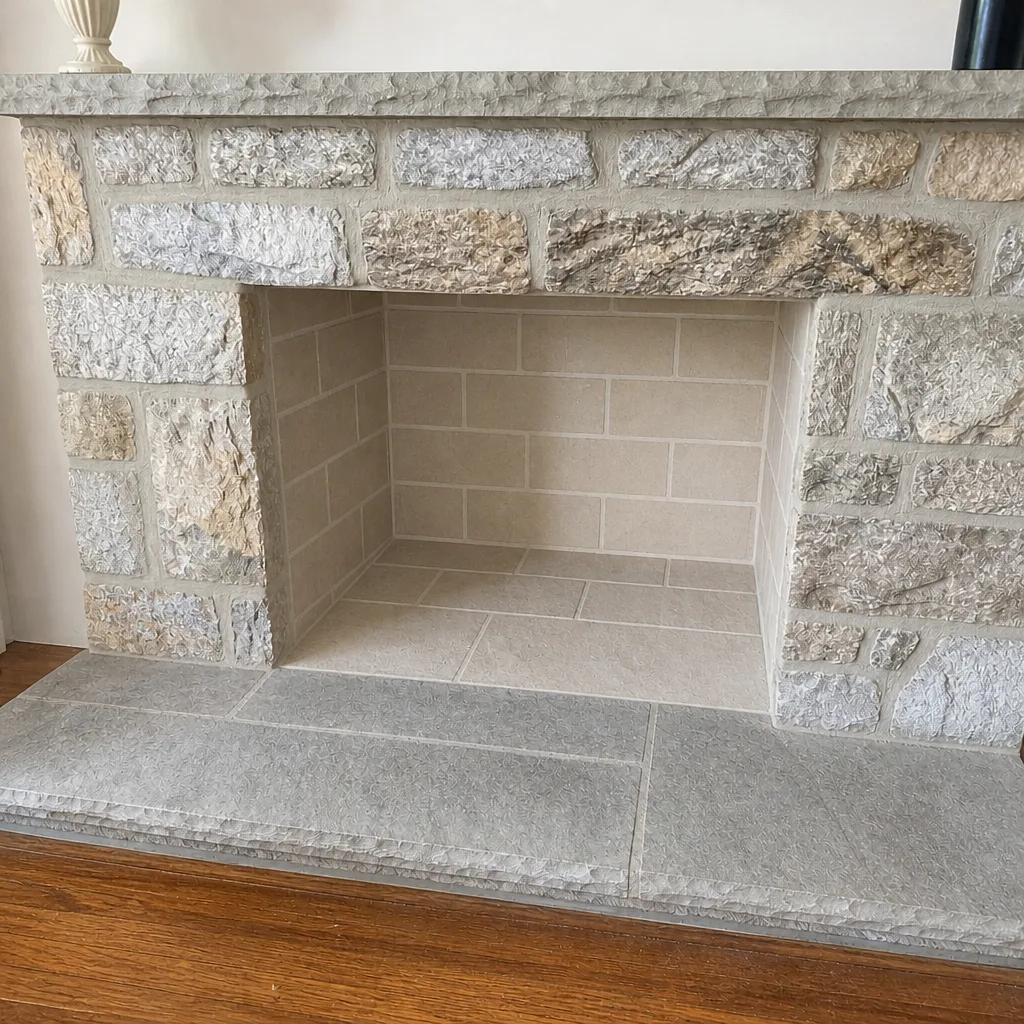 After
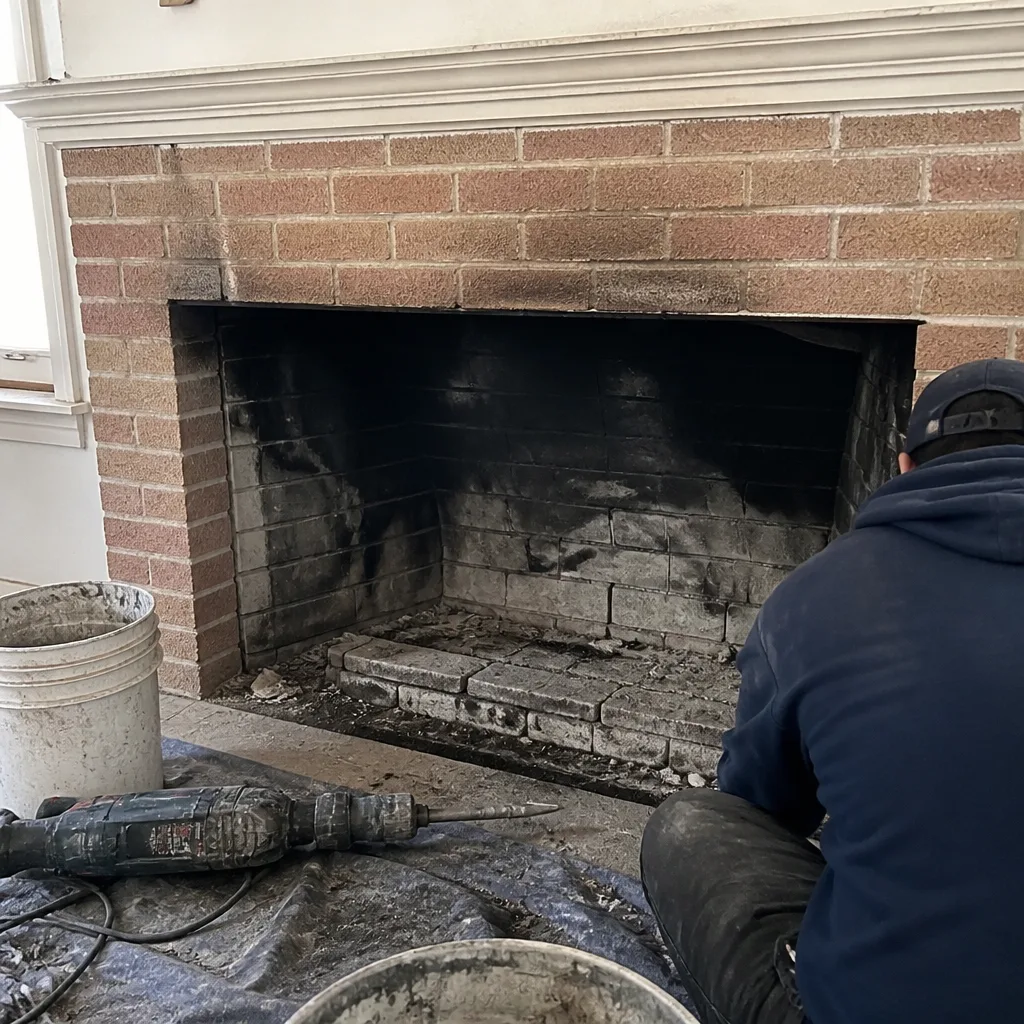
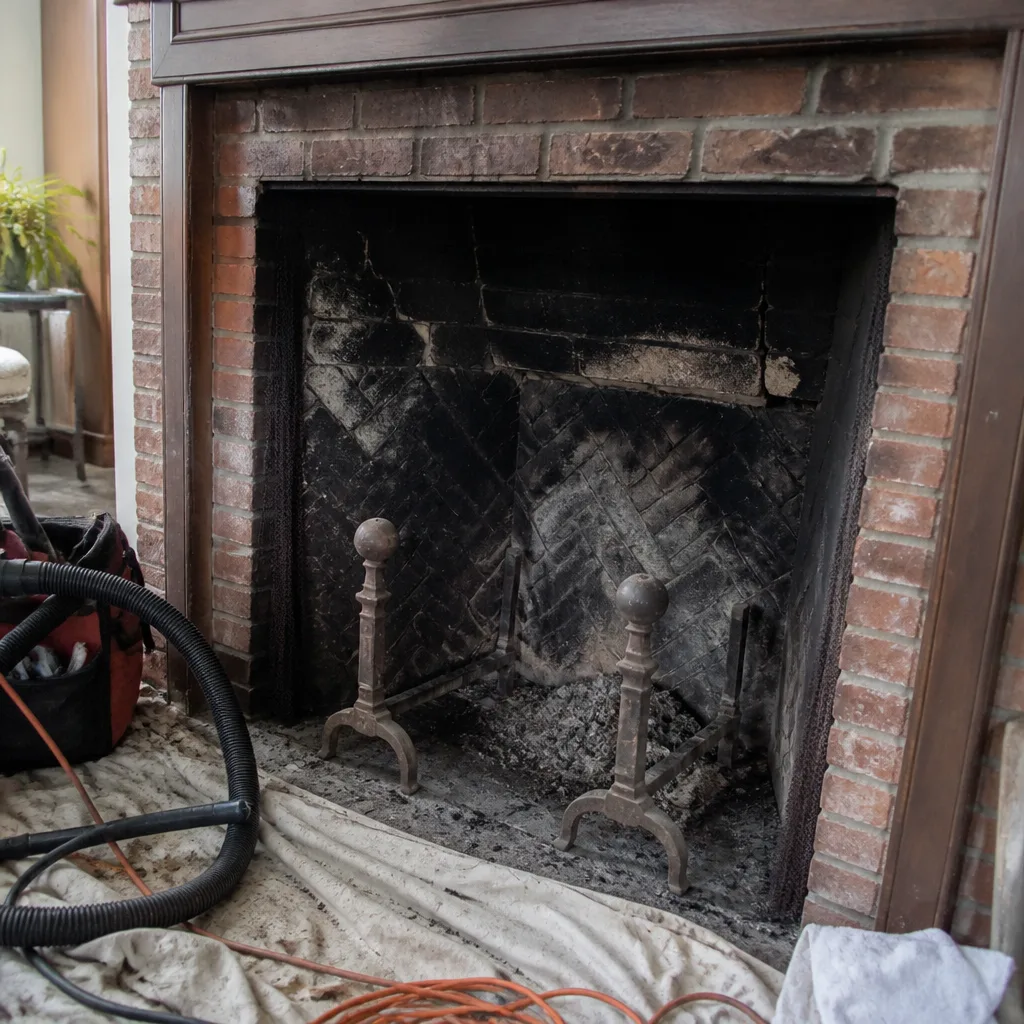 Before
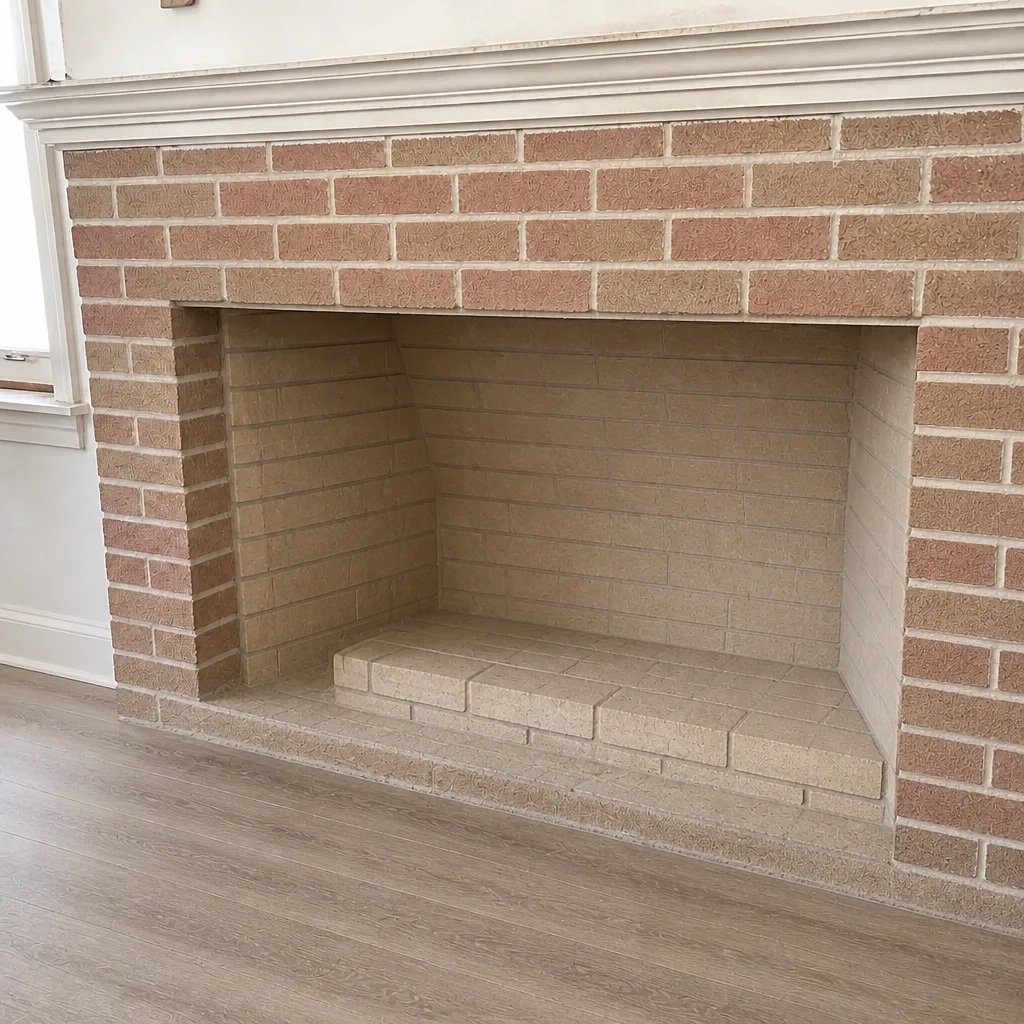
 After
 Before
 After
Frequently Asked Questions
A routine chimney sweep is priced per job by a written estimate that we agree before booking, and the estimate is always free. The final price depends on the flue’s condition, the creosote stage we find, and whether the job includes an inspection on top of the cleaning. Call (866) 937-8578 for an exact quote.
Not always, and we won’t tell you that you do without showing you why. A deteriorated or undersized flue sometimes can be resurfaced with HeatShield rather than torn out and relined, which is a less invasive path. If the lining damage is too extensive for resurfacing, a DuraFlex stainless flex liner is the standard repair. The decision should come from camera evidence you can see for yourself, not from a recommendation on the phone. Call (866) 937-8578 to schedule the inspection that answers it.
Once a year is the general standard for a wood-burning fireplace, and more often if you burn heavily through the winter. In Great Kills, the humidity and freeze-thaw cycle make the annual inspection just as important as the sweep, because the exterior of the chimney is under real seasonal pressure. Booking a sweep before the first fire of the season catches both the creosote inside and the moisture damage outside. Call (866) 937-8578 to book it.
Skipping a sweep means creosote accumulates unchecked, and at stage 3 it can ignite at temperatures a normal fire reaches. Skipping the inspection means moisture damage from a failed cap or crown keeps getting worse every winter, turning a surface repair into a rebuild. Skipping it also means you won’t know if there’s a problem with an appliance venting into the same system, which is a carbon monoxide concern rather than a cosmetic one. Call (866) 937-8578 for an estimate before the season.
The damper seal has likely failed, and the flue is acting as an open air shaft. Warm air escapes up and outside air pushes down, carrying the creosote smell that lines the flue back into the living room. It’s an early warning sign, not a seasonal quirk, and it usually gets worse in winter as a draft problem. A fresh fireplace repair or a damper replacement fixes it. Call (866) 937-8578 to schedule a diagnostic look.
We don’t recommend it for anything above the damper. The flue above that point can be coated in tar-like creosote that needs rotary brushes rather than a chimney brush on a rod, and the debris above it can be loose tile or an animal nest. Reaching up past the damper with a hand or a tool risks a creosote slide or dropping loose material into the firebox. A trained sweep with the right tools is the safer path. Call (866) 937-8578 for a free estimate and we’ll tell you exactly what the job needs.
It means stage 3 creosote, the hardened tar-like layer that ignites far more readily than normal soot. A standard brush won’t remove it, so the flue needs a rotary cleaning, and the inspection should look at whether the flue lining beneath it has been compromised. This is one of the strongest signals to schedule a sweep before the next fire. Call (866) 937-8578 for an exact quote.
Sometimes yes and sometimes no. Thin efflorescence that brushes off and doesn’t return is cosmetic. Staining that comes back after rain, sits in the same place, or is powdery and thick means active moisture intrusion, and it usually points back to a failed cap or crown. That’s a structural problem getting worse every year it’s left open. Call (866) 937-8578 to schedule an inspection.
Chimney Warning Signs and the Great Kills System
If you’re going to remember one thing from this guide, it’s that a chimney tells you what’s wrong from the top down. The cap lets water in, the crown fails to shed it, the flue absorbs it, the damper rusts, the firebox stains, and by the time you notice something inside the house, the problem has been running above it for months. That’s why we lead every job with an inspection rather than a sweep: we need to see the firebox floor and the cap on the same visit, because the cause on one end is almost always visible as damage on the other.
What that looks like in Great Kills homes, in practical terms: a routine chimney sweep keeps the flue clear of stage 1 and stage 2 creosote. A cap and crown that actually fit and shed correctly keep the moisture out that would otherwise start spalling brick and rusting dampers. HeatShield resurfacing and DuraFlex liner systems repair a flue without tearing it out when the lining has been damaged. And a fireplace repair or damper replacement keeps the system usable rather than just clean. When all of that comes from one contractor covering Chimney Sweep Great Kills, you don’t get the callback shuffle between three vendors each blaming the other when something doesn’t fit. One call covers the whole chimney, from firebox floor to cap.
The Bottom Line
The warning signs that matter most are the ones homeowners write off: the summer smoke smell, the sticky damper, the white stain on the brick, the symptom that disappeared. Each has a specific cause and a predictable trajectory, and each is cheaper to fix early than after a winter of compounding. In Great Kills, watch the exterior closely, because moisture damage here moves slowly and then suddenly. If you see any of the eight signs, don’t wait for the first fire of the year to get it checked. Book a sweep and inspection in the shoulder months, and if something looks wrong, photograph it, describe it clearly, and call. Estimates are free, nothing gets recommended without camera evidence you can see for yourself, and we’ll tell you plainly when a repair can safely wait.
Call (866) 937-8578 for a free estimate. We answer 24/7. Fast dispatch from 7am to 7pm, Sunday through Friday.
Written by the team at Chimney Sweep Great Kills.