
Last updated November 24, 2026
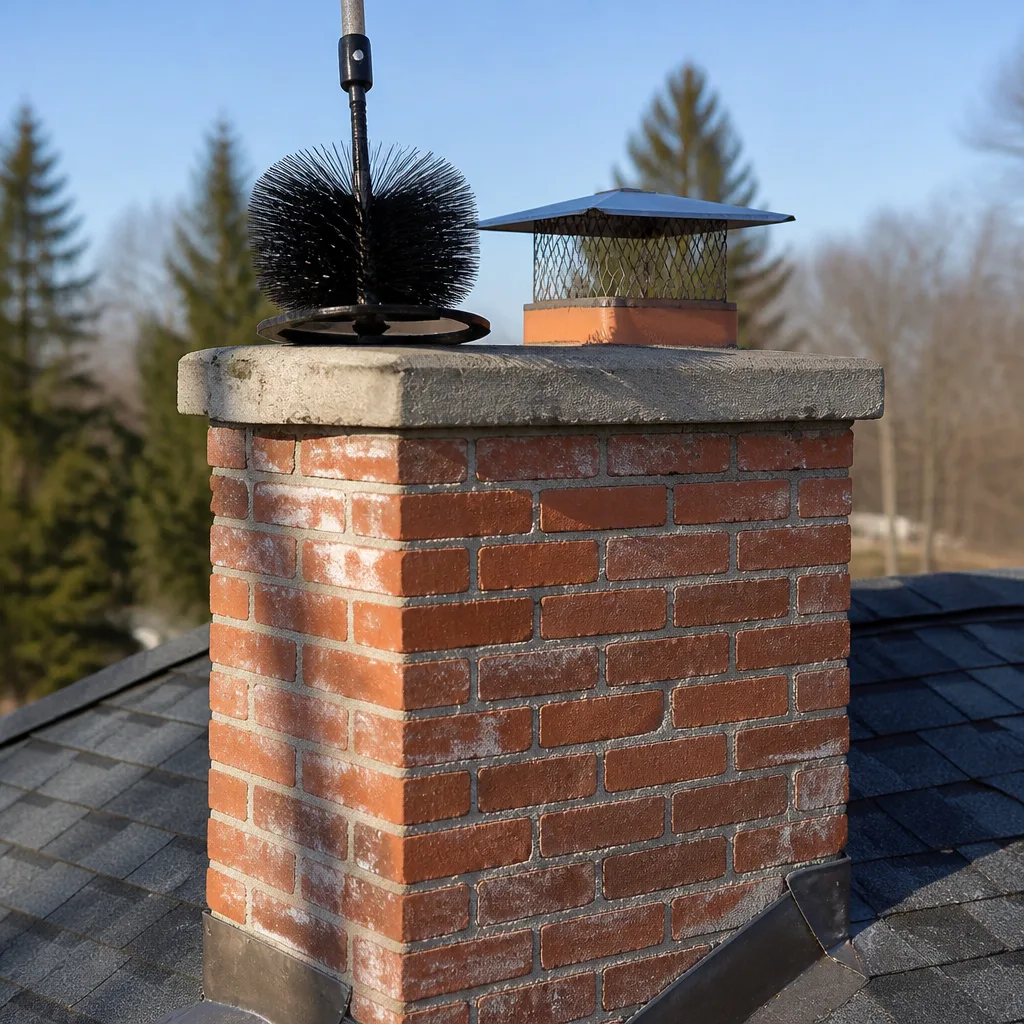 Sweep & inspection
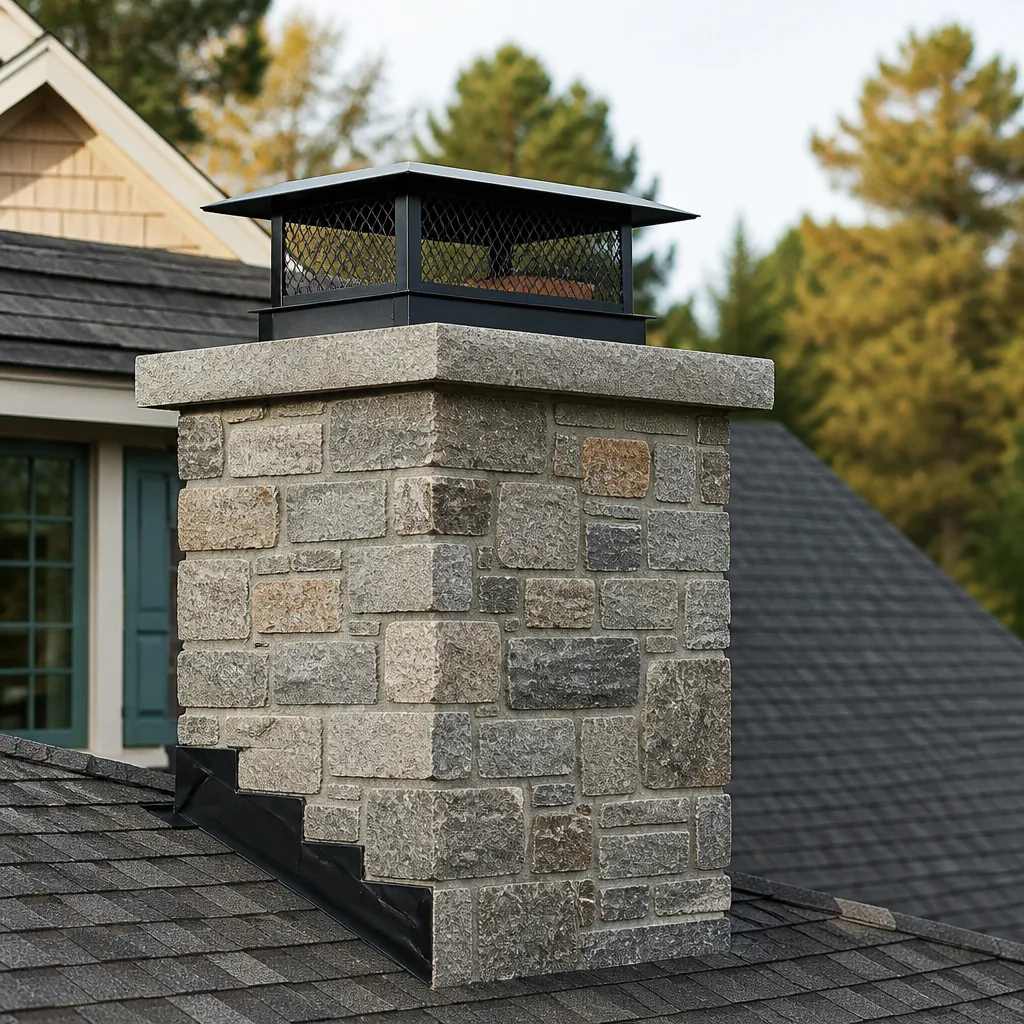 Caps & crowns
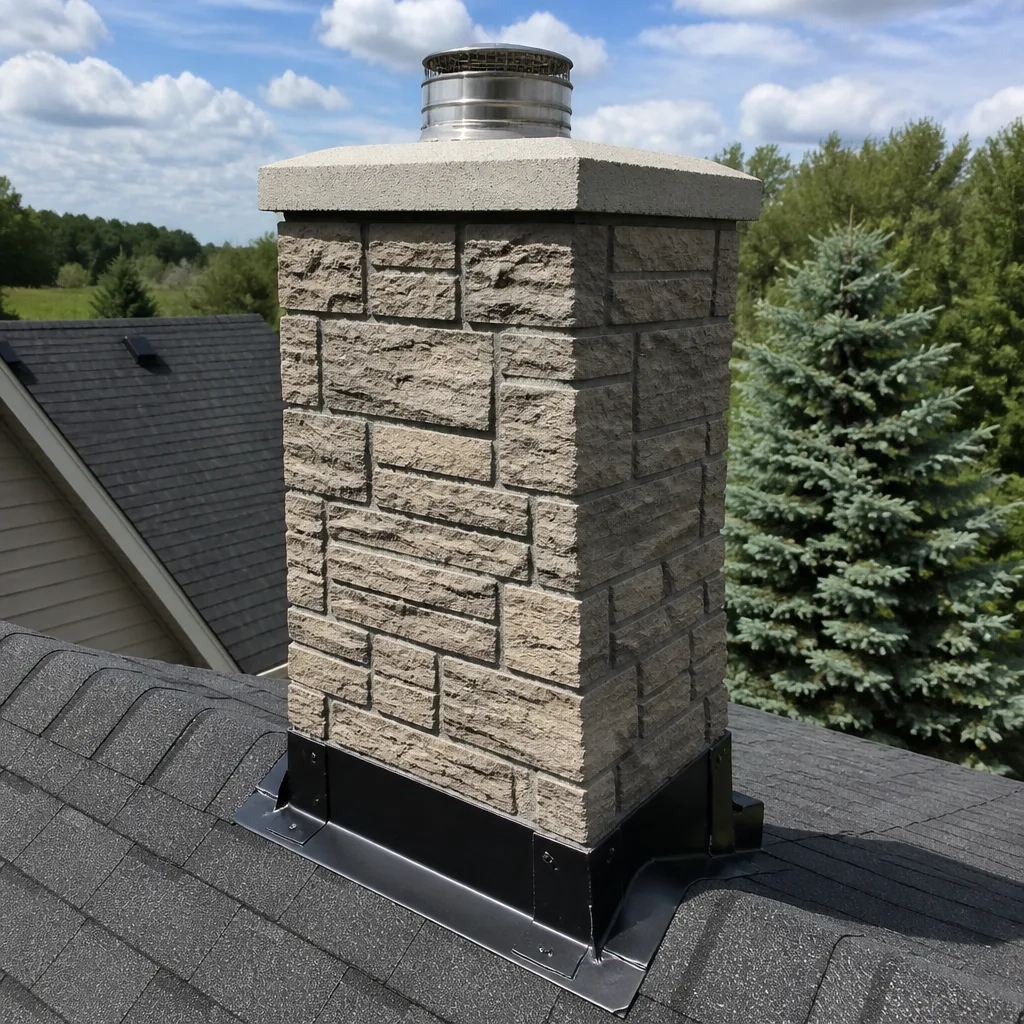 Flue relining
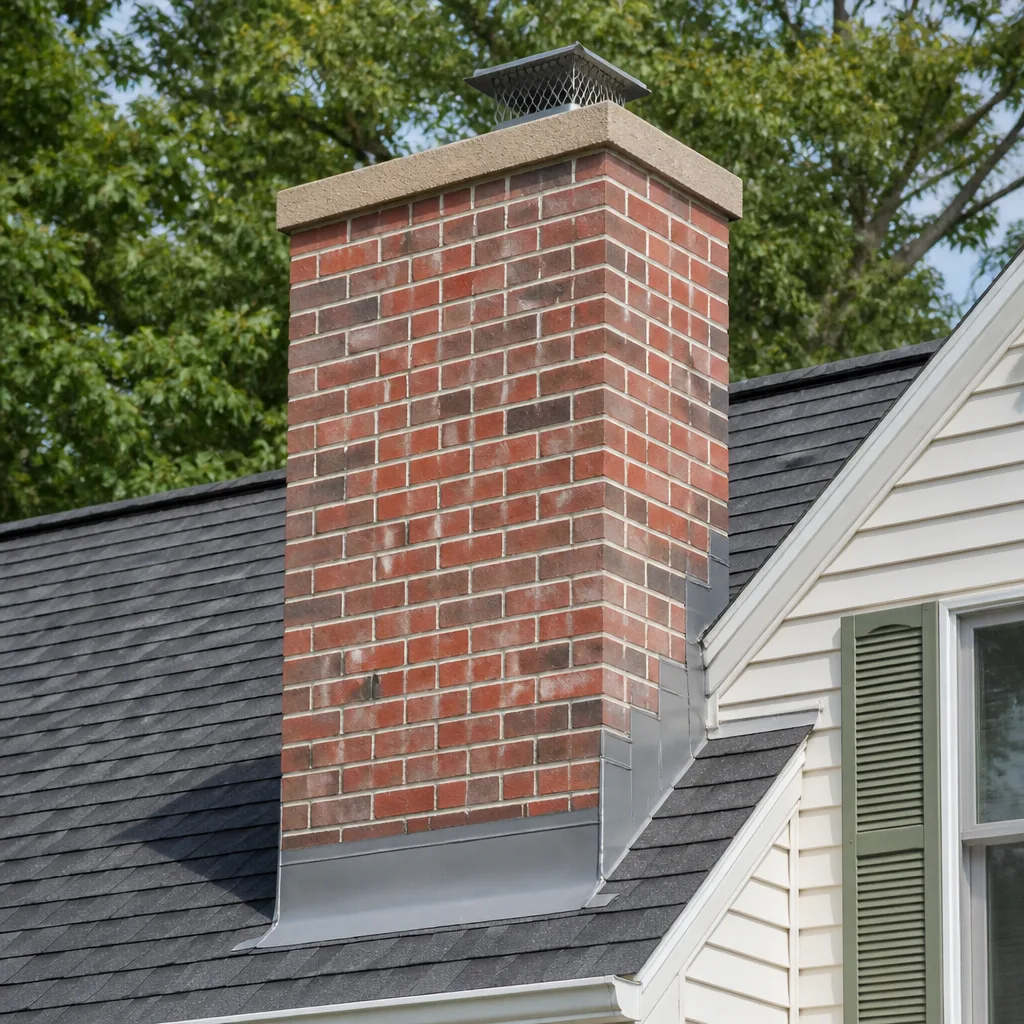 Masonry repair
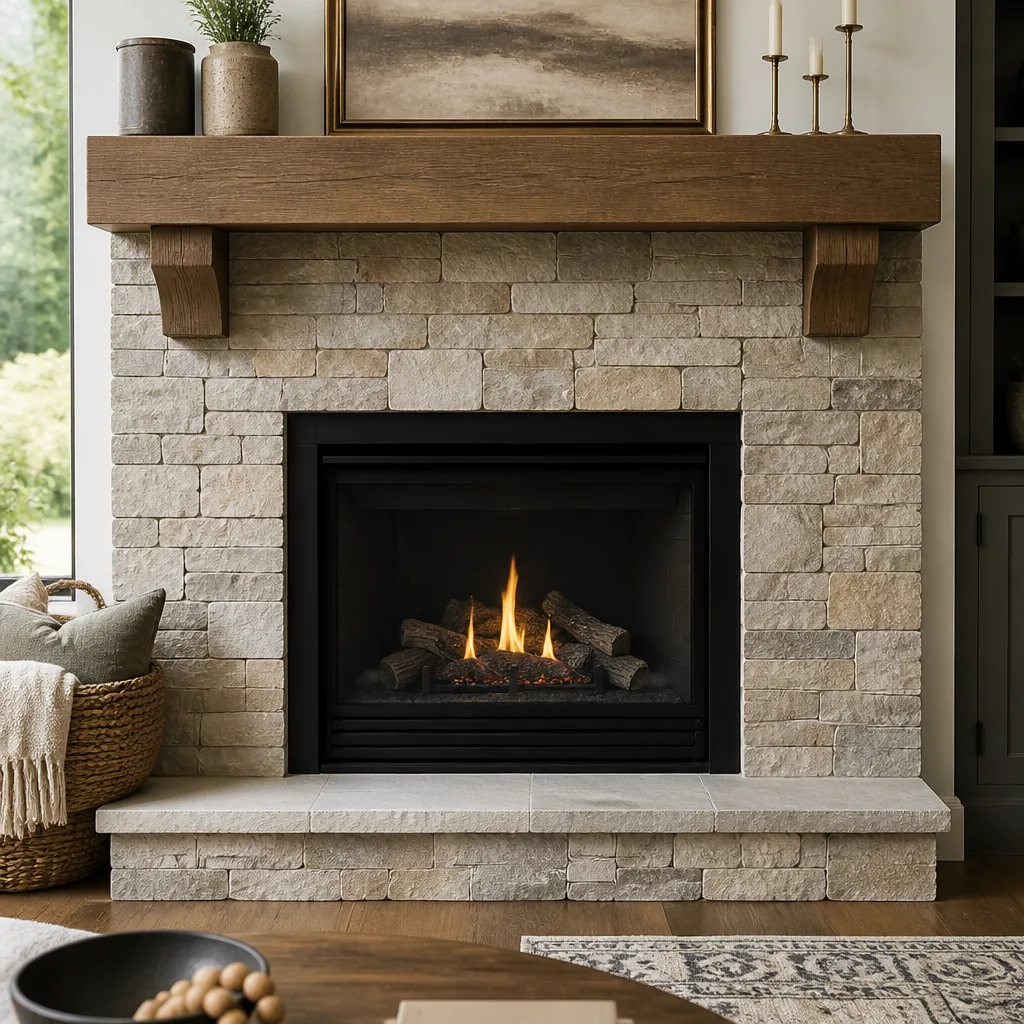 Gas fireplace service
Level 1 sweep and inspection to the NFPA 211 annual standard - flue, crown, cap, and flashing checked and photographed
Chimney sweep logs do not sweep chimneys. They loosen some creosote - which then falls where a brush and vacuum still have to collect it.
DIY vs Professional Chimney Cleaning: The Great Kills Homeowner’s Decision Guide
The chimney brush kits on the shelf at the hardware store are real tools that work for real conditions. What the box doesn’t tell you is that those conditions are narrower than most people assume. Stage 2 or Stage 3 creosote, a prefab insert, a flue with a failing liner, or a roofline you can’t safely stand on all turn DIY cleaning from a weekend project into a situation that costs more to fix than a professional sweep would have cost in the first place. In Great Kills, where wood burning runs hard through a long heating season, we’ve seen all four. This guide walks you through the specific circumstances where DIY cleaning is genuinely reasonable, where it isn’t, and how to tell which category your chimney falls into before you buy anything.
Quick Answer
DIY chimney cleaning is appropriate only when you have light, Stage 1 creosote, a single-story roofline you can reach safely, and a standard open fireplace without an insert or a compromised liner. Everything outside that narrow set belongs to a professional. If you can’t verify creosote stage or liner condition, you can’t make the DIY call responsibly, and that verification requires a camera inspection.
Styles & brands we work with
- Sweep & inspection
- Caps & crowns
- Flue relining
- Masonry repair
- Gas fireplace service
Table of Contents
- What DIY Chimney Cleaning Can Actually Handle
- What DIY Cleaning Physically Cannot Accomplish
- Creosote Stages and Why They Change the Decision
- Equipment Reality Check: What a Full DIY Kit Costs
- The Insurance and Liability Question
- Five Questions That Decide It Before You Touch Anything
- When the Job Is Bigger Than a Cleaning
- What Makes Great Kills Chimneys Different
What DIY Chimney Cleaning Can Actually Handle
DIY cleaning works in a real, definable set of circumstances. It’s not a myth. The problem is that the conditions are specific enough that most Great Kills homeowners don’t qualify once they check.
Here is the narrow window where a brush kit makes sense:
- Fuel type: You burn seasoned, dry hardwood. Wet or unseasoned wood produces far more creosote per cord, and the deposits that form are usually past Stage 1 within a single season. If you’re burning construction scraps or green wood, DIY isn’t the right fit.
- Usage frequency: Occasional use, meaning a handful of fires per month rather than a fire most nights through January and February. Heavier use builds heavier deposits and demands more frequent professional attention.
- Creosote stage: Stage 1 only, which is the sooty, flaky, brushable deposit that comes off with normal sweeping. Stage 2 is tar-like and clings. Stage 3 is glazed and requires rotary equipment and chemical treatment.
- Flue accessibility: A single-story roofline you can reach from a stable ladder on flat ground, or a fireplace you can clean from below without a steep roof pitch in the way.
- Fireplace type: A standard open masonry fireplace, not a prefab insert, not a gas unit, not a wood stove with a baffle and a catalytic element that has to be removed and reinstalled correctly.
If all five line up, a homeowner with patience and the right brush diameter can do a reasonable job. If any one of them fails, the calculation changes. In our experience working throughout Great Kills, most chimneys fail at least two of these tests by the time a homeowner starts thinking about cleaning.
What DIY Cleaning Physically Cannot Accomplish
A brush removes loose soot. That’s the whole capability. Everything else that matters about your chimney’s condition requires eyes and equipment that a homeowner doesn’t have on hand.
Stage 2 and Stage 3 creosote removal
Stage 2 creosote is tar-like and doesn’t respond to a standard poly brush. Removing it requires rotary sweeping equipment or chemical treatment that softens the deposit before mechanical removal. Stage 3 is glazed and hard, and it’s the stage most closely associated with chimney fire risk because it sits in the flue as fuel. There is no brush kit on a retail shelf that addresses either stage.
Liner condition assessment
Clay tile liners crack. Stainless liners develop seam failures or corrosion at the joints. Neither problem is visible from the firebox with a flashlight, and neither announces itself until it has already allowed heat or carbon monoxide into the structure. A camera inspection shows the liner wall from the inside. A brush pushed up from below does not.
Smoke chamber inspection
The smoke chamber is the sloped area directly above the damper. It’s where a lot of creosote accumulates, it’s difficult to reach with a brush, and it’s a common location for both deposit buildup and structural deterioration. Professional sweeping includes addressing the smoke chamber. DIY cleaning typically leaves it untouched.
Crown and cap evaluation
The crown is the concrete cap at the top of the masonry chimney, and the cap is the metal or masonry cover over the flue opening. Together they stop water from entering the system. A cracked crown or a missing cap is the number one cause of water damage inside a chimney, and it shortens the life of the liner. A homeowner cleaning from below never sees either one. A homeowner cleaning from above is focused on the flue opening, not the crown’s hairline cracks.
Creosote Stages and Why They Change the Decision
Creosote forms in three distinct stages, and each one determines what kind of cleaning is even possible. This is the single most important variable in the DIY question, and it’s the one homeowners are least equipped to evaluate on their own.
- Stage 1: Soot and flaky deposit. This is what forms with good burning habits and dry wood. It brushes off. A homeowner with the right brush and safe roof access can handle Stage 1.
- Stage 2: Tar-like deposit. This forms when the fire burns cooler than it should or the wood is damp. It clings to the flue wall and a standard brush polishes it rather than removing it. Rotary equipment or chemical treatment is required.
- Stage 3: Glazed, hardened deposit. This is the most dangerous stage. It’s dense, it’s fuel, and it can ignite. It requires professional removal with rotary equipment and often chemical pretreatment. A brush kit is not a solution here.
The complication is that creosote stages are not visible from the firebox floor. You can have Stage 1 at the bottom of the flue and Stage 2 or 3 closer to the top, where the flue runs cooler. The only reliable way to know which stage your chimney is in is a camera inspection of the flue interior. That inspection is the foundation of every job we do, and it’s why we can tell a homeowner honestly whether they have a light sweep ahead of them or a bigger project.
Great Kills winters are long enough that a fireplace gets real use. That means the creosote layer accumulates faster than a homeowner’s mental model usually accounts for, and the transition from Stage 1 to Stage 2 happens over a matter of months, not years.
Equipment Reality Check: What a Full DIY Kit Costs
The economics of DIY chimney cleaning look different once you price out a complete and safe kit rather than just the brush. And a partial kit is where homeowners get into trouble.
Here’s what a genuinely complete setup involves:
- Rods in sufficient length to reach the top of the flue (a typical chimney runs 15 to 25 feet)
- Brushes in the correct diameter for your flue, plus a second size if your flue tapers or you have a smoke chamber to address
- Drop cloths and a shop vacuum rated for fine soot, not just dust
- A ladder tall enough for safe roof access, plus roof boots or a stabilizer if the pitch isn’t flat
- Respirators, eye protection, and gloves rated for soot contact
Add all of that up and you’re in the range of what a professional sweep costs or more, depending on how much of it you already own. Then consider the cost-per-use math. A homeowner who cleans once a year uses the kit once. A homeowner who cleans twice a year because they burn heavily uses the kit twice. Divide that cost by four uses over two years and the economics only work if the DIY cleaning was actually sufficient. If it wasn’t, and you’re calling a professional anyway, you’ve paid for both.
The mistake we see most often is homeowners buying the brush and skipping the ladder, the respirator, and the correct flue diameter measurement. That half-kit is how a light sweep turns into a scratched liner and a larger repair. The right comparison isn’t “brush kit vs. sweep”; it’s “complete rated kit plus time plus roof risk vs. a professional chimney sweep that includes a camera inspection in the same appointment.”
The Insurance and Liability Question
This is the part nobody explains before you buy the kit. If a chimney fire happens after a DIY cleaning, and there’s no documented inspection on file, the insurance process can get harder than it needs to be.
Most homeowner policies cover chimney fires and fire damage. What they also do, routinely, is ask for maintenance records when a claim is filed. A professional sweep produces a written report that documents the condition of the flue at the time of service, the stage of creosote encountered, any defects observed, and the recommendations made. That document is what an adjuster uses to establish that the chimney was being maintained.
With DIY cleaning, the record is whatever the homeowner says it is. No camera footage, no written findings, no documented condition. If a claim investigation turns up evidence of neglected creosote or an unresolved liner defect, coverage questions can arise. We can’t speak to how any specific insurer will handle any specific claim, and we never tell homeowners what their policy does or doesn’t cover. What we can say is that documented inspections make claims simpler, and undocumentable maintenance makes them harder.
There’s a second layer here too: liability if a defect that a professional would have caught goes unnoticed and causes damage to a neighboring property. That’s a rare scenario, but it’s the kind of thing a professional inspection exists to prevent.
Five Questions That Decide It Before You Touch Anything
Before you buy a brush kit or schedule a sweep, answer these five questions honestly. The answers point to a clear category.
- Do you know what stage creosote is in your flue? If you can’t answer this, DIY isn’t a responsible option, because the answer determines whether a brush can even help.
- Can you see the top of your flue from a safe ladder position? If the pitch is steep, the ground is uneven, or the chimney sits near the peak of a roofline you aren’t comfortable on, that alone is a reason to call a professional.
- Do you have a standard open fireplace, or is there an insert, stove, or gas unit? Inserts and stoves require disassembly of baffles and components to clean properly. Gas units require a different service entirely.
- How much do you burn? Occasional fires suggest Stage 1 is more likely and DIY is more plausible. Nightly fires through a Great Kills winter mean heavier deposits and a shorter interval between sweeps.
- When was the last documented inspection? If you don’t have a written record of the flue’s condition, the first visit should be an inspection, not a cleaning. The inspection tells you if DIY is appropriate; the cleaning follows from that answer.
If you answered “no” to question one, or to question five, stop. Get the inspection first. That’s the Chimney Sweep Great Kills approach on every job, regardless of size: inspect first, recommend second. It’s also the sequence that protects you from buying a kit you didn’t need or doing a cleaning that leaves the real problem in place.
When the Job Is Bigger Than a Cleaning
Plenty of the calls that start as “I need a sweep” turn out to be something else once the flue is inspected. A professional sweep handles this transition; a brush kit can’t even identify the problem.
Liner damage
Cracked clay tiles or a compromised stainless liner need repair, not just cleaning. And a compromised liner is exactly the condition that makes DIY cleaning inadvisable, because brushing a deteriorating flue can worsen it. DuraFlex flexible liner systems are the standard fix for a deteriorated or undersized flue, and HeatShield can resurface a compromised flue in some cases without a full reline. That resurfacing option is one most single-service sweep operations don’t offer, and it’s often the difference between a repair and a much bigger job.
Crown and cap failure
A cracked crown or a missing cap allows water into the chimney every time it rains. Over time, that water damages the masonry, rusts the damper, and shortens the liner’s life. chimney cap & crown work using Famco and Gelco components closes off that entry point, and it’s usually the cheapest repair on the list when it’s caught early. When it’s caught late, it’s masonry work.
Firebox and damper problems
The firebox itself takes heat directly. Deteriorated firebrick, a rusted damper, or a warped damper frame are all things a thorough inspection will surface. Fireplace repair at the same time as a sweep keeps the whole hearth system functional rather than just clean, and it’s a standard part of what we cover because firebox problems tend to go undetected until someone actually looks.
What Makes Great Kills Chimneys Different
Great Kills sits at the southern end of Staten Island, and the housing stock runs toward mid-century masonry construction with clay tile liners, along with a share of newer builds and gut-renovated homes with stainless liners already installed. That mix matters for the DIY decision because the two categories age very differently.
Older masonry chimneys with clay tile liners are the ones most likely to have hairline cracks, spalling tiles, and a crown that’s seen better decades. Those are exactly the conditions a brush kit can’t detect and can risk worsening. Homes with modern stainless liners are more predictable, but they still need an annual inspection to confirm the liner hasn’t failed at a joint or developed corrosion.
The other local factor is the heating season. Great Kills gets a real winter, and a fireplace here is often a primary heat supplement, which means more frequent fires and faster creosote buildup than occasional-use chimneys in milder climates. That argues for annual attention, whether it’s DIY or professional, and it argues against letting two seasons pass without a documented look at the flue.
One more thing we see: homes near the wooded edges of the neighborhood often have debris on the crown or in the cap after wind and storm seasons. That debris is a fire hazard and a water trap. A professional cleaning includes clearing it, and a homeowner cleaning from below never sees it.
Common Mistakes to Avoid
- Buying the brush before the inspection. Without knowing the creosote stage or the liner condition, you can’t know whether the brush is appropriate. Inspect first, then decide what kind of cleaning is needed.
- Using the wrong brush diameter. A brush that’s too large forces against the flue wall and can crack clay tiles. A brush that’s too small leaves deposits behind. Measure the flue before buying anything.
- Cleaning from the roof without roof safety equipment. A steep pitch and a wet roof is the most common way homeowners get hurt doing this job. If the access isn’t safe, that’s the answer to the DIY question by itself.
- Skipping the smoke chamber. A brush run up the flue leaves the smoke chamber deposits untouched. That’s where a lot of creosote accumulates and where the fire risk concentrates.
- Assuming “it looks clean from the firebox” is a real answer. The flue above the damper isn’t visible from below, and that’s where the condition that matters actually lives.
- Cleaning after a heavy burn with no documentation. If the season was heavy, that’s exactly when a written inspection report matters most. If a problem surfaces later, the record is what you’ll want.
- Not replacing a missing cap before the next rain. Wind takes caps off, and a chimney without one takes water on every storm. This is a cheap fix when it’s caught early and expensive when it isn’t.
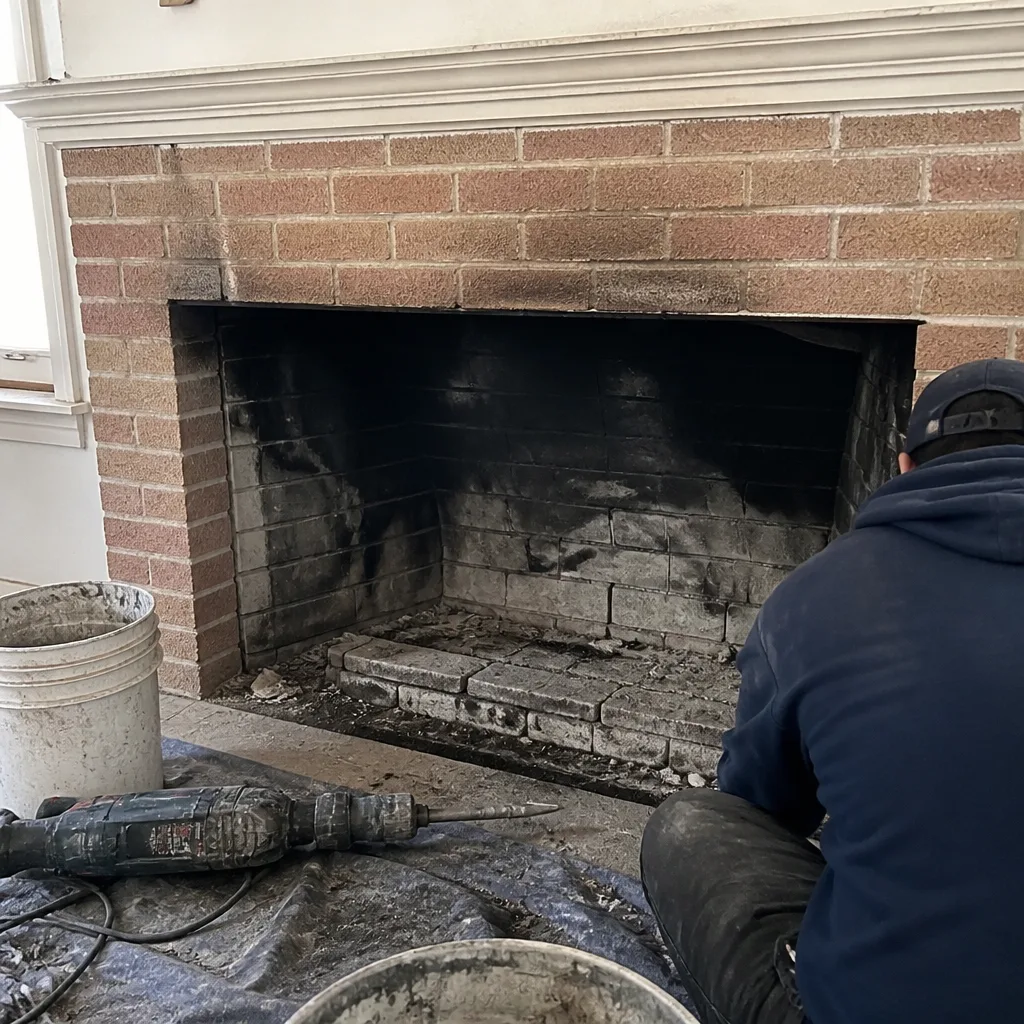
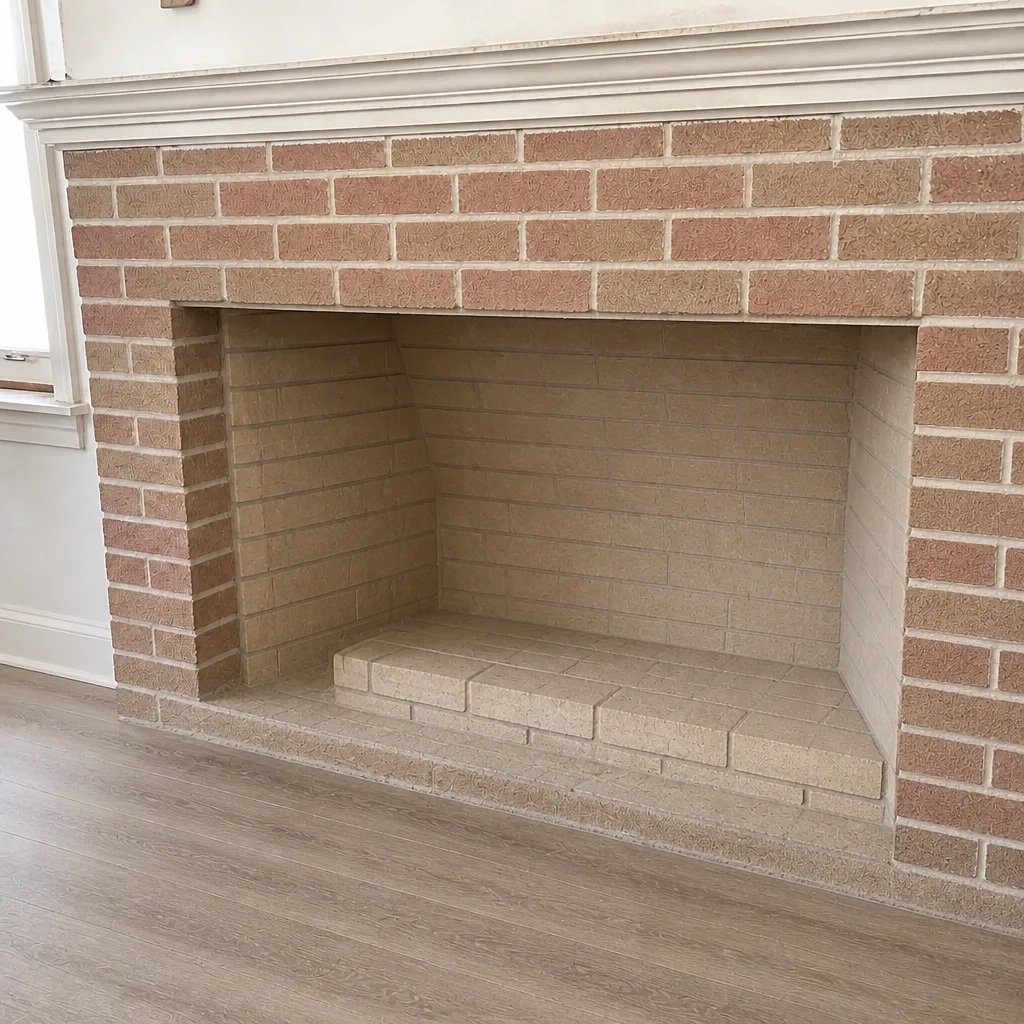
See the difference
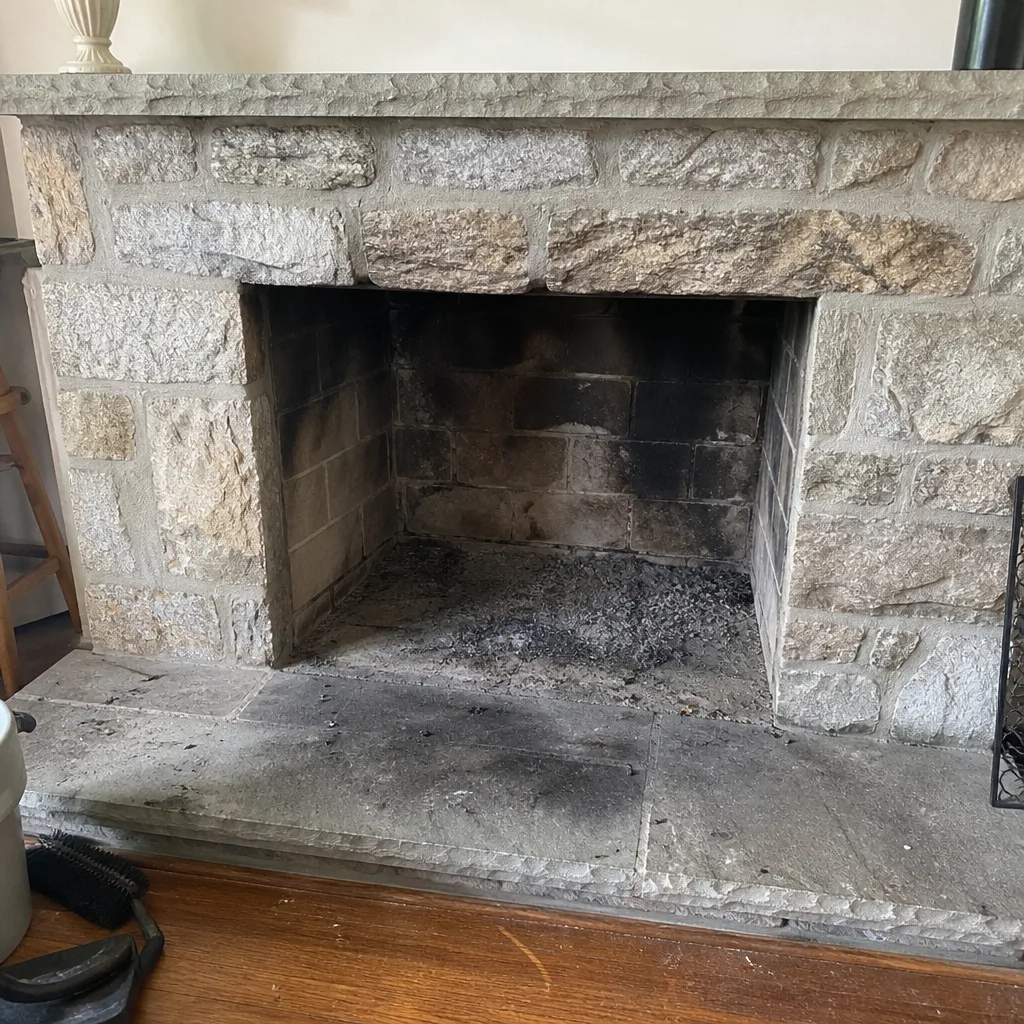 Before
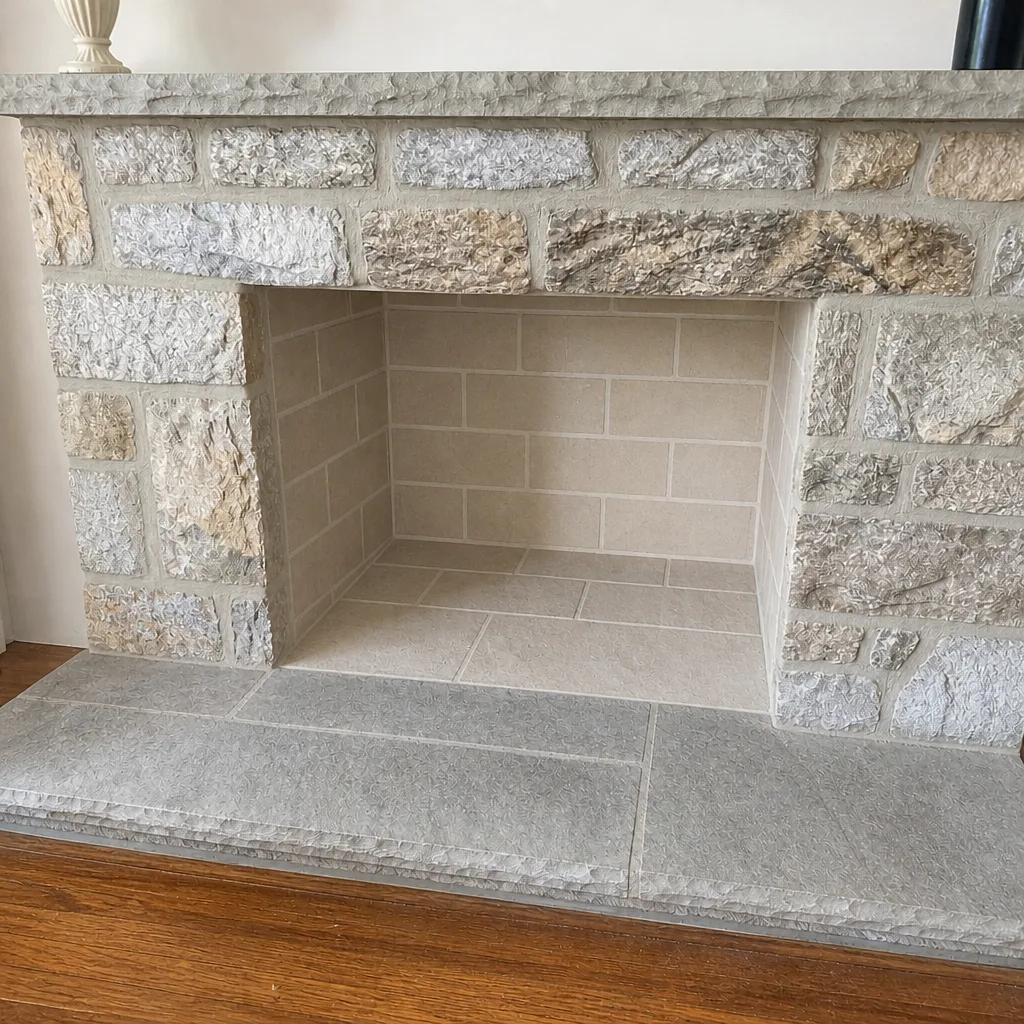 After
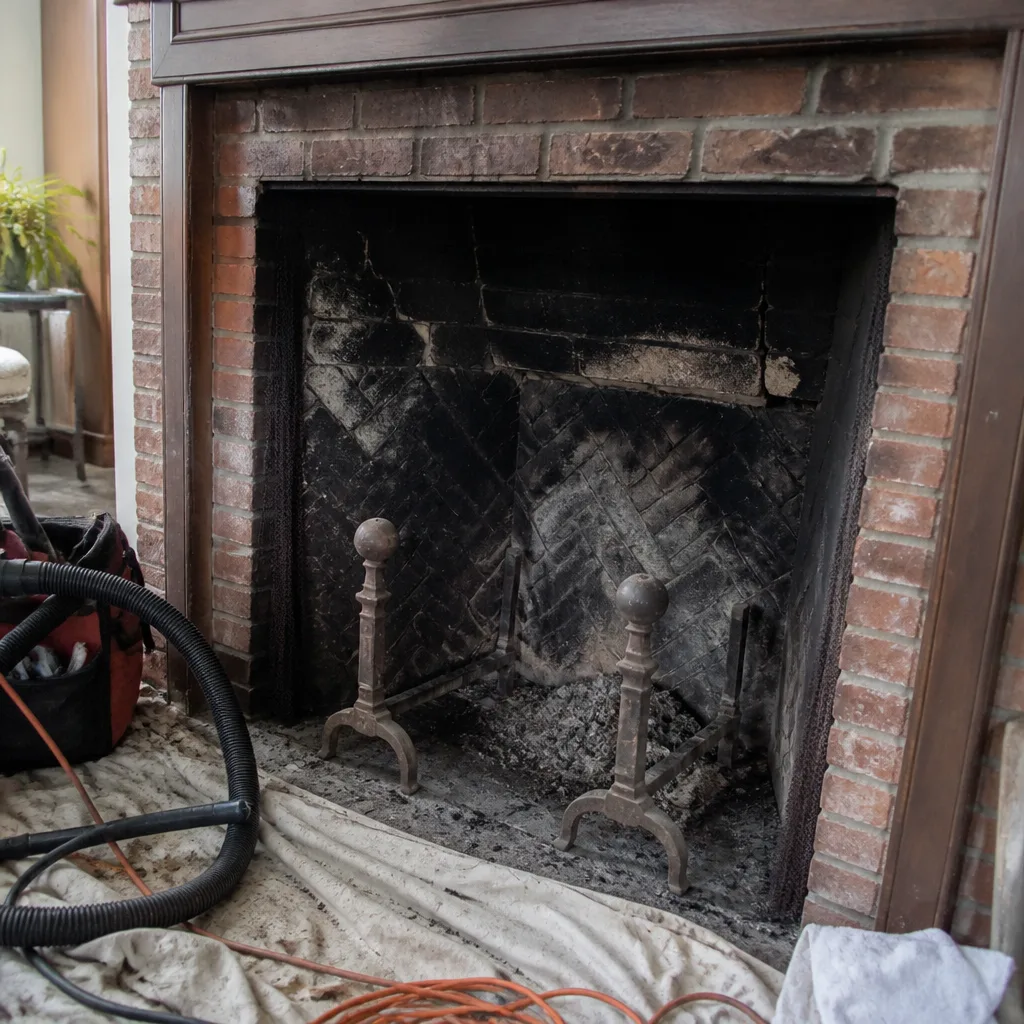 Before
 After
 Before
 After
When to Call a Professional
Call a professional if any of the following is true: you don’t know your flue’s creosote stage or liner condition, you’ve burned heavily through a winter or two without an inspection, your roof access isn’t clearly safe, you have an insert or stove rather than a standard fireplace, you’ve noticed water or staining inside the firebox, or you’re preparing to sell or buy a home and need documented findings. Real estate transactions are a frequent reason for a professional inspection in Great Kills, and the written report is the deliverable that matters in that context. Chimney Sweep Great Kills offers free estimates in Great Kills. Call (866) 937-8578 to schedule one. We answer 24/7, and fast dispatch runs from 7am to 7pm, Sunday through Friday.
Frequently Asked Questions
A standard professional chimney sweep in Great Kills typically falls in a predictable range for the area, with the written estimate setting the final price. The estimate is free, and the price is set per job after inspection, so a straight sweep and a sweep that surfaces a repair are priced differently. Call (866) 937-8578 for an exact quote on your chimney.
You need a new liner if the existing one has cracked, deteriorated, or lost integrity, and the only reliable way to know is a camera inspection of the flue interior. We never recommend a liner without camera evidence you can see yourself. In some cases, a HeatShield resurfacing can restore a compromised flue without a full tear-out, which is worth asking about before assuming the larger job is the only option. Call (866) 937-8578 to schedule an inspection.
A chimney should be swept once a year for most households with an active fireplace, and more often if you burn heavily through the winter. In Great Kills, where the heating season is real and fires run frequently, annual attention is the baseline. If you’re not sure when your last sweep was, that’s the reason to schedule one now. Call (866) 937-8578 to get on the schedule.
Skipping chimney cleaning lets creosote accumulate to Stage 2 and Stage 3, both of which are fire fuel sitting inside your flue, and it lets liner and crown defects go unnoticed until they cause water damage or a carbon monoxide risk. None of this is hypothetical; it’s what a brush kit can’t see and an annual inspection catches early. Call (866) 937-8578 before the next burning season to get a documented look at the flue.
Yes, but an insert requires disassembly of baffles and components before the flue can be swept properly, which pushes it out of DIY territory. A standard brush run from below can damage insert components if it’s done wrong. Call (866) 937-8578 and tell us you have an insert so the right equipment is on hand.
A professional sweep includes a camera inspection, a written report of the flue’s condition, smoke chamber cleaning, and an evaluation of the crown and cap, none of which a homeowner can replicate from the firebox with a brush. That documentation matters for insurance and for real estate transactions. We work with professional-grade components from brands like DuraFlex and Famco when repairs come up, and the inspection is what determines whether they’re needed. Call (866) 937-8578 to book the inspection first.
The Bottom Line
DIY chimney cleaning is a real option for a narrow category of chimneys: light Stage 1 creosote, safe single-story access, standard open fireplace, and occasional use. Outside that category, a brush kit can’t see what it needs to see, can’t remove what needs removing, and leaves you without the documented inspection that matters the most when something goes wrong. The decision framework in this guide is straightforward: answer the five questions honestly, and if creosote stage or liner condition is unknown, get the inspection first. From firebox to cap, one contractor covers the whole system, which eliminates the coordination problem that comes from splitting a sweep and a repair between vendors. The final price is always set by the written estimate, and the estimate is free. Call (866) 937-8578. We answer 24/7, with fast dispatch from 7am to 7pm, Sunday through Friday.
Written by the team at Chimney Sweep Great Kills.