
Last updated November 24, 2026
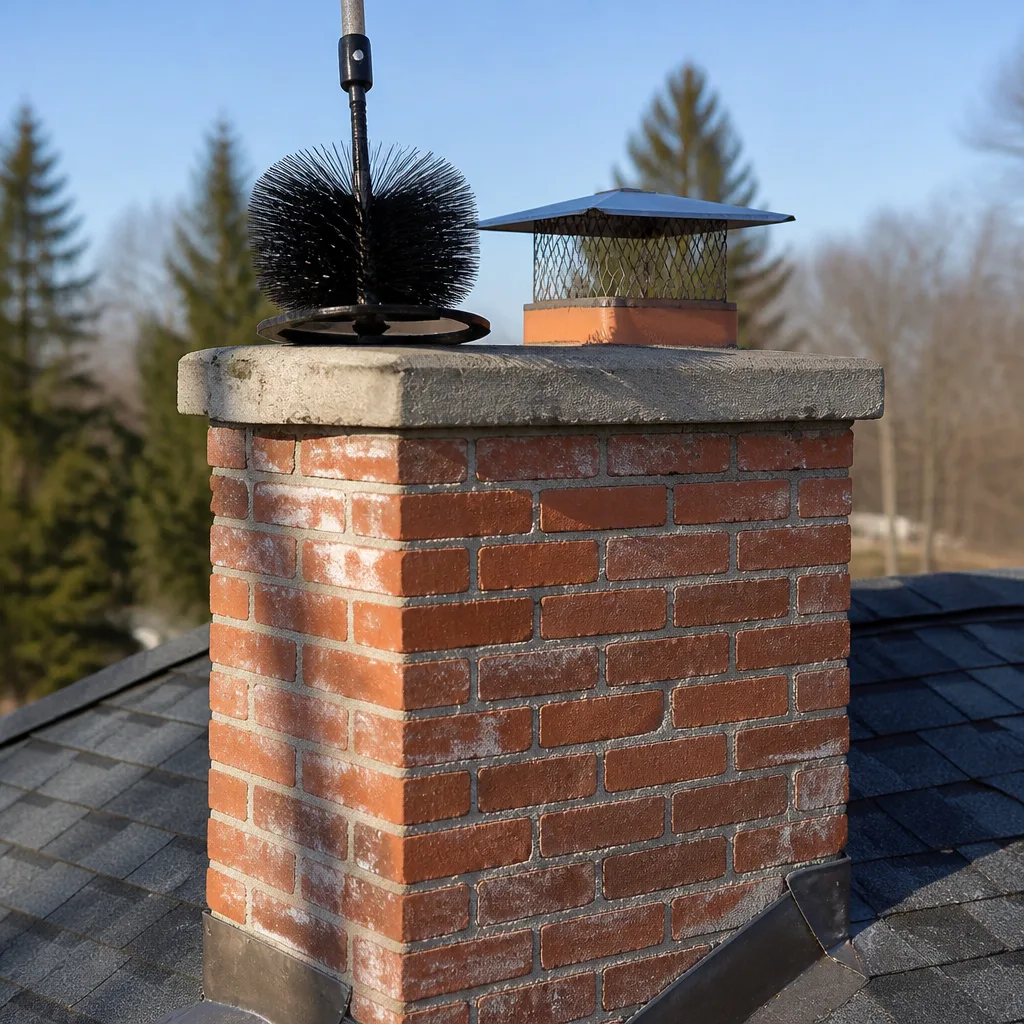 Sweep & inspection
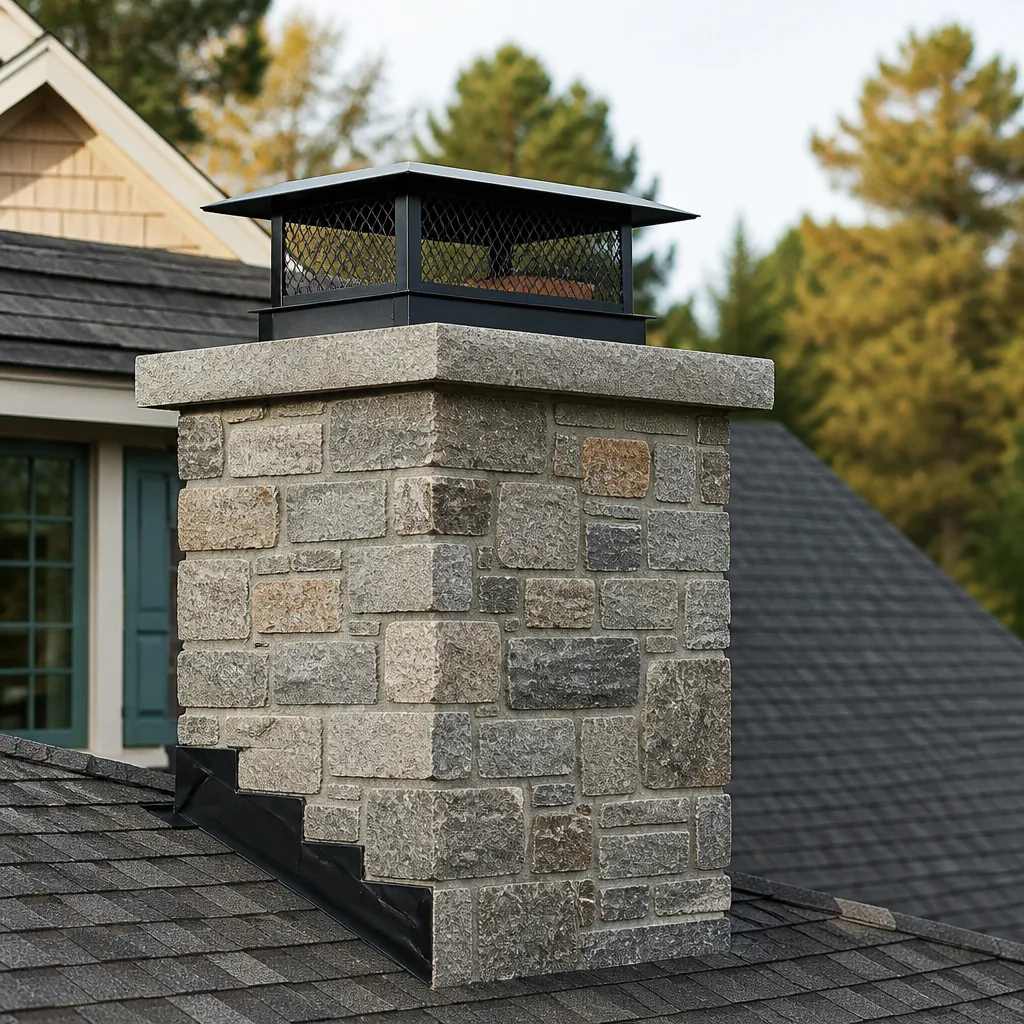 Caps & crowns
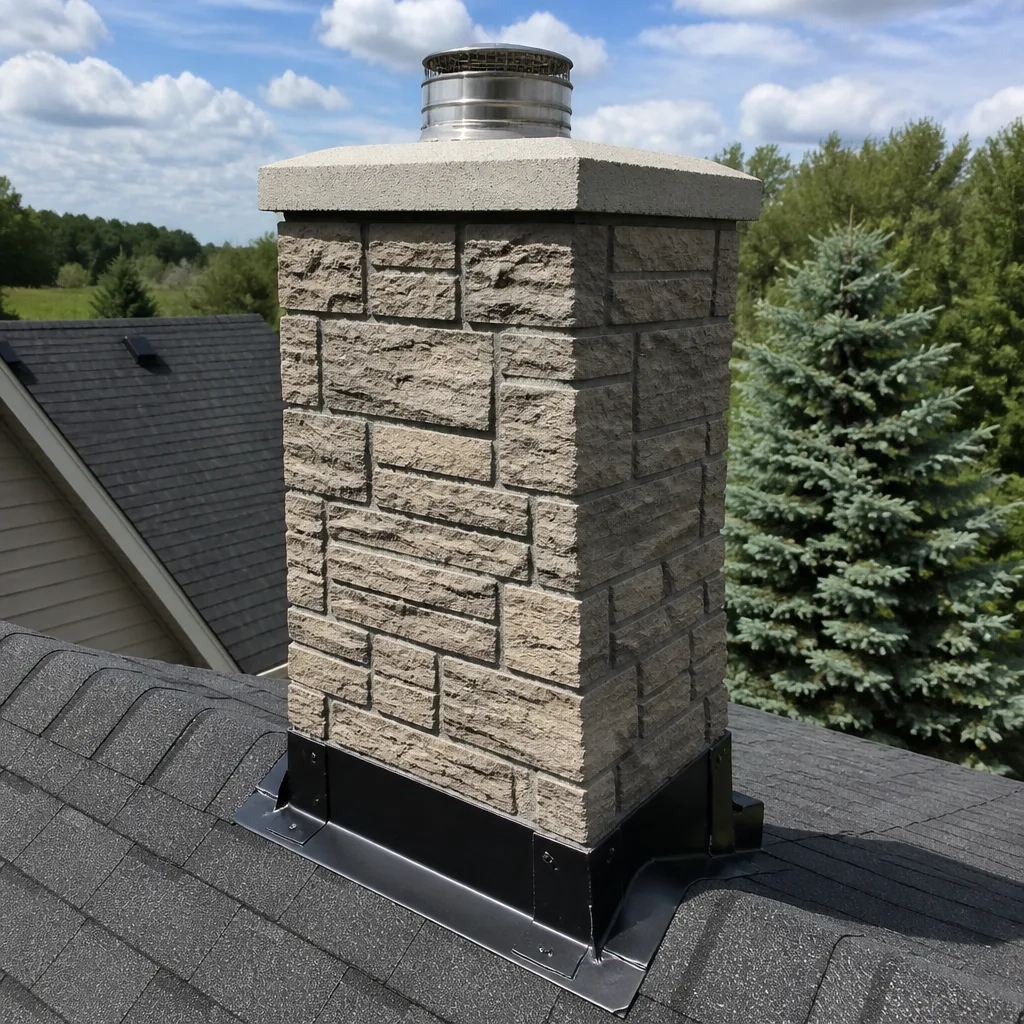 Flue relining
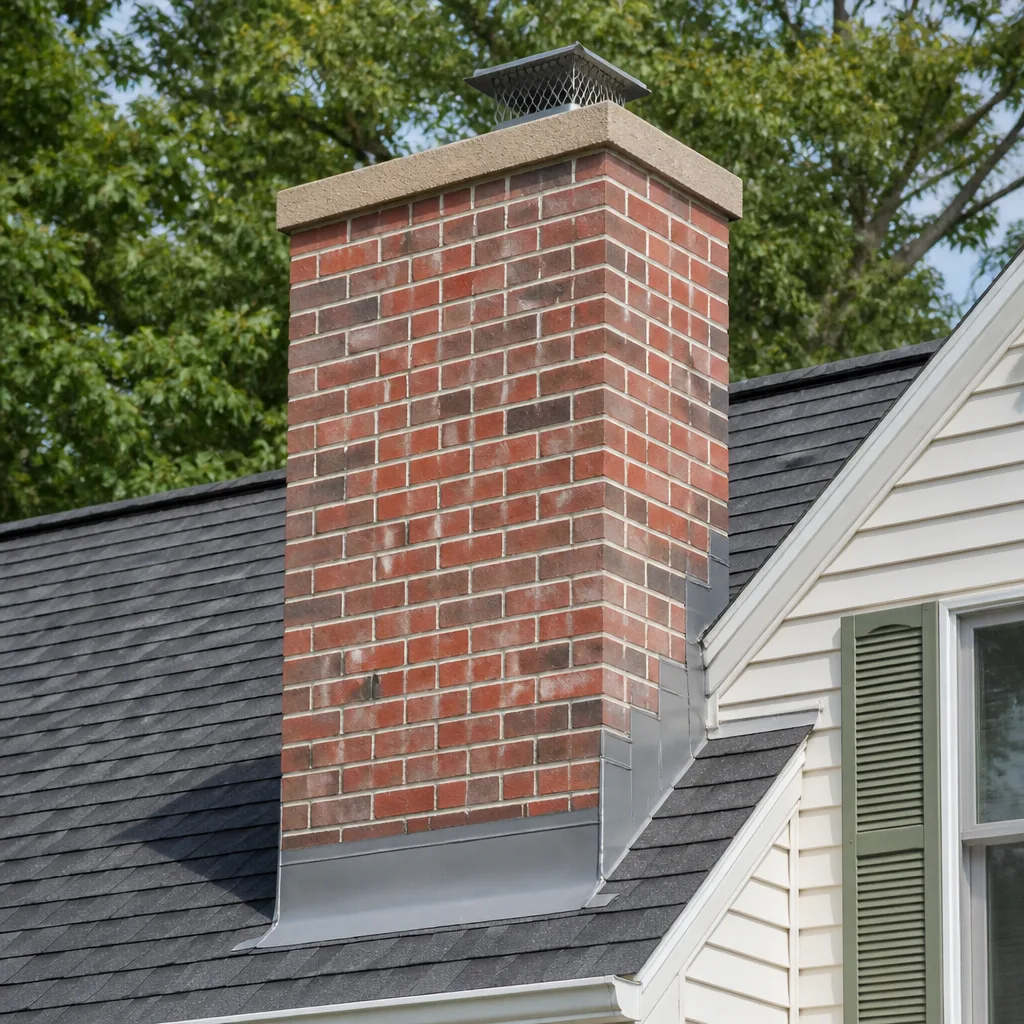 Masonry repair
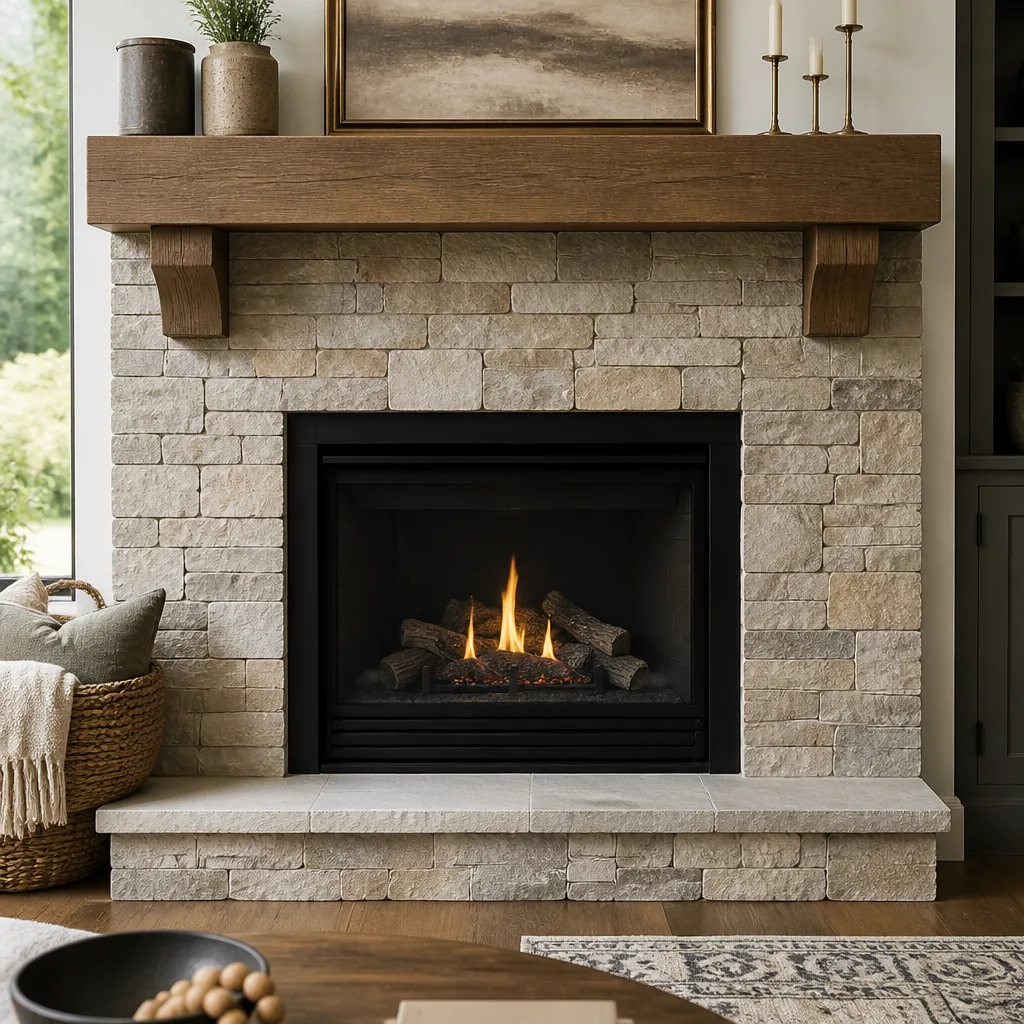 Gas fireplace service
Level 1 sweep and inspection to the NFPA 211 annual standard - flue, crown, cap, and flashing checked and photographed
Chimney sweep logs do not sweep chimneys. They loosen some creosote - which then falls where a brush and vacuum still have to collect it.
Chimney Cleaning Emergency Preparedness Guide for Great Kills Homes
A chimney fire doesn’t roar like a campfire. It sounds like a low-flying jet or a distant train rumbling through the flue, and if you’ve never heard one, those first 30 seconds are where the outcome gets decided. Most homeowners picture flames licking out of the firebox. The reality is quieter and more dangerous: a violent draft pulling through the chimney, a deep whooshing sound, and a sudden smell of hot metal. The dangerous part isn’t the fire you can see. It’s the creosote burning inside a flue you can’t see, and the smoke and carbon monoxide that follow. This guide walks Great Kills homeowners through the specific protocols that contain damage in the first minutes, prepare a household before a fire ever starts, and document what happened afterward.
Quick Answer
If you suspect a chimney fire, get everyone out, call 911, then close the fireplace doors and shut the damper to cut the fire’s oxygen supply if you can do so safely from outside the firebox. Never use the fireplace again after any suspected chimney fire until a professional performs a Level 2 inspection. For Great Kills homes, the most important preparation is the boring work done before winter: a swept flue, a working CO detector near the fireplace, and a labeled damper you actually know how to operate.
Styles & brands we work with
- Sweep & inspection
- Caps & crowns
- Flue relining
- Masonry repair
- Gas fireplace service
Table of Contents
- The First 60 Seconds of a Chimney Fire
- Chimney Fire vs. Draft Problem vs. Wind-Driven Smoke
- The Carbon Monoxide Connection
- Post-Event Protocol: What to Do After a Chimney Fire
- The Great Kills Emergency Preparedness Checklist
- Why Creosote Builds Faster in a Great Kills Winter
- Documenting Damage for Insurance
- When to Call a Professional
The First 60 Seconds of a Chimney Fire
The first minute of a chimney fire is not a moment for heroics. It’s a moment for sequence. Do the wrong thing in the wrong order and you can feed the fire instead of starving it. Here is the specific order that contains damage rather than spreading it.
- Get everyone out of the room and out of the house. Move people and pets away from the hearth first. Don’t stop to save furniture or grab valuables. Get to the door.
- Call 911. Chimney fires can spread into the framing of a home even when the fire looks contained. Firefighters need to be on the way before you do anything else.
- Close the glass doors and shut the damper. This is the oxygen-starving step. A chimney fire is fed by draft. If you can reach the damper handle from outside the firebox, close it. If you can’t reach it without getting close to the fire, don’t. The damper is a tool for starving oxygen, not something to fight for.
- Open the firebox and flue access as directed by responders. When firefighters arrive, they may want access from the firebox. Only follow their instructions.
- Don’t spray water up into a hot flue. A garden hose sprayed into a hot firebox can cause steam expansion and thermal shock to a hot flue, which can crack masonry. Leave it to the fire department.
- Get outside and stay outside. Fire can travel. Watch from the exterior, away from the chimney.
That same sequence is why it’s worth rehearsing before you ever need it. When smoke is pouring into a room and the sound of a fire in the flue is filling the house, nobody thinks clearly. Households that have run the drill move faster. Households that haven’t spend the first 30 seconds deciding what to do.
Chimney Fire vs. Draft Problem vs. Wind-Driven Smoke
Not every smoke event is a fire. Great Kills sits on Staten Island’s south shore with hills and a mix of single-family homes and older two- and three-family houses. Winter storms push wind across rooflines in ways that create downwash and downdraft. Learning to read the difference between a wind-driven smoke event and a true chimney fire is the skill that determines your response.
Signs of an actual chimney fire
- A low roaring or a sound like a jet engine. This is the most reliable early indicator. Creosote burning inside a flue produces a sustained roaring sound that you can hear through the house.
- Dense, dark, unusual smoke. Smoke that looks different from normal chimney exhaust, or that comes out of the top of the chimney with visible flame.
- A smell of hot metal or a chemical odor, not just wood smoke. Burning creosote and heated metal produce a distinct acrid smell.
- Pieces of creosote or debris falling into the firebox or onto the roof. Flakes or flakes that look like charred popcorn are a strong sign.
- Chimney pipe visibly vibrating or glowing. Rare, but if you see it, treat it as a confirmed fire.
Signs of a draft problem or wind-driven smoke
- Smoke rolling backward into the room but no roaring sound. Backdraft from a cold flue or wind pushing against the chimney can cause smoke to spill into the room without any fire in the flue.
- Soot or smoke but a normal firebox. When the flue is cold or blocked and the home is under negative pressure from a vent fan, smoke can push back into the room and look alarming without any fire above.
- Water dripping into the firebox. That indicates a chimney cap or crown problem, not a fire, and it’s the reason we treat top-of-system issues as part of the same safety picture. A failed crown lets water in, which degrades the flue and eventually causes draft failures that mimic emergencies.
When you can’t tell the difference: treat it as a fire. Call 911, evacuate, and get a professional to inspect before you use the fireplace again. A chimney sweep followed by an inspection is the way to close the loop. Don’t assume it was wind and move on.
The Carbon Monoxide Connection
Carbon monoxide kills silently, and the chimney is one of the most common pathways for it into a home. Most homeowners think of CO as a furnace problem. In our experience, blockages and draft failures in a chimney flue are just as frequently the source, and homes with wood-burning fireplaces are the ones that need to plan for it.
Here is how the connection works. A wood-burning fireplace depends on a heated, unobstructed flue pulling exhaust up and out. When the flue is partially blocked by creosote, a nest, a fallen cap, or masonry debris, exhaust has nowhere to go but back into the room. When the flue is cold, wind pushes down the top of the chimney, or the home is under negative pressure from a kitchen vent or bath fan, downdraft can pull exhaust back into the living space even when the firebox looks fine. The CO produced by a fire has no color, no smell, and no taste. You will not notice it before it affects you.
The preparation that actually matters:
- Mount at least one CO alarm on the ceiling or high wall near the fireplace and one in the sleeping area. CO is slightly lighter than air. High placement catches it faster.
- Test the alarms monthly. If a chirp forces you to remember, good. It means you’re testing.
- Never sleep with a fireplace burning. The fire will smolder down, the flue cools, and downdraft conditions can develop while everyone is asleep. Let the fire burn out before bed.
- Keep a fire extinguisher rated for fires near the hearth. A small ABC extinguisher is the correct choice. Grease-rated extinguishers are for kitchens.
We work with DuraFlex and HeatShield liner systems because they close the pathway to CO. A failing flue is a CO pathway. A sealed liner is not. That’s the repair-before-it-becomes-a-rebuild logic that drives every inspection we do in Great Kills.
Post-Event Protocol: What to Do After a Chimney Fire
After a fire is out and the fire department clears the house, the most dangerous mistake is treating the chimney as “fine now.” It isn’t. A fire that you contained can still have cracked a flue tile, warped a mesh cap, loosened a crown, or distorted an unlined masonry flue. Using the fireplace after a chimney fire without a professional inspection can be more dangerous than the fire was.
Here is what the post-event protocol should look like:
- Don’t burn anything until a professional inspects the full system. No exceptions. Not for a small fire, not for one that seemed mostly smoke, not for one where you contained it in 30 seconds.
- Book a Level 2 inspection. A Level 2 inspection covers the accessible portions of the chimney with a camera, the firebox, the flue interior, the crown and cap, and the connections to the stove or insert. It identifies cracked tiles, warped liners, mortar failure, and damaged components that the fire left behind.
- Photograph everything before repairs begin. This matters for insurance and for your record of what the chimney looked like before the fire.
- Call your insurer early. A chimney fire is typically a covered event. The documentation is easier to gather in the days after the event than weeks later.
- Repair the underlying cause. If the fire started from creosote buildup, the sweep solves the immediate cause. If the flue itself failed, the repair is a reline, not another sweep.
We see this pattern often enough in Great Kills that we treat every post-fire chimney as a full-system diagnostic, from the firebox floor to the cap. If the flue is compromised but the masonry is salvageable, HeatShield resurfacing can restore the flue without a full tear-out. If the liner needs replacing, DuraFlex flexible stainless provides the standard reline. Either way, the inspection tells you what the fire actually damaged.
The Great Kills Emergency Preparedness Checklist
Emergency response is about what you did before the emergency. This checklist is specifically for homes in Great Kills with an active fireplace, and it covers the small, unglamorous preparations that make the difference.
- CO detector placement. One on the ceiling or high wall near the fireplace. One inside or just outside each sleeping area. Test monthly. Replace the battery when you replace your smoke detector batteries.
- Damper operation practice. Open and close the damper before the first fire of the season. Learn which way the handle moves. Show everyone in the house who is old enough to use the fireplace.
- Emergency contact list. Tape a card to the inside of a kitchen cabinet with 911, the fire department’s non-emergency line, your insurance agent, and us at (866) 937-8578. When something is happening, you don’t want to be searching your phone.
- Flue access documentation. Photograph the exterior chimney, the cap, the crown, and the firebox from a few angles. Print the photos and put them in the same cabinet as the contact card. If firefighters need to understand your chimney’s layout, the photos tell the story in seconds.
- Fire extinguisher. An ABC-rated extinguisher near the hearth. Know where it lives. Check the gauge once a year.
- Chimney flashlights. Two working flashlights in a drawer near the fireplace. When the power goes out during a winter storm, you’ll want them.
- Annual sweep bookmarked. Put your annual sweep on the calendar in September, before the first fire in October or November. Great Kills winters start earlier than people plan for.
That’s the entire list. None of it is complicated. All of it works better before you need it.
Why Creosote Builds Faster in a Great Kills Winter
Creosote accumulation isn’t uniform across the country. The conditions that produce the fastest buildup are specific, and Great Kills winters hit most of them.
Cold overnight temperatures and warmer daytime highs are the classic setup. When the flue is cold in the morning and you light a fire, the flue warms slowly and the fire runs cool for a stretch. Cool-fire smoke deposits creosote on the flue walls instead of venting it. That’s the mechanism. It’s the same reason unseasoned wood makes it worse: green or damp wood burns cool and deposits more creosote per fire than dry, seasoned wood.
Great Kills homeowners also tend to burn for comfort, which means longer, smoldering fires on cold nights. A smoldering fire is the single biggest creosote-producing condition. Visible flames burn hot and deposit relatively little. Smoldering logs produce a long, slow, cool burn that coats the flue.
Our technicians have up to 10 years of experience and they check buildup thick as part of every sweep. A sweep in September or early October is the right cadence. If you burn more than cord of wood in a season, or you’ve had any sort of flue issue in the past year, add a second sweep mid-winter. Water intrusion through a failing crown or cap is another creosote accelerator. When the flue stays damp, creosote doesn’t just build – it glazes, and glazed creosote burns hotter and is much harder to remove. That’s where products like Gelco and Olympia Chimney remove come in. Our chimney cap & crown work exists partly because topping off the flue is one of the fastest ways to protect it.
Documenting Damage for Insurance
Chimney fires and chimney repairs are typically covered under a standard homeowner’s policy, but the claim moves fastest when the documentation is thorough and gathered early. The homeowners who delay are the ones who end up arguing with an adjuster about what the fire caused, what it didn’t, and what a “fine” chimney looks like.
Here’s the documentation pattern that works:
- Photograph the firebox, the flue from inside, the chimney exterior, the cap, and the crown before any cleanup. Use a phone camera. Take more photos than you think you need.
- Save the fire department’s incident report. The report documents the event and is useful to your insurer.
- Get a written inspection report from the level 2 inspection. The report should list what was found, what failed, and what repair is recommended. Written reports from a chimney specialist carry weight in a claim.
- Photograph before, during, and after repairs. If a reline or resurface is required, document each stage.
- Keep the damaged components. If a cap, a mesh, or a piece of liner is removed, keep it. Insurers may want to inspect the failure.
If you’re a Great Kills real estate agent working with a buyer or seller after a fire, the same documentation matters for the transaction. We do pre-purchase inspections for that exact reason. Documented findings protect both sides of a sale.
What to Check When You Suspect a Problem
You don’t need to open the flue yourself. You do need to know what to look at, what to note, and what to say when you call a professional. Here is a general list of what to check from inside the living space, safely:
- Smoke smell after a fire is out. If smoke is still detectable hours after the fire has burned out, the flue is not venting properly or there is a blockage.
- Smoke rolling out of the firebox during a fire. Draft is failing. Could be a cold flue, a blocked flue, or negative pressure from an exhaust fan somewhere else in the house.
- Water in the firebox after rain. The cap or crown is failing. Call for repair, not emergency. But don’t let it go into the season.
- Soot streaks on the front of the fireplace or the wall above. These indicate smoke has been escaping rather than going up.
- Any new cracks in the brickwork or mortar of the chimney exterior. Visible from the ground with binoculars. Don’t climb up yourself.
High masonry work is a fall hazard, and we don’t want homeowners on a roof to check their own crown. Inspect from the ground. Get on the phone with what you saw. From there, a technician can do the actual inspection.
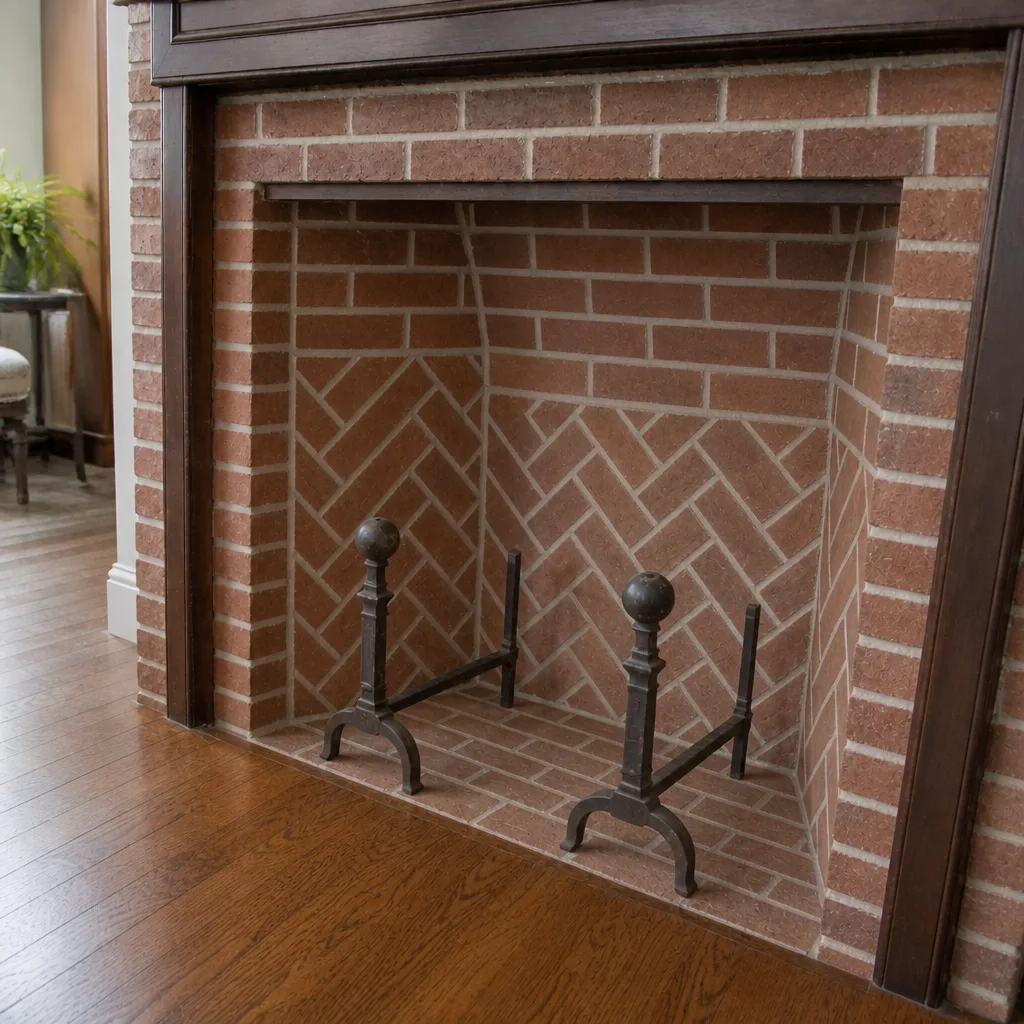
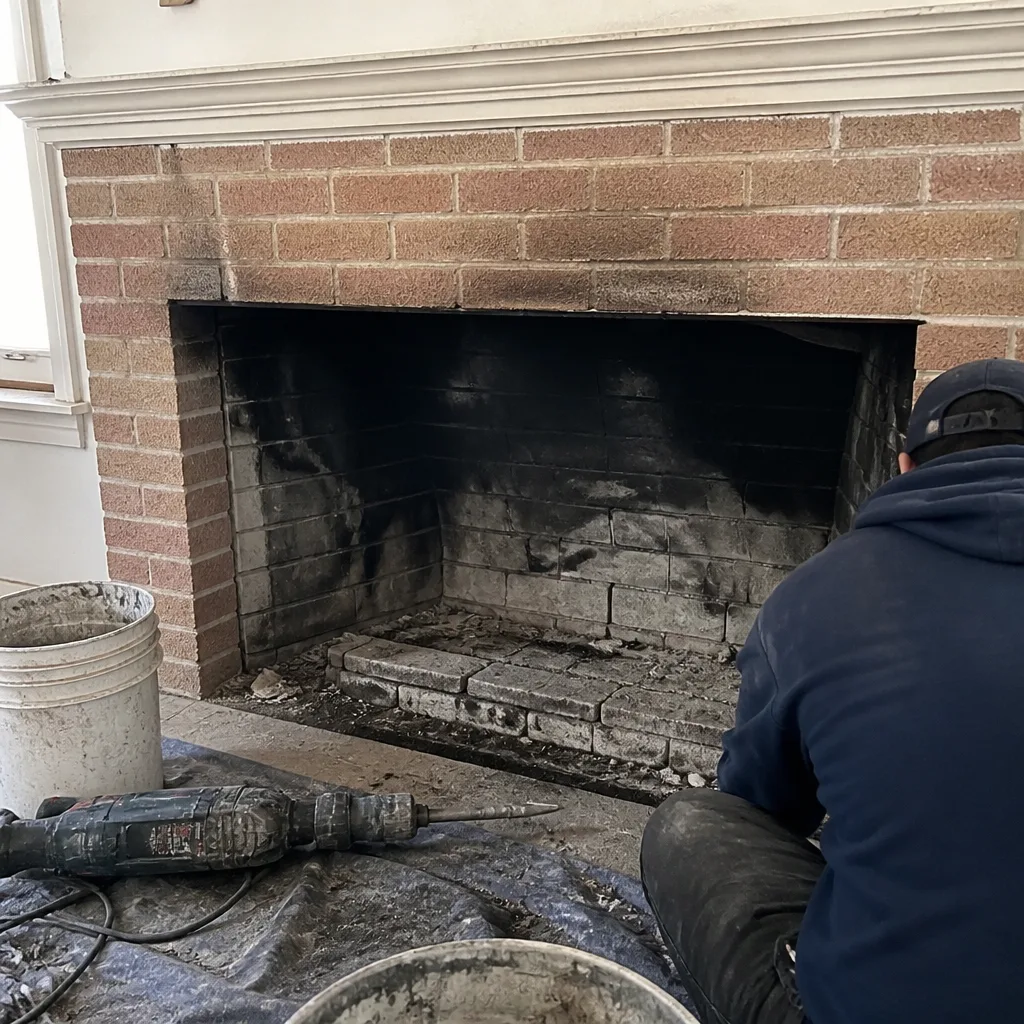
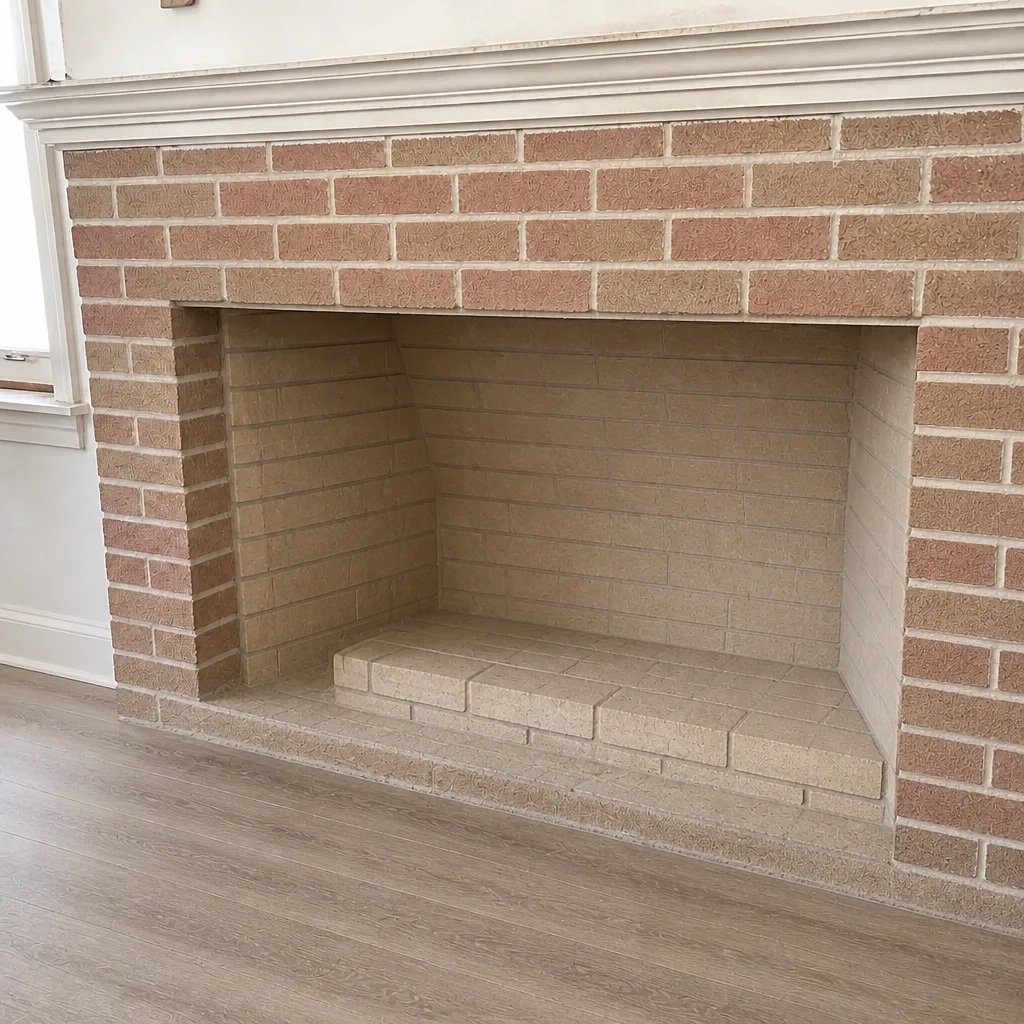
See the difference
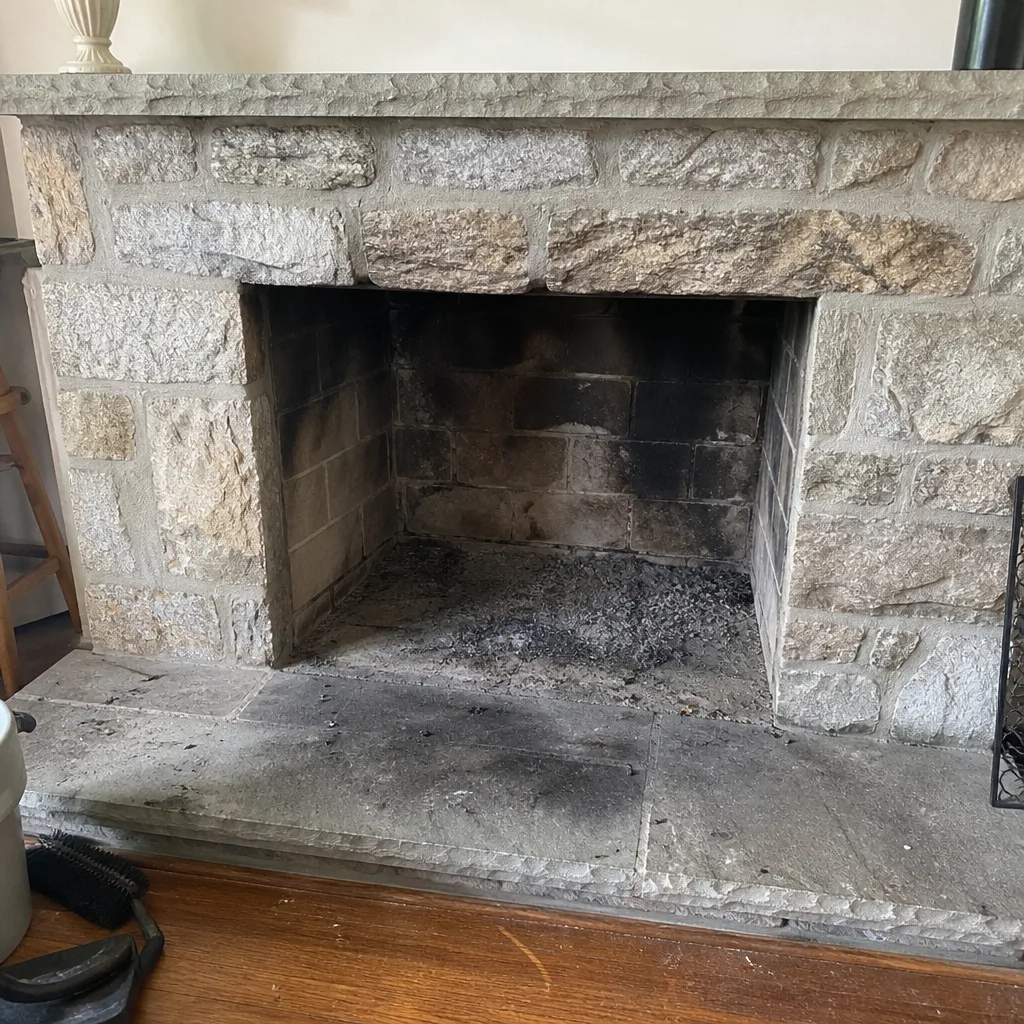 Before
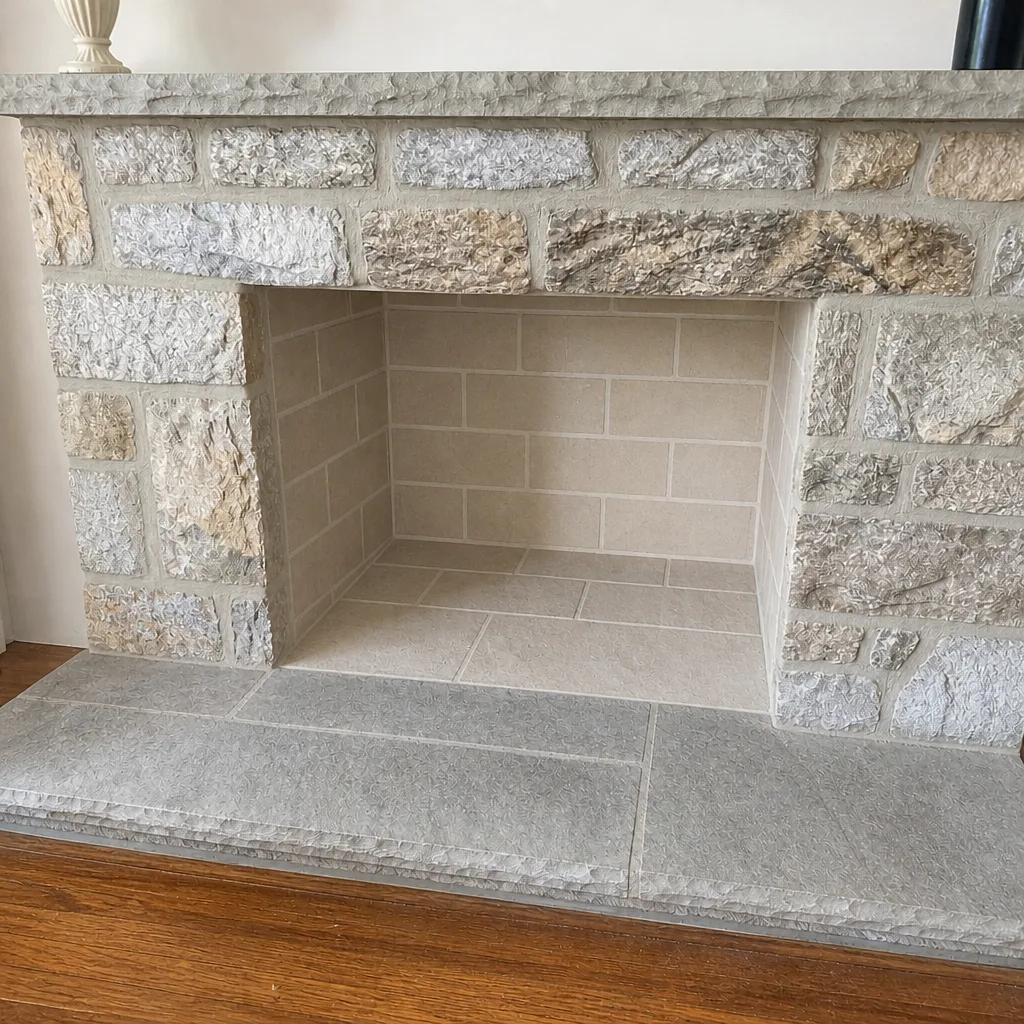 After
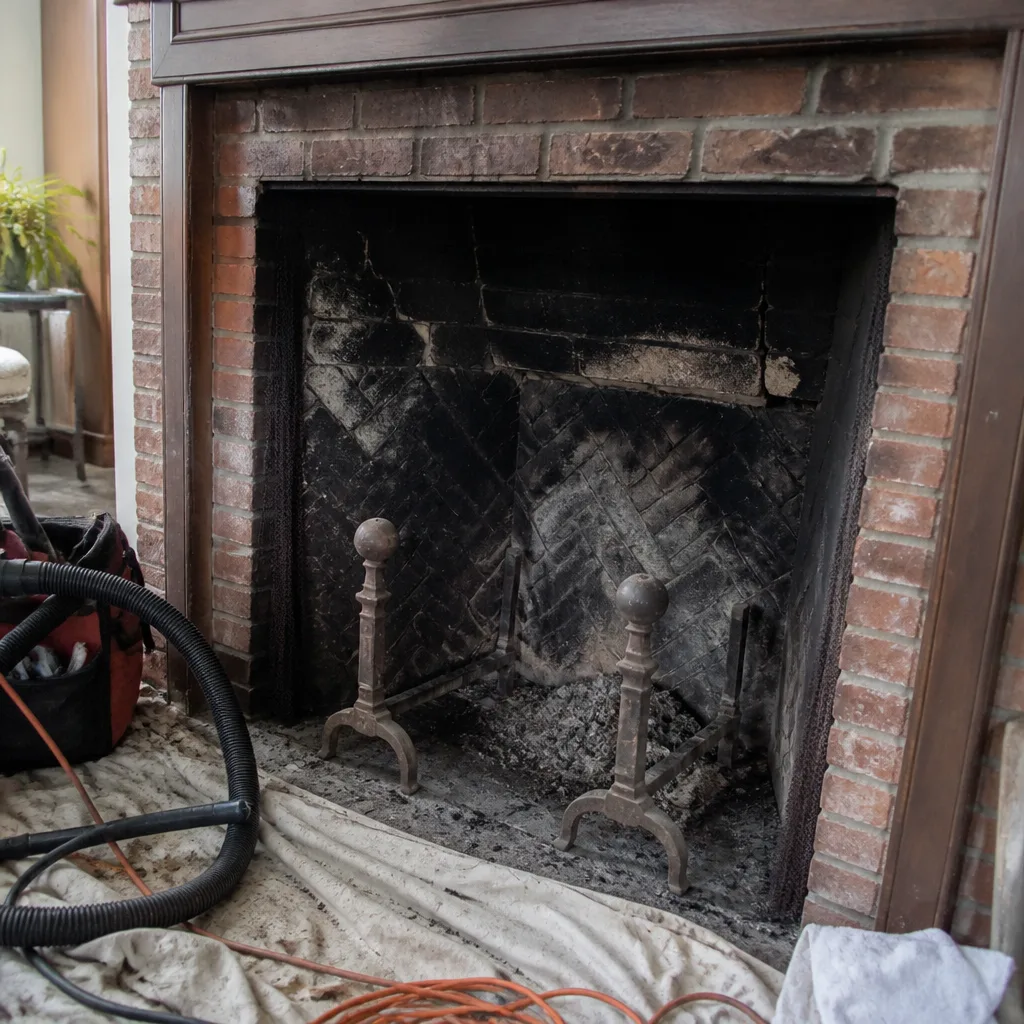 Before
 After
 Before
 After
Common Mistakes to Avoid
- Skipping an annual sweep because “we didn’t burn that much.” A creosote deposit doesn’t need a heavy season to reach dangerous thickness. A few dozen fires in Great Kills’ cold, humid shoulder months can do it. Annual sweep beats any amount of judgment.
- Using the fireplace after a chimney fire without a Level 2 inspection. A fire that seemed small can still have cracked a flue tile. The next fire finds the crack and spreads through it. Always inspect before reusing.
- Burning unseasoned wood to save money on split logs. Green wood burns cool and deposits far more creosote per fire. If you’re trying to heat your house, that’s the expensive path. Seasoned wood costs less over a winter.
- Ignoring the crown and cap because the flue is “fine.” Water intrusion is the number one cause of chimney damage in the Northeast, and it enters through a failing crown or cap. It shortens the flue’s life and accelerates creosote glazing. A cap repair is a small cost that prevents a large one.
- Reaching for a garden hose during a chimney fire. Water sprayed up into a hot flue can cause steam expansion and crack masonry. It’s the wrong tool for the job. Firefighters handle it.
- Passing a chimney problem to the next owner without documentation. If you had a chimney fire and a repair, document it. A missing repair record is a negotiation problem at sale time. Documented repair history protects the value of your home.
- Calling a generalist handyman to fix a chimney. Sweeping, fireplace repair, liner restoration, and cap installation are different jobs. Splitting them across three contractors is how callbacks and warranty confusion happen. One contractor for the full system is safer and simpler.
When to Call a Professional
Call us when you smell smoke after a fire has gone out, when water is getting into the firebox, when you hear a roaring sound you can’t identify, or when the fireplace just isn’t drafting the way it used to. Also call if you’ve recently moved into a Great Kills home and don’t know when the chimney was last swept. We see a lot of homes in the neighborhood where the previous owner never had the flue inspected, and the first fire of the season finds what the previous owner never knew. Most emergency calls we’d rather have seen become ordinary maintenance calls: a sweep in September, a cap repair in October, a Level 2 inspection for a chimney that’s due. Chimney Sweep Great Kills offers free estimates in Great Kills. Call (866) 937-8578. We answer 24/7. Fast dispatch from 7am to 7pm, Sunday through Friday.
Frequently Asked Questions
Get everyone out of the house and call 911. Once people are moving toward the door, close the fireplace doors and shut the damper if you can reach it from outside the firebox. Closing the damper starves the fire of oxygen. Do not spray water into the firebox, and do not use the fireplace again until a professional inspects it. Call (866) 937-8578 for an inspection once the fire department clears the house.
A chimney fire has a roaring sound like a low-flying jet, dense dark smoke, and a smell of hot metal or burning creosote. A draft problem produces smoke rolling back into the room without the roaring sound and usually resolves when the flue warms up or wind shifts. If you can’t tell the difference, treat it as a fire. Call 911, evacuate, and get a professional inspection before you burn again. Call (866) 937-8578 for an inspection.
Smoke smell after the fire has cooled means the flue isn’t venting properly or there’s a blockage somewhere in the system. It could be creosote buildup, a partially collapsed flue liner, a bird nest, or a damaged cap. None of those are safe to ignore. Book a sweep and inspection. Call (866) 937-8578 for an exact quote, and remember estimates are free.
Yes. A chimney fire can crack flue tiles, warp a liner, or loosen mortar that holds a masonry flue together, and none of that damage is visible from the firebox without an inspection. Burning again before a Level 2 inspection risks spreading fire into framing. Wait for the inspection. Call (866) 937-8578 to schedule, and we’ll tell you plainly what we found.
Mount one CO alarm on the ceiling or high wall near the fireplace, and one inside or just outside each sleeping area. CO is slightly lighter than air, so high placement catches it faster. Test both alarms monthly. If you have an active wood-burning fireplace in Great Kills, this is not optional. Call (866) 937-8578 if you have a CO event and need an inspection.
A Level 2 inspection covers the accessible portions of the chimney with a camera, the firebox, the flue interior, the crown and cap, and the connections to the stove or insert. It identifies the cracks, warping, and component failures the fire caused. That written report is also what your insurer will want for a claim. Call (866) 937-8578 for an estimate.
Yes. Gas fireplaces have their own failure modes – a blocked vent, a draft issue, or a CO pathway – and they need inspection just like a wood-burning system. Our scope covers both. For firebox work, damper repair, and rebuilding, our fireplace repair handles the hearth end. Call (866) 937-8578 to book an inspection on a gas system.
The Bottom Line
Chimney emergencies follow patterns. The homeowners who do well aren’t the ones who act faster in the moment; they’re the ones who prepared before the moment arrived. A sweep in September, a functional damper, a CO detector high on the wall near the fireplace, a labeled contact list, and a rehearsed 60-second response sequence – that’s the entire preparation, and it’s what contains damage when the jet-engine sound shows up. After any fire, inspect before reusing. Document everything. Repair the underlying cause rather than waiting for a rebuild. From firebox to cap, a Chimney Sweep Great Kills is here to check the whole system and tell you plainly what’s safe and what can wait. Call (866) 937-8578. We answer 24/7. Fast dispatch from 7am to 7pm, Sunday through Friday. Estimates are free.
Written by the team at Chimney Sweep Great Kills.