
Last updated November 24, 2026
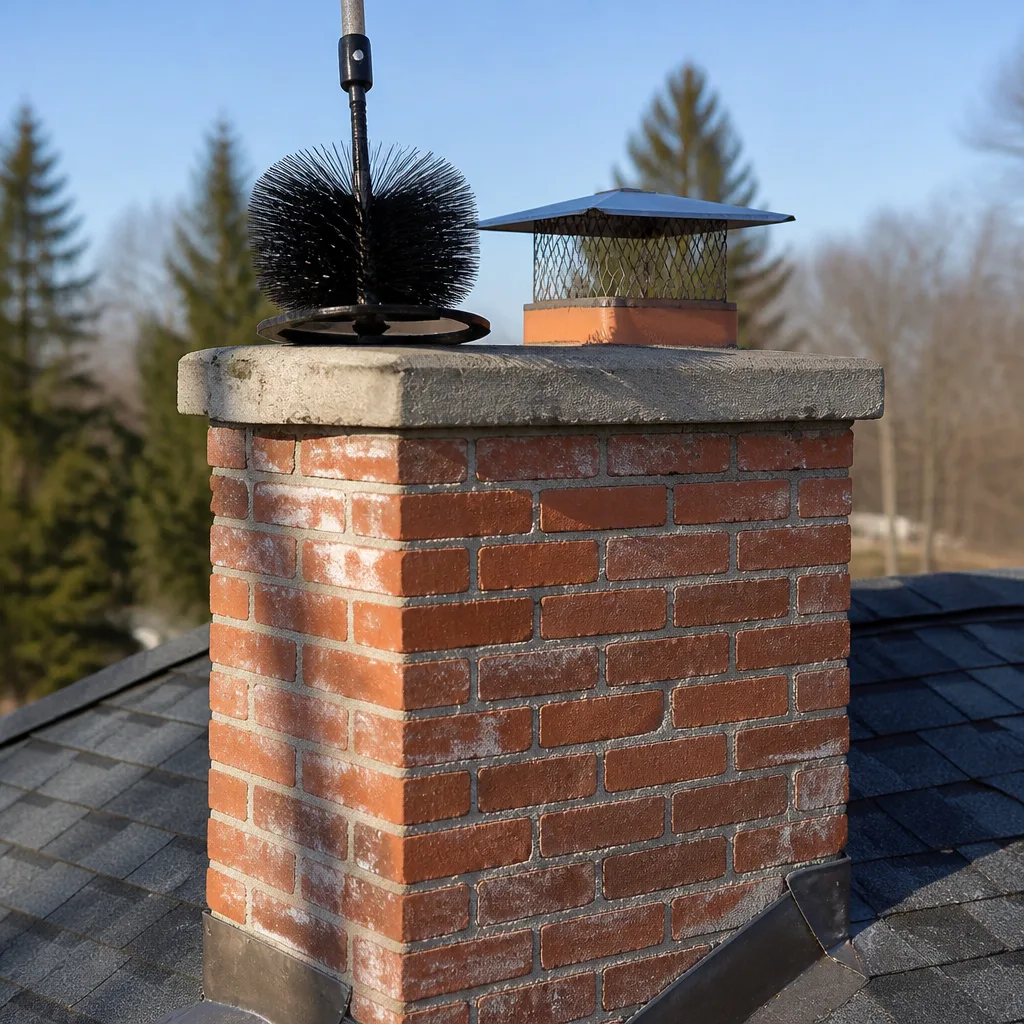 Sweep & inspection
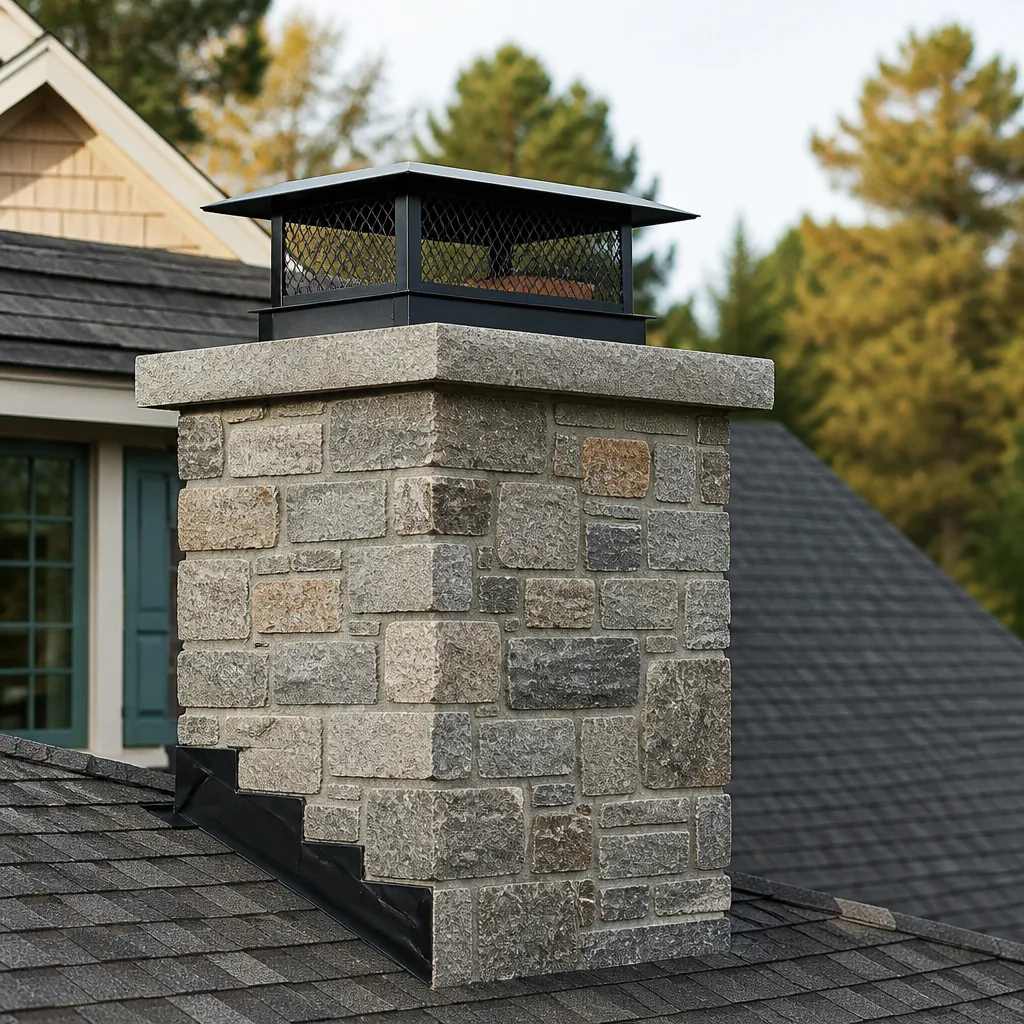 Caps & crowns
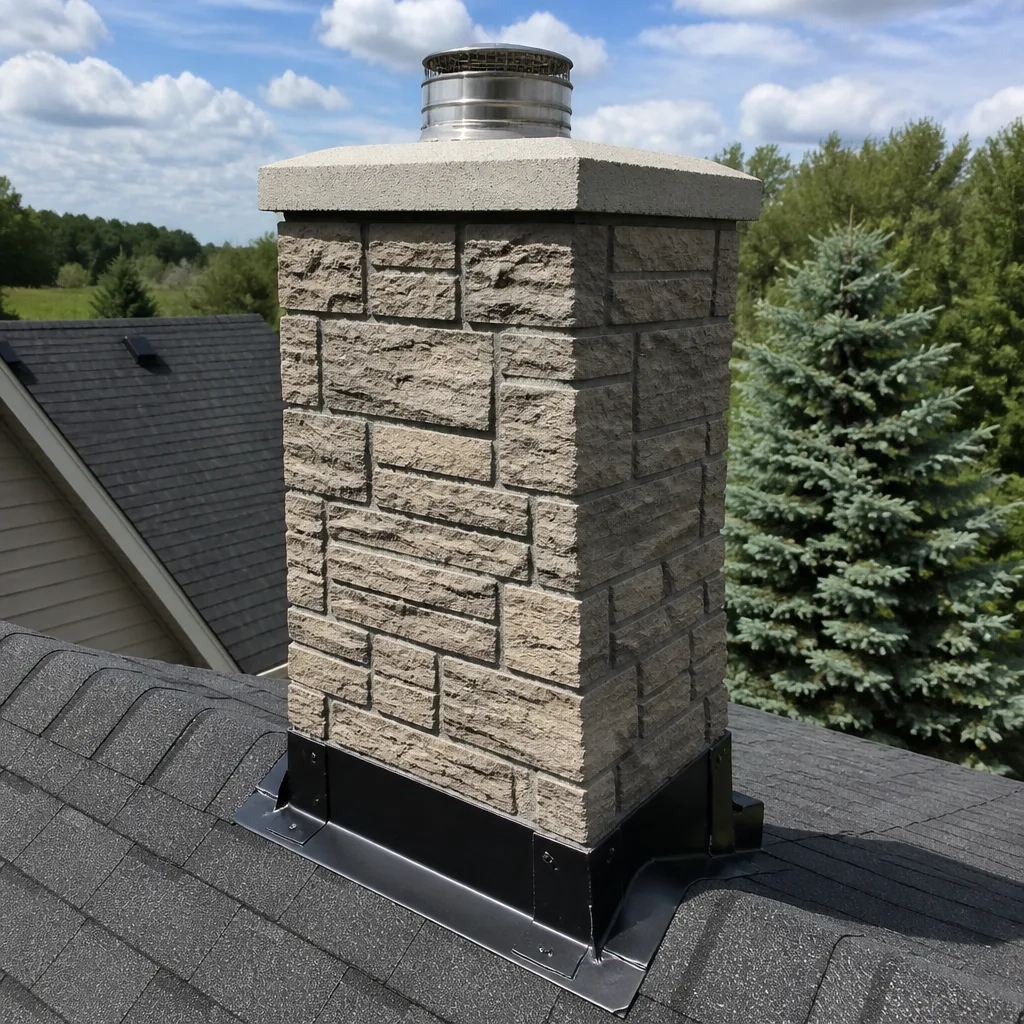 Flue relining
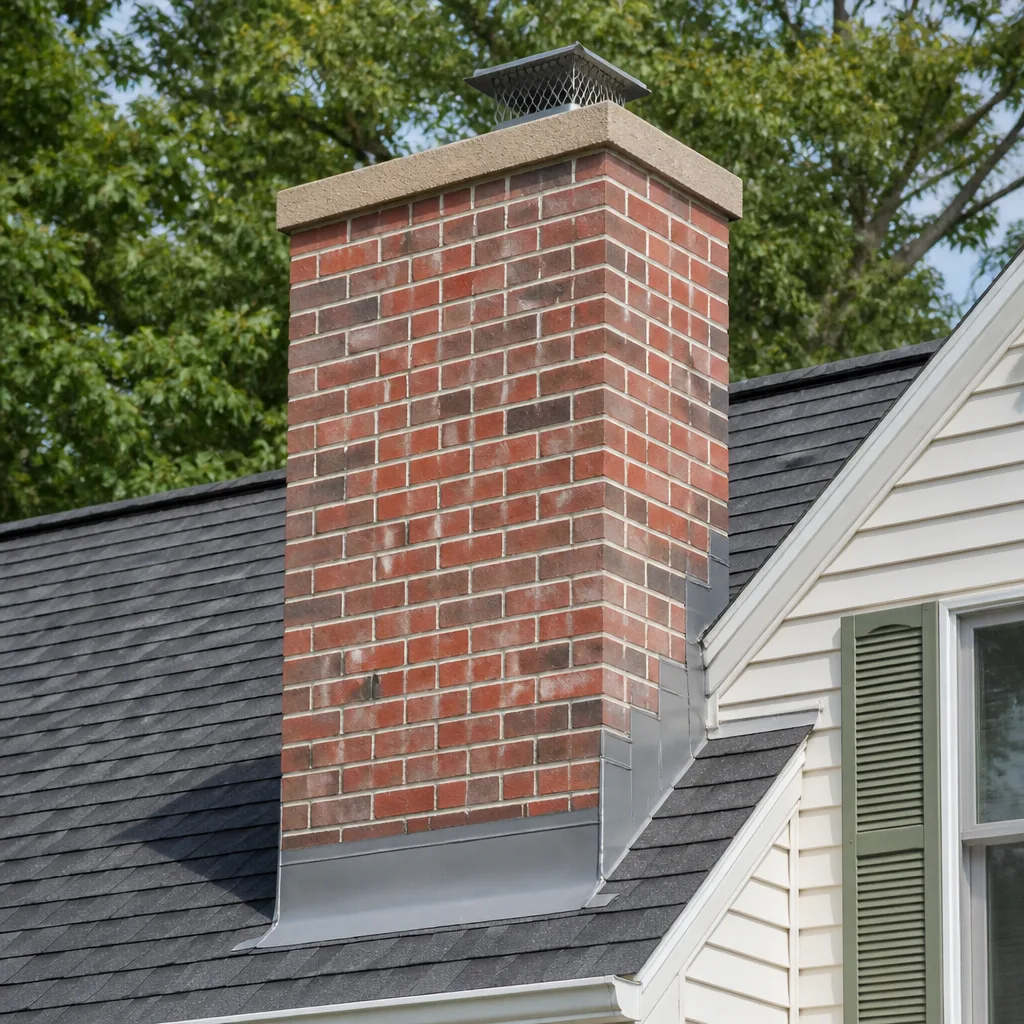 Masonry repair
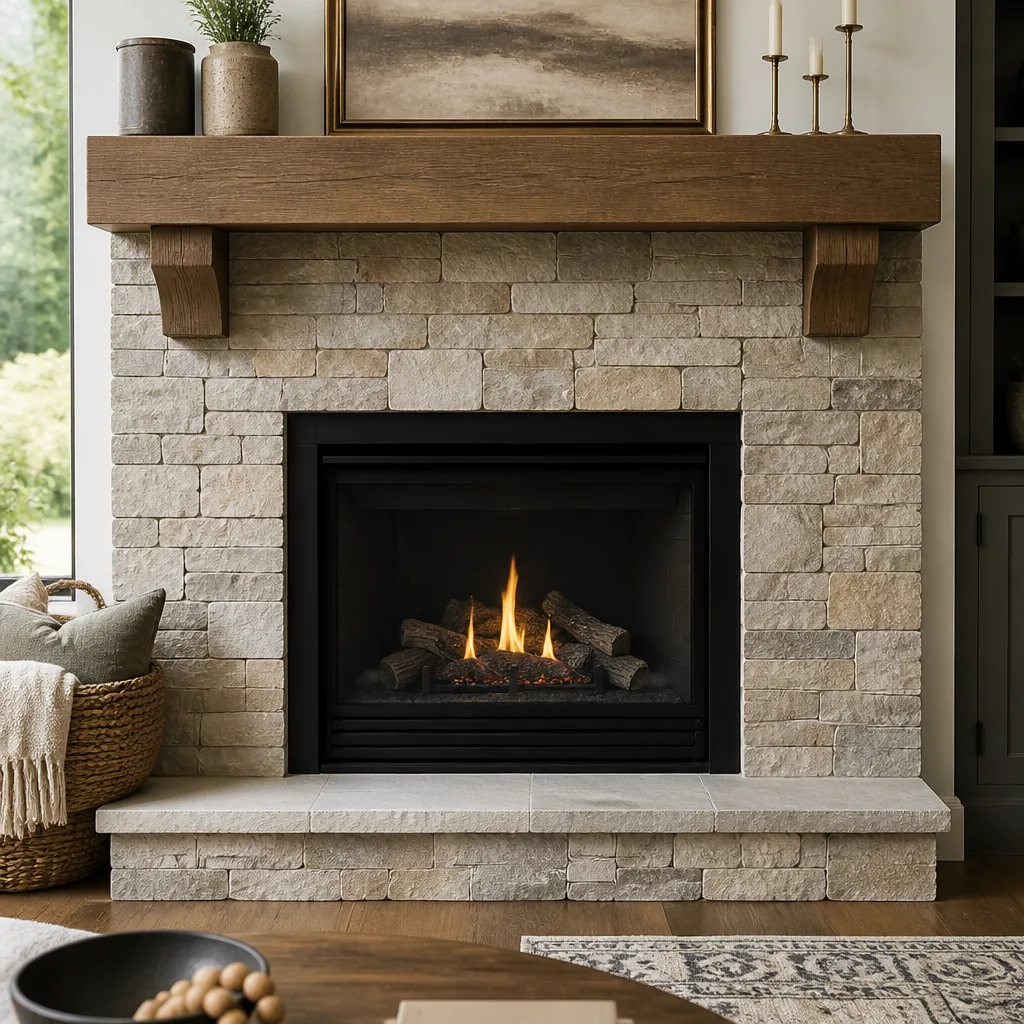 Gas fireplace service
Level 1 sweep and inspection to the NFPA 211 annual standard - flue, crown, cap, and flashing checked and photographed
Chimney sweep logs do not sweep chimneys. They loosen some creosote - which then falls where a brush and vacuum still have to collect it.
Chimney Cleaning Permits, Codes & Inspections in Great Kills, NY: What You Need to Know
Most homeowners here assume chimney work never touches a permit office, and for a routine sweep they’re right. The moment the job shifts to a new liner, structural repair, or a rebuilt firebox inside New York City’s jurisdiction, that assumption gets expensive. What feels like paperwork is actually a property record, and permit history follows a house long after the last owner leaves. If a Great Kills home sells with an unpermitted liner behind the wall, the buyer’s inspection finds it and the deal stalls or the price moves. This guide explains which chimney services need DOB permits and which are routine maintenance, how the New York City Building Code and NFPA 211 work together on Staten Island, and how to document work that was never filed.
Quick Answer
Routine chimney sweeping for maintenance is not a permitted activity in New York City and needs no DOB filing. Work that touches the structure or the flue itself, such as liner installation, masonry repair, or a firebox rebuild, generally requires a permit through the NYC Department of Buildings in the CD3 district that covers Great Kills. Any chimney professional you hire should inspect first, document what they find, and pull permits when the scope calls for it, so the finished job is code-compliant and recorded against your property.
Styles & brands we work with
- Sweep & inspection
- Caps & crowns
- Flue relining
- Masonry repair
- Gas fireplace service
Table of Contents
- Which Chimney Services Need a Permit and Which Don’t
- How the NYC Building Code and NFPA 211 Work Together
- What a Code-Compliant Liner Installation Actually Requires
- Cleaning Insurance vs. Permitted Work: Who the Record Protects
- How to Retroactively Document Chimney Work for a Sale
- The Inspection Levels You’ll See on a Report
- Why Great Kills Homes Need Seasonal Inspections
Which Chimney Services Need a Permit and Which Don’t
In New York City’s jurisdiction, the line between maintenance and construction is what determines whether a permit gets filed. The city treats routine cleaning as owner maintenance, the same category as painting a room or replacing a filter. Structural and system changes are construction and fall under the Department of Buildings. A homeowner in Great Kills who calls for a chimney sweep does not need anything filed with anyone. A homeowner lining a flue or rebuilding a firebox should expect to see a permit pulled before the work begins.
Routine maintenance, no permit needed:
- Sweeping and removing creosote
- Level 1 inspection with a camera scan
- Replacing a missing or rusted cap as a like-for-like swap
- Minor damper adjustment or lubrication
- Cleaning out an ash pit or firebox
Work that generally triggers a DOB permit in CD3:
- Installing or replacing a stainless steel flue liner
- Applying a resurfacing system to a deteriorated flue
- Masonry repair to the chimney structure itself
- Rebuilding a crown or making structural changes to the stack
- Firebox rebuilding, damper replacement that alters the firebox opening, or hearth modification
- Converting a fireplace from wood-burning to gas when venting changes
The distinction matters because permit history lives with the address. If a homeowner in Great Kills sells and the buyer’s inspector finds a new liner with no record, that finding has to be dealt with in the transaction. The alternative is a permitted job with sign-off on file, which is simply a cleaner sale. When we connect you with a local professional who inspects first, that pro will tell you plainly which category your job falls into before you commit to anything.
How the NYC Building Code and NFPA 211 Work Together
Two rule sets govern chimney work in Great Kills, and they overlap. The New York City Building Code, including Chapter 28 covering existing buildings, sets the legal requirements the city enforces and inspects against. NFPA 211, the Standard for Chimneys, Fireplaces, Vents, and Solid Fuel-Burning Appliances, is the technical reference the code leans on for how chimneys actually perform. When a contractor tells you an installation is “to code,” they should mean both: the legal minimum the DOB signs off, and the clearance, venting, and performance standards NFPA 211 defines.
Where they intersect in practice:
- Clearances: NFPA 211 sets the distance from a flue to framing and combustibles; the code adopts that requirement and the inspector checks it during a review.
- Venting: The code requires a chimney to vent the appliance it serves correctly; NFPA 211 defines what correct means for a given appliance type.
- Existing buildings: Chapter 28 gives the city a framework for judging work on an older chimney without forcing a full rebuild of the whole house.
- Documentation: A permitted job requires filing plans or documentation and passing inspection; a non-permitted job has neither, which is exactly the gap that surfaces during a real estate transaction.
For a Great Kills homeowner, the practical result is this: any contractor who tells you a liner job “doesn’t need a permit, it’s just a pipe in a chimney” is either working outside the code or working outside your interest. The professional-grade route is a documented install against both standards, with inspection sign-off after. That’s what you’re paying for when you hire for the liner work, not just for the materials.
What a Code-Compliant Liner Installation Actually Requires
A code-compliant liner installation is more than a stainless tube dropped down the flue. It’s an engineered system with documented clearances, a sized flue, a sealed connection at the top and bottom, and inspection sign-off when a permit is involved. In Great Kills and the rest of Staten Island’s CD3 district, the DOB can require the finished work to pass inspection before it’s signed off, which means the contractor’s record matters as much as their materials.
Here’s what a proper installation involves, in order:
- Inspection and scan. A camera inspection assesses the flue interior, notes offsets, cracks, and debris, and determines whether the flue can be relined or needs repair first. This is the step that tells you the true scope.
- Liner selection and sizing. The flue size and appliance type determine whether a flexible stainless system (DuraFlex, Olympia Chimney) or a resurfacing approach (HeatShield) is the right choice. Sizing must match the appliance’s venting requirements, not just the pipe that’s on hand.
- Permit filing where required. If the scope includes liner installation or structural work, the permit gets filed with the DOB before the work starts.
- Installation with proper clearance. The liner goes in with insulation and clearances that meet both the code and NFPA 211, and the top plate and cap are sealed against rain and downdrafts.
- Inspection and sign-off. A permitted installation is inspected and signed off; a Level 2 or Level 3 inspection confirms the finished system is sound and the paperwork can be closed out.
- Documentation. Report, permit record, and photos go to the homeowner, which becomes the disclosure file if the house sells.
HeatShield resurfacing exists for the cases where the flue is compromised but structurally able to be restored without a full tear-out, which is often the difference between a liner install and a rebuild. Where a liner is the right answer, DuraFlex and Olympia systems are the standard we work with, and the reason is simple: they hold up and they’re documented. From firebox to cap, the whole installation has to hold together for the code compliance to mean anything. A new liner under a failing crown and a missing cap lets water back in and undoes the work, which is why crown and cap work using Gelco and Famco components gets bundled into the same job whenever it’s needed. Anything less is a partial installation dressed up as a full one.
Cleaning Insurance vs. Permitted Work: Who the Record Protects
Insurance and permits protect different people, and homeowners often treat them as the same thing. A cleaning company’s liability and bonding protect you while they’re on your property; if a technician drops a brush and cracks a damper, their coverage responds. A permit protects your property record after the work is done, and that’s a separate thing entirely. The local pro is licensed and insured as their state requires, and we make sure the people we connect you with carry that coverage. But insurance covers an event. A permit covers the house.
Here’s the practical difference for a Great Kills homeowner:
- Insurance addresses injury or damage during the work. It’s proof the contractor can pay if something goes wrong on the job.
- Permitted work addresses the finished result. It’s proof the installation was inspected against the code and signed off, and it sits in the property record.
- Neither replaces the other. An insured contractor who skips a required permit leaves you with an unrecorded install. A permitted job done by someone without coverage leaves you exposed during the work.
That’s why we ask both questions before recommending anyone: are they licensed and insured, and will they pull a permit when the scope requires it? A contractor with a strong local reputation will answer both with proof. A sweeper who only cleans and doesn’t handle the structural side won’t be able to pull the permit in the first place, which is a talking point, not a disqualifier, as long as you know which services you actually need. And if inspection shows the flue is sound and solar-driven, do not let anyone sell you a liner you don’t need. Nothing gets recommended without camera evidence you can see for yourself.
How to Retroactively Document Chimney Work for a Sale
When a previous owner had chimney work done without permits, the current owner inherits the gap. That’s common in Great Kills because the area’s housing stock is old enough that a liner or a firebox rebuild might have happened under someone else’s roof. During a sale, you have three paths: certify the existing work through a new inspection, permit and legalize the work retroactively, or disclose the unpermitted condition. The right choice depends on what the inspection finds and what the buyer’s lender and attorney will accept.
A workable sequence when you’re facing this:
- Get a Level 2 inspection. A camera-based inspection documents the installed condition of the flue, the liner if one exists, the firebox, and the cap and crown. This is the foundation, whether or not you end up filing a permit.
- Compare findings to what’s on record. If the liner or repair was never permitted, the inspection report becomes the record of the current condition. Some buyers accept that; some want it legalized.
- Decide whether to legalize. If the work is sound but unpermitted, some scopes can be filed and inspected retroactively. Others require opening the flue to verify installation quality. A contractor who inspects first can tell you which case you’re in.
- Fix anything that isn’t sound. If the inspection finds clearance violations or a failing liner, repair it before the sale rather than negotiating it after. Repair before it becomes a rebuild, and before it becomes a deal-breaker.
- Assemble the disclosure file. Level 2 report, any permit records, photos of the completed work, and the contractor’s documentation. This is what your attorney and the buyer’s inspector will want to see.
Real estate agents and buyers in Great Kills ask for pre-purchase reports for exactly this reason. A documented inspection answers the permit question instead of leaving it open, and a seller with a clear file moves a deal faster than one negotiating a $ figure out of the inspection report. If you’re the buyer, ask for the file; if you’re the seller and there isn’t one, get the inspection before listing. Call (866) 937-8578 for a free estimate on an inspection or documentation report.
The Inspection Levels You’ll See on a Report
Chimney inspections come in three standard levels, and knowing which one you need saves both time and money. A Level 1 inspection is what happens alongside a routine sweep, covering the readily accessible portions of the system without special tools or opening anything. A Level 2 inspection adds a camera scan of the flue interior and is the standard used during real estate transactions, after a chimney fire, or when a change is made to the appliance or fuel type. A Level 3 inspection opens concealed areas and is done when a Level 2 finds a problem that can’t be evaluated from the accessible portions.
When each applies in Great Kills:
- Level 1: an annual cleaning visit for a fireplace that’s operating normally, no recent changes, no sale involved.
- Level 2: pre-sale or pre-purchase, a liner quoted by another contractor, a new appliance installed, a chimney fire, or a problem that keeps recurring. This is the workhorse inspection, and most of our real estate-related calls sit here.
- Level 3: a suspected hidden defect found on Level 2 that requires opening a chase or wall to evaluate the flue or clearances.
The inspection is the foundation of every job. It’s where we find out whether the flue needs sweeping, resurfacing with HeatShield, or a DuraFlex liner install, and whether a permit is needed for the scope. Any chimney professional who quotes a liner before scanning the flue is selling blind. We don’t connect homeowners with someone who works that way. Inspection first, recommendation second, and the report is yours to keep whether or not you move forward with the repair.
Why Great Kills Homes Need Seasonal Inspections
Great Kills sits on the southern end of Staten Island, and the local climate is what a chimney system actually fights. Winters here are cold enough for heavy wood-burning and long enough that a neglected flue accumulates creosote from October through March. The result is a straightforward risk: creosote ignites at high temperatures, which is how chimney fires start, and most of those are preventable with a clean flue. Carbon monoxide is the other concern, and it comes from a blockage, a cracked liner, or a flue that isn’t venting correctly, none of which a homeowner can see without a camera inspection.
Timing is the useful part. Great Kills homeowners do well to book a sweep and a Level 1 inspection before the first fire of the season, because a flue that gets cleaned in advance is safer than one pulled back into service cold. If the home has a gas appliance in the same chimney, have both flues checked, since an unused flue can back up into the working one through a shared chase. And if you’re depending on a chimney cap you’ve never inspected, it’s worth noting caps and crowns are the first line of defense against water intrusion at the top of the system. A missing or failed cap lets rain in, and that water finds its way down the flue and into the masonry. Our chimney cap & crown service addresses exactly that top-of-system failure, and it’s the least expensive thing you can do at the top of a chimney to prevent the most expensive thing from happening below. If you have a fireplace insert, don’t assume the flue above it doesn’t need attention; the insert’s venting path is where deposits collect and where the code’s clearance requirements get tested. When a flue was relined years ago under a contractor who was never inspected, the seasonal check is also how you find out the liner is sound, and the seasonal inspection report is how that gets documented before a sale turns up the question.
We answer 24/7. A call outside dispatch hours is booked into the next opening, Sunday through Friday, 7am to 7pm.
Common Mistakes to Avoid
- Assuming all chimney work is exempt. Routine sweeping is, but liner installs and firebox rebuilds in Great Kills fall under DOB review. Take a quote for a liner as a signal to ask about permits before you sign.
- Signing off on “code-compliant” without a report. A code-compliant install has a report and, where required, an inspection sign-off. Ask to see both, and don’t accept a verbal assurance.
- Confusing insurance with permitting. Insurance covers the job; the permit covers the house. You want both, and one doesn’t replace the other.
- Skipping the Level 2 inspection for a sale. If you’re listing a Great Kills home with a fireplace, get the Level 2 first. It answers the question before the buyer’s inspector asks it.
- Letting a failed cap stay on the chimney. Water intrusion at the cap and crown is the most common path to masonry damage, and it’s a cheap fix compared to a rebuild. A gelco or famco cap installed correctly is part of the system, not an accessory.
- Recommending a full liner when resurfacing is possible. HeatShield resurfacing can restore a compromised flue without a full tear-out, and the inspection report tells you which case you’re in. Don’t accept a liner quote without a camera scan behind it.
- Ignoring the firebox while fixing the flue. A firebox rebuild belongs to the same system as the liner, so a repair that ignores the hearth leaves half the job done. A complete fireplace-repair scope covers both.
See the difference
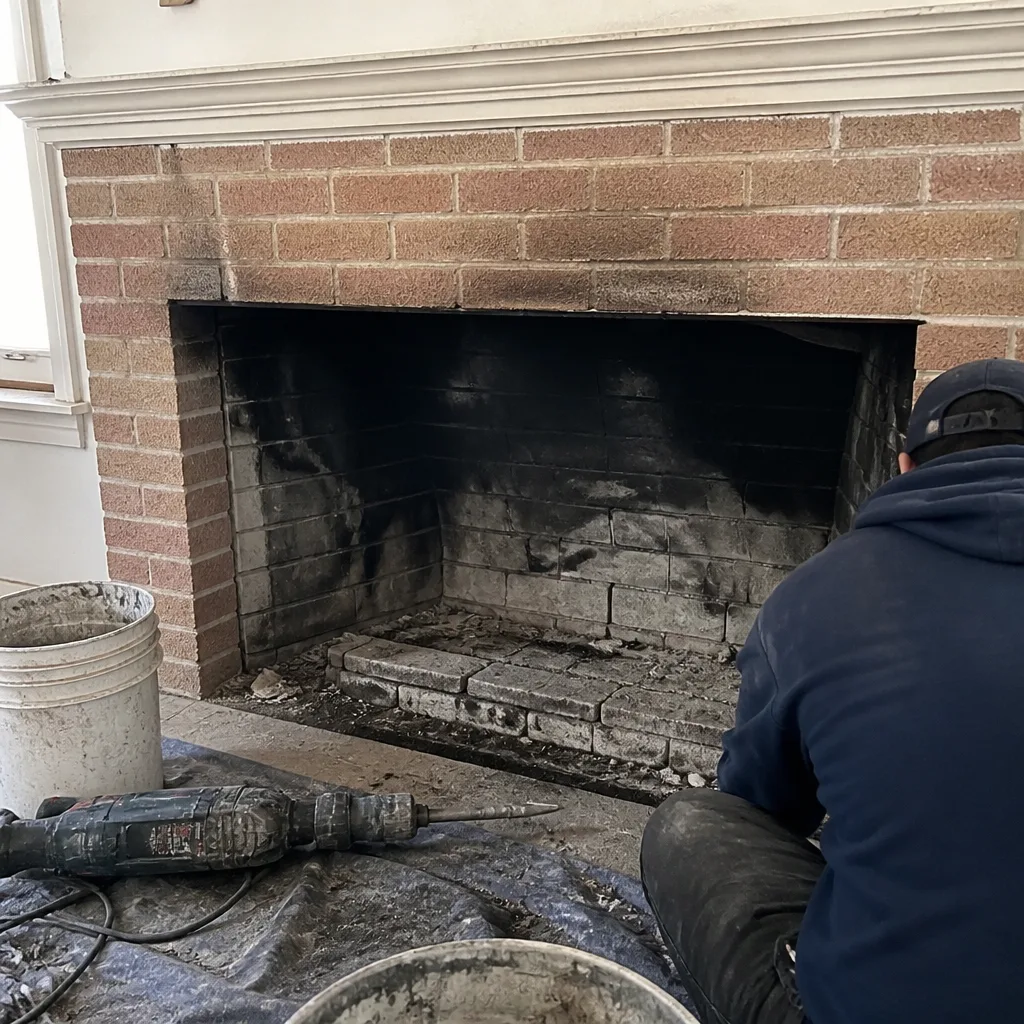
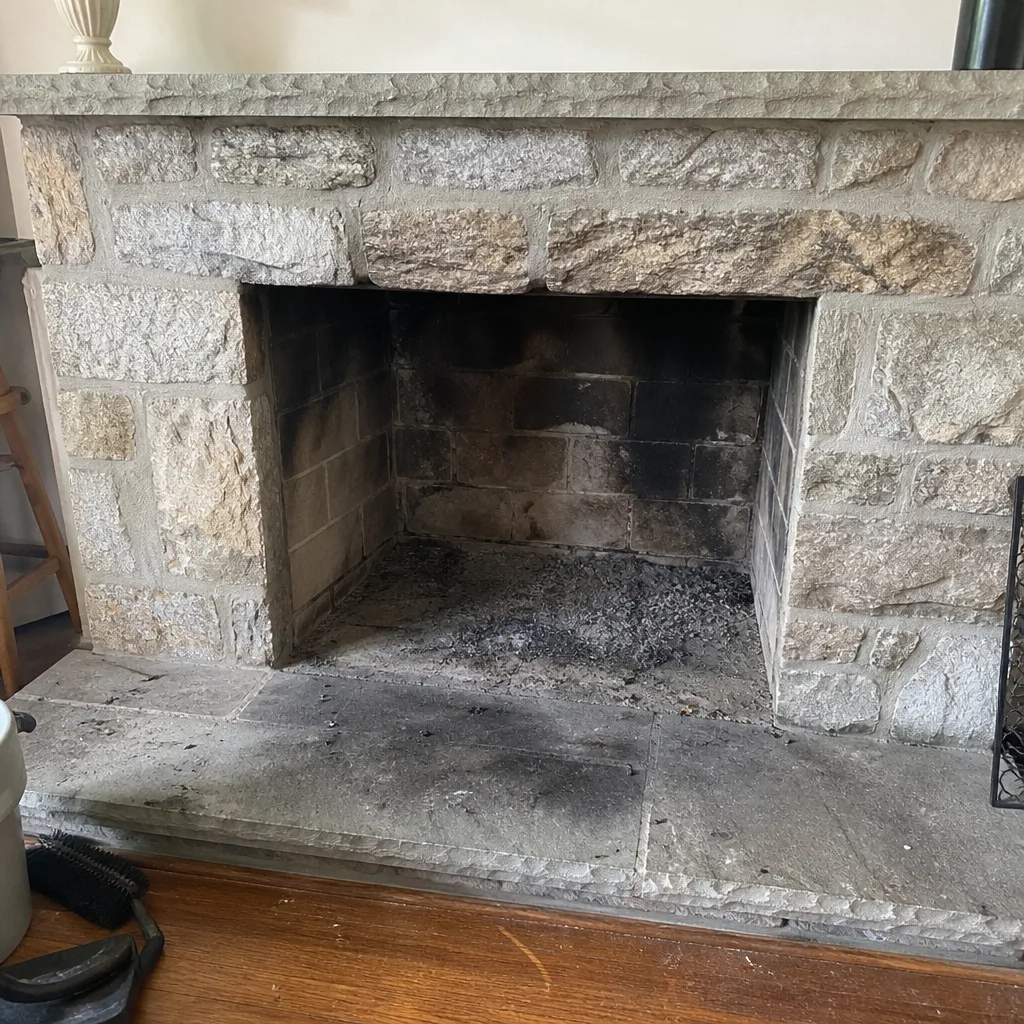 Before
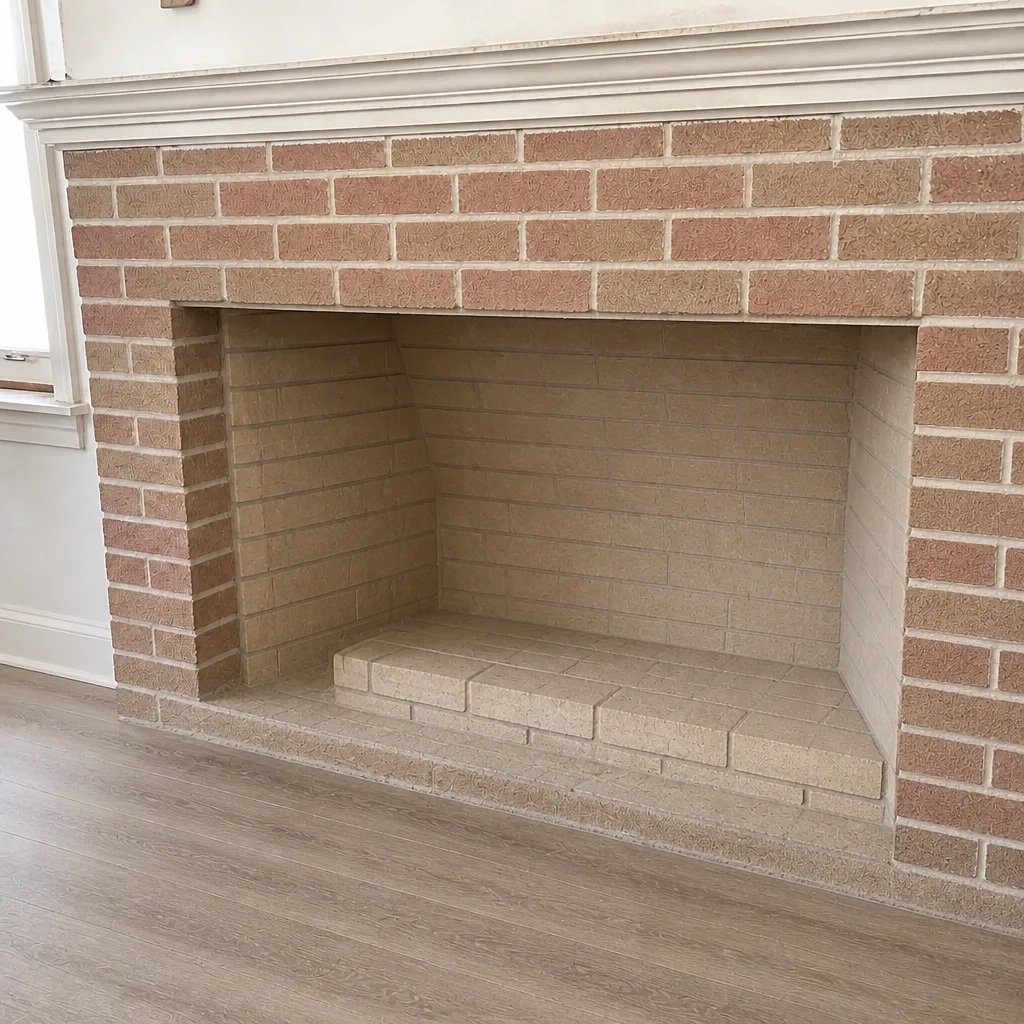
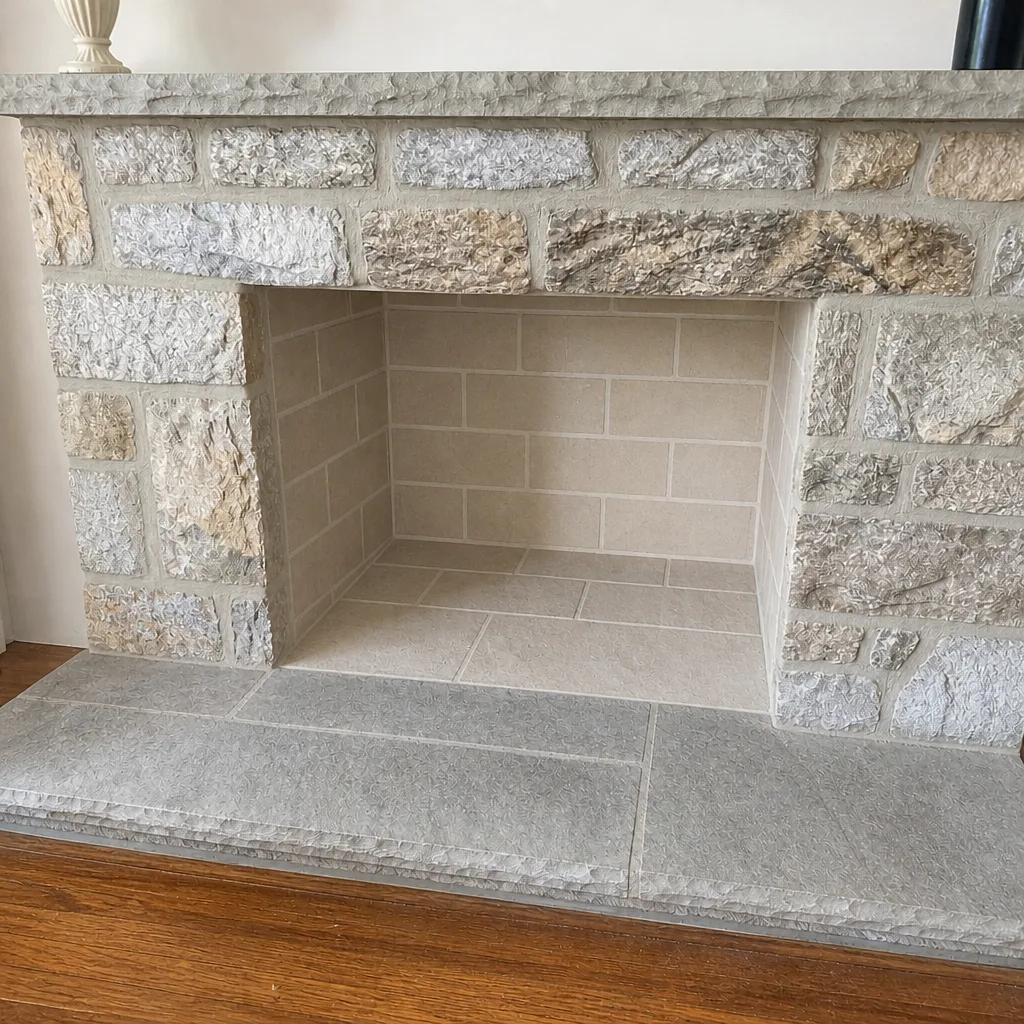 After
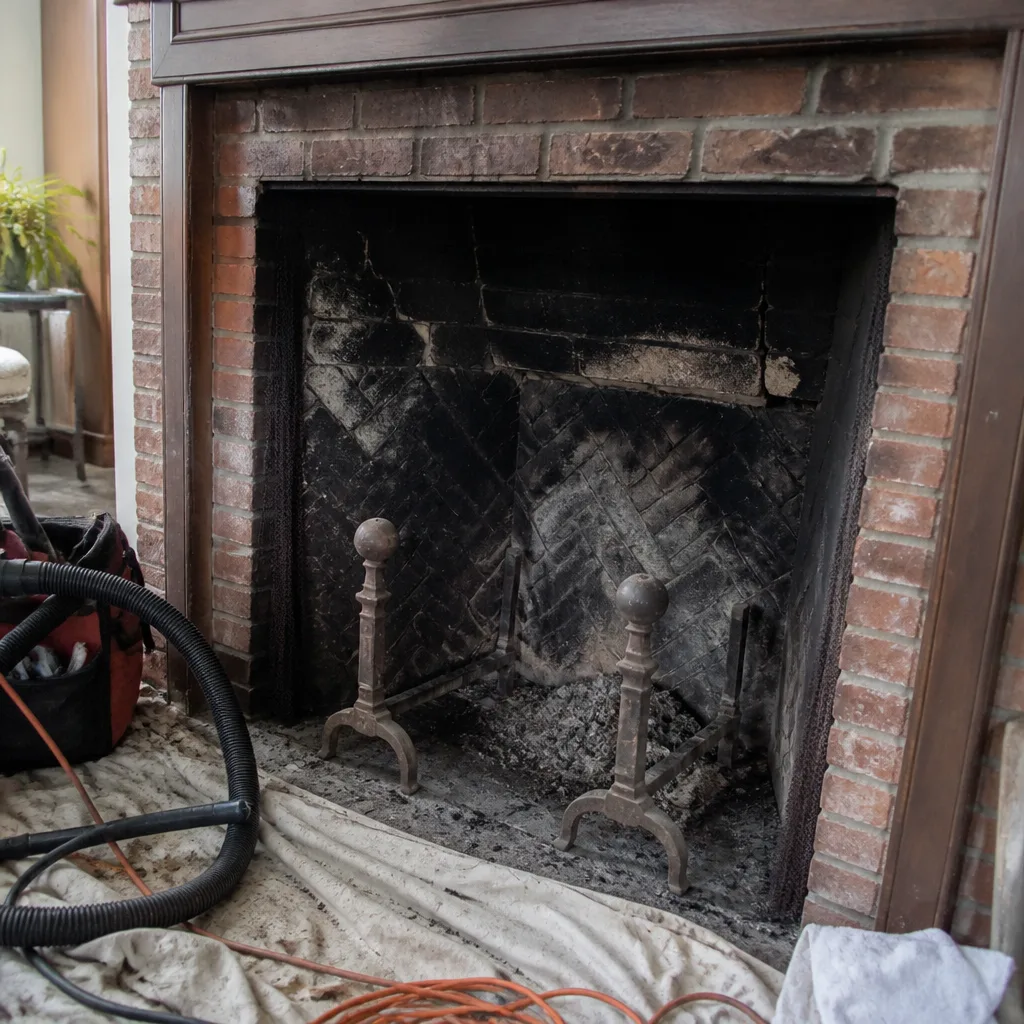 Before
 After
 Before
 After
When to Call a Professional
Call a professional before you light the first fire of the season if you haven’t had an inspection in the last year, and immediately after any chimney fire, real or suspected. When a flue has a strong draft problem, a smell in warmer weather, or a visible crack above the firebox, those are inspector calls, not weekend projects. High-tension components and masonry and firebox work are not homeowner jobs: the flue clearances are invisible, the standards are technical, and a partial job is worse than no job. If you’re buying or selling a Great Kills home, get the inspection before the process makes it urgent. Chimney Sweep Great Kills offers free estimates in Great Kills; call (866) 937-8578 and we’ll connect you with a local pro who inspects first. We answer 24/7. Fast dispatch from 7am to 7pm, Sunday through Friday. Estimates are free. Call (866) 937-8578 for an exact quote.
Frequently Asked Questions
No. Routine chimney sweeping is maintenance, not construction, and it doesn’t require a permit from the NYC Department of Buildings. A sweep will tell you whether anything else on the chimney needs attention; if the inspection shows structural work, that scope may require a permit. Call (866) 937-8578 for an exact quote; estimates are free.
Liner installation or replacement, structural repair to the chimney stack, crown replacement, firebox rebuilding, and venting changes generally require a permit and DOB inspection in Great Kills and the rest of the CD3 district. Sweeping, cleaning, and a Level 1 inspection don’t. Ask your contractor which category your scope falls into before the work starts.
Start with a Level 2 camera inspection. That documents the installed condition of the flue, whether or not the work was filed. Once you know what’s there, a local professional can tell you whether the work can be legalized retroactively or whether it needs to be redone. The inspection report is the record you’ll want at sale. Call (866) 937-8578 for a free estimate on the inspection.
Both, and they overlap. The New York City Building Code sets the legal requirements the DOB enforces and inspects against. NFPA 211 defines the technical standards for venting, clearances, and performance. A code-compliant installation should meet both, which is why we look for inspection sign-off and a report, not just a verbal assurance.
Annually, plus a camera inspection if the flue hasn’t been scanned recently or the property is changing hands. Great Kills winters are cold and long enough that burning the fireplace from October through March is common, and an annual inspection keeps creosote from accumulating. It also gives you a current record for insurance and resale. Call (866) 937-8578 for an exact quote; estimates are free.
A sweep cleans the flue and firebox; an inspection evaluates the condition of the whole chimney and documents what it finds. A chimney inspection report is what tells you whether a liner is needed, whether a permit will be required for the repair, and what to disclose at sale. Walking on a steel or slate roof to inspect the upper chimney is not a homeowner task. Call (866) 937-8578 for a free estimate.
The Bottom Line
Sweeping in Great Kills is maintenance and needs no permit. Liner installation, structural repair, firebox rebuilding, and venting changes generally do, and the record of that work lives with the property. The right approach is inspect first, document the findings, file for a permit when the scope requires it, and keep the report. A permitted installation with a HeatShield or DuraFlex system and a proper cap and crown is what you want at sale time, not “the previous owner had a guy.” One contractor for the whole system, from firebox to cap, removes the coordination risk of splitting the work between a sweep and a mason. And if a screen of the roof or flue is on your list, that’s a call-in job. If you need a fireplace-repair scope inside the house, that step is a fireplace repair handled by a professional. Call (866) 937-8578 for a free estimate and a clear answer on what your chimney actually needs. We answer 24/7, with fast dispatch from 7am to 7pm, Sunday through Friday.
See our home page for the full service list: Chimney Sweep Great Kills.
Written by the team at Chimney Sweep Great Kills.