
Last updated November 24, 2026
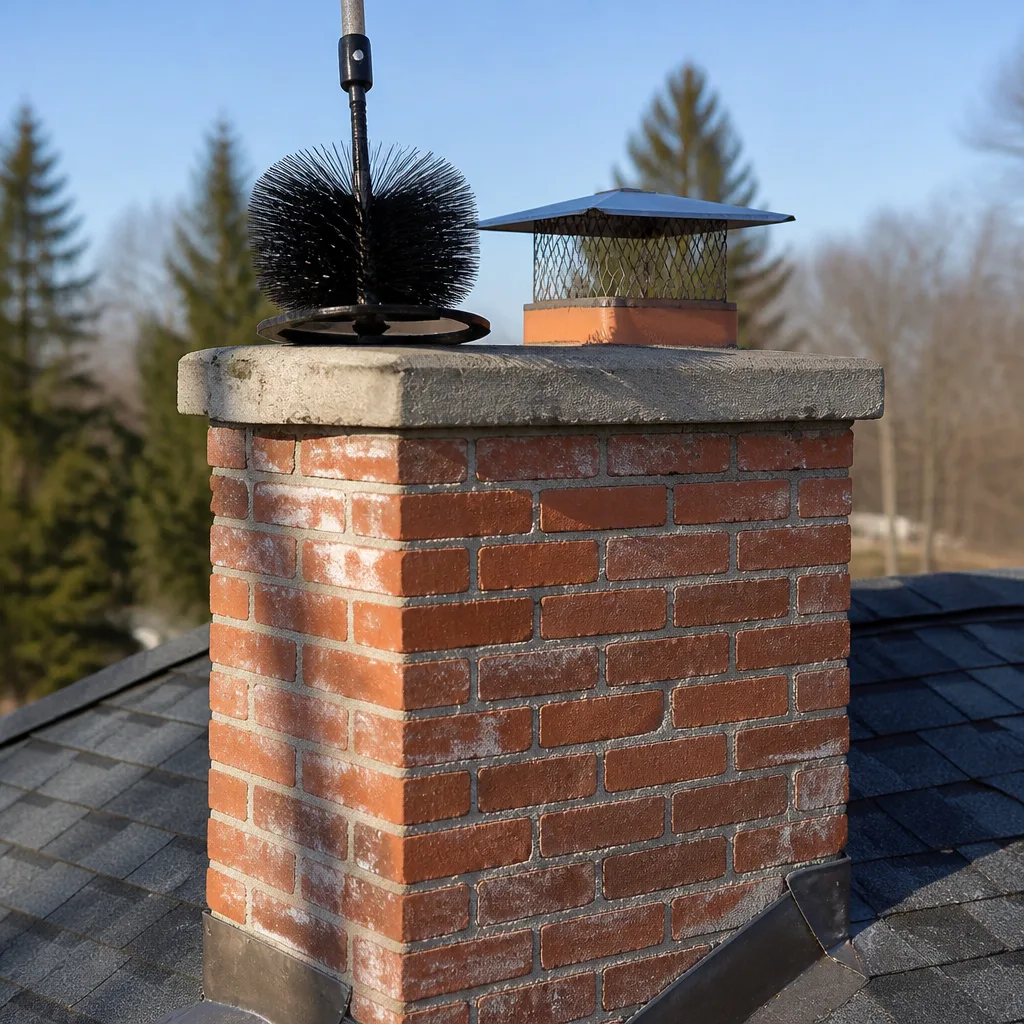 Sweep & inspection
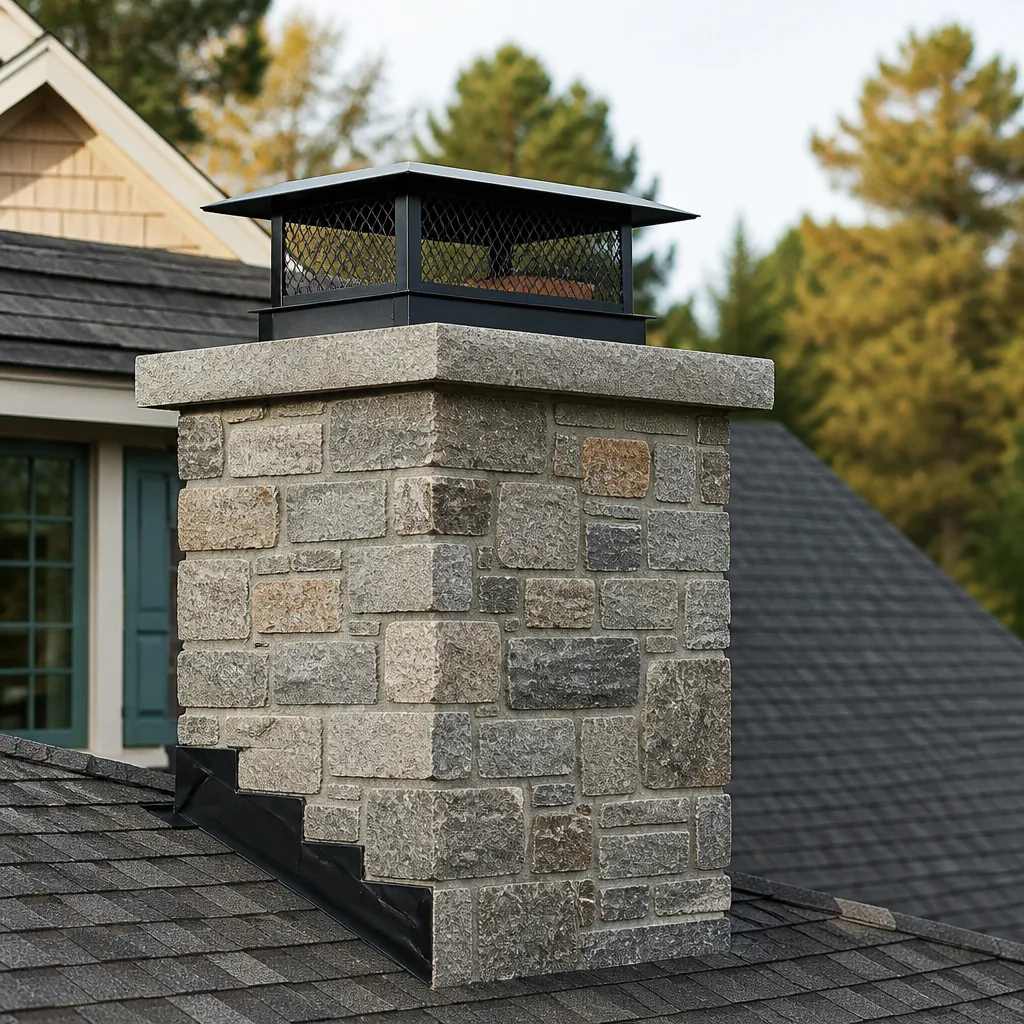 Caps & crowns
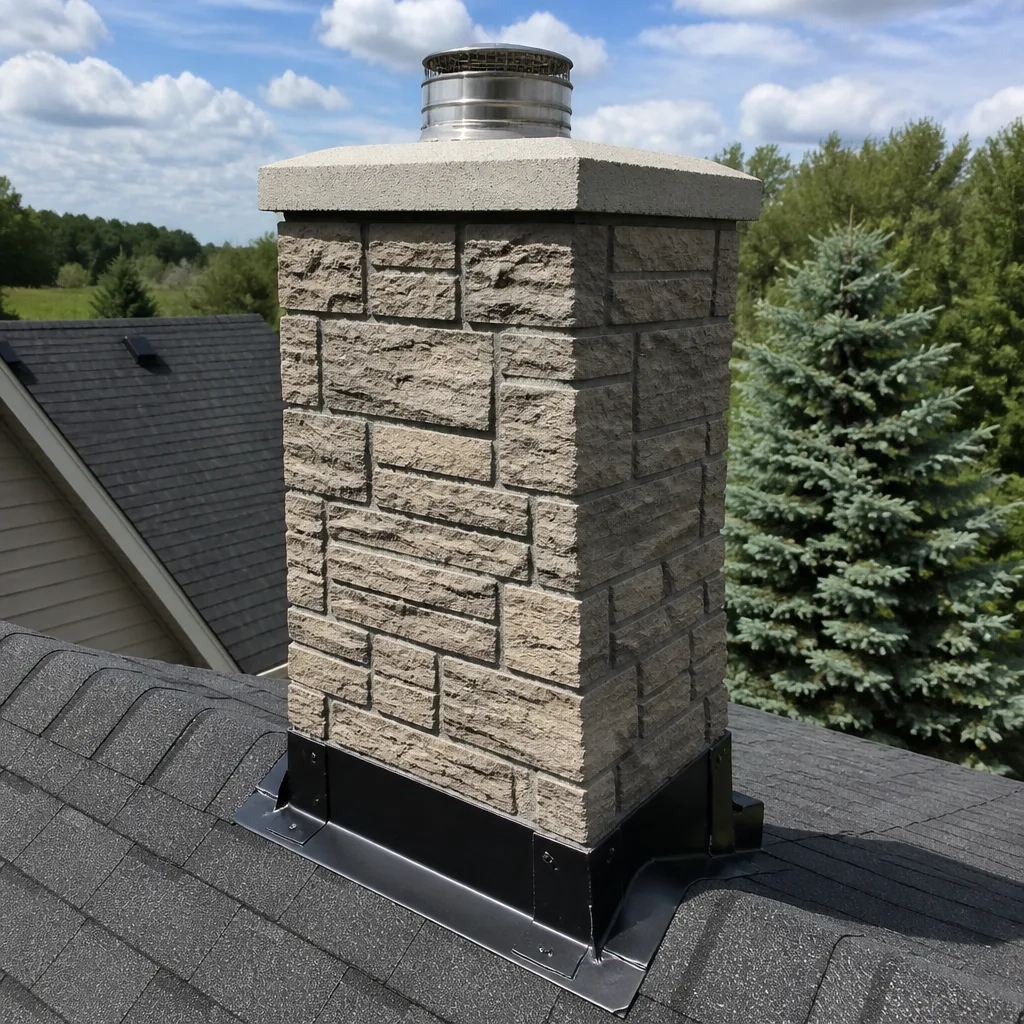 Flue relining
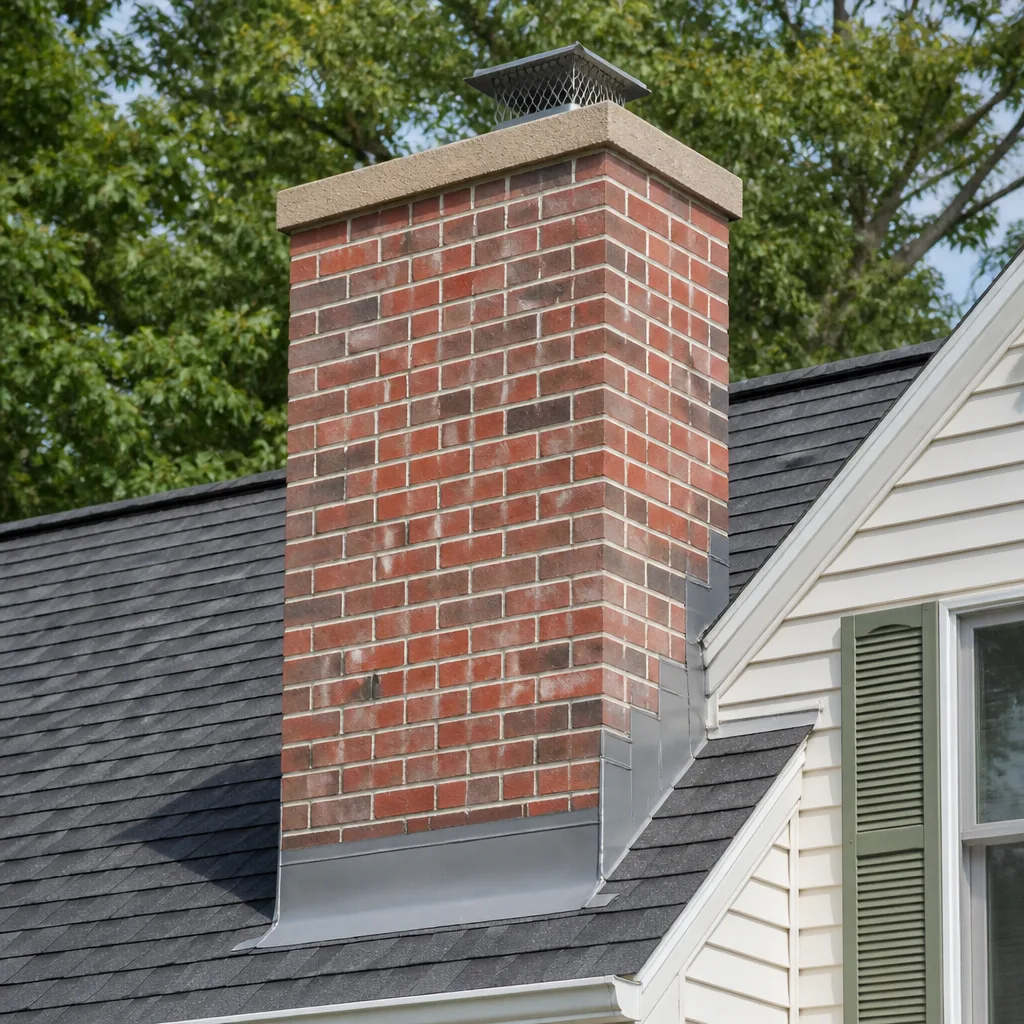 Masonry repair
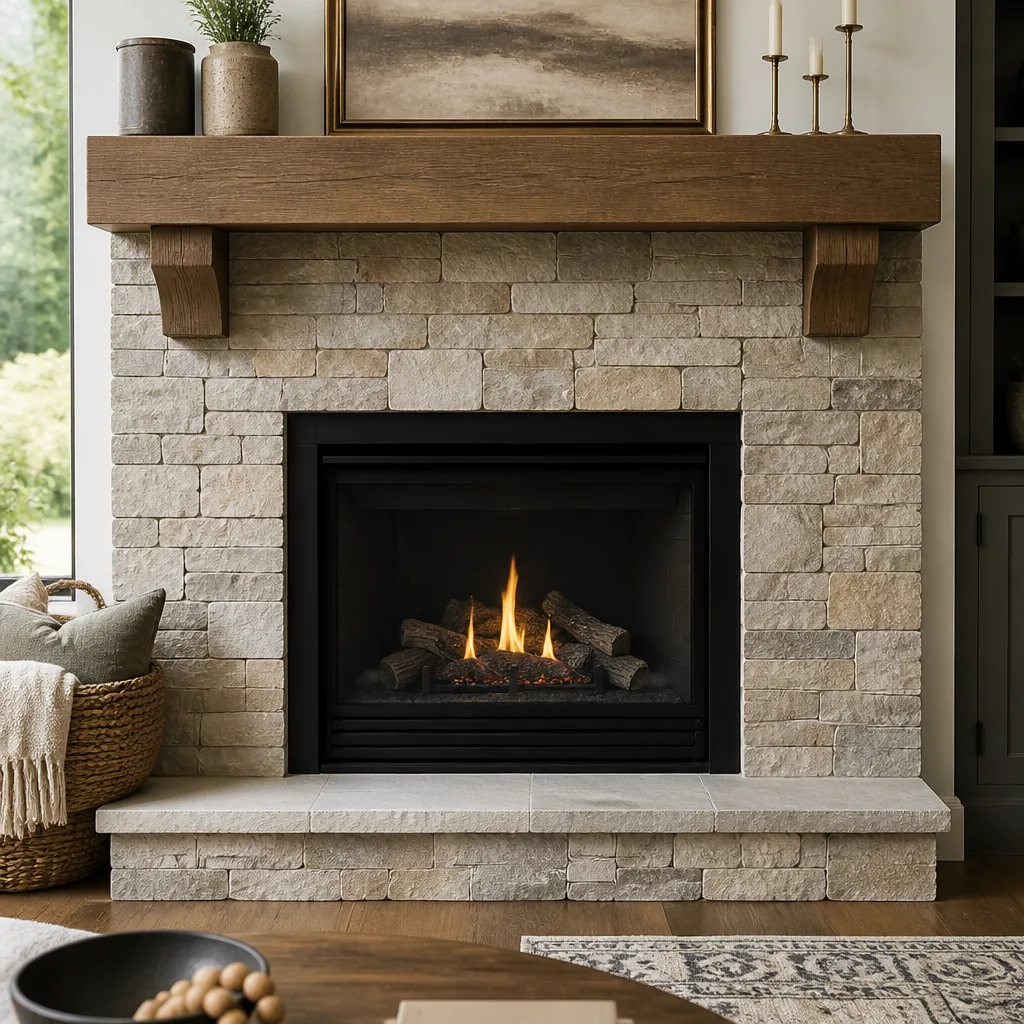 Gas fireplace service
Level 1 sweep and inspection to the NFPA 211 annual standard - flue, crown, cap, and flashing checked and photographed
Chimney sweep logs do not sweep chimneys. They loosen some creosote - which then falls where a brush and vacuum still have to collect it.
Seasonal Chimney Cleaning Care for Great Kills: Year-Round Homeowner’s Guide
Most homeowners think about their chimney once a year, on the first cold evening of October, when they light a fire and hope for the best. Here’s the counterintuitive part: the people who call us in a panic during that first cold snap aren’t the ones who skipped fall cleaning. They’re the ones who left the chimney alone through spring, summer, and the humid stretches in between, when the real damage quietly accumulates. A chimney isn’t a seasonal appliance. It’s an exposed masonry and metal system that reacts to every season Great Kills throws at it. This guide walks through what actually happens to your chimney in each season, what you should be checking and when, and how a simple multi-year maintenance record keeps a small observation from turning into a rebuild.
Styles & brands we work with
- Sweep & inspection
- Caps & crowns
- Flue relining
- Masonry repair
- Gas fireplace service
Quick Answer
Chimney care in Great Kills is a year-round job, not a single fall sweep. Spring is for post-season inspection while evidence of winter problems is fresh, summer is the best window to schedule repairs because masonry is warm and dry and demand is low, fall is for inspection before cleaning and before first use, and winter is for mid-season damper and draft checks. A written record of what you observe each season is the single best tool for keeping long-term repair costs down.
Table of Contents
- Why Chimney Care Has Four Seasons in Great Kills
- Spring: The Inspection Season
- Summer: What Heat and Humidity Do to Masonry
- Fall: Inspect Before You Clean, Clean Before You Burn
- Winter: Draft, Damper, and the Mid-Season Check
- Building a Multi-Year Maintenance Record
- Common Mistakes to Avoid
- When to Call a Professional
- Frequently Asked Questions
Why Chimney Care Has Four Seasons in Great Kills
A chimney is one of the few parts of a house that sits fully exposed to weather on the outside while handling high heat on the inside. That combination means it never really gets a break. In Great Kills, the seasonal swings are significant enough that each season does something different to the system, and skipping a season means missing the moment when a small condition is still cheap to fix.
Think about what the chimney actually experiences over a year. Winter brings freeze-thaw cycles that work on mortar joints and the crown. Spring brings the thaw and, with it, the moment when moisture damage that started in winter becomes visible. Summer heat dries the masonry out and creates the best working conditions for repairs. Fall brings the return of fires and the creosote that comes with them. Each phase leaves evidence, and that evidence is what an inspection is for.
We’ve seen this pattern hold across Great Kills and the surrounding Staten Island neighborhoods: the homeowner who has the chimney looked at in spring and again in fall spends far less over a decade than the homeowner who only thinks about it when smoke backs into the room. The reason isn’t that inspections are magic. It’s that catching a hairline crown crack or a bit of spalling brick early means a targeted repair instead of a rebuild.
The seasons also line up with how the trade itself gets busy. Fall is the rush. Summer is the calm. A homeowner who understands this can get the best work done at the best time, before the phone lines fill up.
Spring: The Inspection Season
Spring is the single most useful time to inspect a chimney in Great Kills, because winter has just finished testing it and the evidence is still visible. Freeze-thaw cycles are the mechanism. Water gets into a small crack or a porous brick, freezes overnight, expands, and widens the opening. When it thaws, more water gets in. By the time spring arrives, the damage that started as a hairline has often grown into something an inspector can see clearly.
What we look at in a spring inspection:
- The crown. The concrete cap at the top of the chimney takes the most weather. Hairline cracks in the crown let water straight into the masonry below, which is the most common path to interior damage.
- Mortar joints. Receded or crumbling mortar between bricks is where freeze-thaw does its work. Repointing early is a small job. Waiting lets the brick itself start to fail.
- The cap. A properly fitted cap with a screen keeps water, birds, and debris out. A missing or damaged cap is an open door.
- The flue interior. Winter fires leave creosote and, sometimes, evidence of a liner problem. A spring look confirms whether last season caused anything you should fix before fall.
- The firebox and damper. Cracks in the firebox masonry and a damper that no longer seals are both easier to address in spring than in the middle of heating season.
The advantage of a spring inspection is timing. If the inspection turns up something, you have the whole summer to decide how to handle it, and you’re not doing it under pressure. If it turns up nothing, you have a baseline to compare against next year. Either way, you’re ahead of the fall rush.
Spring is also the right moment to look at the moisture side of things. If winter left water in the masonry, spring is when you’ll see it as efflorescence, a white powdery staining on the brick face, or as a softening of the mortar. Those are early warnings, and they’re worth acting on before summer heat bakes the problem in.
Summer: What Heat and Humidity Do to Masonry
Summer is the season most homeowners ignore, and it’s the one where Great Kills masonry gets quietly worked over. The combination of heat and humidity does two apparently opposite things at once. It drives moisture out of the masonry during dry stretches, and it feeds the growth of efflorescence on the surface during humid stretches. The visible result is the white, powdery bloom that shows up on brick, which is the salt left behind when water moves through the masonry and evaporates.
Efflorescence itself is usually cosmetic. But it’s also a signal: water is moving through the brick, and that movement is what causes spalling. Spalling is when the face of the brick pops off because moisture trapped inside expands or freezes. If you see efflorescence in June, it’s worth paying attention, because the same moisture that made the bloom is the moisture that will cause spalling when the weather turns.
Why summer is the best month to schedule repairs:
- Masonry is warm and dry. Mortar and crown repairs set better and last longer in stable warm conditions than in cold or wet weather.
- Demand is low. The fall rush hasn’t started. Scheduling is easier and work gets more attention.
- You have time to fix it properly. If a repair needs a follow-up look, there’s still warm weather left to do it.
- You beat the price pressure. Fall appointments are in demand, and the written estimate you get in July sets the price for the work regardless of season.
Summer is also the right window for larger jobs. If a spring inspection found a liner problem, a crown that needs rebuilding, or mortar that needs repointing, doing it in summer means the chimney is ready before the first fire of the season. A Chimney Sweep Great Kills inspection in spring plus a summer repair is the sequence that keeps fall simple. The alternative is discovering the same problem in October, when everyone else does.
Fall: Inspect Before You Clean, Clean Before You Burn
The standard fall advice is to get the chimney cleaned before the heating season. That’s right as far as it goes, but it skips a step. The correct sequence is inspection first, cleaning second, and both before the first fire. A cleaning removes what’s in the flue. An inspection tells you whether the flue and the rest of the system are in condition to be used at all.
Why the sequence matters: if you clean first and the inspection happens afterward, you may find out that the liner is compromised after you’ve already run a brush through it. Worse, the finding may come too late to fix before the cold arrives. Inspection first means you know what you’re dealing with, and a cleaning can be scoped to what the system actually needs.
What a Level 1 inspection should catch before first use:
- Creosote buildup in the flue. Enough creosote in the wrong condition is the fuel for a chimney fire. The inspection determines whether a cleaning is needed and how thorough it has to be.
- Liner condition. Cracks, gaps, or deteriorated sections in a clay tile liner or a metal liner mean the flue isn’t containing what it should.
- Draft. A flue that doesn’t pull properly will send smoke into the room. Catching it before first use means you’re not learning about it with a fire going.
- The damper. A damper that doesn’t open or seal properly affects both draft and heat loss.
- The cap and crown. A last look at the top of the system before winter weather tests it again.
For a wood-burning fireplace, the fall chimney sweep is the routine. For a gas fireplace, the fall check is still worth doing, because the venting and the firebox both matter even when there’s no creosote to remove. A professional-grade sweep with an inspection report you can read is what you want, not a quick brush and a wave.
One more fall task worth doing: a look at the chimney cap & crown. The top of the chimney is where water gets in, and the fall is the last good moment to seal or repair before winter. Products made for the job, like Gelco and Famco components, are built specifically for chimney weatherproofing, which is why we use them for cap and crown work rather than generic hardware.
Winter: Draft, Damper, and the Mid-Season Check
Once the heating season starts, most of the attention goes to the fire itself. But winter is when a few specific chimney conditions show up, and knowing what to watch for means you can tell the difference between a normal cold-weather effect and something that needs a technician.
Smoke rollback. Smoke coming back into the room instead of going up the flue is one of the most common winter complaints. The causes are worth understanding:
- A cold flue. On the first fire after a cold snap, the flue is cold and dense, and it takes a few minutes to establish draft. A pre-warm with a rolled newspaper or a small kindling fire helps, but if rollback continues past the first few minutes, something else is going on.
- A blocked or partially blocked flue. A nest, debris, or heavy creosote can narrow the flue enough that it can’t handle the smoke volume.
- Negative pressure in the house. A powerful kitchen exhaust fan or a tightly sealed house can pull air down the chimney. This is often a house-ventilation issue as much as a chimney issue.
- An undersized flue. A flue that’s too small for the fireplace won’t draft reliably in cold weather.
Damper checks. Mid-season is a good time to confirm the damper still moves freely and seals. A damper that sticks open wastes heat and can let cold air down the flue when the fireplace isn’t in use. A damper that sticks closed is a smoke problem waiting to happen.
What you can check yourself, safely. You can look at the firebox for visible cracks, listen for a change in how the fire sounds, watch for smoke at the top of the firebox, and check that the damper operates. What you should not do is climb onto the roof in winter conditions or reach into the flue. Roof work in ice and cold is a genuine hazard, and the flue interior is not a place for a homeowner with a flashlight. If something looks wrong, that’s the moment to call.
If a problem does show up mid-winter, we answer 24/7. A call outside dispatch hours is booked into the next opening, Sunday through Friday, 7am to 7pm. Fast dispatch from 7am to 7pm gets a technician out during the working day.
Building a Multi-Year Maintenance Record
The single most useful thing a homeowner can do for long-term chimney costs is keep a written record. Not because the record itself fixes anything, but because it turns each season’s observations into a history you can actually use. When a technician arrives, a record tells them what’s been checked, what’s been repaired, and what was flagged last time. That shortens the inspection and reduces the chance of work being recommended on a system that’s already been addressed.
What to record each season:
- The date and the season. Spring, summer, fall, or winter. This matters because the same condition means different things at different times of year.
- What was observed. Efflorescence, a crown crack, a damper that sticks, smoke rollback, a change in draft. Write it down the way you’d describe it to a neighbor.
- What the inspection found. Keep the written inspection findings in one place. If a technician recommends work, keep the reason and the evidence next to it.
- What was repaired and when. Note the date and the general scope of the repair. This is what tells a future inspection what’s new and what’s original.
- What was recommended but deferred. Some findings can safely wait. Record that they were flagged, so they don’t get lost, and so a future technician knows the history rather than treating it as a new discovery.
- Any photos or reports you were given. A photo report is the best evidence you have, because you can compare this year’s photos to last year’s.
The value compounds over a few years. A homeowner with a record can see that the crown crack noted two springs ago was repaired, that the liner was checked and found sound, and that the only open item is repointing one section of mortar. That’s a completely different conversation from a homeowner with no history, where every finding has to be treated as potentially new. In our experience, the record is what keeps a minor observation from being re-litigated every time someone new looks at the chimney.
It’s also the best tool you have against being sold work you don’t need. If a recommendation comes in that isn’t backed by evidence you can see in a photo or on camera, the record helps you ask the right questions. Nothing should be recommended without evidence, and the record makes that standard easy to hold.
Common Mistakes to Avoid
- Cleaning before inspecting. A cleaning removes what’s in the flue, but only an inspection tells you whether the flue is safe to use. Do the inspection first, then the cleaning, and do both before first fire.
- Skipping the spring look. Winter freeze-thaw is the main cause of masonry damage, and spring is when the evidence is clearest. Skipping it means discovering the problem in fall, when it’s already grown.
- Waiting until fall to schedule anything. Fall is the busy season. A job that’s easy to book in July becomes difficult to schedule in October, and the pressure pushes homeowners into rushed decisions.
- Ignoring efflorescence. The white bloom on brick isn’t just cosmetic. It means water is moving through the masonry, and that’s the same water that causes spalling.
- Assuming a gas fireplace doesn’t need service. Gas fireplaces don’t produce creosote, but they still have a venting system, a firebox, and a damper, and those all need checking.
- Treating a damaged cap as a minor issue. A missing or damaged cap is one of the most common ways water gets into a chimney. It’s a small repair that prevents a large one.
- Not keeping records. Without a written record, every inspection starts from zero, and it’s harder to tell a new problem from an old one or to verify that work you paid for was actually done.
When to Call a Professional
Some chimney conditions are fine to watch. Others need a trained technician. Call a professional if you see smoke rolling back into the room after the flue has had time to warm, if you smell a strong creosote odor even when no fire is burning, if you notice cracked or crumbling masonry on the firebox, if the damper sticks or won’t seal, or if you can see damaged mortar, spalling brick, or a cracked crown from the ground. If a fire has burned unusually hot or you’ve heard a sound like a low rumble from the flue, have the chimney inspected before the next fire. On the gas side, any change in how the fireplace lights or smells is a reason to call.
Chimney Sweep Great Kills offers free estimates in Great Kills. Call (866) 937-8578. We answer 24/7. Fast dispatch from 7am to 7pm, Sunday through Friday. The estimate is set per job by the written estimate, and nothing is recommended without evidence you can see for yourself.
Frequently Asked Questions
Once a year for a wood-burning fireplace is the standard baseline, and heavier use means more frequent attention. Gas fireplaces don’t need a sweep for creosote but still need an annual inspection. Call (866) 937-8578 for a free estimate.
Skipping spring means freeze-thaw damage goes unnoticed until fall, when it’s usually bigger. Skipping summer means repairs get pushed into the busy season. Skipping fall means the first fire happens on an unexamined system. Call (866) 937-8578 for a free estimate.
Because winter has just finished testing the chimney, and the evidence is still visible. Freeze-thaw damage, moisture intrusion, and liner wear show up clearly in spring, and you have the whole summer to act on what’s found.
Yes, for two reasons. Masonry is warm and dry, which is the right condition for mortar and crown work, and demand is low, so scheduling is easier. Getting a written estimate in summer also sets the price before fall demand builds.
You can check the firebox for visible cracks, confirm the damper moves and seals, and watch for smoke at the top of the firebox. You should not climb onto the roof in winter conditions or reach into the flue. Call (866) 937-8578 if anything looks wrong.
Give the flue a few minutes to warm on a cold start. If rollback continues past that, the flue may be blocked, undersized, or affected by house pressure, and it needs a technician. Call (866) 937-8578 for a free estimate.
Yes. There’s no creosote to sweep, but the venting, firebox, and damper still need an annual inspection. A change in how the fireplace lights or smells is a reason to call.
A liner is only recommended when the inspection shows it’s compromised, and the evidence should be shown to you. HeatShield resurfacing can repair some compromised flues without a full tear-out, and DuraFlex liners handle the cases where resurfacing isn’t enough. Call (866) 937-8578 for a free estimate.
A cleaning removes what’s in the flue. An inspection evaluates the whole system, from firebox to cap, and determines whether the flue is safe to use. For a routine annual visit, a fireplace repair check belongs in the same appointment, because the firebox and damper are part of the system.
One last note on the ongoing service question: Great Kills homeowners with a recirculating or open gas firebox often ask whether fireplace repair work is worth doing alongside the annual check. It is, when the firebox has visible cracks or the damper won’t operate, because those affect how the whole system drafts and holds heat.
We work with professional-grade chimney brands, including HeatShield for flue resurfacing and DuraFlex for flexible stainless-steel relining, plus Gelco, Olympia Chimney, Famco, and Copperfield for crown, cap, and related components. The brand is matched to the job, not the other way around. Our technicians have up to 10 years of experience.
The Bottom Line
A chimney is a year-round system, and Great Kills weather gives it four distinct seasons of stress. Spring inspection catches what winter did. Summer is the right time to repair, because masonry is warm and demand is low. Fall is inspection before cleaning, and both before first fire. Winter is for draft and damper checks, and for knowing the difference between a cold-start puff and a real problem. Keep a written record, and each year’s observations become a history that keeps long-term repair costs down and keeps you from paying for work you don’t need. From firebox to cap, one contractor can handle the sweep, the inspection, the repair, the cap and crown, and the fireplace work, so there’s no coordination risk and no confusion over who did what. Call (866) 937-8578 for a free estimate. We answer 24/7. Fast dispatch from 7am to 7pm, Sunday through Friday.
Written by the team at Chimney Sweep Great Kills.
See the difference
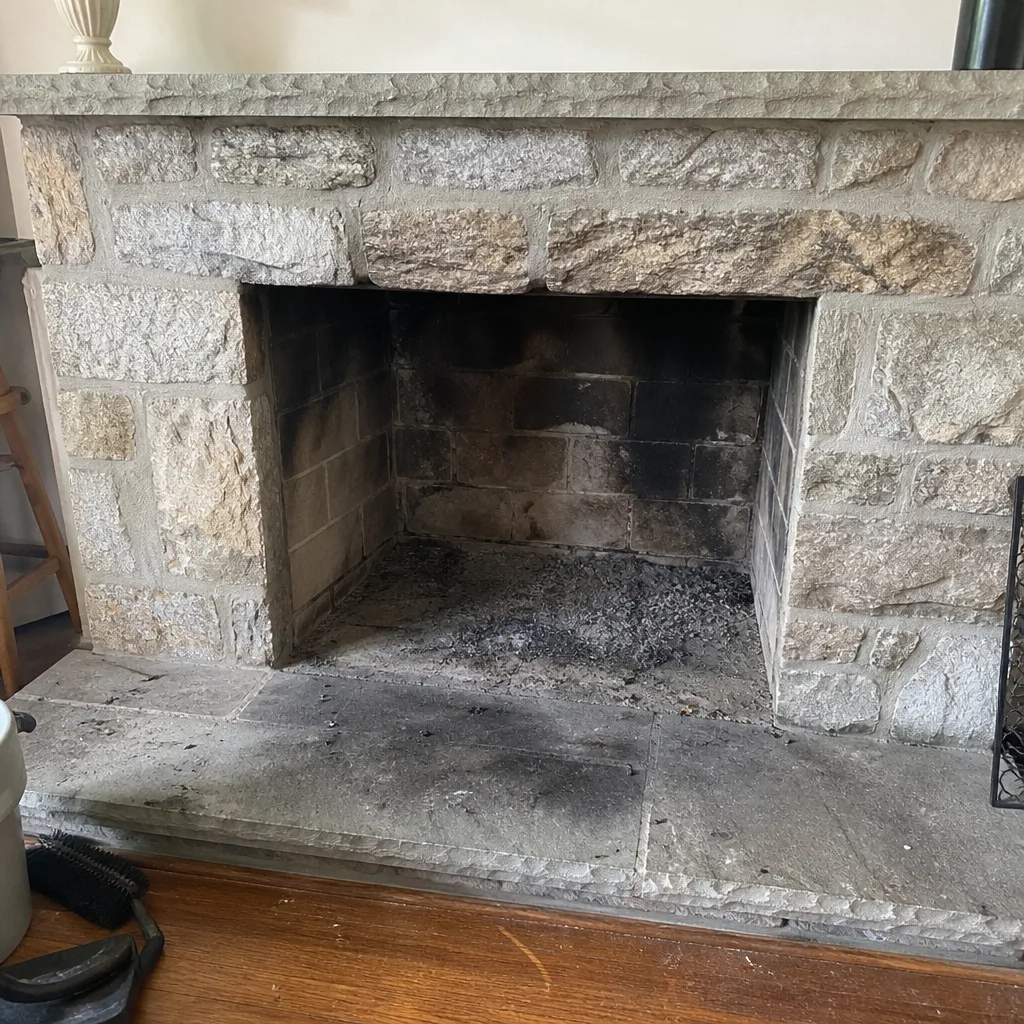 Before
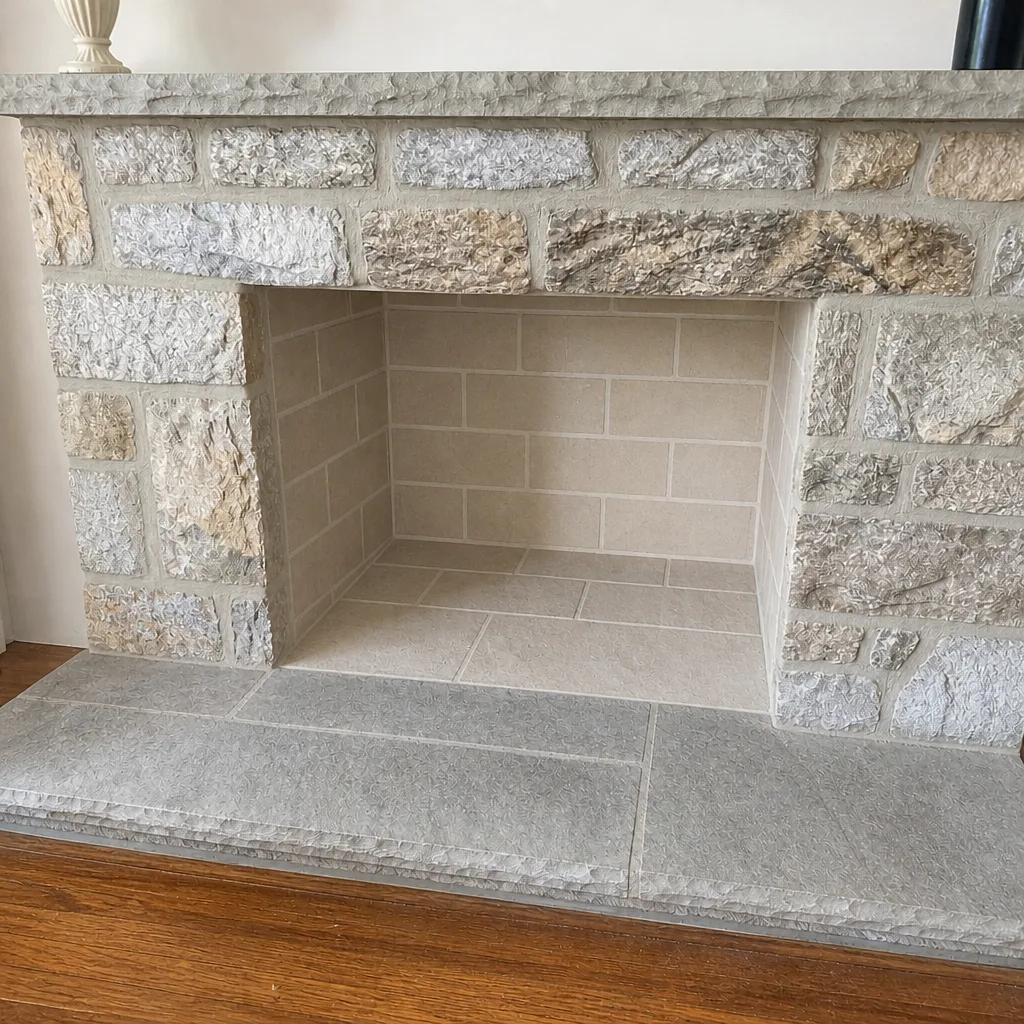 After
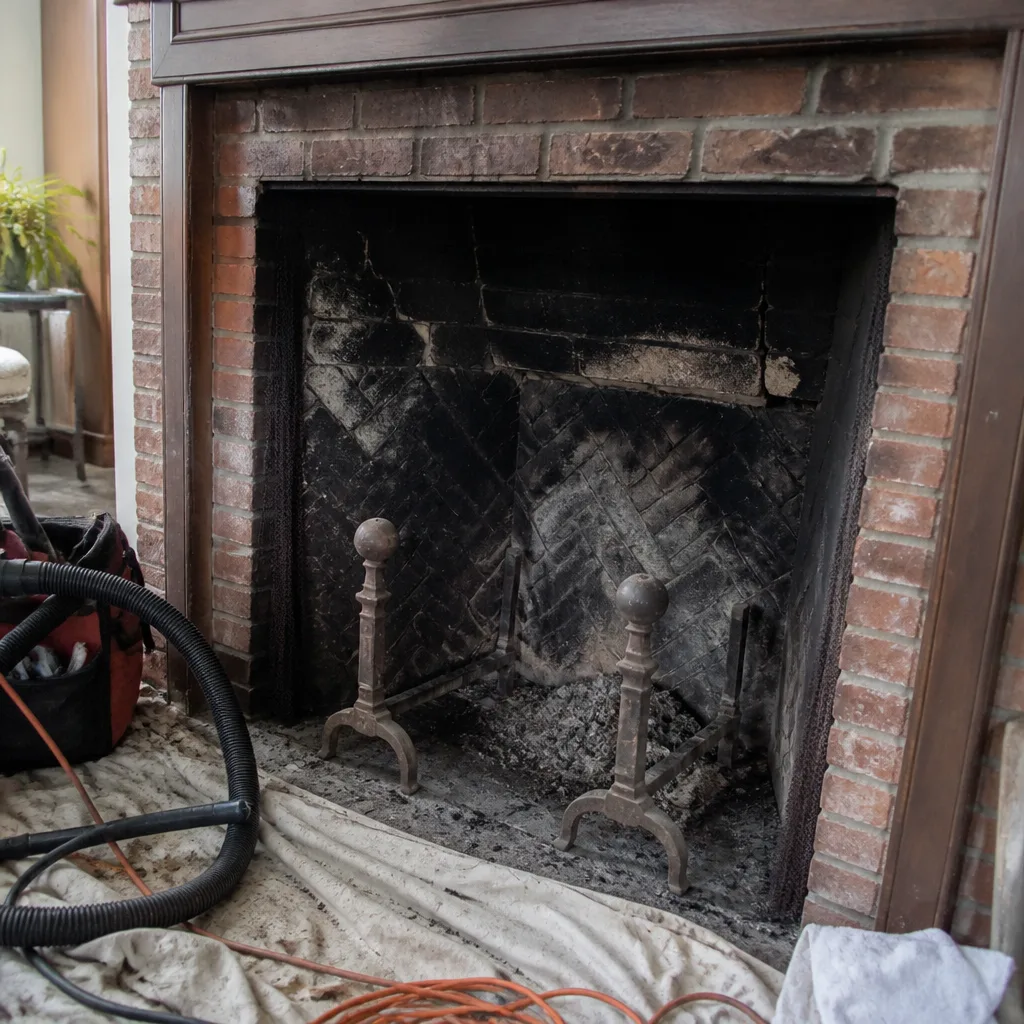 Before
 After
 Before
 After